Vorschau anzeigen
 Versenden
 Teilen
 Details anzeigen
 Leitfaden

 Herunterladen
 Ähnliche Objekte
 Röntgenaufnahme
 Diashow
 Fragen & Antworten
 Statistiken
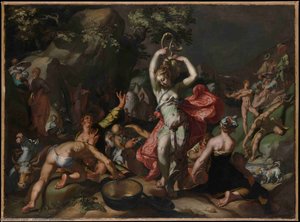
Hirtin mit Weintraubenschale

- 104.0 x 83.0 cm


 Weiterlesen
Giclée / Kunstdruck
Giclée- oder Leinwanddruck in Museumsqualität mit schneller Produktion und flexiblen Veredelungsoptionen. ( Handgemalte Reproduktion bestellen Zum digitalen Bild wechseln)




P118B €10

P118H €10

P118W €10

P438Z €10

P508JH €12

P508YH €12

P805H €10

P805Z €10

P919BZ €10

P919G €10

P919XJ €10

P959ZH €10

P968JZ €12

W106C €8

W218G €10

W218JH €8

W218Y €10

W307PJ €10

W316G €10

W316PJ €8

W316Y €10

W398PJ €8

W4111J €10

W500HY €15

W500JH €15

W692G €12

W849H €8

W940BG €15

W953PJ €8




Wählen Sie aus unseren vordefinierten Formaten, die den ursprünglichen Proportionen des Kunstwerks entsprechen.

Geben Sie die benötigte Breite und Höhe an, damit der Druck perfekt in Ihren Rahmen oder an Ihre Wand passt. Ein Druck kann nur beschnitten, aber niemals größer als das Originalbild angefertigt werden; daher verliert ein Format mit anderen Proportionen einen Teil des Bildes. Wir senden Ihnen ein digitales Mockup zur Freigabe, bevor wir den Druck ausführen. Das auf dieser Seite gezeigte Bild zeigt nicht den tatsächlichen Beschnitt – dies ist nur im Mockup ersichtlich.
Weltweiter Versand () innerhalb von 2 Wochen statt der üblichen 4/5 Wochen. (4 November)

Kostenloser weltweiter Expressversand

Hochwertige Leinenleinwand

Umfassender Versicherungsschutz beim Versand

Zollgebühren-Rückerstattungsgarantie

Garantie für exakte Farbtreue

100 Tage Rückgaberecht (nur bei Mängeln)

100% Geld-zurück-Garantie

Mengenrabatt verfügbar
 Die Glasoption ist nur für Größen unter 110 cm verfügbar.

Hirtin mit Weintraubenschale
Giclée / Kunstdruck
Format der Reproduktion
-


Endpreis
€ 72
Abraham Bloemaerts „Hirtin mit Weintraubenschale“: Ein Fenster zur niederländischen barocken Pastorale
Abraham Bloemaerts „Hirtin mit Weintraubenschale“, gemalt im Jahr 1628, ist weit mehr als nur eine charmante Darstellung des ländlichen Lebens; es ist ein akribisch ausgearbeitetes Fenster in die künstlerischen Strömungen des Goldenen Zeitalters der Niederlande. Entstanden in einer Ära immensen sozialen und religiösen Wandels – das Gemälde trat inmitten des anhaltenden Dreißchließlichjährigen Krieges hervor – meistert Bloemaert geschickt das Gleichgewicht zwischen dramatischer Intensität und einem unbestreitbaren Gefühl von stiller Schönheit, beides Markenzeichen seines unverwechselbaren Stils. Dieses besondere Werk mit den Maßen 104 x 83 cm, das heute in der Staatlichen Kunsthalle Karlsruhe zu finden ist, bietet einen fesselnden Einblick in die Welt einer niederländischen Pastorale, die mit bemerkenswerter Detailtreue gerendert und mit symbolischer Resonanz durchdrungen ist.
Eine Meisterklasse manieristischer Technik
Bloemaerts künstlerische Abstammung ist tief in der manieristischen Tradition verwurzelt, doch er antizipierte bereits die stilistischen Verschiebungen hin zum Barock, die die zweite Hälfte des 17. Jahrhunderts dominieren sollten. Das Gemälde demonstriert seine Meisterschaft im disegno, einem Kernprinzip der Renaissance-Kunst, das präzise Zeichnung und kompositorische Klarheit betont. Betrachten Sie die sorgfältig konstruierte Pyramide der Figuren – die Hirtin an ihrer Spitze, umgeben von ihren Gefährten – ein gängiges Stilmittel, um visuelle Stabilität und Erhabenheit zu erzeugen. Seine Pinselführung zeichnet sich durch eine bewusste Schichtung von Farbe und Textur aus, was ein spürbares Gefühl von Tiefe und Volumen schafft. Der Einsatz des Chiaroscuro, das dramatische Zusammenspiel von Licht und Schatten, verstärkt die Dreidimensionalität der Szene zusätzlich und lenkt den Blick des Betrachters mit fesselnder Wirkung über die Leinwand.
Symbolik und die Sprache der niederländischen Landschaft
Das Sujet selbst ist reich an symbolischer Bedeutung. Die Hirtin, ein wiederkehrendes Motiv in der nordeuropäischen Kunst, repräsentiert Unschuld, Frömmigkeit und die Verbundenheit mit der Natur. Die Schale mit Trauben – ein Symbol für Überfluss und Fruchtbarkeit – verstärkt dieses Thema. Über diese unmittelbaren Symbole hinaus spricht die Einbeziehung von Pferden und Kühen in die pastorale Landschaft die wirtschaftlichen Realitäten der Zeit an und unterstreicht die Bedeutung der Landwirtschaft für die niederländische Gesellschaft. Die Anwesenheit von Vögeln verleiht der Szene ein Element von Leichtigkeit und Freude, während die Bäume und fernen Hügel ein Gefühl von Weite und Zeitlosigkeit erzeugen. Bloemaerts akribische Liebe zum Detail – von den einzelnen Haarsträhnen auf dem Kopf der Hirtin bis hin zur Textur der Tierfelle – erhebt diese Szene über die bloße Darstellung hinaus und verwandelt sie in eine sorgfältig konstruierte Allegorie.
Historischer Kontext und künstlerische Einflüsse
Gemalt im Jahr 1628, spiegelt „Hirtin mit Weintraubenschale“ die breitere künstlerische Landschaft der Republik der Niederlande wider. Bloemaerts Karriere wurde durch seine frühe Ausbildung unter seinem Vater, Cornelis Bloemaert I., einem renommierten Architekten, und spätere Studien bei bedeutenden Utrecht-Künstlern wie Gerrit Splinter und Joos de Beer geprägt. Ein prägendes dreijähriges Exil in Paris setzte ihn den Einflüssen von Jehan Bassot und Maistre Herry aus, was seinen stilistischen Horizont erweiterte und ihn mit den aufstrebenden künstlerischen Trends der Ära vertraut machte. Diese Synthese der Einflüsse – verwurzelt in der niederländischen Tradition und dennoch geprägt durch kontinentale Entwicklungen – ist in diesem bemerkenswerten Werk kraftvoll evident und festigte Bloemaerts Position als eine führende Figur innerhalb der niederländischen Barockbewegung.
Fragen & Antworten
Welche Stimmung und welche Emotionen vereinen sich in "Hirtin mit Weintraubenschale"?
Die festgehaltene Stimmung von "Hirtin mit Weintraubenschale" von Abraham Bloemaert ist Verträumt-romantisch, und ihr emotionaler Tonfall ist Nostalgisch.
Ist "Hirtin mit Weintraubenschale" als Kunstdruck erhältlich?
"Hirtin mit Weintraubenschale" ist als ein Fine Art Print auf Baumwollkanvas oder Archiv-Leinwandpapier erhältlich. Bestellungen können in der gewünschten Größe auf der Kunstdruck in Premiumqualität-Seite aufgegeben werden.
Welcher Phase in der künstlerischen Entwicklung von Abraham Bloemaert lässt sich "Hirtin mit Weintraubenschale" zuordnen?
„Hirtin mit Weintraubenschale“ entstammt der Manierismus/Barock von Abraham Bloemaert. Diese Einordnung setzt das Werk in Bezug zur künstlerischen Entwicklung des Künstlers.
Künstlerbiografie
Abraham Bloemaert (1564 – 1651): Bridging Mannerism and Baroque Brilliance
Abraham Bloemaert, born in Gorinchem around 1564, stands as a cornerstone of Dutch Baroque art—a painter who skillfully navigated the stylistic currents of his time, blending the elegance of Haarlem Mannerism with the dramatic dynamism championed by Caravaggio. His artistic journey began under the formative influence of his father, Cornelis Bloemaert I, a sculptor and architect who instilled in him an appreciation for meticulous craftsmanship and compositional balance. This early education provided a crucial foundation for Bloemaert’s subsequent explorations into artistic expression.Early Training and Parisian Exposure
By 1576, the Bloemaert family had relocated to Utrecht, where Abraham honed his skills alongside Gerrit Splinter and Joos de Beer—artists who were actively engaged in shaping the burgeoning Utrecht Caravaggisti movement. This association proved invaluable, exposing him to the innovative techniques and stylistic sensibilities of Caravaggio’s followers. A pivotal moment arrived when Bloemaert undertook a three-year sojourn in Paris from 1581 to 1583. During this period, he immersed himself in the artistic milieu of the French School, absorbing influences from Jehan Bassot and Maistre Herry—artists who championed refined aesthetics and embraced classical ideals. This Parisian experience broadened Bloemaert’s artistic horizons, fostering a deeper understanding of European artistic trends and preparing him for his triumphant return to Utrecht.The Utrecht Caravaggisti and Artistic Innovation
Upon returning to Utrecht, Bloemaert swiftly established himself as a leading figure in the Utrecht Caravaggisti movement—a group of painters who embraced the dramatic realism and tenebrism pioneered by Caravaggio. He skillfully incorporated these stylistic innovations into his oeuvre, creating paintings characterized by intense emotional expression and masterful use of chiaroscuro (the interplay between light and dark). Bloemaert’s canvases pulsated with vitality, reflecting the fervor of the Baroque spirit and cementing his reputation as a visionary artist. Notable works such as “The Expulsion of Hagar and Ishmael” exemplify this stylistic commitment—demonstrating his ability to convey profound narratives with breathtaking visual impact.A Diverse Artistic Output: Painting Beyond Genre
Bloemaert’s artistic output spanned an impressive range of genres, encompassing history painting, landscapes, still lifes, and animal portraits. He approached each subject with meticulous attention to detail and unwavering dedication to stylistic integrity—producing paintings that captivated audiences with their beauty and intellectual depth. His landscapes, particularly, stand out for their evocative depictions of Dutch countryside vistas—infused with atmospheric perspective and imbued with a palpable sense of tranquility. Furthermore, Bloemaert’s mastery extended beyond visual representation; he was also a prolific printmaker, producing etchings and engravings that disseminated his artistic vision widely. These prints served as crucial instruments in establishing his fame and influencing subsequent generations of artists.Legacy and Influence: Shaping Dutch Baroque Art
Abraham Bloemaert's influence resonated throughout the Utrecht Caravaggisti movement—inspiring countless painters to adopt his distinctive stylistic approach. He mentored a generation of Dutch artists, fostering a tradition of artistic excellence that endured for decades after his death in 1651. His legacy continues to inspire admiration and scholarly inquiry today—with his paintings recognized as masterpieces of Baroque art—testaments to a life devoted to artistic exploration and innovation. Bloemaert’s enduring contribution to Dutch art history ensures that his name will forever be associated with brilliance, dynamism, and the transformative power of visual expression.
Abraham Bloemaert
1564 - 1651 , Niederlande
Kurzinfos
- Artistic Movement Or Style: Barock, Manierismus
- Artists Or Movements Influenced By This Artist: ['Utrechter Caravaggisti']
- Artists Who Influenced This Artist: ['Hieronymus Francken']
- Date Of Birth: 1564
- Date Of Death: 1651
- Full Name: Abraham Bloemaert
- Nationality: Niederländisch
- Notable Artworks:
- Die Ausweisung von Hagar und Ishmael
- Venus und Adonis
- Landschaft mit Bauern
- Place Of Birth: Gorinchem, Niederlande
Ähnliche Artikel
Meisterwerke des 17. Jahrhunderts: Kunst für Ihr Zuhause | OriginalUniqueArt
Entdecken Sie die 10 bedeutendsten Kunstwerke des 17. Jahrhunderts! Von Rembrandt bis Caravaggio – erleben Sie Barockmalerei, niederländische Meister & klassische Gemälde. Finden Sie Ihre perfekte Reproduktion auf OriginalUniqueArt.com.

Giclée-Prints: Hochwertige Kunstreproduktionen mit Archivqualität für Ihr Zuhause
Erfahren Sie alles über die Archivqualität und Technik echter Giclée-Drucke. Jetzt Expertenwissen für Ihre Kunstsammlung entdecken!

Baroque Classicism: The Grandeur of Order and Drama in 17th-Century Art History
Explore the profound elegance of Baroque Classicism. Discover how 17th-century masters synthesized dramatic emotion with classical order through the lens of the Counter-Reformation and the works of legends like Carlo Maratta and Andrea Sacchi.

Golden Age Reflections: Dutch Baroque Painting & Cultural Innovation
Explore the Dutch Golden Age of painting! Discover key artists like Vermeer & ter Borch, their innovative techniques, and the rich cultural context behind these Baroque masterpieces. Learn about collecting & appreciating this iconic art period.

Die 10 Meisterwerke der niederländischen Barockmalerei – Kunst für Ihr Zuhause | OriginalUniqueArt
Entdecken Sie die 10 prägendsten Meisterwerke der niederländischen Barockmalerei! Von Rembrandt bis Vermeer – erleben Sie Kunstgeschichte, Techniken & Emotionen. Hochwertige Reproduktionen für Ihr Zuhause auf OriginalUniqueArt.com.