
 In echtem Maßstab anzeigen
 Versenden als Grußkarte
 Teilen
 Details anzeigen
 Leitfaden öffnen

 Herunterladen
 Ähnliche Objekte
 Röntgenaufnahme
 Diashow
 Besucherstatistiken
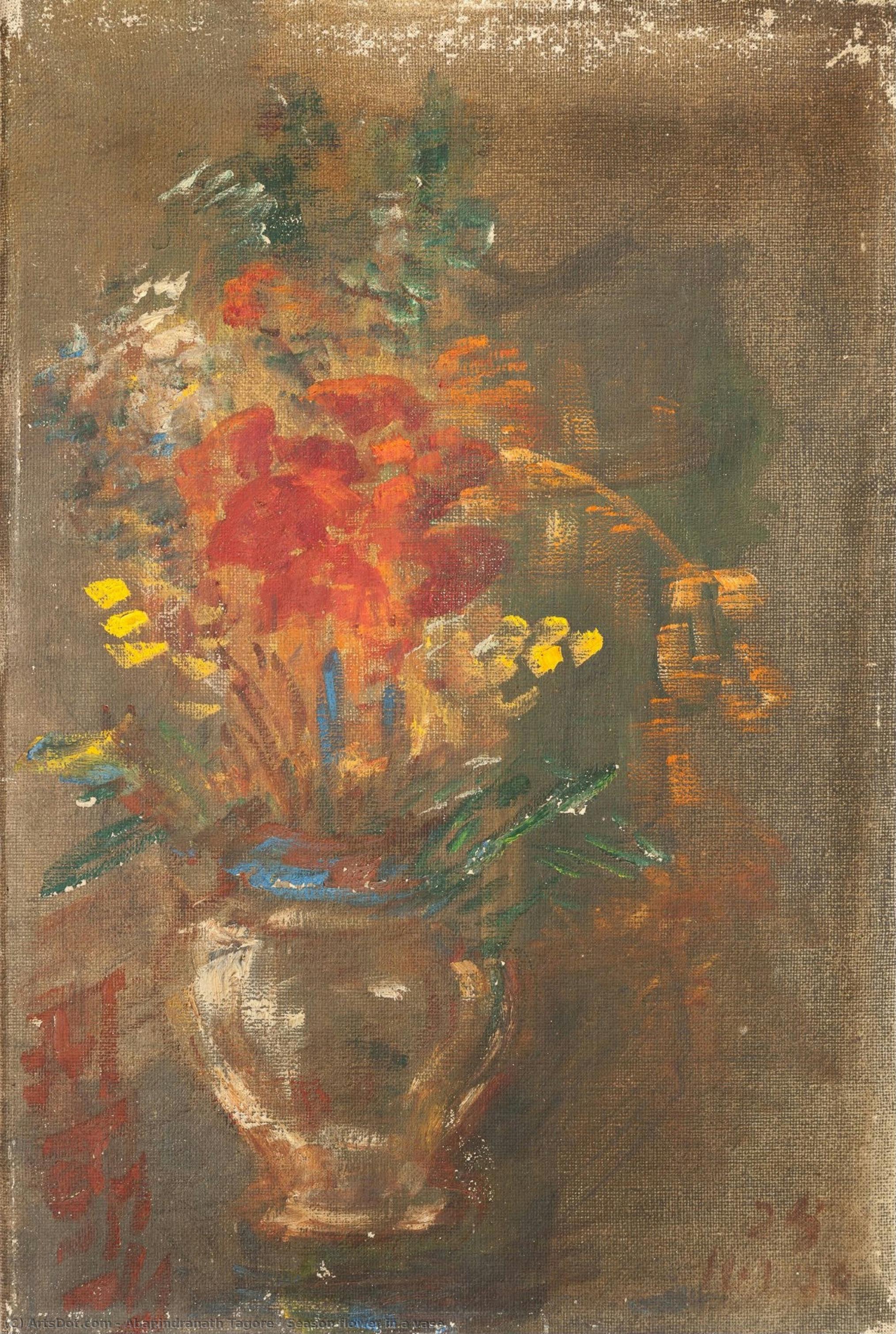
Season flower in a vase


 Mehr anzeigen
Handgefertigte Ölreproduktion
Handgemaltes Ölgemälde auf Leinwand in Ihrer Wunschgröße und mit Rahmen, auf Bestellung von unseren Künstlern angefertigt. ( Zum Druck wechseln Zum digitalen Bild wechseln)




P118B $10

P118H $10

P118W $10

P438Z $10

P508JH $12

P508YH $12

P805H $10

P805Z $10

P919BZ $10

P919G $10

P919XJ $10

P959ZH $10

P968JZ $12

W106C $8

W218G $10

W218JH $8

W218Y $10

W307PJ $10

W316G $10

W316PJ $8

W316Y $10

W398PJ $8

W4111J $10

W500HY $15

W500JH $15

W692G $12

W849H $8

W940BG $15

W953PJ $8




Wählen Sie aus unseren vordefinierten Formaten, die den ursprünglichen Proportionen des Kunstwerks entsprechen.

Sie können Ihre eigenen Maße eingeben, um einen bestimmten Rahmen oder Platz auszufüllen. Wenn die gewählte Größe nicht den Proportionen des Originalbildes entspricht, werden wir das Kunstwerk entweder beschneiden oder das Gemälde durch zusätzliche, handgemalte Elemente erweitern. Ein digitales Mockup wird Ihnen zur Genehmigung zugesandt, bevor die Produktion beginnt.
Bitte beachten Sie, dass die Bildschirmvorschau nicht die tatsächliche Beschneidung oder Erweiterung widerspiegelt. Nur das Mockup zeigt die endgültige Komposition exakt an.
Obwohl Sondermaße verfügbar sind, empfehlen wir, eine Größe aus der vordefinierten Liste zu wählen, um die ursprünglichen Proportionen beizubehalten.
Nach der Bestellung wird das OriginalUniqueArt.com-Team dem Kunden Anweisungen per E-Mail zusenden und eine Mockup-Vorschau bereitstellen.
Weltweiter Versand () in nur 3 bis 4 Wochen statt der üblichen 5 Wochen. (25 September). Keine Kompromisse bei der Qualität.

Kostenloser weltweiter Expressversand

Hochwertige Leinenleinwand

Vollständiger Versicherungsschutz beim Versand

Zollgebühren-Rückerstattungsgarantie

Garantie für exakte Farbtreue

100-tägiges Rückgaberecht (nur bei Mängeln)

100% Geld-zurück-Garantie

Angebot für Mengenrabatt
 Die Glasoption ist nur für Größen unter 110 cm verfügbar.

Season flower in a vase
Reproduktionsmedium
Format der Reproduktion
-


Gesamtpreis
$ 300
A Moment of Tranquil Beauty: Exploring the Essence of “Season Flower in a Vase”
Abanindranath Tagore’s “Season Flower in a Vase,” painted circa 1938, isn't merely a still life; it’s a carefully constructed meditation on beauty, tradition, and the delicate balance between East and West. Within its serene composition lies a profound reflection of Tagore’s artistic philosophy – a deliberate rejection of Western academic art while simultaneously embracing elements of Japanese aesthetics and drawing upon the rich visual vocabulary of Mughal and Rajput painting. The painting immediately evokes a sense of quiet contemplation, inviting the viewer into a space of understated elegance and poignant nostalgia.
The scene unfolds within a simple, white vase – a deliberate choice that anchors the composition and directs our attention to the vibrant blooms nestled within. These aren’t simply flowers; they are symbols deeply rooted in Indian tradition. The prominent red blossoms, likely roses or peonies, represent passion and vitality, while the delicate yellow ones suggest joy and enlightenment. Greenery, meticulously arranged, speaks of growth, renewal, and connection to nature – a core value central to Tagore's artistic vision. Notice how each element is rendered with a restrained hand, avoiding excessive detail and prioritizing suggestion over explicit representation.
The Bengal School’s Synthesis: A Bridge Between Worlds
Tagore was a pivotal figure in the establishment of the Bengal School of Art, a movement that sought to redefine Indian art after decades of Western influence. Rejecting the rigid formalism of European painting, he and his contemporaries drew inspiration from India's own artistic heritage – the intricate patterns of Mughal miniatures, the bold colors and dynamic compositions of Rajput paintings, and the spiritual symbolism of ancient Buddhist art. “Season Flower in a Vase” exemplifies this synthesis perfectly. The brushwork is fluid and expressive, reminiscent of traditional Indian painting techniques, yet it’s imbued with a subtle Western sensibility regarding composition and color harmony.
The influence of Japanese aesthetics is particularly evident in the careful arrangement of the flowers and foliage – a concept known as *kacho* or “flower viewing” – which was highly valued in Japan. The asymmetrical balance, the use of negative space, and the emphasis on capturing the essence of each element rather than its literal depiction all reflect this profound influence. Tagore’s journey to China and his subsequent study of Chinese calligraphy further enriched his artistic vocabulary, adding layers of symbolism and visual poetry to his work.
Symbolism and Emotional Resonance
Beyond its aesthetic qualities, “Season Flower in a Vase” carries a deeper symbolic weight. The painting can be interpreted as an allegory for the fleeting nature of beauty and life itself. The vibrant colors and delicate forms represent the ephemeral joys of existence, while the vase serves as a reminder of our mortality – a vessel holding precious moments that are destined to fade away. Tagore’s deliberate use of muted tones and subtle gradations of color contributes to this sense of melancholy and introspection.
Furthermore, the painting speaks to a longing for a return to traditional values and a rejection of Western materialism. Tagore's embrace of *Swadeshi* – a movement promoting Indian self-reliance – is palpable in his work. “Season Flower in a Vase” isn’t just a beautiful image; it’s a powerful statement about the importance of preserving India’s cultural heritage and finding beauty within its own traditions. It invites us to pause, reflect, and appreciate the simple pleasures of life—a timeless message rendered with exquisite artistry.
Biografie des Künstlers
Frühes Leben und Hintergrund
- Geboren: 7. Mai 1861, Joransanko, Kalkutta, Britisch-Indien
- Gestorben: 5. Dezember 1951
- Familie: Mitglied der angesehenen Tagore-Familie; Neffe von Rabindranath Tagore. Sein Großvater war Girindranath Tagore und sein Vater Gunendranath Tagore.
- Ausbildung: Studierte in den 1880er Jahren am Sanskrit College, Kalkutta, und besuchte später die Calcutta School of Art.
Künstlerische Entwicklung und Einflüsse
- Frühe Ausbildung: Erlernte Pastelle von O. Ghilardi und Ölmalerei von Charles Palmer an der Calcutta School of Art.
- Mughal- und Rajput-Stile: Bemühte sich, diese Stile zu modernisieren und lehnte westliche Kunstmodelle ab.
- Swadeshi-Werte: Integrierte Swadeshi-Werte in seine Kunst und förderte indische Traditionen.
- Aesthetizismus von Whistler: Beeinflusst vom Aesthetizismus von Whistler.
- Japanischer Einfluss: Später integrierte er chinesische und japanische Kalligraphietraditionen in seinen Stil, nachdem er die Künstler Tikan und Hesida getroffen hatte.
Hauptwerke und künstlerische Beiträge
- Rohini II: Ein bemerkenswertes Werk, das seine künstlerischen Fähigkeiten zeigt.
- Das Vergehen von Schah Dschahan: Ein weiteres bedeutendes Gemälde, das seinen Stil widerspiegelt.
- Blumenzeit in einer Vase: Demonstriert seine Beherrschung der Technik und des Themas.
- Arabische Nächte-Reihe (1930): Gilt als eines seiner besten Werke und verwendet Geschichten aus Tausendundeiner Nacht, um kolonialisiertes Kalkutta zu erkunden.
- Bharat Mata: Ein bedeutendes Gemälde, das Mutter Indien symbolisiert.
- Gründer der Bengal School of Art: Spielte eine entscheidende Rolle bei der Gestaltung der modernen indischen Malerei und der Förderung nationalistischer Kunst.
- Indian Society of Oriental Art (1907): Gründete diese Gesellschaft, um traditionelle indische Kunstformen zu fördern.
Vermächtnis und historische Bedeutung
- Pionier der modernen indischen Malerei: Anerkannt als eine Schlüsselfigur bei der Entwicklung der modernen indischen Kunst.
- Einfluss auf nachfolgende Künstler: Mentor von bekannten Künstlern wie Nandalal Bose, Asit Halder, Kshitindranath Majumdar und Jamini Roy.
- Wiederbelebung traditioneller Kunstformen: Setzte sich für eine Rückkehr zu traditionellen indischen Techniken und Stilen ein.
- Auswirkungen auf die bengalische Kinderliteratur: Verfasste einflussreiche Kinderbücher wie Rajkahini, Budo Angla, Nalak und Khirer Putul.
- Nationales Kunstschatz: Seine Werke gelten als Nationales Kunstschatz.

Abanindranath Tagore
1871 - 1951 , Indien
Eckdaten zum Künstler
- Beeinflusste Künstler:
- Whistler
- Mughal-Künstler
- Rajput-Künstler
- Bemerkenswerte Werke:
- Rohini II
- Gehende von Shajahan
- Blumen in einer Vase
- Geburtsdatum: 7. Mai 1871
- Geburtsort: Jorasanko, Indien
- Künstlerische Bewegung: Bengal School of Art
- Nationalität: Indisch
- Sterbedatum: 5. Dezember 1951
- Vollständiger Name: Abanindranath Tagore
- Von Künstlern Beeinflusst:
- Nandalal Bose
- Kshitindranath Majumdar
- Jamini Roy
Verwandte Artikel

The Sublime Landscape: Exploring the Hudson River School Movement
Explore the captivating world of the Hudson River School! Discover the history, artists, and defining characteristics of this iconic American art movement. Learn about Romanticism's influence & find inspiration for your collection.

The Hague School: Realism, Atmosphere & the Dawn of Dutch Impressionism
Explore the Hague School's pivotal role in Dutch art history. Discover realism, atmospheric landscapes & its influence on Impressionism. Learn about key artists like Mauve & Maris with OriginalUniqueArt.

Raja Ravi Varma: Bridging Tradition & Modernity in 19th-Century Indian Art
Explore the life & art of Raja Ravi Varma, a pioneer who fused European techniques with Indian iconography. Discover his iconic paintings, lasting legacy, and influence on modern Indian art at OriginalUniqueArt.

Die 10 Meisterwerke der Hudson River School: Kunst für Ihr Zuhause | OriginalUniqueArt
Entdecken Sie die 10 prägendsten Meisterwerke der Hudson River School! Erfahren Sie mehr über Thomas Cole, Frederic Church & Co. und ihre atemberaubenden Landschaftsbilder. Hochwertige Kunstdrucke für Ihr Zuhause – jetzt auf OriginalUniqueArt.com!
The Barbizon School: A Professional Guide to Naturalism and Landscape Mastery for Interior Designers
Explore the Barbizon School's mastery of naturalism. An expert guide for hotel designers and procurement managers on sourcing high-quality landscape reproductions to elevate hospitality and corporate interiors with authentic, large-scale fine art solutions.
