

 In echtem Maßstab anzeigen
 Versenden als Grußkarte
 Teilen
 Details anzeigen
 Leitfaden öffnen

 Herunterladen
 Ähnliche Objekte
 Röntgenaufnahme
 Diashow
 Besucherstatistiken
Pavilion
 Oil On Canvas
- WallArt
- Bengal School of Art
 23.0 x 16.0 cm
 Victoria-Gedenkstätte
 Mehr anzeigen
Giclée / Kunstdruck
Giclée- oder Leinwanddruck in Museumsqualität mit schneller Produktion und flexiblen Veredelungsoptionen. ( Handgemalte Reproduktion kaufen Zum digitalen Bild wechseln)




P118B €10

P118H €10

P118W €10

P438Z €10

P508JH €12

P508YH €12

P805H €10

P805Z €10

P919BZ €10

P919G €10

P919XJ €10

P959ZH €10

P968JZ €12

W106C €8

W218G €10

W218JH €8

W218Y €10

W307PJ €10

W316G €10

W316PJ €8

W316Y €10

W398PJ €8

W4111J €10

W500HY €15

W500JH €15

W692G €12

W849H €8

W940BG €15

W953PJ €8




Wählen Sie aus unseren vordefinierten Formaten, die den ursprünglichen Proportionen des Kunstwerks entsprechen.

Geben Sie die Breite und die Höhe an, die Sie benötigen, damit der Druck perfekt in Ihren Rahmen oder an Ihre Wand passt. Ein Druck kann nur beschnitten werden und niemals größer als das Originalbild gemacht werden; daher verliert ein Format mit einer anderen Proportion einen Teil des Bildes. Wir senden Ihnen ein digitales Mockup zur Freigabe, bevor wir den Druck ausführen. Das auf dieser Seite gezeigte Bild zeigt nicht den tatsächlichen Beschnitt – dies ist nur im Mockup ersichtlich.
Weltweiter Versand () innerhalb von 2 Wochen statt der üblichen 4/5 Wochen. (25 Oktober)

Kostenloser weltweiter Expressversand

Hochwertige Leinenleinwand

Vollständiger Versicherungsschutz beim Versand

Zollgebühren-Rückerstattungsgarantie

Garantie für exakte Farbtreue

100-tägiges Rückgaberecht (nur bei Mängeln)

100% Geld-zurück-Garantie

Angebot für Mengenrabatt
 Die Glasoption ist nur für Größen unter 110 cm verfügbar.

Pavilion
Giclée / Kunstdruck
Format der Reproduktion
-


Gesamtpreis
€ 70
Abanindranath Tagore’s “Pavilion”: A Bridge Between East and West
The artwork presented here, Abanindranath Tagore's "Pavilion," isn’t merely a depiction of a building; it’s a carefully constructed visual poem, a pivotal moment in the history of Indian art. Painted in 1907, during a period of intense nationalistic fervor and artistic experimentation, this work represents Tagore’s audacious attempt to synthesize traditional Indian aesthetics with Western influences – a strategy that fundamentally reshaped the landscape of modern Indian painting. It's a piece brimming with symbolism, inviting viewers to contemplate themes of spirituality, identity, and the evolving relationship between tradition and modernity.
Tagore, deeply influenced by the Japanese aesthetic—particularly its emphasis on calligraphy and flattened perspective—and inspired by the Mughal and Rajput miniature traditions, sought to create an art form that resonated with Indian sensibilities. He deliberately rejected the academic realism prevalent in Western art schools, which he viewed as cold and devoid of spiritual depth. Instead, he drew upon the rich visual vocabulary of ancient India – its vibrant colors, stylized forms, and symbolic imagery—and infused it with a distinctly modern sensibility. “Pavilion” exemplifies this approach perfectly; it’s not a photographic representation but rather an evocative interpretation, prioritizing mood and feeling over strict adherence to reality.
A Symphony of Color and Symbolism
The painting immediately captivates the eye with its rich palette—a deliberate departure from the muted tones favored by Western artists. Deep blues and greens dominate the composition, evoking a sense of tranquility and spirituality, while bursts of crimson, gold, and saffron inject vibrancy and energy. These colors aren’t simply decorative; they carry profound symbolic weight. Blue represents the heavens and spiritual realms, red signifies passion and life force, and gold embodies divinity and enlightenment. The use of these hues is deeply rooted in Hindu iconography and reflects Tagore's desire to reconnect with India’s ancient spiritual heritage.
The pavilion itself—a structure reminiscent of Mughal palaces but imbued with a distinctly Indian character—is rendered with a flattened perspective, echoing the style of Japanese woodblock prints. The arched doorway, framed by intricate floral motifs and stylized clouds, serves as a focal point, drawing the viewer’s eye into the heart of the composition. Notice the deliberate simplification of forms – a hallmark of both Mughal and Japanese art—which contributes to the painting's serene and contemplative atmosphere. The figures depicted within the pavilion are not realistically rendered but rather presented as stylized silhouettes, further emphasizing the work’s symbolic nature.
Historical Context and Artistic Significance
“Pavilion” was created during a crucial period in Indian history—the early 20th century—a time marked by growing nationalist sentiment and a desire to reclaim India's cultural identity after centuries of colonial rule. Tagore’s art played a significant role in this movement, providing a visual language for expressing Indian values and traditions. He founded the Bengal School of Art, which championed a distinctly Indian style of painting that drew inspiration from both ancient and contemporary sources. This school challenged the dominance of Western artistic styles and paved the way for a new generation of Indian artists.
Tagore’s work wasn't without its critics. Some accused him of diluting traditional Indian art by incorporating Western elements, while others praised his innovative approach to blending Eastern and Western aesthetics. However, “Pavilion” remains a testament to Tagore’s artistic vision—a bold and ambitious attempt to create an art form that was both deeply rooted in India's cultural heritage and open to new influences. It stands as a pivotal work in the development of modern Indian painting, demonstrating the power of art to shape national identity and express complex ideas.
A Timeless Masterpiece for Your Space
Reproduced on high-quality canvas or paper, Abanindranath Tagore’s “Pavilion” offers a captivating glimpse into India's rich artistic heritage. Its serene composition, vibrant colors, and evocative symbolism make it an ideal addition to any home or office space. Whether you are drawn to its spiritual depth, its historical significance, or simply its aesthetic beauty, this artwork is sure to inspire contemplation and add a touch of timeless elegance to your surroundings. Consider commissioning a hand-painted reproduction from OriginalUniqueArt.com for a truly authentic experience.
Fragen & Antworten
Sind die Farben von "Pavilion" von Abanindranath Tagore gesättigt oder gedämpft?
"Pavilion" von Abanindranath Tagore ist mit einer Balanced Soft Sättigung festgehalten.
Ist ein Download für "Pavilion" verfügbar?
Für „Pavilion“ steht ein Download zur Verfügung: Die Download-Seite des Kunstwerks bietet ein hochauflösender digitaler Bild-Download.
Welche Technik und welche Maße hat "Pavilion" von Abanindranath Tagore?
Das Originalwerk "Pavilion" von Abanindranath Tagore ist ein Oil On Canvas mit den Maßen 23 x 16 cm. Technik und Größe beziehen sich auf das Originalobjekt.
Biografie des Künstlers
Frühes Leben und Hintergrund
- Geboren: 7. Mai 1861, Joransanko, Kalkutta, Britisch-Indien
- Gestorben: 5. Dezember 1951
- Familie: Mitglied der angesehenen Tagore-Familie; Neffe von Rabindranath Tagore. Sein Großvater war Girindranath Tagore und sein Vater Gunendranath Tagore.
- Ausbildung: Studierte in den 1880er Jahren am Sanskrit College, Kalkutta, und besuchte später die Calcutta School of Art.
Künstlerische Entwicklung und Einflüsse
- Frühe Ausbildung: Erlernte Pastelle von O. Ghilardi und Ölmalerei von Charles Palmer an der Calcutta School of Art.
- Mughal- und Rajput-Stile: Bemühte sich, diese Stile zu modernisieren und lehnte westliche Kunstmodelle ab.
- Swadeshi-Werte: Integrierte Swadeshi-Werte in seine Kunst und förderte indische Traditionen.
- Aesthetizismus von Whistler: Beeinflusst vom Aesthetizismus von Whistler.
- Japanischer Einfluss: Später integrierte er chinesische und japanische Kalligraphietraditionen in seinen Stil, nachdem er die Künstler Tikan und Hesida getroffen hatte.
Hauptwerke und künstlerische Beiträge
- Rohini II: Ein bemerkenswertes Werk, das seine künstlerischen Fähigkeiten zeigt.
- Das Vergehen von Schah Dschahan: Ein weiteres bedeutendes Gemälde, das seinen Stil widerspiegelt.
- Blumenzeit in einer Vase: Demonstriert seine Beherrschung der Technik und des Themas.
- Arabische Nächte-Reihe (1930): Gilt als eines seiner besten Werke und verwendet Geschichten aus Tausendundeiner Nacht, um kolonialisiertes Kalkutta zu erkunden.
- Bharat Mata: Ein bedeutendes Gemälde, das Mutter Indien symbolisiert.
- Gründer der Bengal School of Art: Spielte eine entscheidende Rolle bei der Gestaltung der modernen indischen Malerei und der Förderung nationalistischer Kunst.
- Indian Society of Oriental Art (1907): Gründete diese Gesellschaft, um traditionelle indische Kunstformen zu fördern.
Vermächtnis und historische Bedeutung
- Pionier der modernen indischen Malerei: Anerkannt als eine Schlüsselfigur bei der Entwicklung der modernen indischen Kunst.
- Einfluss auf nachfolgende Künstler: Mentor von bekannten Künstlern wie Nandalal Bose, Asit Halder, Kshitindranath Majumdar und Jamini Roy.
- Wiederbelebung traditioneller Kunstformen: Setzte sich für eine Rückkehr zu traditionellen indischen Techniken und Stilen ein.
- Auswirkungen auf die bengalische Kinderliteratur: Verfasste einflussreiche Kinderbücher wie Rajkahini, Budo Angla, Nalak und Khirer Putul.
- Nationales Kunstschatz: Seine Werke gelten als Nationales Kunstschatz.

Abanindranath Tagore
1871 - 1951 , Indien
Eckdaten zum Künstler
- Beeinflusste Künstler:
- Whistler
- Mughal-Künstler
- Rajput-Künstler
- Bemerkenswerte Werke:
- Rohini II
- Gehende von Shajahan
- Blumen in einer Vase
- Geburtsdatum: 7. Mai 1871
- Geburtsort: Jorasanko, Indien
- Künstlerische Bewegung: Bengal School of Art
- Nationalität: Indisch
- Sterbedatum: 5. Dezember 1951
- Vollständiger Name: Abanindranath Tagore
- Von Künstlern Beeinflusst:
- Nandalal Bose
- Kshitindranath Majumdar
- Jamini Roy
Verwandte Artikel

Raja Ravi Varma: Bridging Tradition & Modernity in 19th-Century Indian Art
Explore the life & art of Raja Ravi Varma, a pioneer who fused European techniques with Indian iconography. Discover his iconic paintings, lasting legacy, and influence on modern Indian art at OriginalUniqueArt.
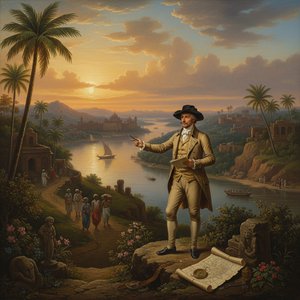
Thomas Daniell: Navigating Light, Landscape & Cultural Exchange in Early 19th-Century India
Explore the captivating landscapes of Thomas Daniell, a pioneering artist who documented India's beauty in the 19th century. Discover his 'Oriental Scenery,' aquatint technique & lasting legacy. Hand-painted reproductions available at OriginalUniqueArt.
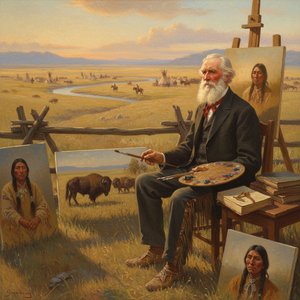
Joseph Henry Sharp: Capturing the Spirit of the Plains – Life, Art & Legacy
Explore the life & art of Joseph Henry Sharp, a founding member of the Taos Society of Artists renowned for his realistic depictions of Native American culture and Western landscapes. Discover his legacy with OriginalUniqueArt.
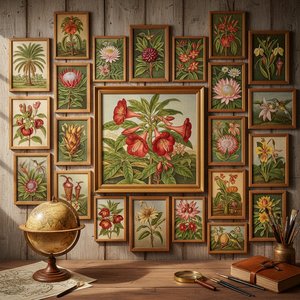
Marianne North: Die 25 schönsten Blumenmalereien der viktorianischen Reisenden | OriginalUniqueArt
Entdecken Sie die 25 schönsten Werke der viktorianischen Blumenmalerin Marianne North! Erleben Sie ihre exotischen Reisebilder & botanischen Illustrationen. Hochwertige Kunst Reproduktionen für Ihr Zuhause auf OriginalUniqueArt.com.
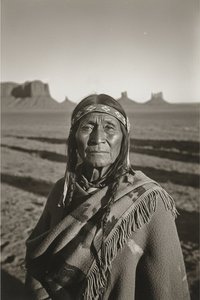
Shadow Catcher: Edward S. Curtis & the Ethnographic Portraiture of a Vanishing West
Explore the life & work of Edward S. Curtis, the 'Shadow Catcher,' and his groundbreaking photographic documentation of Native American cultures. Discover iconic images from *The North American Indian* and a critical look at his lasting legacy.

