Johann Gottlieb Kirchner: A Master of Meissen Porcelain
- Born: Halberstadt, Germany (1706)
- Died: 1768
Johann Gottlieb Kirchner was a highly skilled German artist primarily known for his exceptional ceramic works, particularly his figurative sculptures and celebrated depictions of court jesters. His legacy is deeply intertwined with the prestigious Meissen porcelain factory, where he served as a modeler and sculptor, creating some of its most exquisite pieces.
Early Life and Career at Meissen
Kirchner's artistic journey began in Halle, Germany, in 1706. He quickly distinguished himself through his meticulous attention to detail, dynamic portrayal of movement, and the expressive quality of his figures’ faces. His work is firmly rooted in the Rococo style, a period characterized by elegance, ornamentation, and playful themes. He became a master within the Meissen porcelain factory, contributing significantly to its reputation for artistic excellence.
Key Characteristics of Kirchner's Work
- Rococo Style: His pieces exemplify the Rococo aesthetic with their graceful lines, delicate details, and emphasis on ornamentation.
- Figurative Sculpture: Kirchner’s strength lay in creating compelling figurative sculptures that captured human emotion and movement.
- Court Jesters: He is particularly renowned for his depictions of court jesters, which are highly sought after by collectors due to their lively characterizations and technical brilliance. These figures often display a sense of humor and wit, reflecting the role of the jester in aristocratic society.
- Attention to Detail: Kirchner’s sculptures demonstrate an extraordinary level of detail, from the intricate folds of clothing to the subtle expressions on faces.
Notable Works and Legacy
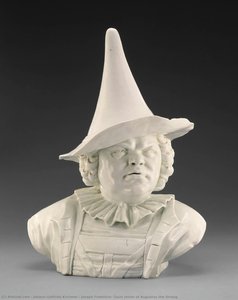
Among Kirchner's most celebrated works is the bust of the court jester Joseph Fröhlich, created in 1730. This porcelain piece resides within the esteemed collection of the Porcelain Collection in Dresden, Germany. His work has also been exhibited at prestigious institutions such as the Kunstsalon Franke Schenk in Munich.
- Bust of Court Jester Joseph Fröhlich (1730): A captivating porcelain piece showcasing Kirchner's skill in capturing personality and detail.
- Figurative Sculptures: Numerous other figurative sculptures demonstrate his mastery of the human form and Rococo style.
Kirchner’s work can be found in various museums, including the Gemäldegalerie Alte Meister in Dresden, Germany, which houses an impressive collection of European paintings from the 15th to the 18th centuries. His legacy continues to inspire artists and art enthusiasts alike, solidifying his place as a significant figure in German art history. He represents the pinnacle of Meissen porcelain artistry during the Rococo period.
Historical Significance
Kirchner’s contribution to the Meissen porcelain factory is undeniable. He played a crucial role in establishing the factory's reputation for producing high-quality, artistically significant ceramic figures. His court jesters, in particular, have become iconic symbols of Rococo art and are prized by collectors worldwide. Kirchner’s work reflects the artistic tastes and cultural values of 18th-century Europe, offering a valuable glimpse into the world of aristocratic patronage and artistic innovation.