Early Renaissance · 1448
St Agnes (Zanobi Strozzi, 1448)
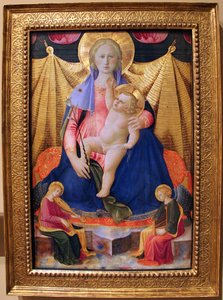
Zanobi Strozzi (1412–1468) har skabt St Agnes. Det er fra 1448. Det tilhører Early Renaissance-bevægelsen. Den er udført i Tempera On Panel. Det opbevares på Convent of San Marco i Firenze, Italien. Målene er 63 × 47 cm.
- 1448
- Tempera On Panel
- 63 × 47 cm
- Convent of San Marco, Firenze

 Se i rummet

 Håndmalet oliemalerie
 Del som kort
 Del
 Faktablad


 Download
 Lignende værker
 Røntgenundersøgelse
 Diasshow
 Spørgsmål og svar

 Statistikker
St Agnes kort fortalt
- Titel
- St Agnes
- Kunstner
- Zanobi Strozzi (1412–1468)
- Kunstner født i
- Firenze, Italien
- Dato
- 1448
- Materiale
- Tempera On Panel
- Dimensioner
- 63 × 47 cm
- Hvor det kan ses
- Convent of San Marco, Firenze, Italien
- Bevægelse
- Early Renaissance
- Periode
- Renaissance
- Motiv
- st agnes, zanobi strozzi, renaissance art, tempera panel, religious painting, italian art
Hvad forestiller St Agnes?
Zanobi Strozzi’s ‘St Agnes’: A Florentine Echo of Devotion
The tempera panel painting, “St Agnes,” attributed to Zanobi Strozzi and completed in 1448, is more than simply a depiction of a saint; it's a meticulously crafted window into the artistic sensibilities of early Renaissance Florence. Measuring just 63 x 47 cm, this work housed within the Museo di San Marco possesses an intimate quality that draws the viewer into its serene and profoundly devotional world. Strozzi, a pupil of the celebrated Fra Angelico, established himself as a master of detail and color, creating works imbued with a quiet spirituality that resonated deeply during his time.
- Subject & Narrative: The painting portrays Saint Agnes, martyred for her refusal to succumb to pagan temptations. The narrative is conveyed through the saint’s posture – dignified yet vulnerable – and the surrounding symbolic elements.
- Technique - Tempera on Panel: Strozzi's masterful use of tempera paint on a wooden panel creates a remarkable depth and luminosity. This technique, favored for its durability and ability to achieve rich colors, is evident in the subtle gradations of tone and the meticulous rendering of textures – from the folds of Agnes’ cloak to the intricate patterns adorning her surroundings.
A Symphony of Color and Decorative Detail
The visual impact of “St Agnes” stems largely from Strozzi's bold use of color and his extraordinary attention to decorative detail. Predominantly employing shades of blue, red, and gold – colors deeply associated with piety and royalty in the late medieval period – he constructs a complex tapestry of patterns that frame the central figure. Swirls, floral motifs, and other decorative elements aren’t merely ornamental; they serve as a visual language, amplifying the saint's solemnity and invoking a sense of heavenly grace. The background isn’t a simple backdrop but an active participant in the narrative, contributing to the overall atmosphere of reverence.
Historical Context & Artistic Influences
Created during a period of immense artistic innovation in Florence – a time when artists were rediscovering classical ideals while simultaneously developing their own unique styles – “St Agnes” reflects the evolving aesthetic sensibilities of the era. Strozzi’s close association with Fra Angelico undoubtedly influenced his approach, sharing a commitment to clarity, emotional intensity, and a profound sense of spirituality. The painting's style aligns perfectly with the artistic trends of the Florentine Renaissance, showcasing a sophisticated understanding of perspective and proportion, albeit within the constraints of the tempera medium.
Symbolism & Emotional Resonance
Beyond its technical brilliance, “St Agnes” is rich in symbolism. The red cloak, traditionally associated with sacrifice and martyrdom, underscores the saint’s tragic fate. The serene expression on her face conveys a sense of acceptance and unwavering faith. The overall effect is one of profound contemplation – an invitation to reflect on themes of devotion, courage, and ultimately, redemption. This painting continues to resonate with viewers today, offering a tangible connection to the artistic and spiritual values of Renaissance Florence.
Hvilket museum udstiller St Agnes?
Convent of San Marco
Firenze, Italien
Et fristed for tro og kunst San Marco-klosteret står som et enestående vidnesbyrd om Firenzes kunstneriske arv – et sted, hvor renæssancens ånd flettes sammen med dyb religiøs hengivenhed. Mere end blot at huse mesterværker, tilbyder klosteret en fordybende rejse tilbage til det femtende århundrede, som inviterer besøgende til at betragte eftermælet fra Fra Angelico og Girolamo Savonarola inden for murene af et smukt bevaret dominikanerkloster. Oprindeligt grundlagt som et vallombrosiansk kloster i det trettende århundrede, begyndte San Marcos transformation til et levende centrum for humanistisk tankegang og kunstnerisk innovation med Cosimo de' Medicis mæcenatvirksomhed – et afgørende øjeblik, der sikrede ankomsten af en reformeret dominikanerorden og indledte en æra af uovertruffen kreativitet.


Højopløselige billeder af St Agnes
Public domain: kunstneren døde i 1468.
Zanobi Strozzi, St Agnes (1448), Convent of San Marco. Frit tilgængelig
Spørgsmål om St Agnes besvaret
Hvilket museum udstiller det originale "St Agnes"?
Originalen af "St Agnes" af Zanobi Strozzi opbevares på Convent of San Marco, Firenze, Italien. En reproduktion gør det muligt at udstille værket i hjemmet.
I hvilket år blev "St Agnes" af Zanobi Strozzi skabt?
"St Agnes" stammer fra 1448. Datoen placerer værket i Zanobi Strozzi's karriere og dets tidsalder.
Hvilket medie er "St Agnes" af Zanobi Strozzi udført i?
Zanobi Strozzi brugte Tempera On Panel-teknikken til "St Agnes". Teknikken definerer det originale værks materielle karakter.
Hvad er målene på det originale værk "St Agnes"?
"St Agnes" måler 63 x 47 cm i sin oprindelige form. De originale dimensioner er en nyttig reference, når du skal vælge størrelsen på en reproduktion.
Hvad forestiller "St Agnes"?
"St Agnes" af Zanobi Strozzi forestiller: st agnes, zanobi strozzi, renaissance art, tempera panel, religious painting, italian art, medieval text.
Er billedet af "St Agnes" af Zanobi Strozzi frit tilgængeligt i det offentlige domæne?
"St Agnes" af Zanobi Strozzi er i det offentlige domæne – ophavsretten er udløbet. Denne status bestemmer, hvordan billedet af værket må reproduceres.
Hvem er kunstneren bag "St Agnes"?
"St Agnes" blev skabt af Zanobi Strozzi. Informationen på denne side beskriver Zanobi Strozzis originale værk.
Hvilken kunstretning tilhører "St Agnes" af Zanobi Strozzi?
"St Agnes" af Zanobi Strozzi tilhører Early Renaissance-bevægelsen. Denne bevægelse giver den stilistiske kontekst for værket.
Hvor i Zanobi Strozzis karriere placerer "St Agnes" sig?
Inden for Zanobi Strozzis karriere tilhører "St Agnes" perioden Early Renaissance, hvilket gør det muligt at sammenligne værket med kunstnerens øvrige værker.
Om kunstneren, Zanobi Strozzi
1412–1468, Italien
Zanobi Strozzi
Den florentinske visionær: Livet og eftermælet efter Zanobi Strozzi I den florentinske renæssances guldalder, hvor lys og skygge begyndte at danse med en nyfundet humanistisk dybde, trådte navnet Zanobi Strozzi frem som en livsvigtig tråd i byens kunstneriske gobelin. Zanobi blev født i 1412 ind i den illustre Strozzi-familie, og hans tidlige liv blev formet af de dybe politiske omvæltninger i Firenze. Selvom hans herkomst forbandt ham med adelen, drev sin fars tidlige død, da Zanobi kun var femten år gammel, ham mod en anden skæbne. Denne periode med personligt tab førte ham ind i det transformative lærlingeforhold under Battista di Biagio Sanguigni, et mentorskab, der med tiden ville forfine hans hånd og indgyde ham den tekniske præcision, der var nødvendig for at mestre den delikate kunst inden for manuskriptillumination og panelmaleri.
Om Zanobi Strozzi Bemærkelsesværdige værker af Zanobi Strozzi
Også af Zanobi Strozzi
 Madonna and Child with Angels1434
 Camaldolese Friars in Choir1450
 The Annunciation1442
 Virgin and Child with Four Angels and the Redeemer1450
Essays om St Agnes
 From Gold to Gravity: Italo-Byzantine Style vs. the Proto-RenaissanceMaster the shift from Byzantine gold to Proto-Renaissance naturalism. Learn to spot the evolution of art history today.
 Italian early Renaissance paintersMasterpieces by Botticelli and Giotto define the Italian Early Renaissance. Explore the full collection online at OriginalUniqueArt.com.
 Divine Beauty: The 25 Most Iconic Masterpieces by Fra AngelicoJourney through the divine beauty of Fra Angelico's finest works. Explore 25 iconic Renaissance masterpieces, from ethereal frescoes to sac…