

 Se i rummet
 Send
Send Del
Del
 Detaljer
 Studieguide til kunstværker

 Download
 Lignende værker
 Røntgenundersøgelse
 Se diasshow
 Statistik
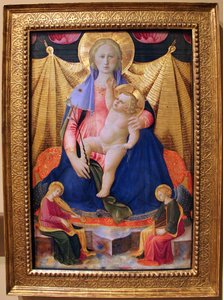
Madonna and Child with Angels
 Oil On Canvas
- WallArt
- Early Renaissance
 1434
1434- Renaissance
 138.0 x 127.0 cm
 Convent of San Marco
 Læs mere
Giclée / Kunsttryk
Giclée- eller lærredstryk i museumskvalitet med hurtig produktion og fleksible muligheder for finish. ( Bestil håndmalet reproduktion Skift til digitalt billede)




P118B Dkr10

P118H Dkr10

P118W Dkr10

P438Z Dkr10

P508JH Dkr12

P508YH Dkr12

P805H Dkr10

P805Z Dkr10

P919BZ Dkr10

P919G Dkr10

P919XJ Dkr10

P959ZH Dkr10

P968JZ Dkr12

W106C Dkr8

W218G Dkr10

W218JH Dkr8

W218Y Dkr10

W307PJ Dkr10

W316G Dkr10

W316PJ Dkr8

W316Y Dkr10

W398PJ Dkr8

W4111J Dkr10

W500HY Dkr15

W500JH Dkr15

W692G Dkr12

W849H Dkr8

W940BG Dkr15

W953PJ Dkr8




Vælg mellem vores forudindstillede størrelser, der matcher kunstværkets originale proportioner.

Indtast den bredde og højde, du har brug for, så det passer til din ramme eller din væg. Et print kan kun beskæres, aldrig gøres større end billedet, så en størrelse med en anden form vil miste en del af motivet. Vi sender dig en digital mockup til godkendelse, før vi printer noget. Billedet vist på denne side viser ikke den faktiske beskæring — det er kun mockuppen, der gør.
Verdensomspændende levering () på 2 uger i stedet for de sædvanlige 4/5 uger. (24 oktober)

Gratis ekspresforsendelse til hele verden

Lærred af linned i høj kvalitet

Komplet transportforsikring

Garanti for refusion af told og importafgifter

Garanti for autentisk farvegengivelse

100 dages returret ved fabrikationsfejl

100% fuld returret

Mængderabat ved flere køb
 Glasmulighed er kun tilgængelig i størrelser under 110 cm

Madonna and Child with Angels
Giclée / Kunsttryk
Reproduktionsstørrelse
-


Samlet pris
Dkr 531
A Vision of Divine Grace: Zanobi Strozzi's Madonna and Child with Angels
To gaze upon this masterpiece by Zanobi Strozzi is to step directly into the luminous heart of the Early Renaissance. The scene unfolds with an almost palpable sense of sacred tranquility, centering on the Virgin Mary cradling the divine presence of the Christ Child. It is more than a mere portrait; it is a profound meditation on motherhood, divinity, and eternal love. Strozzi masterfully captures that delicate balance between earthly tenderness and heavenly majesty. The composition draws the eye immediately to the intimate connection between mother and child, while the surrounding angels act as celestial witnesses, their presence elevating the moment from a private embrace to a universal testament of faith.
Technique and Luminous Detail
Strozzi’s handling of paint speaks volumes about his technical brilliance. The rich, vibrant palette employed throughout the work bathes the figures in an ethereal glow, suggesting both the warmth of human connection and the cool luminescence of divine light. One can observe the meticulous detail in the drapery folds, which fall with a naturalistic weight, contrasting beautifully against the brilliant, golden background. This use of gold is not merely decorative; it functions symbolically, separating the sacred space from the mundane world and suggesting an eternal realm beyond time. The close-up view allows us to appreciate the subtle gradations of color—the soft blush on Mary’s cheek, the gentle curve of Jesus' hand—all rendered with a painterly finesse characteristic of Florentine masters navigating the transition into High Renaissance ideals.
Symbolism and Spiritual Resonance
The symbolism woven into this canvas is deeply rich for the art connoisseur. The prominent cross positioned above the figures serves as an unmistakable anchor to Christian doctrine, reminding the viewer that within this moment of serene beauty lies the promise of sacrifice and resurrection. The angels surrounding the central figures are not just decorative elements; they embody divine protection and guidance, acting as intermediaries between humanity and the heavenly court. For the collector or decorator, owning a reproduction of this piece means acquiring more than just art; it is acquiring a focal point for contemplation—a visual prayer that imbues any room with an atmosphere of profound spirituality and enduring grace.
Historical Context and Enduring Appeal
Painted in 1434, this work places Strozzi at the zenith of his artistic career during Florence's burgeoning Renaissance spirit. While the era was marked by intense humanism and intellectual rebirth, religious devotion remained the bedrock of life. Strozzi’s ability to fuse the emerging naturalism—the believable weight of flesh and fabric—with deeply ingrained spiritual iconography makes this piece timeless. It speaks to a period where art served as both high craft and sacred narrative. For modern admirers, it offers an unparalleled connection to the genius of the Quattrocento masters, providing a breathtaking focal point that whispers tales of faith across the centuries.
Spørgsmål & svar
Er farverne i "Madonna and Child with Angels" af Zanobi Strozzi livlige eller dæmpede?
Farven på "Madonna and Child with Angels" har en mætning på Balanced Soft og en intensitet på Balanced.
Hvem er "Madonna and Child with Angels" af Zanobi Strozzi en god gave til?
Gaveanbefalingen til "Madonna and Child with Angels" af Zanobi Strozzi kombinerer Anniversary med Focal.
I hvilket år blev "Madonna and Child with Angels" af Zanobi Strozzi skabt?
"Madonna and Child with Angels" af Zanobi Strozzi er skabt i 1434.
Om kunstneren
Den florentinske visionær: Livet og eftermælet efter Zanobi Strozzi
I den florentinske renæssances guldalder, hvor lys og skygge begyndte at danse med en nyfundet humanistisk dybde, trådte navnet Zanobi Strozzi frem som en livsvigtig tråd i byens kunstneriske gobelin. Zanobi blev født i 1412 ind i den illustre Strozzi-familie, og hans tidlige liv blev formet af de dybe politiske omvæltninger i Firenze. Selvom hans herkomst forbandt ham med adelen, drev sin fars tidlige død, da Zanobi kun var femten år gammel, ham mod en anden skæbne. Denne periode med personligt tab førte ham ind i det transformative lærlingeforhold under Battista di Biagio Sanguigni, et mentorskab, der med tiden ville forfine hans hånd og indgyde ham den tekniske præcision, der var nødvendig for at mestre den delikate kunst inden for manuskriptillumination og panelmaleri.
Strozzis kunstneriske udvikling var dybt sammenvævet med sin tids åndelige og æstetiske strømninger. Hans mest betydningsfulde forbindelse var dog hans relation til den ærede Fra Angelico. Som elev i denne indflydelsesrige kreds efterlignede Strozzi ikke blot mesteren; han opsugede en dyb følelse af hengivenhed og en lysende tilgang til farver, som skulle blive kendetegn for hans egen stil. Dette forhold muliggjorde en smuk stilistisk sammensmeltning, hvor det æteriske, guddommelige lys, der er karakteristisk for Fra Angelico, mødte Strozzi’s omhyggelige sans for detaljen. Hans arbejde byggede ofte bro mellem de intime, miniatureagtige verdener i illuminerede manuskripter og den storslåede, følelsesladede tilstedeværelse i religiøse altertavler.
Mestring af detaljen og den hengivne skønhed
Omfanget af Strozzi’s talent er mest tydeligt i hans evne til at navigere i forskellige medier med samme ynde. Han var en mester i tempera på panel, et medie der krævede enorm tålmodethed og en rolig hånd for at opnå de levende, juvelagtige toner, man ser i hans religiøse værker. Hans repertoire omfattede flere betydningsfulde altertavler og rørende skildringer af Jomfru og Barn, værker designet til at vække dyb spirituel refleksion hos beskueren. I disse værker benyttede Strozzi den florentinske tidlige renæssancestil til at væve fortællinger om tro, hvor han brugte bløde overgange og indviklede mønstre til at puste liv i de hellige figurer.
Udover de større paneler opnåede Strozzi legendarisk status gennem sine bidrag til manuskriptillumination. Hans evne til at beherske små rum gjorde det muligt for ham at skabe miniatureverdener af en åndeløs kompleksitet. Nogle af hans mest bemærkelsesværdige kunstneriske bedrifter inkluderer:
- Skt. Cosmas og Damian reddet fra drukning: Et mesterværk fra 1435, der indfanger et rørende øjeblik af guddommelig indgriben og fremviser hans evne til at skildre fælles tro og dramatisk bevægelse.
- Skt. Agnes: Skabt i 1448, dette værk eksemplificerer hans evne til at fremstille serene profilportrætter mod svungne, dekorative mønstre, der fremhæver periodens elegance.
- Tidebog til brug i Rom: Et vidnesbyrd om hans dygtighed som illuminator, hvor hvert folio fungerer som et vindue ind i det minutiøse håndværk i det florentinske scriptorium.
Et varigt indtryk på renæssancen
Den historiske betydning af Zanobi Strozzi ligger i hans rolle som en bro mellem den middelalderlige tradition for dekorativ illumination og renæssancens spirende fokus på menneskelig følelse og naturalisme. Selvom meget af hans arbejde var bestemt til privat andagt i Firenzes storslåede residenser, gav hans indflydelse genlyd i byens værksteder. Han var med til at sprede en specifik form for florentinsk skønhed – en der var både intellektuelt stringent og følelsesmæssigt tilgængelig. Gennem hans hænder blev de hellige fortællinger om helgenerne og Jomfru Maria fremstillet med en klarhed og vitalitet, der indfangede selve essensen af Quattrocento-ånden.
Selvom han gik bort i 1468 og efterlod sig en arv præget af bladguld og tempera, forbliver Strozzi et symbol på kunstnerens evne til at finde dyb mening i det mikroskopiske. Hans liv, der var markeret af overgangen fra en adelig forældreløs til en fejret mester, spejler selve transformationen af Firenze: en rejse fra fortidens strukturerede traditioner mod renæssancens lysende, menneskecentrerede genialitet.
Zanobi Strozzi
1412 - 1468 , Italien
Hurtige fakta
- Bemærkelsesværdige Værker:
- Sankt Agnes
- Tidebog til brug i Rom
- Bebudelsen
- Dødsdato: 6. december 1468
- Fulde Navn: Zanobi di Benedetto di Caroccio degli Strozzi
- Fødested: Firenze, Italien
- Fødselsdato: 17. november 1412
- Kunstnere Der Påvirkede Denne Kunstner: ['Fra Angelico']
- Kunstnere Eller Bevægelser Påvirket Af Denne Kunstner: ['Byzantinsk']
- Kunstnerisk Bevægelse Eller Stil: Tidlig renæssance
- Nationalitet: Italiensk renæssance
Relaterede artikler
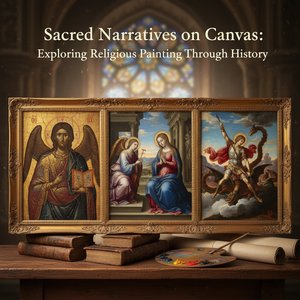
Sacred Narratives on Canvas: Exploring Religious Painting Through History
Explore the rich history of religious painting with OriginalUniqueArt.com! Discover iconic artworks, symbolism & techniques from antiquity to the Renaissance. Enhance your art appreciation today.
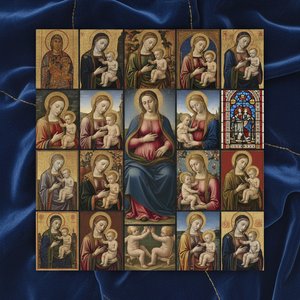
Divine Love: A Curated Guide to the Most Iconic Madonna and Child Masterpieces in Art History
Embark on a sophisticated journey through art history with our curated guide to the most iconic Madonna and Child masterpieces. Discover the profound beauty, theological depth, and enduring legacy of these sacred Renaissance treasures.
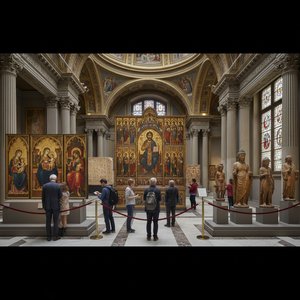
Sacred Narratives Embodied: A Comprehensive Exploration of Religious Iconography in Art History
Explore the rich history of religious iconography in art! Discover symbolism, movements & masterpieces from Byzantine to Renaissance periods. Expert insights for collectors and enthusiasts at OriginalUniqueArt.
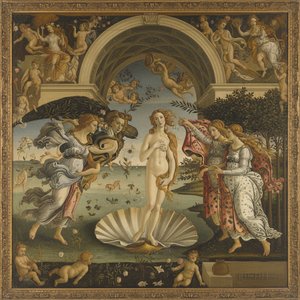
Botticellis 25 Mesterværker: Skønhed, Myter & Renæssancens Ånd | OriginalUniqueArt.dk
Oplev Sandro Botticellis 25 mest ikoniske malerier! Fordyb dig i renæssancens skønhed, mytologi og kunstnerisk genialitet. Find museumskvalitets reproduktioner & inspiration til din bolig på OriginalUniqueArt.com – udforsk samlingen online!
Raphaels 25 Mesterværker: Kunst, Historie & Inspiration til Dit Hjem | OriginalUniqueArt
Oplev Raphaels 25 mest ikoniske værker! Dyk ned i renæssancens kunsthistorie, fra 'Skolen i Athen' til smukke madonna-malerier. Find inspiration & køb museumskvalitets reproduktioner på OriginalUniqueArt.com.