
 Se i fuld skala
 Del
Del Del
Del
 Detaljer

 Download
 Lignende værker
 Røntgenundersøgelse
 Diasshow
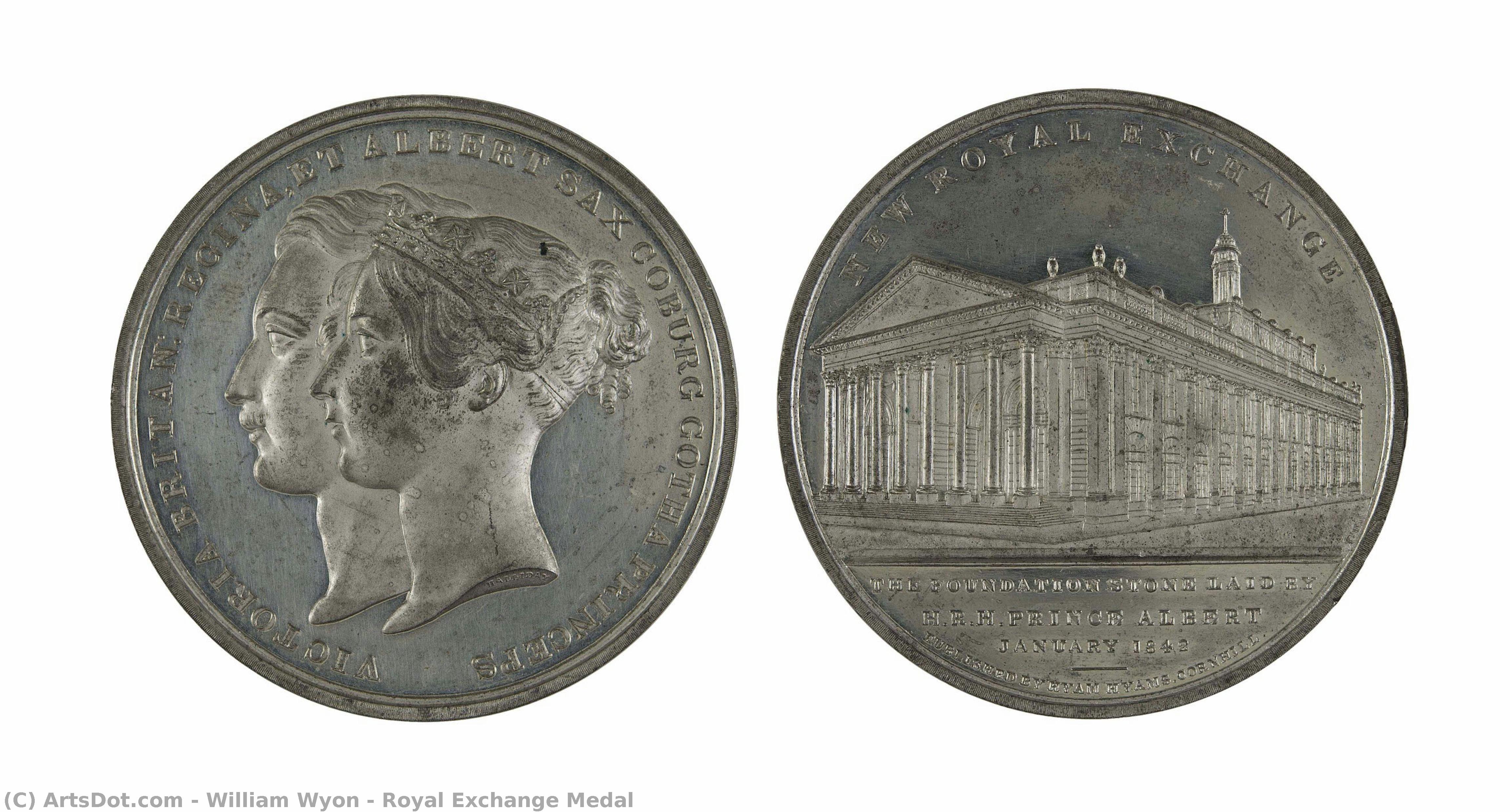
Royal Exchange Medal


 Se mere
Giclée / Kunsttryk
Giclée- eller lærredstryk i museumskvalitet med hurtig produktion og fleksible muligheder for finish. ( Køb håndlavet maleri Køb billede)




P118B $10

P118H $10

P118W $10

P438Z $10

P508JH $12

P508YH $12

P805H $10

P805Z $10

P919BZ $10

P919G $10

P919XJ $10

P959ZH $10

P968JZ $12

W106C $8

W218G $10

W218JH $8

W218Y $10

W307PJ $10

W316G $10

W316PJ $8

W316Y $10

W398PJ $8

W4111J $10

W500HY $15

W500JH $15

W692G $12

W849H $8

W940BG $15

W953PJ $8




Vælg mellem vores forudindstillede størrelser, der matcher kunstværkets originale proportioner.

Du kan indtaste dine egne mål for at passe til en specifik ramme eller et bestemt område. Hvis den valgte størrelse ikke stemmer overens med det originale billedes proportioner, vil vi enten beskære kunstværket eller udvide billedet med en spejlet eller ensfarvet kant. En digital mockup vil blive sendt til din godkendelse, før produktionen påbegyndes.
Bemærk venligst, at forhåndsvisningen på skærmen ikke afspejler den faktiske beskæring eller udvidelse. Kun mockuppen vil nøjagtigt vise den endelige komposition.
Selvom specialmål er tilgængelige, anbefaler vi at vælge et mål fra den foruddefinerede liste for at bevare de originale proportioner.
Verdensomspændende levering () på 2 uger i stedet for de sædvanlige 4/5 uger. (15 august)

Gratis ekspresforsendelse til hele verden

Lærred af linned i høj kvalitet

Fuld transportforsikring

Garanti for refusion af told og importafgifter

Garanti for præcis farvegengivelse

60 dages returret (kun ved fabrikationsfejl)

100% Tilfredshedsgaranti

Mængderabat tilgængelig
 Glasmulighed er kun tilgængelig i størrelser under 110 cm

Royal Exchange Medal
Giclée / Kunsttryk
Størrelse på reproduktion
-


Samlet pris
$ 81
Kunstnerens biografi
William Wyon: The Sculptor of Britannia’s Coinage
William Wyon (1795 – 1851) stands as a monumental figure in British artistic history, primarily recognized for his transformative role at the Royal Mint and his indelible contribution to Victorian coinage. Born in Birmingham, England, into a family steeped in die engraving tradition—his father, Peter Wyon, was himself a respected engraver—Wyon’s early life foreshadowed a lifelong dedication to crafting precision and beauty from metal. He possessed an innate talent for sculpture combined with exceptional technical skill, which would ultimately define his artistic legacy.- Early Life & Training: From Birmingham Die Sinker to Artistic Aspirations
- London Years & Flaxman’s Influence: Studying Under a Master Sculptor
- Royal Mint Career: Shaping Britannia's Image
- Notable Engravings: Coins and Medallions That Defined an Era
- Legacy & Recognition: A Lasting Impact on British Art and Numismatics
Early Life & Training: From Birmingham Die Sinker to Artistic Aspirations
William Wyon’s formative years were spent in Birmingham, where he apprenticed under his father, Peter George Wyon II, a skilled die engraver who operated a family business specializing in producing coins and medals. This upbringing instilled within him not only technical proficiency but also an appreciation for craftsmanship and artistic vision—values that would permeate his entire career. The burgeoning Industrial Revolution provided Birmingham with unparalleled opportunities for innovation and technological advancement, shaping the environment in which Wyon honed his skills. His father’s influence extended beyond mere trade; Peter Wyon II fostered a deep understanding of sculptural techniques and aesthetic principles, laying the groundwork for William's future artistic endeavors.London Years & Flaxman’s Influence: Studying Under a Master Sculptor
Seeking to broaden his artistic horizons, Wyon relocated to London in 1816 where he enrolled at the Royal Academy of Arts and studied under John Flaxman, a celebrated neoclassical sculptor whose work championed idealized forms and moral themes. Flaxman's profound impact on Wyon’s artistic sensibilities is undeniable; he instilled in him a reverence for classical ideals and encouraged experimentation with new sculptural techniques. Flaxman’s emphasis on conveying emotion through form—a cornerstone of neoclassical art—served as an inspiration to Wyon, shaping his approach to portraiture and commemorative sculpture alike. The Academy's rigorous curriculum fostered intellectual curiosity and artistic refinement, equipping Wyon with the tools necessary to excel in his chosen field.Royal Mint Career: Shaping Britannia’s Image
In 1828 William Wyon ascended to the prestigious role of Chief Engraver at the Royal Mint—a position he held until his death in 1851—marking a pivotal moment in British numismatic history. Prior to this appointment, he had served as assistant engraver and gained considerable experience in designing coins for various monarchs. During his tenure, Wyon oversaw the creation of several groundbreaking coin designs, including the second and third effigies of George IV and the portrait of William IV—each meticulously crafted to embody regal dignity and artistic excellence. He championed a revival of neoclassical engraving styles, prioritizing clarity, precision, and harmonious composition. His work elevated British coinage to new heights of aesthetic sophistication, solidifying his reputation as one of the era’s foremost engravers.Notable Engravings: Coins and Medallions That Defined an Era
Wyon's artistic output extended beyond coin design; he produced numerous medals commemorating significant historical events and honoring prominent figures—most notably, the Royal Exchange Medal (1842) celebrating London’s economic prosperity and the St George and Dragon medal (1845), symbolizing England’s martial spirit. His engravings were characterized by remarkable detail and artistic sensitivity, reflecting his mastery of sculptural techniques and his unwavering commitment to conveying emotion through form. The “Young Head” portrait of Victoria—adopted as the coinage emblem from 1838—became an enduring symbol of Victorian Britain, embodying youthful idealism and regal grace. Wyon’s designs captivated collectors worldwide and cemented his place among the most influential artists of the nineteenth century.Legacy & Recognition: A Lasting Impact on British Art and Numismatics
William Wyon's influence resonated throughout British art and numismatic circles for decades after his death. His revival of neoclassical engraving styles inspired subsequent generations of engravers, shaping the visual language of Victorian coinage and contributing to a broader appreciation for classical artistic principles. He was elected a Fellow of the Royal Academy in 1838—a testament to his artistic achievements and scholarly reputation—further solidifying his legacy as one of Britain’s most celebrated sculptors and engravers. His meticulous attention to detail, combined with his unwavering commitment to conveying emotion through form, continues to inspire admiration among art historians and collectors alike. Wyon's enduring contribution to British cultural heritage ensures that his name will forever be associated with the grandeur and beauty of Victorian artistry.
William Wyon
1795 - 1851 , United Kingdom
Kort om kunstneren
- Artistic Movement Or Style: Neoclassicist
- Artists Or Movements Influenced By This Artist: ['George IV Effigies']
- Artists Who Influenced This Artist: ['John Flaxman']
- Date Of Birth: 1795 Birmingham, United Kingdom
- Date Of Death: 1851 Brighton, United Kingdom
- Full Name: William Wyon
- Nationality: British
- Notable Artworks:
- Royal Exchange Medal
- Electrotype featuring St George battling the dragon
- Place Of Birth: Birmingham
Relaterede artikler

William Powell Frith: Narratives of Victorian Society & the Rise of Realist Painting
Explore the life & works of William Powell Frith, the 'greatest British painter of social scenes.' Discover his iconic Victorian genre paintings and learn about his lasting impact on realist art. Hand-painted reproductions available.
R.A. Benjamin Williams: Victorian Genre Painting & Social Commentary
Explore the captivating world of Benjamin Williams Leader's Victorian genre paintings. Discover his mastery of naturalism, social commentary & lasting influence on British art. Expert insights at OriginalUniqueArt.

Henry William Pickersgill: Narrative, Reform & the Victorian Domestic Interior
Explore the life & work of Henry William Pickersgill, a leading Victorian portrait artist. Discover his narrative style, realistic depictions of society, and lasting influence on British art history. Fine art reproductions available at OriginalUniqueArt.
William Collins: A Study in Victorian Narrative Painting & Social Commentary
Explore the captivating world of William Collins (1788-1847), a celebrated Victorian painter known for his charming genre scenes and poignant social commentary. Discover his artistic journey, influences, and lasting legacy with OriginalUniqueArt.

Majesty on Canvas: A Definitive Guide to Iconic Royal Portraits Through Art History
Explore the profound history of royal portraiture. From Baroque grandeur to Victorian elegance, discover how master artists captured power and lineage on canvas through the timeless medium of oil painting.

