 Se i rummet
 Del som kort
 Del
Del
 Detaljer
 Guide
Guide

 Download
 Lignende værker
 Røntgenundersøgelse
 Diasshow
 Q&A
Q&A Statistikker
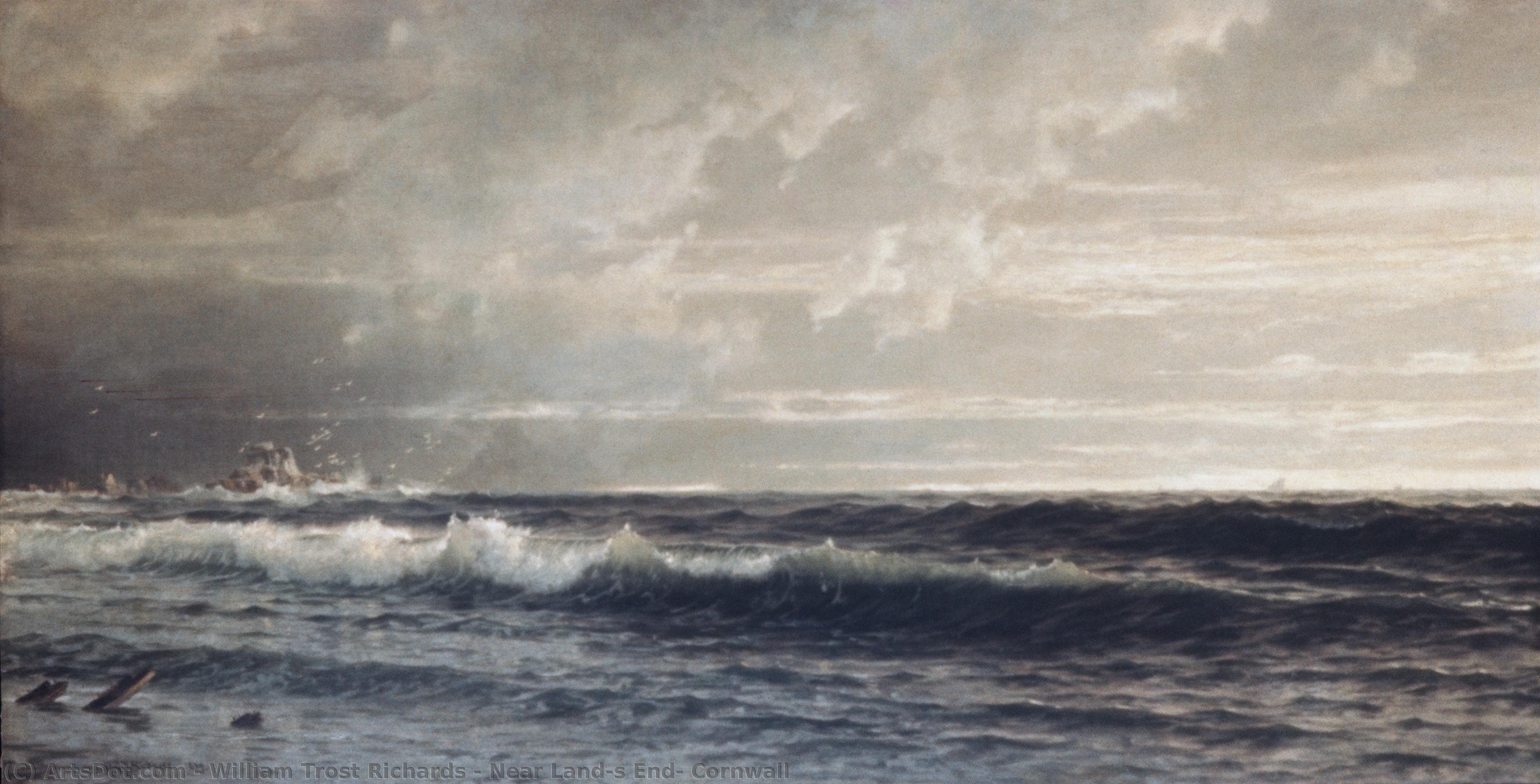
Near Land's End, Cornwall

- 59.0 x 112.0 cm


 Vis mere
Giclée / Kunsttryk
Giclée- eller lærredstryk i museumskvalitet med hurtig produktion og fleksible muligheder for finish. ( Køb håndmalet maleri Skift til digitalt billede)




P118B Dkr10

P118H Dkr10

P118W Dkr10

P438Z Dkr10

P508JH Dkr12

P508YH Dkr12

P805H Dkr10

P805Z Dkr10

P919BZ Dkr10

P919G Dkr10

P919XJ Dkr10

P959ZH Dkr10

P968JZ Dkr12

W106C Dkr8

W218G Dkr10

W218JH Dkr8

W218Y Dkr10

W307PJ Dkr10

W316G Dkr10

W316PJ Dkr8

W316Y Dkr10

W398PJ Dkr8

W4111J Dkr10

W500HY Dkr15

W500JH Dkr15

W692G Dkr12

W849H Dkr8

W940BG Dkr15

W953PJ Dkr8




Vælg mellem vores forudindstillede størrelser, der matcher kunstværkets originale proportioner.

Indtast den bredde og højde, du har brug for, så det passer til din ramme eller din væg. Et print kan kun beskæres, aldrig gøres større end selve billedet, så en størrelse med et andet format vil medføre, at dele af motivet går tabt. Vi sender dig en digital mockup til godkendelse, før vi printer noget. Billedet vist på denne side viser ikke den faktiske beskæring — det er kun mockuppen, der gør.
Verdensomspændende levering () på 2 uger i stedet for de sædvanlige 4/5 uger. (2 november)

Gratis ekspresforsendelse til hele verden

Lærred af linned i høj kvalitet

Fuld transportforsikring

Garanti for refusion af told og importafgifter

Garanti for præcis farvegengivelse

100 dages returret ved fabrikationsfejl

100% fuld returret

Mængderabat ved flere køb
 Glasmulighed er kun tilgængelig i størrelser under 110 cm

Near Land's End, Cornwall
Giclée / Kunsttryk
Størrelse på reproduktion
-


Samlet pris
Dkr 538
A Dramatic Embrace: William Trost Richards’ “Near Land’s End, Cornwall”
William Trost Richards' "Near Land’s End, Cornwall," painted in 1879, isn’t merely a depiction of a coastal scene; it’s an immersive experience. This oil on canvas transports the viewer to the rugged, windswept shores of southwestern England, capturing a moment of raw power and elemental beauty. Richards, a key figure bridging the realism of the Hudson River School with the meticulous detail of Pre-Raphaelite painting, eschewed romanticized vistas in favor of an almost scientific approach to rendering nature’s forces. He sought not to embellish, but to faithfully record the drama unfolding before him – a testament to his dedication to observation and craft.
The composition immediately commands attention with its horizontal format, drawing the eye across the vast expanse of turbulent water. The low horizon line amplifies the scale of the ocean, emphasizing its dominance over the land. Scattered boats in the distance offer a crucial element of human presence, providing a sense of scale and hinting at the lives intertwined with this formidable landscape. A solitary figure on the beach, positioned centrally within the frame, acts as an anchor for the viewer, inviting contemplation about humanity’s relationship to nature's grandeur – a small, vulnerable form confronting the immense power of the sea.
The Language of Light and Color
Dominating the palette is a carefully orchestrated symphony of cool tones: deep blues, steely greys, and shimmering whites. These colors perfectly mirror the overcast sky, creating an atmosphere of brooding intensity. Subtle variations within these hues – hints of warm browns and yellows in the distant landmass – provide a delicate contrast, preventing the scene from becoming overwhelmingly somber. Richards masterfully employs atmospheric perspective; objects receding into the distance appear paler and less distinct, skillfully conveying depth and spatial illusion. The visible brushstrokes, particularly evident in the rendering of the waves and clouds, contribute to a palpable sense of texture and movement.
The artist’s use of dynamic lines is crucial to the painting's impact. The crests of the waves are rendered with energetic, almost frenetic strokes, conveying an undeniable sense of motion and power. These lines aren’t simply decorative; they actively shape the composition, guiding the viewer’s eye through the scene. The shapes themselves – the irregular forms of the waves, clouds, and coastline – feel entirely organic, reflecting Richards' commitment to naturalism rather than idealized representation.
A Study in Detail and Technique
"Near Land’s End, Cornwall" exemplifies Richards’ meticulous technique. He employed short, choppy brushstrokes to capture the frothy texture of the waves, while softer marks were used to depict the billowing clouds. This deliberate layering of paint creates a remarkable sense of depth and volume, allowing the viewer to almost feel the spray of the ocean and the chill of the wind. The painting’s academic realism is further underscored by its evident adherence to 19th-century landscape conventions – a testament to Richards' rigorous training and unwavering dedication to his craft.
Symbolism and Emotional Resonance
Beyond its technical brilliance, “Near Land’s End, Cornwall” evokes a profound sense of awe and perhaps a touch of melancholy. The stormy atmosphere, the relentless crashing waves, and the solitary figure on the beach all contribute to this emotional resonance. It's a painting that speaks to the untamed beauty and inherent power of the Cornish coast – a reminder of humanity’s smallness in the face of nature’s majesty. The scene invites reflection on themes of resilience, vulnerability, and the enduring allure of the wild.
Spørgsmål og svar
I hvilket år og inden for hvilken stilart blev "Near Land's End, Cornwall" skabt?
"Near Land's End, Cornwall" blev skabt i 1879 som et værk inden for Academic Realism-bevægelsen. Datoen og stilen forankrer kunstværket i kunsthistorien.
Hvilken kunstretning tilhører "Near Land's End, Cornwall" af William Trost Richards?
Kunstretningen forbundet med "Near Land's End, Cornwall" af William Trost Richards er Academic Realism. Denne klassificering placerer værket blandt relaterede kunstnere og kunstværker.
Fremstår farverne i "Near Land's End, Cornwall" kraftige eller bløde?
Farverne i "Near Land's End, Cornwall" af William Trost Richards har en Monochromatic intensitet.
Kunstnerbiografi
William Trost Richards: En Meticous Naturfotograf i Farver
William Trost Richards, født i Philadelphia den 14. november 1833, repræsenterer en fascinerende og unik position inden for amerikansk landskabsmaleri. Han var ikke drevet af de dramatiske flair eller romantiserende idealer, der kendetegnede mange af sine samtidige i Hudson River School; i stedet fulgte Richards en næsten videnskabelig loyalitet til naturen, og gengav scener med en præcision og detaljeringsgrad, der nærmest var fotografisk. Hans tidlige liv lagde fundamentet for denne distinkte tilgang. Selvom han blev formelt uddannet på Central High School i Philadelphia, var hans lærlingeposition mellem 1850 og 1855 med den tyske kunstner Paul Weber, kombineret med arbejde som designer af ornamenteret metalarbejde, der indgydte ham en dedikation til omhyggelig håndværksevne og observation. Denne blanding af kunstnerisk uddannelse og praktisk færdighed blev et kendetegn for hans modne stil. Han malede ikke blot hvad han *følte* om naturen; han dokumenterede minutiøst, hvad han *så*.Fra Europæiske Indflydelser til Amerikanske Strande
Richards’ kunstneriske rejse førte ham til Europa i 1853, sammen med andre malere William Stanley Haseltine og Alexander Lawrie. Denne periode viste sig at være skelsættende, idet den udsatte ham for Düsseldorf School of painting – kendt for sine detaljerede landskaber. Men ved sin tilbagevenden til Amerika begyndte Richards at forme en sti, der klart adskilte sig fra traditionen. Han udstillede på Pennsylvania Academy of Fine Arts fra 1852 til 1905, og opnåede anerkendelse inden for det filadelfiensis kunstsamfund. Hans første store offentlige udstilling kom i 1858 med en visning arrangeret af Albert Bierstadt i New Bedford, Massachusetts, hvilket placerede ham, om end vagt, i Hudson River School-traditionen. Alligevel stod hans arbejde stadig adskilt. Mens andre søgte at fange den sublime storhed i naturen, fokuserede Richards på dens intrikate detaljer – teksturen af sten, lysets leg på vandet, den delikate struktur af blade. I 1862 blev han æresmedlem af National Academy of Design og valgt ind i Akademiet i 1871, hvilket cementerede hans position inden for det amerikanske kunstmiljø. Han sluttede sig også til Association for the Advancement of Truth in Art, en American Pre-Raphaelite gruppe, der yderligere understregede hans engagement i realisme og detaljeret observation.White Mountains og Maritime Drømme
Richards er måske mest kendt for sine vandfarvebilleder af White Mountains i New Hampshire. Disse værker, skabt under sommersæsoner tilbragt på østkysten efter hans europæiske ophold, er bemærkelsesværdige for deres næsten kliniske nøjagtighed. Han forsøgte ikke at indgyde en romantisk fortælling i landskabet; han præsenterede det blot som det var – et komplekst samspil af geologiske formationer, vegetation og atmosfæriske forhold. Mange af disse vandfarver findes nu i Metropolitan Museums samling, hvilket er vidnesbyrd om deres vedvarende kunstneriske værdi. Senere i sin karriere skiftede Richards sit fokus næsten udelukkende til maritime scener, især langs kysterne af New Jersey, Maine og Rhode Island. Disse malerier afslører en dyb fascination med havens rytmer – det ubarmhjertige brag af bølgerne, de skiftende mønstre af lys på vandoverfladen, de subtile nuancer af farver i himlen. Han byggede et hus i Jamestown, Rhode Island, i 1881, hvor han boede og arbejdede resten af sit liv, fuldt ud fordybet i den maritime verden, der blev hans primære emne.En Arv af Præcision og Observation
William Trost Richards døde den 8. november 1905 i Newport, Rhode Island, og efterlod sig et værk, der fortsat fanger betragternes opmærksomhed med sin omhyggelige detaljeringsgrad og urokkelige forpligtelse til realisme. Hans indflydelse kan ses i værkerne hos senere kunstnere, der omfavnede en mere objektiv tilgang til landskabsmaleri. Hans afvisning af romantik, hans insisteren på faktuel nøjagtighed og hans mesterlige teknik satte ham adskilt som en unik stemme i amerikansk kunsthistorie. *Han var ikke interesseret i at skabe idealiserede visioner af naturen; han ville gerne fange dens essens med ubarmhjertig ærlighed.* Hans malerier er udstillet i mange prestigefyldte amerikanske museer, herunder National Gallery, Saint Louis Art Museum og Smithsonian American Art Museum, hvilket sikrer, at hans arv vil bestå for kommende generationer. Hans datter, Anna Richards Brewster, fulgte også hans spor som kunstner, hvilket yderligere udvidede familiens kunstneriske bidrag.Yderligere Udforskning
- Opdag mere af Richards’ arbejde på online kunstdatabaser som OriginalUniqueArt.com.
- Dykk dybere ned i hans liv og karriere gennem ressourcer som Wikipedia og Smithsonian Archives of American Art.
- Udforsk værker af kunstnere, der er blevet påvirket af Richards, såsom Enrique Arrigoni og hans datter Anna Richards Brewster.
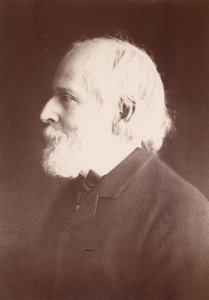
William Trost Richards
1833 - 1905 , USA
Kort om kunstneren
- Artistic Movement Or Style: Hudson River School
- Artists Or Movements Influenced By This Artist: ['Anna Richards Brewster']
- Artists Who Influenced This Artist:
- Paul Weber
- Albert Bierstadt
- Date Of Birth: 14. november 1833
- Full Name: William Trost Richards
- Nationality: Amerikaner
- Notable Artworks:
- Lago Avernus
- Woodland Landscape
- Place Of Birth: Philadelphia, USA
Relaterede artikler
William Trost Richards: Luminism, Spirituality & the American Landscape Tradition
Explore the captivating landscapes of William Trost Richards, a master of Luminism associated with both the Hudson River School & American Pre-Raphaelite movements. Discover his spiritual connection to nature and lasting influence on American art.
Capturing Stillness: A Curated Exploration of the Most Iconic Lake Landscapes in Art History
Journey through art history's most serene lake landscapes. From Romantic vistas to light-drenched Impressionist waters, discover the stories behind these iconic masterpieces and find museum-quality, hand-painted oil reproductions for your private collection.

Evocations of Place: A Historical Journey Through Landscape Art
Explore the rich history of landscape art with OriginalUniqueArt. Discover renowned artists, movements like Impressionism & Romanticism, and expert guidance for collecting timeless pieces. Find your perfect serene escape today!

Romantikkens Landskaber: Top 10 Malerier der Definerede En Æra | OriginalUniqueArt
Oplev romantikkens storhedstid! Dyk ned i top 10 landskabsmalerier af Caspar David Friedrich, Turner & Constable. Historiske fortællinger og museumskvalitets reproduktioner på OriginalUniqueArt.com – find din inspiration til væggen her!

Evocations of Place: A Historical Journey Through Landscape Art
Explore the rich history of landscape art with OriginalUniqueArt. Discover renowned artists, movements like Impressionism & tonalism, and expert guidance for collecting timeless pieces. Find your perfect serene escape today!