- Hjem

- Tryk på lærred
- william h snape
- Landscape

 Preview
 Bestil maleri Køb højopløseligt billede
 Del
Del
 Del
Del
 Detaljer
 Tilføj til favoritter

 Download
 Lignende værker
 Røntgenundersøgelse
 Diasshow
Landscape
 Impressionism
 1887
1887 53.0 x 29.0 cm
 Se mere
Giclée / Kunsttryk
Giclée- eller lærredstryk i museumskvalitet med hurtig produktion og fleksible muligheder for finish.




































Vælg mellem vores forudindstillede størrelser, der matcher kunstværkets originale proportioner.

Du kan indtaste dine egne mål for at passe til en specifik ramme eller et bestemt område. Hvis den valgte størrelse ikke stemmer overens med det originale billedes proportioner, vil vi enten beskære kunstværket eller udvide billedet med en spejlet eller ensfarvet kant. En digital mockup vil blive sendt til din godkendelse, før produktionen påbegyndes.
Bemærk venligst, at forhåndsvisningen på skærmen ikke afspejler den faktiske beskæring eller udvidelse. Kun mockuppen vil nøjagtigt vise den endelige komposition.
Selvom specialmål er tilgængelige, anbefaler vi at vælge et mål fra den foruddefinerede liste for at bevare de originale proportioner.
Verdensomspændende levering () på 2 uger i stedet for de sædvanlige 4/5 uger. (23 juli)

Gratis ekspresforsendelse til hele verden

Lærred af linned i høj kvalitet

Fuld transportforsikring

Garanti for refusion af told og importafgifter

Garanti for præcis farvegengivelse

60 dages returret (kun ved fabrikationsfejl)

100% Tilfredshedsgaranti

Mængderabat tilgængelig
 Glasmulighed er kun tilgængelig i størrelser under 110 cm

Landscape
Giclée / Kunsttryk
Størrelse på reproduktion
-


Samlet pris
-
Kunstnerens biografi
William H Snape: Bridging Science and Art – A Legacy of Observation
William H Snape (born 1860, Oxford, Oxfordshire) stands as an intriguing figure at the intersection of scientific inquiry and artistic expression. While primarily recognized for his landscapes—particularly those depicting the Cotswolds region—his life was profoundly shaped by a dedication to pathology and immunology, ultimately informing his artistic vision with meticulous detail and a deep appreciation for natural phenomena. Snape’s formal education began at Magdalen College School, Oxford, where he excelled in mathematics and science before pursuing studies at Somerville College, Cambridge – an institution renowned for its pioneering role in educating women. This formative experience instilled within him a rigorous analytical mind coupled with a fascination for the intricacies of biological processes. He graduated summa cum laude with honors in Natural Sciences, laying the groundwork for his subsequent career as a physician specializing in immunology and pathology. His medical practice focused on researching tuberculosis, contributing significantly to advancements in understanding its pathogenesis and developing innovative diagnostic techniques. Notably, Snape played a pivotal role in establishing The Sir William Dunn School of Pathology at Oxford University – a landmark achievement that cemented Oxford’s reputation as a global leader in biomedical research. This institution continues to conduct groundbreaking investigations into immune responses and disease mechanisms, carrying forward Snape's commitment to scientific discovery. Despite his professional pursuits, Snape maintained an unwavering passion for painting, dedicating considerable time and effort to capturing the beauty of the English countryside. Influenced by Impressionism – particularly Claude Monet’s explorations of light and color – Snape developed a distinctive style characterized by atmospheric perspective, subtle tonal gradations, and a remarkable ability to convey mood and emotion through his canvases. His landscapes are celebrated for their luminous quality and precise rendering of textures—from the velvety mosses of damp woodlands to the golden hues of autumnal grasses. Among Snape’s most acclaimed works include “Landscape” (1887), housed in the William Morris Gallery, Waltham Forest, London. This painting exemplifies his mastery of Impressionistic technique, capturing a breathtaking vista of Cotswold hills bathed in diffused sunlight. The composition is balanced and harmonious, reflecting Snape's meticulous attention to detail—evident in the subtle variations of color and tone that imbue the scene with palpable warmth and serenity. Critics lauded Snape’s ability to distill complex scientific observations into evocative artistic representations, demonstrating a remarkable synergy between intellect and imagination. His legacy extends beyond his contributions to medicine and art; Snape's unwavering belief in observation—a cornerstone of both disciplines—served as inspiration for generations of artists and scientists alike. He championed the importance of meticulous study and careful documentation as pathways to understanding the natural world, leaving an indelible mark on Oxford’s intellectual heritage and enriching the artistic landscape of Victorian Britain. William H Snape remains a testament to the transformative power of pursuing knowledge across diverse fields—a true humanist whose life's work embodies the enduring values of curiosity, precision, and aesthetic appreciation.
Kort om kunstneren
- Artistic Movement Or Style: Impressionism
- Artists Or Movements Influenced By This Artist: ['Post-Impressionism']
- Artists Who Influenced This Artist: ['Claude Monet']
- Date Of Death: Living
- Full Name: William H Snape
- Nationality: British
- Notable Artworks: ['Landscape']
- Place Of Birth: Oxford, United Kingdom
Relaterede artikler

Concrete Visions: Exploring the Urban Landscape in Painting – From Realism to Contemporary Art
Explore the evolution of cityscape painting from Realism to contemporary art with OriginalUniqueArt. Discover key artists & invest in timeless urban visions. Expert guidance, museum-quality reproductions.
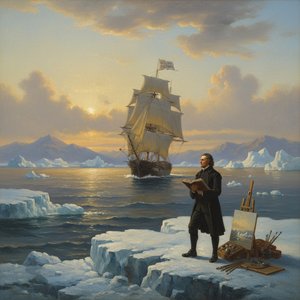
William Bradford: Navigating Faith, Landscape & Artistic Innovation in Early American Painting
Explore the captivating world of William Bradford, American Romanticist painter renowned for his dramatic Arctic seascapes & ship portraits. Discover his artistic evolution, influences, and lasting legacy with OriginalUniqueArt.

Impressionismens Mestre: Top 10 Landskaber der Ændrede Kunsten | OriginalUniqueArt.dk
Oplev impressionismens magi! Dyk ned i top 10 landskabsmalerier af Monet, Renoir & Van Gogh. Lær historien bag mesterværkerne og find inspiration til din indretning med OriginalUniqueArt.dk – køb kunst online.
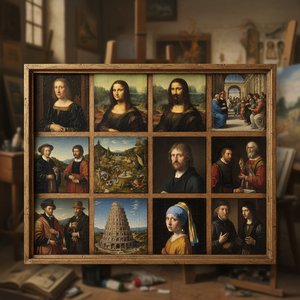
Olie på panel: 10 mesterværker der ændrede kunsthistorien – OriginalUniqueArt.com
Oplev 10 legendariske oliemalerier på panel, der revolutionerede kunsthistorien! Fra renæssancens mesterværker til barokkens pragt. Lær om kendte kunstnere og find inspiration til dit hjem med OriginalUniqueArt.coms eksklusive reproduktioner. Udforsk samlingen online!

William James Müller: Navigating Victorian Sentiment & Realism in British Landscape Painting
Explore the captivating landscapes of William James Müller, the leading artist of the Bristol School. Discover his Victorian masterpieces, Egyptian travels & Lycian sketches – a journey through 19th-century art and technique.

