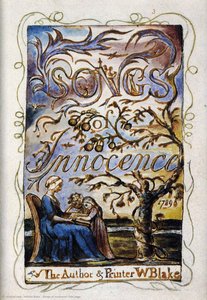
Se i rummet
 Send
Send Del
Del
 Detaljer
 Studieguide til kunstværker

 Download
 Lignende værker
 Røntgenundersøgelse
 Se diasshow
 Statistik
Hecate or the Three Fates
 Acrylic On Canvas
- WallArt
- Romanticism
 1795
1795 439.0 x 581.0 cm
 Tate Britain
 Læs mere
Håndlavet oliereproduktion
Håndmalet olie på lærred i din valgte størrelse og ramme, udført efter bestilling af vores kunstnere. ( Skift til printversion Skift til digitalt billede)




P118B Dkr10

P118H Dkr10

P118W Dkr10

P438Z Dkr10

P508JH Dkr12

P508YH Dkr12

P805H Dkr10

P805Z Dkr10

P919BZ Dkr10

P919G Dkr10

P919XJ Dkr10

P959ZH Dkr10

P968JZ Dkr12

W106C Dkr8

W218G Dkr10

W218JH Dkr8

W218Y Dkr10

W307PJ Dkr10

W316G Dkr10

W316PJ Dkr8

W316Y Dkr10

W398PJ Dkr8

W4111J Dkr10

W500HY Dkr15

W500JH Dkr15

W692G Dkr12

W849H Dkr8

W940BG Dkr15

W953PJ Dkr8




Vælg mellem vores forudindstillede størrelser, der matcher kunstværkets originale proportioner.

Indtast den bredde og højde, du har brug for, så det passer til din ramme eller din væg. Da dette er håndmalet, kan kunstneren ved en anden form på størrelsen male lidt mere rundt om billedet eller skære lidt væk — det er op til dig. Vi sender dig et digitalt mockup til godkendelse, før maleriet påbegyndes. Billedet, der vises på denne side, viser ikke det endelige resultat — det er kun mockuppet, der gør.
Efter bestilling vil OriginalUniqueArt.com team sende en e-mail til kunden for at indhente instruktioner og fremsende et udkast til gennemgang.
Levering i hele verden () på 3-4 uger i stedet for de standard 5 uger. (22 oktober). Ingen kompromiser med kvaliteten.

Gratis ekspresforsendelse til hele verden

Lærred af linned i høj kvalitet

Komplet transportforsikring

Garanti for refusion af told og importafgifter

Garanti for autentisk farvegengivelse

100 dages returret ved fabrikationsfejl

100% fuld returret

Mængderabat ved flere køb
 Glasmulighed er kun tilgængelig i størrelser under 110 cm

Hecate or the Three Fates
Reproduktionsmateriale
Reproduktionsstørrelse
-


Samlet pris
Dkr 1957
A Haunting Vision: William Blake’s “Hecate or the Three Fates”
William Blake's "Hecate or the Three Fates," painted in 1795, is not merely a depiction of figures; it’s an immersion into a profoundly layered and intensely personal vision. This arresting image, measuring a substantial 439 x 581 cm, transcends simple representation to become a potent exploration of fate, mortality, and the intertwined realms of the material and spiritual. The painting immediately draws the viewer in with its somber palette – predominantly blacks and deep browns – punctuated by the stark white of the seated woman’s garments and the luminous presence of the owl perched high above. It's a scene steeped in atmosphere, radiating an almost palpable sense of melancholy and quiet contemplation.
Blake’s technique is immediately recognizable: a masterful blend of drawing and printmaking, executed with a remarkable degree of detail despite the painting’s relatively small scale. The figures are rendered with a meticulousness that borders on obsessive, each line and shadow carefully considered to convey texture and form. Notice particularly the intricate folds of the woman's clothing, the delicate rendering of the dog’s fur, and the almost sculptural quality of the rock formation upon which the owl rests. This hybrid approach—drawing as the foundation, then embellished with a painterly hand—was characteristic of Blake’s practice, allowing him to simultaneously control both the precision of line and the expressive potential of color.
Decoding the Mythic Narrative
The subject matter itself is rich in mythological resonance. “Hecate,” the Greek goddess of magic, witchcraft, crossroads, and ghosts, is central to the composition. She’s often depicted as a three-faced figure, and here, we see her represented by the Three Fates – Clotho (spinner of fate), Lachesis (measurer of destiny), and Atropos (cutter of life). The woman seated in the lap, seemingly lost in contemplation, is widely interpreted to be Death herself, offering a glimpse into the inescapable nature of fate. The presence of the dog, traditionally associated with loyalty and guardianship, suggests a connection between earthly bonds and the cyclical nature of existence.
The books scattered throughout the scene are significant symbols as well. They represent knowledge, wisdom, and the pursuit of understanding – yet their placement also hints at the limitations of human intellect when confronted with the mysteries of fate and mortality. The owl, a creature often linked to prophecy and wisdom in Blake’s work, perches atop the rock, acting as a silent observer, a guardian of secrets, and perhaps even a messenger from the otherworld.
Romanticism and the Inner Landscape
“Hecate or the Three Fates” is firmly rooted within the Romantic movement, a period characterized by an intense focus on emotion, imagination, and the individual’s subjective experience. Blake was a key figure in this artistic revolution, rejecting the Enlightenment's emphasis on reason and embracing instead the power of intuition and visionary insight. This painting exemplifies that shift—it isn’t concerned with objective representation but rather with conveying a deeply felt emotional state and exploring the complexities of the human psyche.
Painted during a period of intense personal and spiritual searching for Blake, this work reflects his fascination with alchemy, mythology, and esoteric knowledge. He believed in a profound interconnectedness between all things—the material world and the spiritual realm—and sought to express this unity through his art. “Hecate or the Three Fates” is therefore not just a beautiful image; it’s a window into Blake's intensely personal worldview, offering a glimpse of his unique vision of the universe.
Bringing the Vision Home: A OriginalUniqueArt Reproduction
OriginalUniqueArt.com offers meticulously crafted hand-painted reproductions of William Blake’s “Hecate or the Three Fates,” allowing you to experience this iconic artwork in stunning detail and vibrant color. Our skilled artisans replicate Blake's intricate technique, capturing the painting’s atmospheric depth and symbolic richness with unparalleled accuracy. Available on canvas, linen, and archival paper, our reproductions are designed for lasting beauty and preservation.
- Authentic Detail: Each reproduction is created by hand, ensuring a level of fidelity that cannot be achieved through digital printing.
- Premium Materials: We use only the finest archival-quality materials to guarantee long-lasting color and vibrancy.
- Multiple Sizes & Finishes: Choose from a range of sizes and finishes to perfectly complement your space and style.
- A Window into Genius: Own a piece of art history and bring the visionary world of William Blake into your home.
Explore our selection of “Hecate or the Three Fates” reproductions today and discover the enduring power of this remarkable painting. (Click here to view available options)
Spørgsmål & svar
Hvilken kunstretning tilhører "Hecate or the Three Fates" af William Blake?
"Hecate or the Three Fates" er et værk fra Romanticism. Denne stilart angiver den kunstneriske tradition, som værket indgår i.
Hvor kraftige er farverne i "Hecate or the Three Fates"?
"Hecate or the Three Fates" af William Blake er gengivet med en Muted mætning og en Monochromatic intensitet.
Hvilke motiver optræder i "Hecate or the Three Fates" af William Blake?
"Hecate or the Three Fates" af William Blake forestiller: mythology, fate, women, owls, books, london, visionary.
Om kunstneren
William Blake (1757–1827): En Visionärs Färd
William Blake, född i London den 28 november 1757, var en figur som förblött steg över sin tid, ändå bestående av att bli en av romantikens mest hyllade konstnärer och poeter. Hans liv utspelades mot bakgrunden av ett snabbt förändrande England – en värld kämpandes med industrialisering, politisk uppror och skiftande religiösa övertygelser. Från enkla början som son till en hosier var hans tidiga år präglade av en intensivt livlig fantasi och en benägenhet för visionära erfarenheter som skulle djupgående påverka hans konstnärliga bana. Även om han i stort sett självlärt inom formella akademiker fick han teckningsinstruktion i ung ålder och avslöjade snabbt ett talent som antydde den extraordinära vägen framför honom. Hans lärlingskap med graverare James Basire var avgörande, vilket gav honom inte bara teknisk maestri utan också en förståelse för trycktekniker han senare revolutionerade. Dessa tidiga influenser – Westminster Abbey:s gotiska prakt och Rafael och Michelangelos klassiska former – tjänade som grundläggande element i hans utvecklande estetik, även om Blake aldrig var någon att hålla sig bunden av konvention.Teknik och Innovation: Illuminerad Tryckning
Blakes konstnärliga innovation låg inte bara i ämnet utan fundamentalt i *hur* han skapade. Missnöjd med konventionella graveringstekniker utvecklade han en unik metod kallad ”illuminerad tryckning”. Detta innebar att både text och illustration etsades på kopparplattor och sedan färglades plattorna för hand – ett arbetsamt men djupt personligt tillvägagångssätt som gjorde det möjligt för honom att uppnå fullständig konstnärlig kontroll. Detta var inte bara illustration som följde poesi utan en integrerad konstform där bild och vers var oskiljaktigt sammanlänkade, varje förstärkande betydelsen av den andra. Hans reliefetsningsteknik född från ett påstått visionärt möte efter sin brors död skiljde ytterligare hans verk åt och gav det en distinkt textil kvalitet samt större konstnärlig frihet än traditionella metoder. Detta var inte bara ett sätt att skapa bilder utan också ett sätt att förmedla komplexa idéer och känslor genom ett medium som kombinerade visuellt och litterärt uttryck. Han var pionjär inom tryckteknik och utvecklade en teknik som skiljde sig från andra konstnärer av sin tid, vilket gjorde hans verk till något verkligen speciellt. Detta var särskilt viktigt eftersom det möjliggjorde honom att skapa bilder som inte bara berättade historier utan också väckte känslor och uppmanade till reflektion.Första Inspirationskällorna: Gotik och Klassicism
Blakes konstnärliga utveckling påverkades starkt av de estetiska ideal som rådde i hans tid. Han studerade intensivt verk från stora mästare som Michelangelo och Raphael, vilket gav honom en grundläggande förståelse för klassisk komposition och användning av ljus och skugga. Dessa influenser märktes särskilt i hans tidiga målningar och illustrationer där han försökte återskapa den majestätiska atmosfären hos Westminster Abbey och återuppliva klassisk elegans. Detta var inte bara ett estetiskt val utan också ett sätt att väcka uppmärksamheten kring viktiga frågor om konstnärlig stil och teknik. Han ville skapa bilder som skulle vara både vackra och betydelsefulla, vilket återspeglade hans egen världsbild och hans förståelse för människans plats i universum. Dessa första influenser gav honom verktyg för att skapa konst som var både tekniskt avancerad och känslomässigt engagerande – något som skulle komma att präga hela hans konstnärliga karriär.Songs of Innocence & Experience: En Kontrastfull Vision
Blakes första stora verk, *Songs of Innocence & Experience* (1794), är ett exempel på denna kontrastfyllda vision. Samlingen presenterar två världsbilder som är diametralt motsatta – en värld av oskuld och renhet där barnen lever i harmoni med naturen och gudomligheten, och en värld av erfarenhet och korruption där människan förtrodda av sina impulser och begär efter makt förlorar kontakten med sin egen moral. Dessa dikter är skrivna med ett språk som är både enkelt och poetiskt och använder symboliska bilder för att förmedla komplexa idéer om rättvisa, kärlek och ansvar. Detta var inte bara berättelser utan också en utforskning av människans psykologi och religiösa övertygelse – något som skulle komma att påverka många senare konstnärer och författare. Blakes användning av språk och bildspråk är innovativ och känslomässigt laddad, vilket gör hans verk till ett mästerverk inom romantisk poesi. Han ville skapa dikter som skulle väcka uppmärksamheten och stimulera tanken – något som han lyckades med på ett sätt som var ovanligt för sin tid. Detta är särskilt tydligt i användningen av allegoriska figurer och berättelser där Blakes mål var att förmedla viktiga moraliska och filosofiska budskap till sina läsare.Eftermäle: Ett Förnyande Av Konstnärlig Stil
William Blake var en konstnär som skiljde sig från sina samtida på många sätt. Han vägrade följa konventionella estetiska regler och utvecklade en egen stil som präglades av fantasi, symbolik och ett starkt engagemang för religiösa och filosofiska idéer. Detta är något som skulle komma att inspirera senare konstnärer och författare och skapa ett verk som fortsätter att vara relevant än idag. Hans konstverk är inte bara tekniskt imponerande utan också känslomässigt djupgående och erbjuder en unik perspektiv på människans plats i världen. Han var en pionjär inom konstnärlig stil och utvecklade ett sätt att skapa bilder som skiljde sig från andra konstnärer av sin tid – något som skulle komma att påverka hela den romantiska rörelsen och skapa ett verk som fortsätter att inspirera oss än idag. Detta är särskilt tydligt i användningen av komplexa symboler och berättelser där Blakes mål var att förmedla viktiga moraliska och filosofiska budskap till sina läsare och skapa konstverk som skulle vara både vackra och betydelsefulla.
William Blake
1757 - 1827 , Storbritannien
Hurtige fakta
- Artistic Movement Or Style: Romantikken
- Artists Who Influenced This Artist:
- Rafael
- Michelangelo
- Date Of Birth: 1757
- Date Of Death: 1827
- Full Name: William Blake
- Nationality: Britisk
- Notable Artworks:
- Sange om Uskyld og Erfaring
- Ægteskab mellem Himmel og Helvede
- Tyggen
- Jerusalem
- Place Of Birth: London, UK
Relaterede artikler
John Varley I: Intimate Observation & the British Romantic Landscape
Explore the serene landscapes of John Varley I, a key figure in British Romanticism. Discover his unique watercolour style, collaboration with William Blake & lasting artistic legacy. Learn about collecting Varley's work.

Romantic Realism's Finest: 10 Masterpieces for Your Home | OriginalUniqueArt
Explore 10 defining masterpieces of Romantic Realism! Discover Courbet, Millet & Daumier's powerful paintings—capturing emotion and social realities. Find museum-quality reproductions for your home at OriginalUniqueArt.com.
William Blake: Romantic Visionary & Mystical Genius of the Imagination
Explore the mystical art & poetic genius of William Blake (1757-1827). Discover his revolutionary illuminated printing, rich symbolism, and lasting influence on Romanticism. Find handmade reproductions at OriginalUniqueArt.

Sir William Blake Richmond: A Visionary of Aestheticism & Symbolism
Explore the life & art of Sir William Blake Richmond, a pivotal figure bridging Pre-Raphaelitism and Aestheticism. Discover his stunning portraits, mosaics at St Paul's Cathedral, and lasting influence on Victorian art.
Echoes of Olympus: Mythological Narratives in Western Art Through the Ages
Explore the captivating history of mythological narratives in Western art! From ancient Greece to modern masterpieces, discover iconic artworks & symbolism. Expert analysis and high-quality reproductions at OriginalUniqueArt.