

 Se i rummet
 Send
Send Del
Del
 Detaljer
 Studieguide til kunstværker

 Download
 Lignende værker
 Røntgenundersøgelse
 Se diasshow
 Statistik
Dante and Virgil
 Oil On Canvas
- WallArt
- Academic Realism
 1850
1850 2250.0 x 2810.0 cm
 Musée d'Orsay
 Læs mere
Giclée / Kunsttryk
Giclée- eller lærredstryk i museumskvalitet med hurtig produktion og fleksible muligheder for finish. ( Bestil håndmalet reproduktion Skift til digitalt billede)




P118B Dkr10

P118H Dkr10

P118W Dkr10

P438Z Dkr10

P508JH Dkr12

P508YH Dkr12

P805H Dkr10

P805Z Dkr10

P919BZ Dkr10

P919G Dkr10

P919XJ Dkr10

P959ZH Dkr10

P968JZ Dkr12

W106C Dkr8

W218G Dkr10

W218JH Dkr8

W218Y Dkr10

W307PJ Dkr10

W316G Dkr10

W316PJ Dkr8

W316Y Dkr10

W398PJ Dkr8

W4111J Dkr10

W500HY Dkr15

W500JH Dkr15

W692G Dkr12

W849H Dkr8

W940BG Dkr15

W953PJ Dkr8




Vælg mellem vores forudindstillede størrelser, der matcher kunstværkets originale proportioner.

Indtast den bredde og højde, du har brug for, så det passer til din ramme eller din væg. Et print kan kun beskæres, aldrig gøres større end billedet, så en størrelse med en anden form vil miste en del af motivet. Vi sender dig en digital mockup til godkendelse, før vi printer noget. Billedet vist på denne side viser ikke den faktiske beskæring — det er kun mockuppen, der gør.
Verdensomspændende levering () på 2 uger i stedet for de sædvanlige 4/5 uger. (25 oktober)

Gratis ekspresforsendelse til hele verden

Lærred af linned i høj kvalitet

Komplet transportforsikring

Garanti for refusion af told og importafgifter

Garanti for autentisk farvegengivelse

100 dages returret ved fabrikationsfejl

100% fuld returret

Mængderabat ved flere køb
 Glasmulighed er kun tilgængelig i størrelser under 110 cm

Dante and Virgil
Giclée / Kunsttryk
Reproduktionsstørrelse
-


Samlet pris
Dkr 531
A Descent Into Beauty: Bouguereau’s “Dante and Virgil”
William-Adolphe Bouguereau's "Dante and Virgil," painted in 1850, isn’t merely a depiction of a scene from Dante Alighieri’s *Inferno*; it’s an immersive experience—a carefully constructed tableau designed to evoke both terror and profound beauty. This monumental work, now housed within the Musée d'Orsay in Paris, stands as a testament to Bouguereau’s unique ability to fuse classical ideals with a strikingly modern sensibility, capturing the raw emotional power of Dante’s journey through Hell. The painting immediately commands attention, not just for its scale – a commanding 2250 x 2810 cm – but for the sheer drama and intensity radiating from the canvas.
At the heart of the composition are Dante and Virgil, rendered with an almost sculptural quality. Bouguereau masterfully exaggerates their musculature, pushing the forms to a point where they border on the theatrical, yet never sacrificing anatomical accuracy. This deliberate distortion isn’t simply stylistic; it serves to amplify the violence and struggle unfolding before them. The figures are bathed in a carefully orchestrated interplay of light and shadow – a technique heavily influenced by Romantic artists like Blake and Füssli – creating a *terribilita*, a sense of awe mixed with horror, that permeates the entire scene. Notice how the crimson hues dominate, not just in the swirling vortexes of Hell but also in the very flesh of the combatants, hinting at the inescapable consequences of sin.
The Inferno’s Spectacle: Composition and Symbolism
Bouguereau meticulously recreates a specific episode from Dante's eighth circle – the torment of Capocchio and Gianni Schicchi. These two figures, representing an alchemist and a fraudulent claimant to inheritance respectively, are locked in a brutal struggle, their faces contorted with rage and despair. The surrounding figures, shadowy masses of damned souls, contribute to the overwhelming sense of chaos and punishment. The inclusion of these monstrous forms isn’t gratuitous; it's integral to conveying the thematic core of *Inferno* – the inescapable nature of sin and its eternal repercussions. Beyond the immediate narrative, the painting operates on a symbolic level. The laurel wreath adorning Dante’s head is a clear reference to his status as a poet, linking him directly to the tradition of epic storytelling and moral judgment.
A Masterclass in Technique – Color, Light, and Detail
Bouguereau's technical prowess is undeniable. He employed a meticulous layering technique, building up color and detail with astonishing precision. The smooth, polished surfaces characteristic of his style create an almost luminous effect, particularly noticeable in the rendering of skin tones and fabrics. The artist’s use of color isn’t merely descriptive; it’s emotionally charged. The deep reds and browns evoke heat, fire, and blood, while subtle variations in tone suggest depth and volume. Furthermore, Bouguereau's ability to capture fleeting expressions—the anguish on Dante’s face, the fury in Capocchio’s eyes—adds a layer of psychological complexity to the scene. The attention to detail extends to every element, from the folds of their garments to the texture of the ground beneath them, creating an incredibly immersive and believable depiction of Hell.
Echoes of the Past, Visions for the Future
"Dante and Virgil" represents a pivotal moment in Bouguereau’s artistic development. Initially conceived as a submission for the prestigious Prix de Rome, it garnered both praise and criticism. Théophile Gautier recognized its “bitterness and strength,” but the painting ultimately failed to secure the coveted award. Despite this setback, it solidified Bouguereau's reputation as a leading figure in the French art world and cemented his commitment to portraying idealized beauty with an unflinching gaze. Today, reproductions of this powerful work offer a unique opportunity to experience the drama and emotional resonance of Dante’s *Inferno* within the comfort of one’s own space. At OriginalUniqueArt.com, we meticulously recreate every nuance of Bouguereau's original masterpiece, ensuring that art lovers can appreciate the enduring beauty and profound symbolism of “Dante and Virgil.”
Spørgsmål & svar
Hvor intense er farverne i "Dante and Virgil" af William-Adolphe Bouguereau?
"Dante and Virgil" af William-Adolphe Bouguereau fremviser en Monochromatic farveintensitet.
Hvordan spiller farverne i "Dante and Virgil" sammen med hinanden?
"Dante and Virgil" af William-Adolphe Bouguereau fremviser en Balanced Harmony farveharmoni.
Hvad forestiller "Dante and Virgil" af William-Adolphe Bouguereau, og hvilken stemning formidler det?
"Dante and Virgil" af William-Adolphe Bouguereau skildrer dante, virgil, hell, divine comedy, struggle, torment, demons, beauty i en Dramatic stemning. Motiv og atmosfære beskriver tilsammen værket.
Om kunstneren
William-Adolphe Bouguereau: En Maler af Klassisk Skønhed
William-Adolphe Bouguereau, født i La Rochelle i 1825 og død i 1905 samme sted, var en fransk maler, der er dybt forbundet med den akademiske klassicisme og den klassiske realisme. Hans liv var en konstant søgen efter skønhed, formet af tidlige oplevelser i det landlige Frankrig og en dedikeret uddannelse i Paris’ prestigefyldte kunstakademi. Bouguereau var ikke blot en maler; han var en arkitekt af billeder, der med præcision og følelse forsøgte at fange essensen af den klassiske idealisme. Hans værker er et vidnesbyrd om hans evne til at forfine det visuelle til en form for æstetisk perfektion.Tidlige År og Kunstnerisk Uddannelse
Bouguereau voksede op i La Rochelle, omgivet af vinmarker og olivenlunde – et miljø der tilsyneladende lagde grundlaget for hans senere fokus på naturlig skønhed. Han viste tidligt en talentfuld interesse for kunst, hvilket førte til hans optagelse på École des Beaux-Arts i Paris. Her blev han undervist af François-Edouard Picquet, hvor han perfektionerede sine færdigheder og absorberede lærdommene fra de gamle mestere – især Raphael og Titian. Disse mestre var ikke blot modeller for Bouguereau; de blev fundamentet for hans egen unikke kunstneriske vision, der karakteriseres af omhyggelig detalje, lysende farvepaletter og en urokkelig dedikation til at portrættere skønhed i dens mest idealiserede form. Han forsøgte ikke blot at male det, han så, men det, han mente var iboende smukt – et strejbskab efter en perfektion, der resonerede med den æstetiske sansning af hans tid.Den Akademiske Stil og Portrætteringen af Skønhed
Bouguereau er kendt for sin akademiske realisme, en stil præget af en uovertruffen mesterskab i anatomi, lys og komposition. Hans malerier er befolket af figurer, der er gengivet med en bemærkelsesværdig præcision – den delikate kurve på en skulder, det subtile skær af hud, dybden af et øje. Men hans kunst transcenderer blot teknisk kunnen; den er gennemsyret af følelser og fortællingskraft. Han foretrak ofte mytologiske scener, der forvandlede gamle historier til levende, følelsesmæssigt resonante øjeblikke. *Fødslen af Venus* er et eksempel på dette – det er ikke blot en gengivelse af gudinden, der stiger op fra havet, men en fejring af kvindelig grace og æterisk skønhed. Lignende værker som *Zenobia Fundet af Hyrder ved Araxes-floden* fanger sårbarhed og patos med bemærkelsesværdig følsomhed. Ud over mytologi fandt Bouguereau inspiration i det daglige liv – hyrder, der paser deres får, piger, der leger, mødre, der holder deres børn. Disse genrebilleder, tilsyneladende simple, er imidlertid beriget med en følelse af værdighed og venlighed, der hæver dem til kunstens sfære.Priser, Anerkendelse og Indflydelse
Bouguereau opnåede hurtigt anerkendelse i kunstneriske kredse. Han vandt Prix de Rome i 1850, en prestigefyldt pris, der åbnede døre til studier i Rom. Hans værker blev udstillet regelmæssigt på Salonen, Frankrigs mest indflydelsesrige kunstudstilling, og han modtog mange æresbevisninger og solgte sine billeder til høje priser. Han var en af de mest fremtrædende salonmalere i sin generation, men hans stil blev også kritisk fordømt af den impressionistiske avantgarde, der betragtede hans kunst som forældet og akademisk. Trods denne modstand bevarede Bouguereau sin tro på traditionelle kunstneriske værdier og fortsatte med at skabe værker, der var kendt for deres tekniske dygtighed og følelsesmæssige indvirkning.Et Efterladenskab af Skønhed og Indflydelse
Selvom Bouguereau faldt i unåde i begyndelsen af det 20. århundrede, oplevede hans kunst en genopblomstring i 1980'erne. En ny interesse for figurmaleri førte til en genopdagelse af Bouguereaus værker, og han blev anerkendt som en mester indenfor sin tid. Han fuldførte over 822 malerier, mange af dem stadig ukendte. Hans kunst har haft en varig indflydelse på efterfølgende generationer af kunstnere, især dem, der er interesserede i at udforske skønhed og følelser gennem realistisk figurering. Bouguereaus arv lever videre i hans malerier, som fortsat beviser hans evne til at fange essensen af skønhed og den klassiske idealisme. Han repræsenterer et højdepunkt indenfor akademisk kunst og tilbyder en tidløs vision af skønhed, der stadig fascinerer publikum i dag.
William-Adolphe Bouguereau
1825 - 1905 , Frankrig
Hurtige fakta
- Artistic Movement Or Style: Akademisk Realisme
- Artists Or Movements Influenced By This Artist: ['Impressionisme']
- Artists Who Influenced This Artist:
- Raphael
- Titian
- Date Of Birth: 30. november 1825
- Date Of Death: 19. august 1905
- Full Name: William-Adolphe Bouguereau
- Nationality: Fransk
- Notable Artworks:
- Faneuse (1869)
- Child at Bath
- Bergère 1886
- Birth of Venus
- Song of the Angels
- Place Of Birth: La Rochelle, Frankrig
Relaterede artikler
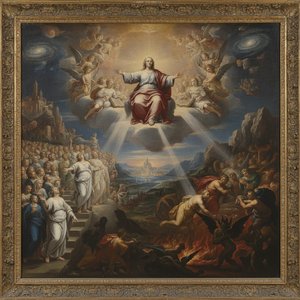
Divine Judgment in Art: Capturing the Sublime, Eternal Truths, and the Weight of the Infinite
Explore the profound beauty of divine judgment in art history. From sacred iconography to the sublime light of Impressionism, discover how masters capture the eternal. Expert insights for the discerning collector seeking depth and spiritual resonance in fine art.

Dante Gabriel Rossettis 25 Mesterværker: Skønhed, Symbolik & Kunst til Dit Hjem
Oplev Dante Gabriel Rossettis 25 mest ikoniske værker! Fordyb dig i romantikkens symbolik og prærafaelitternes skønhed. Find museumskvalitets kunsttryk & inspiration til dit hjem på OriginalUniqueArt.com.
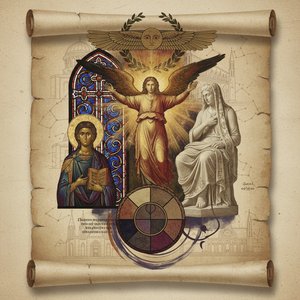
Divine Visions: Exploring the Power of Spiritual Themes and Sacred Symbolism in Fine Art History
Explore the profound impact of spiritual themes in fine art. From Renaissance iconography to Baroque drama, discover how sacred symbolism and divine visions have shaped art history through a scholarly and reflective lens.
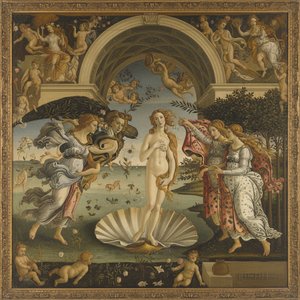
Botticellis 25 Mesterværker: Skønhed, Myter & Renæssancens Ånd | OriginalUniqueArt.dk
Oplev Sandro Botticellis 25 mest ikoniske malerier! Fordyb dig i renæssancens skønhed, mytologi og kunstnerisk genialitet. Find museumskvalitets reproduktioner & inspiration til din bolig på OriginalUniqueArt.com – udforsk samlingen online!
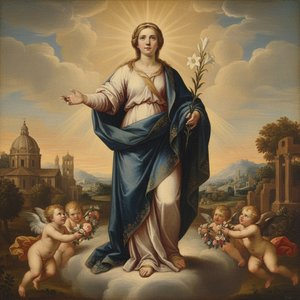
Embodied Divinity: Exploring Grace & Spiritual Representation in Western Art History
Explore the captivating history of divine grace in Western art! Discover masterpieces by Holbein, Raphael & Fra Angelico. Expert analysis for collectors and enthusiasts at OriginalUniqueArt.


