
 Se i rummet
 Del som kort
 Del
Del
 Detaljer
 Guide
Guide

 Download
 Lignende værker
 Røntgenundersøgelse
 Diasshow
 Spørgsmål og svar
 Statistikker
Mrs Richard Le Doux

- 1115.0 x 2000.0 cm


 Vis mere
Giclée / Kunsttryk
Giclée- eller lærredstryk i museumskvalitet med hurtig produktion og fleksible muligheder for finish. ( Køb håndmalet maleri Skift til digitalt billede)




P118B Dkr10

P118H Dkr10

P118W Dkr10

P438Z Dkr10

P508JH Dkr12

P508YH Dkr12

P805H Dkr10

P805Z Dkr10

P919BZ Dkr10

P919G Dkr10

P919XJ Dkr10

P959ZH Dkr10

P968JZ Dkr12

W106C Dkr8

W218G Dkr10

W218JH Dkr8

W218Y Dkr10

W307PJ Dkr10

W316G Dkr10

W316PJ Dkr8

W316Y Dkr10

W398PJ Dkr8

W4111J Dkr10

W500HY Dkr15

W500JH Dkr15

W692G Dkr12

W849H Dkr8

W940BG Dkr15

W953PJ Dkr8




Vælg mellem vores forudindstillede størrelser, der matcher kunstværkets originale proportioner.

Indtast den bredde og højde, du har brug for, så det passer til din ramme eller din væg. Et print kan kun beskæres, aldrig gøres større end selve billedet, så en størrelse med et andet format vil medføre, at dele af motivet går tabt. Vi sender dig en digital mockup til godkendelse, før vi printer noget. Billedet vist på denne side viser ikke den faktiske beskæring — det er kun mockuppen, der gør.
Verdensomspændende levering () på 2 uger i stedet for de sædvanlige 4/5 uger. (4 november)

Gratis ekspresforsendelse til hele verden

Lærred af linned i høj kvalitet

Fuld transportforsikring

Garanti for refusion af told og importafgifter

Garanti for præcis farvegengivelse

100 dages returret ved fabrikationsfejl

100% fuld returret

Mængderabat ved flere køb
 Glasmulighed er kun tilgængelig i størrelser under 110 cm

Mrs Richard Le Doux
Giclée / Kunsttryk
Størrelse på reproduktion
-


Samlet pris
Dkr 538
Om Kunstværket: Mrs Richard Le Doux af Vlaho Bukovac
Mrs Richard Le Doux er et betagende portrætmaleri udført af den kroatiske kunstner Vlaho Bukovac i 1892. Dette værk, nu en del af Walker Art Gallery i Liverpool, England, repræsenterer ikke blot kvindens fysiske skønhed, men også en dybere refleksion over menneskelig følelse og atmosfære – et aspekt, der har gjort det til et ikon inden for Bukovacs kunstneriske arv. Maleriet er udført i olie på lærred og udtrykker Bukovacs karakteristiske stil: en kombination af impressionisme og akademisk konservatisme, hvilket sikrer både teknisk præcision og følelsesmæssig resonans hos betragteren.- Teknik og Stil: Bukovac anvendte en teknik kendt for sine bløde penselstrøg og subtile farvepaletter – typiske træk ved impressionismen, hvor fokus ligger på øjeblikkelig lys og atmosfære. Samtidig er maleriet præget af akademiske elementer, hvilket manifesteres i den nøjagtige gengivelse af kvindens anatomi og detaljeret udførelse af omgivelserne.
- Historisk Kontext: Maleriet blev skabt under Bukovacs rejser mellem Italien og Rusland, hvor han absorberede inspiration fra både europæiske kunstnere og kulturelle traditioner. Denne internationale erfaring påvirkede hans kunstneriske udtryk og førte til en unik fusion af forskellige stilistiske elementer.
- Symbolisme og Tema: Kvinden i portrættet er ikke blot et fysisk objekt, men også et symbol på kvindelighed og styrke. Blomsterne i hendes hånd repræsenterer skønhed og renhed, hvilket understreger temaet om ære og respekt for menneskeligheden – en vigtig idé inden for Bukovacs kunstneriske perspektiv.
- Om Maleriet: Maleriet er placeret i Marfield, Liverpool. Det beskriver et hjemligt miljø hvor kvinden sidder ved siden af en bænk og omgivet af planter. Dette skaber en følelse af ro og intimitet, hvilket inviterer publikum til at reflektere over menneskelige forhold og den enkelte persons betydning.
Spørgsmål og svar
Hvilken stilart tilhører "Mrs Richard Le Doux"?
"Mrs Richard Le Doux" af Vlaho Bukovac tilhører Impressionist Portrait-bevægelsen. Denne bevægelse giver den stilistiske kontekst for værket.
Hvad er den dominerende farve i "Mrs Richard Le Doux" af Vlaho Bukovac?
Den farve, der træder tydeligst frem i "Mrs Richard Le Doux", er Grå (#9b8672). Den dominerende farve er nyttig, når man skal matche et kunstværk med en indretning.
Hvor kan jeg finde en guide til "Mrs Richard Le Doux"?
Der er en Elevguide-side tilgængelig for "Mrs Richard Le Doux" af Vlaho Bukovac: et printbart faktablad om kunstværket, designet til elever og undervisningsbrug.
Kunstnerbiografi
A Life Painted Across Continents: The Journey of Vlaho Bukovac
Born Biagio Faggioni in 1855, amidst the sun-drenched shores of Cavtat, Croatia, Vlaho Bukovac’s life was a testament to artistic ambition and cultural fusion. His heritage—an Italian father from Genoa and a Croatian mother—instilled within him a unique perspective, one that would ripple through his canvases and define his eclectic style. Early hardship marked his youth; the sea beckoned not as a romantic ideal but as a necessity, leading him on voyages between Istanbul, Liverpool, and Odessa. These formative years, though physically demanding, broadened his horizons and ignited a restless spirit, ultimately steering him toward the world of art. A brief sojourn in America further fueled this burgeoning passion before he found formal training under Domenico Tojetti in San Francisco, laying the groundwork for his future artistic endeavors. It was in Paris, however, at the prestigious École des Beaux-Arts under the tutelage of Alexandre Cabanel, that Bukovac truly blossomed, embracing a classical academic style that would initially define his success. He soon adopted the name Vlaho Bukovac, a deliberate act of reclaiming and celebrating his Croatian identity—a theme that would resonate throughout his career.From Parisian Salons to Zagreb’s Artistic Awakening
Bukovac's early artistic period unfolded within the vibrant atmosphere of the French Salon, where he quickly gained recognition for his “sugary” realistic style. His paintings were fashionable, technically proficient, and catered to the tastes of a discerning audience. This success afforded him opportunities to travel extensively—to England, Dalmatia, the Black Sea, even as far afield as Chile, Peru, and North America—and to cultivate patronage from influential figures like Samson Fox and Richard LeDoux in England. These commissions allowed him to hone his skills and experiment with various subjects, including large-scale religious works such as “Suffer the Little Children to Come to Me,” a piece that garnered significant attention for its emotional depth and skillful execution. Portraits became another cornerstone of his practice, capturing the likenesses of prominent individuals from British society and the Serbian court with meticulous detail. However, it was his return to Croatia in 1893 that marked a pivotal turning point. He arrived in Zagreb at a moment ripe for artistic innovation, becoming a central figure in the city’s burgeoning art scene and introducing French influences that would reshape Croatian painting. This period saw a shift towards lighter colors, liberated brushstrokes, and an increased emphasis on capturing the fleeting effects of light—a departure from the rigid constraints of academic realism.A Palette of Innovation: Style and Key Works
Bukovac’s artistic evolution was characterized by a willingness to experiment and embrace new techniques. While initially rooted in academic tradition, he gradually moved towards Impressionism and Pointillism, demonstrating an openness to the avant-garde movements sweeping across Europe. This stylistic fluidity is evident in his diverse body of work. “Une Fleur” (A Flower), created in 1887 during his French period, remains one of his most celebrated paintings—a reclining nude that achieved significant recognition and commanded a substantial price at auction. Other popular subjects included "The White Slave," "Potiphar’s Wife," and "Adam and Eve," all showcasing his mastery of the human form and his ability to evoke sensuality and emotion. Back in Croatia, he undertook ambitious projects such as painting the theatre curtain for the Croatian National Theatre, a testament to his commitment to fostering national identity through artistic expression. Works like “Gundulić’s Dream” (1894), "Montenegran Woman", "Minstrel," "Autumn Landscape" and "A Little Dream" further exemplify his evolving style and his deep connection to the Croatian landscape and culture.Legacy of a Transnational Artist
Vlaho Bukovac’s influence extended beyond his paintings; he was also a dedicated educator, serving as a professor at the Academy of Fine Arts in Prague where he introduced Pointillism to a new generation of artists, including Mirko Rački. His death in Prague in 1922 marked the end of a prolific and multifaceted career that spanned multiple locales and artistic styles. He is remembered not only for his technical skill and aesthetic sensibility but also for his role as a cultural bridge—a painter who seamlessly blended Italian heritage, Croatian identity, and French artistic influences. Bukovac’s work represents a crucial transition in modern Croatian art, moving away from rigid academicism towards greater experimentation and individual expression. He remains a significant figure in the history of fine arts in Zagreb, celebrated for his contributions to national identity and his enduring legacy as an artist who dared to embrace change and explore new horizons. His paintings continue to captivate audiences with their beauty, emotional depth, and timeless appeal.
Vlaho Bukovac
1855 - 1922 , Croatia
Kort om kunstneren
- Full Name: Vlaho Bukovac
- Nationality: Croatian
- Date Of Birth: 1855
- Date Of Death: 1922
- Place Of Birth: Tivat, Croatia
- Notable Artworks:
- Une Fleur
- Suffer the Little Children
- Samson Fox
- Gundulić's Dream
- Artistic Movement Or Style: Impressionism, Realism
- Artists Who Influenced This Artist: ['Alexandre Cabanel']
- Artists Or Movements Influenced By This Artist:
- Mirko Rački
- Croatian Nationalism
Relaterede artikler
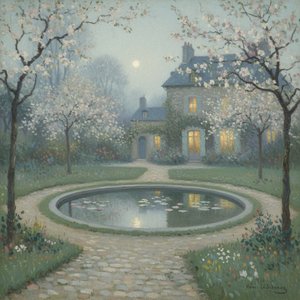
Henri Le Sidaner: Evoking Atmosphere & Intimacy in Post-Impressionist Landscapes
Discover the evocative world of Henri Le Sidaner, a master of Intimist painting. Explore his tranquil landscapes & atmospheric interiors – a celebration of light and intimacy. Learn about his life, style, and lasting legacy.

Ud over Lys og Farve: Impressionisme vs. Postimpressionisme for den Kræsne Samler
Dyk ned i impressionismens og postimpressionismens verden med vores ekspertguide. Lær at identificere, vurdere og investere i disse ikoniske kunstretninger. For den kræsne samler.

Paul Cézannes 25 Mesterværker: En Kunstnerisk Rejse til Moderne Malerkunst | OriginalUniqueArt.dk
Oplev Paul Cézannes 25 mest ikoniske malerier – fra stilleben til landskaber. Lær om impressionismen, hans unikke stil og køb eksklusive kunsttryk på OriginalUniqueArt.dk. Find inspiration til din indretning!

Impressionismens Mestre: Top 10 Kunstværker til Dit Hjem – OriginalUniqueArt.dk
Oplev impressionismens magi! Dyk ned i top 10 kunstværker af Monet, Renoir & Degas. Lær historierne bag disse ikoniske malerier og find inspiration til din indretning. Museumskvalitet reproduktioner på OriginalUniqueArt.com – udforsk samlingen online!

Richard Hayley Lever: A Study in British Impressionism & Coastal Light
Explore the captivating world of Richard Hayley Lever (1876-1958), a master of Impressionism renowned for his vibrant coastal scenes. Discover his life, style & legacy with OriginalUniqueArt.
