

 Se i fuld skala
 Del
Del Del
Del
 Detaljer

 Download
 Lignende værker
 Røntgenundersøgelse
 Diasshow
 Statistik
St Stephen is Consecrated Deacon
 Acrylic On Canvas
- WallArt
- Venetian Renaissance
 1511
1511 148.0 x 231.0 cm
 Staatliche Museen zu Berlin
 Se mere
Giclée / Kunsttryk
Giclée- eller lærredstryk i museumskvalitet med hurtig produktion og fleksible muligheder for finish. ( Køb håndlavet maleri Skift til digitalt billede)




P118B $10

P118H $10

P118W $10

P438Z $10

P508JH $12

P508YH $12

P805H $10

P805Z $10

P919BZ $10

P919G $10

P919XJ $10

P959ZH $10

P968JZ $12

W106C $8

W218G $10

W218JH $8

W218Y $10

W307PJ $10

W316G $10

W316PJ $8

W316Y $10

W398PJ $8

W4111J $10

W500HY $15

W500JH $15

W692G $12

W849H $8

W940BG $15

W953PJ $8




Vælg mellem vores forudindstillede størrelser, der matcher kunstværkets originale proportioner.

Du kan indtaste dine egne mål for at passe til en specifik ramme eller et bestemt område. Hvis den valgte størrelse ikke stemmer overens med det originale billedes proportioner, vil vi enten beskære kunstværket eller udvide billedet med en spejlet eller ensfarvet kant. En digital mockup vil blive sendt til din godkendelse, før produktionen påbegyndes.
Bemærk venligst, at forhåndsvisningen på skærmen ikke afspejler den faktiske beskæring eller udvidelse. Kun mockuppen vil nøjagtigt vise den endelige komposition.
Selvom specialmål er tilgængelige, anbefaler vi at vælge et mål fra den foruddefinerede liste for at bevare de originale proportioner.
Verdensomspændende levering () på 2 uger i stedet for de sædvanlige 4/5 uger. (15 september)

Gratis ekspresforsendelse til hele verden

Lærred af linned i høj kvalitet

Fuld transportforsikring

Garanti for refusion af told og importafgifter

Garanti for præcis farvegengivelse

100 dages returret (kun ved fejl og mangler)

100% Tilfredshedsgaranti

Mængderabat tilgængelig
 Glasmulighed er kun tilgængelig i størrelser under 110 cm

St Stephen is Consecrated Deacon
Giclée / Kunsttryk
Størrelse på reproduktion
-


Samlet pris
$ 81
The Sacred Narrative of Vittore Carpaccio’s “St Stephen is Consecrated Deacon”
Vittore Carpaccio's "St Stephen is Consecrated Deacon," painted in 1511, isn’t merely a depiction of a biblical event; it’s a vibrant tableau brimming with Venetian artistry and profound spiritual resonance. This tempera on panel masterpiece, now residing within the Staatliche Museen in Berlin, transports us to a bustling Roman street scene, meticulously rendered with an almost photographic realism that was revolutionary for its time. Carpaccio, deeply influenced by the early Italian Renaissance – particularly Antonello da Messina’s mastery of perspective and detail – eschewed the prevailing humanist trends, instead embracing a more conservative style rooted in Byzantine iconography and the meticulous observation of the world around him. The painting captures not just a moment in St Stephen's life, but also the very essence of Venetian civic pride and religious fervor.A Scene of Ceremony and Community
The heart of the composition is undoubtedly St. Stephen himself, kneeling before St. Peter, who bestows upon him the sacred mantle of deacon. Carpaccio masterfully orchestrates a complex arrangement of figures – at least fourteen individuals are visible within the frame – creating a dynamic sense of movement and engagement. The scene unfolds against a backdrop of an identifiable Roman street, complete with architectural details that hint at the grandeur of the city. A striking horse stands to the left, adding a touch of theatricality and emphasizing the importance of this momentous occasion. The crowd is diverse, reflecting the cosmopolitan nature of Venice itself – merchants in their finery mingle with ordinary citizens, all drawn together by the spectacle unfolding before them. Carpaccio’s skill lies not just in depicting individual faces but in conveying the collective energy of a community witnessing a pivotal religious event.Technique and Symbolism: A Venetian Masterpiece
Carpaccio's technique is characterized by its meticulous detail and rich, layered colors. The tempera medium allowed for incredible luminosity and depth, particularly evident in the rendering of fabrics, textures, and architectural elements. Notice the subtle gradations of color used to depict the folds of clothing, the sheen of metal, and the varied surfaces of the buildings. The painting’s composition is carefully balanced, drawing the eye from St. Stephen's kneeling posture towards St. Peter and then outwards to encompass the entire scene. The use of perspective, though not entirely groundbreaking for its time, is remarkably sophisticated, creating a convincing illusion of depth and space. Symbolically, the painting is rich with meaning. The presence of the horse could represent Christ’s sacrifice, while the diverse crowd symbolizes the universal appeal of St. Stephen's message. The act of consecration itself signifies a transition – from earthly concerns to divine service – a central theme in Christian theology.Historical Context and Artistic Legacy
“St Stephen is Consecrated Deacon” was created during a period of significant artistic innovation in Venice, where the influence of Northern European painting—particularly the meticulous detail and realism of Flemish artists—was increasingly felt. Carpaccio skillfully blended these influences with his own distinctive style, creating a unique and compelling visual language. The painting’s subject matter – a biblical narrative – was also highly popular during this period, reflecting the growing importance of religious imagery in Venetian society. It's fascinating to consider that Carpaccio painted this work shortly before the completion of his monumental “Legend of St. Ursula,” demonstrating his continued engagement with large-scale narrative cycles. The painting’s enduring appeal lies not only in its technical brilliance but also in its ability to evoke a sense of immediacy and emotional connection, transporting us back to a vibrant moment in Christian history.A Timeless Reflection on Faith and Community
Ultimately, “St Stephen is Consecrated Deacon” transcends the boundaries of mere historical documentation. It’s a powerful meditation on faith, community, and the transformative power of belief. The painting's enduring legacy lies in its ability to capture the spirit of a pivotal moment – the consecration of St. Stephen as a deacon – with remarkable clarity and emotional depth. Reproductions of this masterpiece offer an opportunity to bring this extraordinary work into any setting, allowing viewers to experience firsthand the artistry and spiritual resonance that have captivated audiences for centuries.Kunstnerens biografi
Vittore Carpaccio – En Venetians Kunstnerisk Pioner
Vittore Carpaccio var en italiensk maler født omkring 1465 i Venezia og død i samme byen år 1526. Han udgjorde et af de tidlige højdepunkter inden for den venetianske renæssancekunst, hvor han skilte sig ud ved sin konservative stil og begrænsede eksponering for humanistiske tendenser, der dominerede kunstverdenen på hans tidspunkt. Carpaccio studerede under Gentile Bellini, en førende kunstner i den venetianske skole, hvilket gav ham et solidt fundament til fremtidig succes. Denne uddannelse var afgørende for hans udvikling som kunstner og hans evne til at forme sin egen unikke kunstneriske identitet.Kunstnerisk Stil og Påvirkninger
Carpaccio prægede sig ved en stil, der var karakteriseret af forsigtighed og fokus på traditionelle teknikker. Han var mindre følsom for den humanistiske revolution, der ændrede italiensk kunst i løbet af renæssancen end mange af sine samtidige. Hans arbejde blev betydeligt formet af Antonello da Messinas stil og tidlig nordisk kunst – en kombination, der skabte en distinkt venetiansk kunstnerisk profil. Denne påvirkning manifesterede sig i hans brug af lys og farve samt hans kompositionelle valg, hvilket gjorde hans værker til et fascinerende møde mellem italiensk og nordisk kunsttradition. Han var blandt de første til at udforske nye perspektiver og teknikker inden for oliemaleri, hvilket bidrog til den udvikling, der skulle præge hele renæssancen.Bemærkelsesværdige Arbejder
Carpaccio er mest kendt for sin monumentale cyklus "Saint Ursula's Legend," hvor han fortæller historien om Sankt Ursulas liv og martyrdom gennem ni imponerende malerier. Disse værker blev udført mellem 1490 og 1519 og anses for at være nogle af hans bedste og mest betydningsfulde kunstværker. Cyklussen er nu udstillet på Gallerie dell'Accademia i Venezia og demonstrerer Carpaccio’s mesterskab inden for narrativ maleri – en genre, hvor han var blandt de førende kunstnere. Udover denne cyklus skabte han også "Glory of Saint Ursula Altarpiece," hvor han perfekt gengav Sankt Ursulas ære og liturgi ved hjælp af lys og farve, hvilket efterlignede Giovanni Bellinis stil. Desuden præsterede Carpaccio i "Miracle of the Relic of the Cross at Ponte Rialto," hvor han formåede at balancere komposition og fortælling på en måde, der var både teknisk imponerende og følelsesmæssigt engagerende. Disse værker er ikoniske eksempler på venetiansk kunst fra renæssancen og fortsætter med at fascinere kunsthistorikere og publikum verden over.Karriere og Eftervirkning
Carpaccio var aktiv kunstner mellem 1490 og 1519 og blev dermed en af de tidlige hovedpersoner inden for den venetianske renæssancekunst. Han var blandt de mest produktive kunstnere på sin tid og efterlod sig et betydeligt kunstnerisk arv, der stadig studeres og fejres i dag. Hans arbejde blev ofte overset sammenlignet med andre prominente venetianske kunstnere som Giovanni Bellini og Giorgione – hvilket måske skyldes hans relativt begrænsede udstilling af værker uden for Italien. På trods af dette er Carpaccio’s kunstværker fortsat et vigtigt fokuspunkt inden for forskningen i italiensk renæssancekunst og hans stil har haft en varig indflydelse på efterfølgende kunstnere og kunsthistorikere. Han repræsenterer en unik stemme inden for den venetianske kunstscene og er en af de få kunstnere fra denne periode, hvis arbejde fortsat kan udforske nye perspektiver på både kunstnerisk teknik og fortællingens betydning.
Vittore Carpaccio
1465 - 1526 , Italien
Kort om kunstneren
- Artistic Movement Or Style: Tidlig venetiansk renæssance
- Artists Who Influenced This Artist:
- Gentile Bellini
- Antonello da Messina
- Date Of Birth: Venice, Italien omkring 1465
- Date Of Death: 1526
- Full Name: Vittore Carpaccio
- Nationality: Italiensk
- Notable Artworks:
- Legenden om Sankt Ursula
- Glorien af Sankt Ursula Altarpiece
- Miraklet ved korsets relikvie ved Ponte di Rialto
- Place Of Birth: Venetien
Relaterede artikler

El Grecos 25 Mesterværker: Kunst, Historie og Inspiration til Dit Hjem
Oplev El Grecos 25 mest ikoniske malerier! Fordyb dig i spansk renæssancekunst, spirituelle værker og dramatiske kompositioner. Find inspiration til dit hjem & køb museumskvalitets reproduktioner på OriginalUniqueArt.com.
Illuminating Surfaces: A Comprehensive Exploration of Tempera on Panel Painting Techniques & Historical Significance
Explore the rich history & techniques of tempera painting! Discover Renaissance masters like Botticelli & Fra Angelico, conservation insights, and the enduring legacy of this captivating art form. Learn more now!
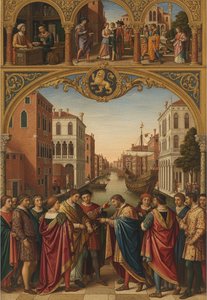
Vittore Carpaccio: Venetian Renaissance Narrative & the Poetics of Detail
Explore the captivating world of Vittore Carpaccio, a master storyteller of the Venetian Renaissance. Discover his intricate details, narrative cycles like 'The Legend of St. Ursula,' and unique artistic style.
Illuminating History: A Comprehensive Exploration of Tempera Painting Techniques & Artistic Legacy
Explore the rich history & techniques of tempera painting! Discover Renaissance masters like Botticelli & Fra Angelico, conservation insights, and the enduring legacy of this captivating art form.
Giotto di Bondones 25 Mesterværker: Kunst, Historie & Inspiration til Dit Hjem
Oplev Giotto di Bondones 25 mest ikoniske værker! Dyk ned i renæssancens kunsthistorie, fresker og bibelske fortællinger. Find inspiration til din indretning & køb museumskvalitets reproduktioner på OriginalUniqueArt.com.


