

 Se i rummet
 Send
Send Del
Del
 Detaljer
 Studieguide til kunstværker

 Download
 Lignende værker
 Røntgenundersøgelse
 Se diasshow
 Statistik
Roses


 Læs mere
Håndlavet oliereproduktion
Håndmalet olie på lærred i din valgte størrelse og ramme, udført efter bestilling af vores kunstnere. ( Skift til printversion Skift til digitalt billede)




P118B Dkr10

P118H Dkr10

P118W Dkr10

P438Z Dkr10

P508JH Dkr12

P508YH Dkr12

P805H Dkr10

P805Z Dkr10

P919BZ Dkr10

P919G Dkr10

P919XJ Dkr10

P959ZH Dkr10

P968JZ Dkr12

W106C Dkr8

W218G Dkr10

W218JH Dkr8

W218Y Dkr10

W307PJ Dkr10

W316G Dkr10

W316PJ Dkr8

W316Y Dkr10

W398PJ Dkr8

W4111J Dkr10

W500HY Dkr15

W500JH Dkr15

W692G Dkr12

W849H Dkr8

W940BG Dkr15

W953PJ Dkr8




Vælg mellem vores forudindstillede størrelser, der matcher kunstværkets originale proportioner.

Indtast den bredde og højde, du har brug for, så det passer til din ramme eller din væg. Da dette er håndmalet, kan kunstneren ved en anden form på størrelsen male lidt mere rundt om billedet eller skære lidt væk — det er op til dig. Vi sender dig et digitalt mockup til godkendelse, før maleriet påbegyndes. Billedet, der vises på denne side, viser ikke det endelige resultat — det er kun mockuppet, der gør.
Efter bestilling vil OriginalUniqueArt.com team sende en e-mail til kunden for at indhente instruktioner og fremsende et udkast til gennemgang.
Levering i hele verden () på 3-4 uger i stedet for de standard 5 uger. (22 oktober). Ingen kompromiser med kvaliteten.

Gratis ekspresforsendelse til hele verden

Lærred af linned i høj kvalitet

Komplet transportforsikring

Garanti for refusion af told og importafgifter

Garanti for autentisk farvegengivelse

100 dages returret ved fabrikationsfejl

100% fuld returret

Mængderabat ved flere køb
 Glasmulighed er kun tilgængelig i størrelser under 110 cm

Roses
Reproduktionsmateriale
Reproduktionsstørrelse
-


Samlet pris
Dkr 1966
A Symphony in Pink and Green: Unveiling Van Gogh’s ‘Roses’
Vincent van Gogh's “Roses,” painted in 1890 during his time at the Saint-Rémy asylum, isn’t merely a depiction of flowers; it’s a profound exploration of color, emotion, and the artist’s own turbulent inner world. This intimate still life, now residing within the hallowed halls of the National Gallery of Art in Washington D.C., offers a poignant glimpse into Van Gogh's evolving artistic language and his relentless pursuit of capturing the essence of nature – not through photographic realism, but through intensely felt observation. The painting immediately draws the eye with its vibrant palette: a riot of pinks and whites from the roses themselves, contrasted against the calming backdrop of a simple green wall. Yet, it’s more than just a pleasing arrangement; it's a carefully constructed visual dialogue, brimming with subtle complexities that invite repeated viewing and contemplation.Van Gogh’s technique in “Roses” is instantly recognizable – bold, impasto brushstrokes layered upon one another to create texture and movement. He doesn’t shy away from applying thick swathes of paint, allowing the physicality of the medium itself to contribute to the artwork's expressive power. The roses aren’t rendered with delicate precision; instead, they are suggested through energetic dabs and dashes, conveying a sense of vitality and fleeting beauty. Notice how he uses short, choppy strokes to define the petals, while longer, flowing lines capture the movement of the stems. This deliberate roughness is a hallmark of his style – a rejection of academic restraint in favor of an intensely personal and immediate approach to painting.
The Context of a Troubled Genius
To fully appreciate “Roses,” it’s crucial to understand the context within which it was created. 1890 marked a pivotal year for Van Gogh, one defined by both artistic breakthroughs and profound psychological distress. Following his infamous episode in Arles, where he mutilated his ear, he voluntarily entered the Saint-Rémy asylum – a place that simultaneously offered him refuge and exacerbated his mental instability. Despite this challenging environment, Van Gogh continued to paint with an almost obsessive fervor, producing some of his most iconic works during his time there. “Roses” is believed to have been painted shortly before his departure from the asylum, reflecting a newfound sense of optimism and a desire to connect with the natural world as a source of solace and inspiration. The choice of roses themselves holds symbolic weight; often associated with love, beauty, and remembrance, they represent a hopeful counterpoint to Van Gogh’s personal struggles.Interestingly, the painting's color palette has subtly shifted over time due to the degradation of the paint pigments. Originally, the roses were likely a more vivid pink, creating a striking contrast against the green background. This fading serves as a poignant reminder of the ephemeral nature of beauty and the passage of time – themes that resonate deeply within Van Gogh’s oeuvre.
Beyond Representation: A Window into the Soul
“Roses” transcends its simple subject matter to become a powerful meditation on perception, emotion, and the artist's relationship with his surroundings. Van Gogh wasn’t simply painting flowers; he was attempting to capture their *feeling*, their essence. The vibrant colors aren’t merely descriptive; they are expressive – conveying joy, energy, and perhaps even a hint of melancholy. The inclusion of the insect, meticulously rendered with surprising detail amidst the swirling blooms, adds another layer of intrigue, suggesting an awareness of life's delicate balance and the interconnectedness of all things.Van Gogh’s legacy extends far beyond his artistic innovations; he remains one of the most beloved and influential figures in art history. His work continues to inspire artists and captivate audiences worldwide, offering a profound glimpse into the soul of a brilliant but troubled genius. A high-quality reproduction of “Roses” allows you to bring this extraordinary piece of art into your own space, inviting contemplation and sparking conversation for years to come.
A Legacy Preserved – And Recreated
OriginalUniqueArt offers meticulously crafted hand-painted reproductions of Van Gogh’s “Roses,” capturing the artist's unique style and emotional intensity with unparalleled accuracy. Each reproduction is created by skilled artisans who painstakingly replicate every brushstroke, color nuance, and textural detail of the original painting. Whether you are an art enthusiast, a collector seeking to expand your collection, or simply someone drawn to Van Gogh’s evocative imagery, our reproductions provide a beautiful and authentic way to experience this masterpiece firsthand. Explore the full details and order your own reproduction at OriginalUniqueArt today.Spørgsmål & svar
Hvor mættet er farvepaletten i "Roses"?
"Roses" af Vincent Van Gogh er gengivet med en Clear Color Presence mætning.
Hvilken placering passer til formatet på "Roses" af Vincent Van Gogh?
Med sin Landscape form foreslås en reproduktion af "Roses" til et Living Room.
Hvor kraftig er kontrasten i "Roses" af Vincent Van Gogh?
"Roses" af Vincent Van Gogh fremviser en Balanced kontrast mellem sine lyse og mørke områder.
Om kunstneren
Et liv malet i passion: Vincent van Gogh
Vincent Willem van Gogh, et navn der er synonymt med levende farver og rå følelser, forbliver en af de mest genkendelige og elskede skikkelser i kunsthistorien. Han blev født den 30. marts 1853 i Zundert, Holland, og hans rejse fra en urolig ung mand på søgen efter mening til en kunstnerisk visionær er en rørende fortællende om dedikation, kamp og i sidste ende en uforgængelig arv. Selvom han opnåede begrænset kommerciel succes i sin levetid – med salget af kun ét maleri, Den røde vinmark, før sin død – er Van Goghs indflydelse på moderne kunst umålelig, da han banede vejen for ekspressionismen og inspirerede utallige efterfølgende kunstnere. Hans historie handler ikke blot om penselstrøg og lærreder; det er et vidnesbyrd om den menneskelige udtrykskraft i mødet med modgang.
De tidlige år og den kunstneriske opvågnen
Van Goghs tidlige liv var præget af en række uopfyldte ambitioner. Han prøvede kræfter med forskellige erhverv – som kunsthandler, lærer og endda missionær – før han endelig dedikerede sig til maleriet i en relativt sen alder af 27 år. Disse tidligere erfaringer formede hans verdensbillede dybt og fandt vej ind i hans kunst. Hans tidlige værker, der skildrede scener fra bondelivet i det landlige Belgien, afspejler en dyb empati for arbejderklassen og en dyster palet, der genspejlede deres hårde kår. Inspireret af kunstnere som Jean-François Millet søgte Van Gogh at indfange disse menneskers værdighed og modstandskraft gennem en rå realisme. Det var dog hans flytning til Paris i 1886, der viste sig at være transformativ. Her mødte han impressionismen og postimpressionismen og opsugede teknikkerne fra mestre som Monet, Renoir og Pissarro. Denne eksponering udvidede hans kunstneriske horisont og førte ham til at eksperimentere med lysere farver og løsere penselstrøg, selvom han bevarede en distinkt følelsesmæssig intensitet, som manglede hos mange af hans samtidige. Hans bror Theo, der var kunsthandler, spillede en afgørende rolle i denne periode ved at yde økonomisk støtte og fungere som et livsvigtigt bindeled til den parisiske kunstverden. Deres omfattende korrespondance giver uvurderlig indsigt i Van Goghs kunstneriske udvikling og personlige kampe.
Det sydlige lys og eksplosiv kreativitet
I søgen efter et mere levende landskab og en følelse af fornyelse flyttede Van Gogh til Arles i det sydlige Frankrig i 1888. Denne flytning markerede en periode med intens kreativ produktion, karakteriseret ved en eksplosion af farver og en distinkt impasto-teknik – hvor malingen påføres tykt på lærredet, hvilket skaber en tekstureret overflade, der synes at pulsere af energi. Det var her, han skabte nogle af sine mest ikoniske værker: Solsikker, Natcaféen og Stjernerne natten over. Det intense sollys i Provence syntes at antænde hans fantasi og ledte ham til at skildre landskaber og stilleben med en hidtil uset vitalitet. Hans ønske om kunstnerisk samarbejde fik ham til at invitere Paul Gauguin til Arles i håbet om at etablere en utopisk kunstnerkoloni. Deres forhold viste sig dog at være ustabilt og kulminerede i en dramatisk konfrontation, der resulteret i, at Van Gogh lemlæstede sit eget øre. Denne begivenhed understregede hans mentale tilstands skrøbelighed og markerede begyndelsen på en periode med indlæggelse og stigende psykisk lidelse.
De senere år og den evige arv
Efter sit sammenbrud blev Van Gogh frivilligt indlagt på et asyl i Saint-Rémy, hvor han fortsatte med at male flittigt og indfangede de omkringliggende landskaber med både skønhed og uro. Værker som Stjernerne natten over, malet i denne tid, er gennemsyret af en følelse af kosmisk undren og dyb følelsesmæssig tyngde. Han flyttede senere til Auvers-sur-Oise under pleje af Dr. Paul Gachet, men hans kampe fortsatte. Den 29. juli 1890, i en alder af 37 år, døde Van Gogh tragisk af et selvforskyldt skudsår. På trods af at han opnåede meget lidt anerkendelse i sin levetid, begyndte hans arbejde at vinde posthum berømmelse, i høj grad takket være den utrættelige indsats fra hans svigerinde, Johanna van Gogh-Bonger, som arvede hans bo og dedikerede sig til at fremme hans kunst. I dag fejres Van Goghs malerier verden over for deres følelsesmæssige intensitet, innovative teknikker og vedvarende skønhed. Hans arv rækker langt ud over lærredet; han er blevet et symbol på kunstnerisk passion, udholdenhed i modgang og kunstens evne til at udtrykke de dybeste menneskelige følelser.
Nøgleindflydelser og kunstnerisk udvikling
- Tidlig realisme: Jean-François Millets skildringer af bondelivet påvirkede Van Goghs tidlige værker.
- Impressionisme & postimpressionisme: Mødet med Monet, Renoir, Pissarro og andre i Paris udvidede hans palet og teknik.
- Japanske træsnit: Van Gogh var dybt påvirket af japanske træsnit, som han indsamlede ivrigt. Deres dristige kompositioner og flade farveflader prægede hans egen stil.
- Følelsesmæssigt udtryk: Frem for alt søgte Van Gogh at formidle følelser gennem sin kunst ved at prioritere den subjektive oplevelse over den objektive repræsentation. Dette fokus på følelsesmæssig intensitet blev et definerende træk ved hans arbejde og banede vejen for ekspressionismen.
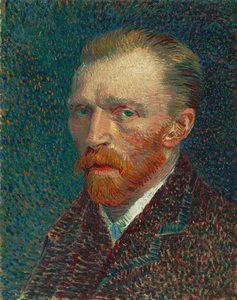
Vincent Van Gogh
1853 - 1890 , Holland
Hurtige fakta
- Artistic Movement Or Style: Post-impressionisme
- Artists Or Movements Influenced By This Artist:
- Expressionisme
- Fauvisme
- Artists Who Influenced This Artist:
- Rembrandt
- Millet
- Date Of Birth: 30. marts 1853
- Date Of Death: 29. juli 1890
- Full Name: Vincent Willem van Gogh
- Nationality: Hollandsk
- Notable Artworks:
- Solsikkerne
- Stjernekort
- Nat i Arles
- Place Of Birth: Zundert, Holland
Relaterede artikler

Beyond the Brush: A Visual Journey Through the Emotional Brilliance of Post-Impressionism
Embark on a visual journey through Post-Impressionism. Discover the emotional depth of Van Gogh and Cézanne, explore the tactile beauty of impasto, and learn how to bring these vibrant, soulful masterpieces into your home with expert art curation and custom hand-painted reproductions.
Beyond the Light: Discovering the Soul and Emotional Depth of Post-Impressionism
Embark on a cultural journey through Post-Impressionism. Discover the profound emotional depth of masters like Van Gogh and Cézanne, exploring how they moved beyond light to capture the very soul of human experience through vibrant color and symbolic form.
Beyond Impressionism: The Emotional Depth and Vibrant Evolution of Post-Impressionist Landscapes
Explore the profound evolution of Post-Impressionist landscapes. From Van Gogh's emotional brushwork to Cézanne's structural mastery, discover how these visionaries redefined art history through color and form in this expert guide for fine art enthusiasts.

Postimpressionismens 10 Mesterværker: Kunst der Definerede en Æra | OriginalUniqueArt.dk
Oplev postimpressionismens 10 mest ikoniske værker! Fra Van Goghs penselstrøg til Cézannes former. Lær historierne bag berømte malerier og find inspiration til din indretning med kunst af høj kvalitet på OriginalUniqueArt.com. Udforsk samlingen online.
Decoding Van Gogh's Turmoil: OriginalUniqueArt’s Masterful Reproductions of Emotional Depth
Discover exquisite Van Gogh reproductions from OriginalUniqueArt – expert art specialists offering museum-quality prints & custom paintings. Trust our authentic process and elevate your collection today.




![Irisser [1889]](/media/artworks/images-thumb/ca/85/ca85582a4fd1dc392efef83ec4dc3124.jpg)

