
 Se i fuld skala
 Del
Del Del
Del
 Detaljer

 Download
 Lignende værker
 Røntgenundersøgelse
 Diasshow
 Statistik
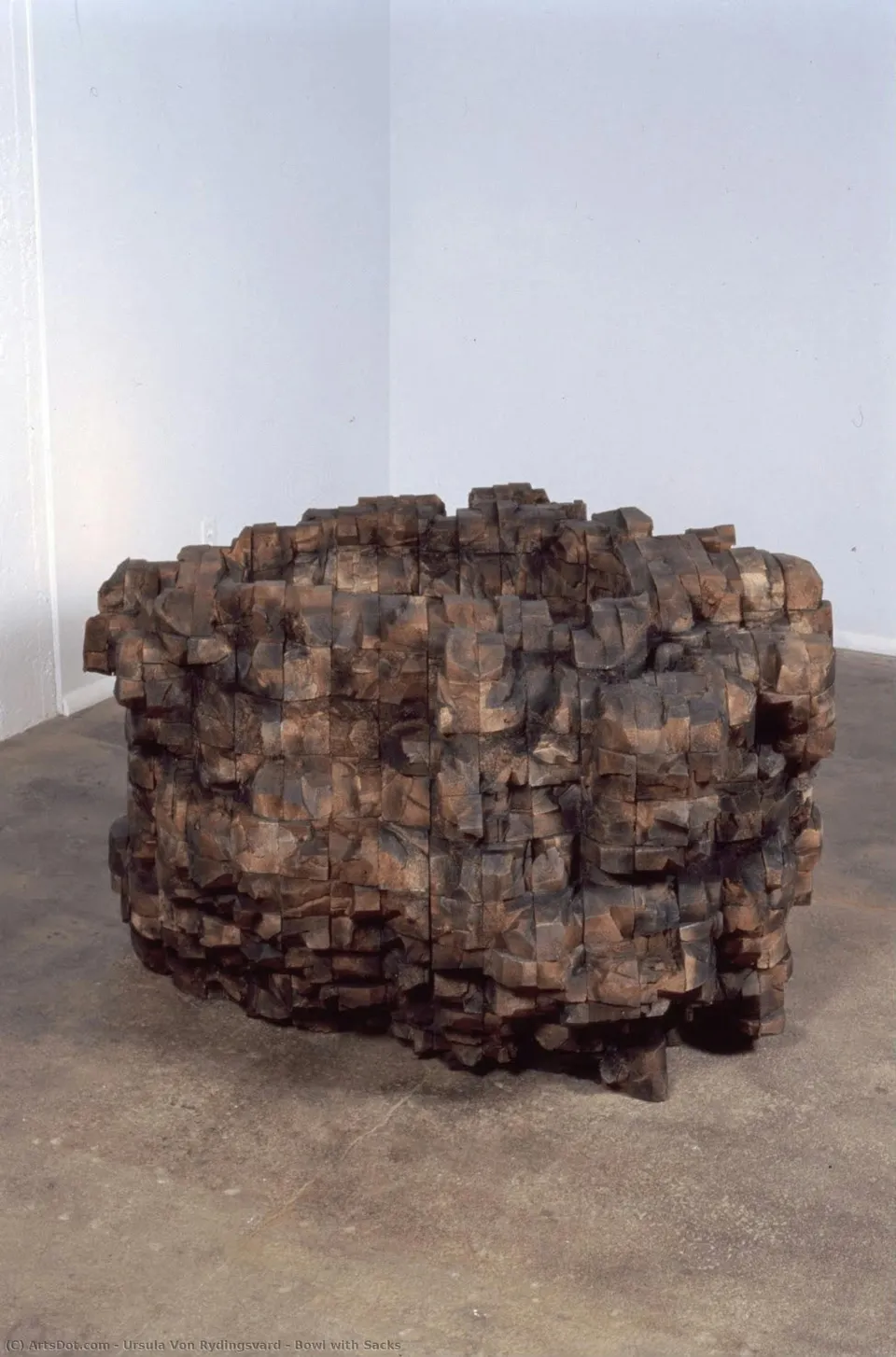
Bowl with Sacks


 Se mere
Håndlavet oliereproduktion
Håndmalet olie på lærred i din valgte størrelse og ramme, udført efter bestilling af vores kunstnere. ( Skift til print Skift til digitalt billede)




































Vælg mellem vores forudindstillede størrelser, der matcher kunstværkets originale proportioner.

Du kan indtaste dine egne mål for at passe til en bestemt ramme eller plads. Hvis den valgte størrelse ikke stemmer overens med det originale billedes proportioner, vil vi enten beskære kunstværket eller udvide maleriet med yderligere håndmalede elementer. En digital skitse sendes til din godkendelse, før produktionen påbegyndes.
Bemærk venligst, at forhåndsvisningen på skærmen ikke afspejler den faktiske beskæring eller udvidelse. Kun skitsen vil nøjagtigt vise den endelige komposition.
Selvom specialmål er mulige, anbefaler vi at vælge en dimension fra den foruddefinerede liste for at bevare de originale proportioner.
Efter bestilling vil OriginalUniqueArt.com team sende en e-mail til kunden for at få instruktioner og levere et udkast til en skitse.
Levering i hele verden () på 3/4 uger i stedet for de standard 5 uger. (13 september). Ingen kompromiser med kvaliteten.

Gratis ekspresforsendelse til hele verden

Lærred af linned i høj kvalitet

Fuld transportforsikring

Garanti for refusion af told og importafgifter

Garanti for præcis farvegengivelse

100 dages returret (kun ved fejl og mangler)

100% Tilfredshedsgaranti

Mængderabat tilgængelig
 Glasmulighed er kun tilgængelig i størrelser under 110 cm

Bowl with Sacks
Reproduktionsmetode
Størrelse på reproduktion
-


Samlet pris
$ 300
Kunstnerens biografi
A Life Rooted in Displacement, Blossoming in Wood
Ursula von Rydingsvard’s sculptures are monuments to resilience, born from a life steeped in displacement and forged through an intimate dialogue with the natural world. Born Urszula Karoliszyn in 1942 in Deensen, Germany, her earliest years were shadowed by the turmoil of World War II. The daughter of Polish parents—her mother Polish, her father Ukrainian—she experienced firsthand the upheaval and trauma of wartime Europe, followed by five harrowing years spent traversing eight different German refugee camps for displaced Poles. This period of instability, of existing between worlds, profoundly shaped her artistic sensibility, instilling a deep awareness of impermanence and the enduring human need to create meaning amidst chaos. In 1950, a new chapter began with the family’s emigration to the United States, settling in Plainville, Connecticut—a move that offered both sanctuary and the challenge of cultural adaptation. It was within this context of rebuilding and reimagining identity that von Rydingsvard's artistic journey took root.From Clay to Cedar: A Material Awakening
Von Rydingsvard’s formal education began with a pursuit of art education, earning both a Bachelor’s and Master’s degree from the University of Miami in 1965, followed by an MFA from Columbia University in New York City in 1975. However, it wasn't until the early 1970s that she discovered her true medium: wood, specifically cedar. Initially working with clay and fiber, von Rydingsvard found herself drawn to the inherent qualities of cedar—its availability, affordability, and most importantly, its unique textural possibilities. This was not a pristine, polished material; it bore the marks of its origin, the grain and imperfections speaking of growth, weathering, and time. She began to physically manipulate large timbers, sawing, sanding, stacking, compressing – a laborious process that became integral to her artistic expression. The physicality of this work is paramount; each sculpture is not merely conceived but *built*, wrestled into form through sheer determination and an intimate understanding of the material’s limitations and potential. This hands-on approach reflects a desire to connect with something primal and enduring, to imbue the wood with a sense of history and memory.Monumental Forms and Evocative Spaces
Von Rydingsvard's sculptures are immediately recognizable for their monumental scale and organic forms. They command attention, creating a powerful physical presence that invites viewers into a dialogue with both the artwork and their own bodies. These aren’t representations *of* things; they *are* things—substantial, imposing presences that evoke landscapes, geological formations, or even distorted echoes of the human figure. While abstract, her works possess an undeniable emotional resonance, hinting at narratives without explicitly revealing them. The surfaces are intensely tactile, bearing the visible traces of her interaction with the wood: deep grooves, rough ridges, and areas of compression create a rich textural landscape that begs to be touched (though often discouraged for preservation). This emphasis on tactility is crucial; it grounds the sculptures in the physical world, reminding us of their materiality and the artist’s own labor. The deliberate choice of scale isn't merely about grandeur; it’s about establishing a relationship between the body and architecture, between the individual and the surrounding environment. Her work often feels like an intervention within space, altering our perception of its boundaries and possibilities.Recognition and Enduring Legacy
Ursula von Rydingsvard has received widespread critical acclaim throughout her career, solidifying her position as a leading figure in contemporary sculpture. Her works have been exhibited extensively in major museums and galleries internationally, including the Whitney Museum of American Art, the Museum of Modern Art (MoMA), and the Hirshhorn Museum and Sculpture Garden. She was inducted into the American Academy of Arts and Letters in 2008, a testament to her significant contributions to the field. Numerous awards and accolades have recognized her innovative approach to materials and form, including the Gold Medal for Merit to Culture – Gloria Artis from Poland in 2021. Beyond individual recognition, von Rydingsvard’s influence extends to a generation of sculptors working with wood and other natural materials. Her emphasis on process, physicality, and the exploration of universal themes—memory, identity, and the passage of time—has resonated deeply with artists seeking to blur the boundaries between sculpture and architecture. She continues to live and work in Brooklyn, New York, her sculptures standing as powerful testaments to the enduring appeal of natural materials and the human spirit’s capacity for resilience and creation. Her marriage to Nobel laureate Paul Greengard further underscores a life lived at the intersection of art and intellectual pursuit. Into Her Own, a 2019 documentary, offers an intimate portrait of her artistic process and personal journey, providing valuable insight into the forces that have shaped her remarkable career.
Ursula von Rydingsvard
1942 - , United States of America
Kort om kunstneren
- Artistic Movement Or Style: Contemporary sculpture
- Artists Or Movements Influenced By This Artist: Wood sculptors
- Date Of Birth: 1942
- Full Name: Ursula von Rydingsvard
- Nationality: American
- Notable Artworks:
- Bowl with Sacks
- Stamp Bowl
- Place Of Birth: Germany