
 Se i rummet
 Del som kort
 Del
Del
 Detaljer
 Guide
Guide

 Download
 Lignende værker
 Røntgenundersøgelse
 Diasshow
 Spørgsmål og svar
 Statistikker
Dr Rice Charleton (1722 1723–1788)

- 229.0 x 152.0 cm


 Vis mere
Giclée / Kunsttryk
Giclée- eller lærredstryk i museumskvalitet med hurtig produktion og fleksible muligheder for finish. ( Køb håndmalet maleri Skift til digitalt billede)




P118B Dkr10

P118H Dkr10

P118W Dkr10

P438Z Dkr10

P508JH Dkr12

P508YH Dkr12

P805H Dkr10

P805Z Dkr10

P919BZ Dkr10

P919G Dkr10

P919XJ Dkr10

P959ZH Dkr10

P968JZ Dkr12

W106C Dkr8

W218G Dkr10

W218JH Dkr8

W218Y Dkr10

W307PJ Dkr10

W316G Dkr10

W316PJ Dkr8

W316Y Dkr10

W398PJ Dkr8

W4111J Dkr10

W500HY Dkr15

W500JH Dkr15

W692G Dkr12

W849H Dkr8

W940BG Dkr15

W953PJ Dkr8




Vælg mellem vores forudindstillede størrelser, der matcher kunstværkets originale proportioner.

Indtast den bredde og højde, du har brug for, så det passer til din ramme eller din væg. Et print kan kun beskæres, aldrig gøres større end selve billedet, så en størrelse med et andet format vil medføre, at dele af motivet går tabt. Vi sender dig en digital mockup til godkendelse, før vi printer noget. Billedet vist på denne side viser ikke den faktiske beskæring — det er kun mockuppen, der gør.
Verdensomspændende levering () på 2 uger i stedet for de sædvanlige 4/5 uger. (9 november)

Gratis ekspresforsendelse til hele verden

Lærred af linned i høj kvalitet

Fuld transportforsikring

Garanti for refusion af told og importafgifter

Garanti for præcis farvegengivelse

100 dages returret ved fabrikationsfejl

100% fuld returret

Mængderabat ved flere køb
 Glasmulighed er kun tilgængelig i størrelser under 110 cm

Dr Rice Charleton (1722 1723–1788)
Giclée / Kunsttryk
Størrelse på reproduktion
-


Samlet pris
Dkr 540
A Portrait of Quiet Dignity: Encountering Dr. Rice Charleton
To step before Thomas Gainsborough’s “Dr. Rice Charleton” is to be transported into the heart of Georgian England, an era defined by a delicate balance of intellectual rigor and aristocratic grace. Painted around 1764, this portrait serves as much more than a mere anatomical likeness; it is a profound window into the soul of a man who embodied the spirit of his time. Dr. Charleton, a respected physician and landowner from Suffolk, sits captured in a moment of contemplative stillness. His gaze, direct yet deeply thoughtful, invites the viewer into a silent dialogue, conveying an air of calm confidence that suggests a life shaped by both scientific observation and social refinement.
Gainsborough, one of Britain’s most celebrated masters, avoids the stiff formality often found in 18th-century portraiture. Instead, he breathes life into the canvas through his signature technique—a masterful blend of loose, fluid brushstrokes and delicate glazing. This approach creates a luminous effect, where light seems to dance across the textures of Charleton’s attire, softening the contours of his face and lending a poetic glow to the drapery. Through the skillful use of chiaroscuro, Gainsborough employs dramatic contrasts between light and shadow to sculpt the figure, giving the subject a palpable sense of presence that commands the room.
The Elegance of Technique and Historical Context
The composition of the work is a study in understated elegance. The setting—a richly furnished but sparsely decorated room—is intentionally designed to ensure that Dr. Charleton remains the undisputed focal point. Every detail, from the subtle weight of the draped curtain to the intricate textures of the fabrics, contributes to an atmosphere of refined taste and comfort. This meticulous attention to realism does not merely document a person; it elevates the subject, transforming a private portrait into a monumental statement of status and character.
Historically, this piece emerges from the dawn of the Enlightenment, a period characterized by a burgeoning curiosity about the natural world and rational thought. While Charleton’s profession as a physician links him to this era of scientific advancement, Gainsborough’s artistic focus remains resolutely humanistic. He departs from the tradition of idealized, almost mythological representations, choosing instead to portray the authentic character of his sitter. The result is a work that feels remarkably modern in its psychological depth, capturing the tension between the formal expectations of the landed gentry and the internal life of the individual.
A Timeless Addition for the Discerning Collector
For the art lover or interior designer, “Dr. Rice Charleton” offers an unparalleled sense of prestige and historical weight. The painting’s palette—rich with deep greens, earthy browns, and warm ochres—provides a sophisticated anchor for any high-end interior, bringing a sense of warmth and intellectual gravity to a space. Whether placed in a sunlit library or a formal dining hall, the portrait acts as a conversation piece that evokes the grandeur of the 18th-century British landscape school.
Owning a high-quality reproduction of this masterpiece allows one to inhabit the world of Gainsborough daily. It is an investment in atmosphere, offering a touch of much-needed serenity and "quiet dignity" to the contemporary home. The emotional impact of the piece lies in its ability to soothe; it is a reminder of a time when beauty was found in subtlety, and strength was expressed through composure. For those seeking to curate a collection that speaks of heritage, intellect, and timeless aesthetic grace, this portrait remains an essential inspiration.
Spørgsmål og svar
Er "Dr Rice Charleton (1722 1723–1788)" typisk for det, som Thomas Gainsborough normalt skabte?
"Dr Rice Charleton (1722 1723–1788)" skildrer landscape, portraiture, fishing rod, formal occasion, birds, suffolk countryside, 18th century, mens Thomas Gainsboroughs registrerede temaer er british landscape tradition, royal academy patronage, formal portrait genre, romantic idealism, artist’s personal vision. En sammenligning af de to viser, hvordan værket relaterer sig til kunstnerens sædvanlige motiver.
Hvem har skabt "Dr Rice Charleton (1722 1723–1788)", og hvornår?
Thomas Gainsborough skabte "Dr Rice Charleton (1722 1723–1788)" i 1764.
Er "Dr Rice Charleton (1722 1723–1788)" af Thomas Gainsborough i det offentlige domæne?
"Dr Rice Charleton (1722 1723–1788)" af Thomas Gainsborough er i det offentlige domæne – ophavsretten er udløbet. Denne status bestemmer, hvordan billedet af værket må reproduceres.
Kunstnerbiografi
A Suffolk Beginning: The Early Life and Artistic Awakening
Thomas Gainsborough, en af Storbritanniens mest elskede kunstnere, begyndte sin historie ikke i et pompøst akademi eller en pulserende metropol, men i den rolige markedsby Sudbury i Suffolk. Født i 1727 som den yngste søn af John Gainsborough, en væver og uldhandler, viste Thomas fra en meget ung alder en iboende kunstnerisk sans. Mens hans brødre forfulgte mere konventionelle veje, blev hans verden hurtigt opslugt af tegning og maleri – miniatureportrætter og delikate landskaber blomstrede fra hans hånd, selv før han nåede ti år alderen. Denne præcocious talent var ikke blot en barndomslidelse; det var spirende en vision, der skulle omforme britisk kunst. Hans far, genkendende denne unikke gave, opmuntrede den, og satte Thomas på en vej, der skar sig markant fra familiens værksted. Selve Suffolk-landskabet blev hans første atelier, og indgydede hans senere værker med en dyb og vedvarende kærlighed til det engelske land – et kendetegn, der ville skille ham ud gennem hele hans karriere. Denne tidlige immersion i landskab var ikke blot om at gengive, hvad han så; det var *at føle* essensen af det engelske landskab, en følelsesmæssig resonans, der ville gennemsyde hans lærred for årtier fremover.London og Shaping of a Style: Influences and Early Commissions
I 1740, i alderen 13, rejste Gainsborough til London, hvor han begyndte sin formelle kunstneriske uddannelse under Hubert Gravelot, en fransk graver kendt for sin elegante rokokostil. Denne eksponering viste sig at være afgørende, idet den introducerede ham til raffineret teknik og modeæstetik. Men det var hans forbindelse med William Hogarth og St Martin’s Lane Academy, der virkelig begyndte at forme hans kunstneriske identitet. I første omgang blev han påvirket af Hogarths fortællende tilgang, men Gainsborough kortede hurtigt sin egen kurs, og udviklede en distinkt stil karakteriseret ved sin lethed i berøring, flydende penselstrøg og subtile farvepaletter. Han absorberede lektioner fra forskellige mestre, men modsatte sig streng overholdelse af et enkelt skól, og skabte en vej, der blandede observation med fantasi. Efter at have giftet sig med Margaret Burr i 1746, vendte Gainsborough tilbage til Sudbury og etablerede sig som portrætmaler for den lokale overklasse. Denne periode finpudsede hans færdigheder i at fange lighed og karakter, men det var under hans efterfølgende flytning til Ipswich og senere Bath, at han begyndte at tiltrække en mere sofistikeret klientel – individer, der ikke kun værdsatte nøjagtig repræsentation, men også kunstnerisk flair og følelsesmæssig dybde.Bath og Beyond: Portraiture, Landscape, and Royal Patronage
Årene brugt i Bath (1759-1774) markerede et betydeligt vendepunkt i Gainsboroughs karriere. Byen var et knudepunkt for modefuld samfund, der gav ham mange muligheder for at male portrætter af den velhavende og indflydelsesrige elite. Han opnåede hurtigt anerkendelse for sin evne til ikke kun at fange fysisk lighed, men også sitters personlighed og sociale status. Hans portrætter var ikke blot gengivelser; de var udsagn om identitet og status. Alligevel afviste Gainsborough aldrig sin passion for landskabsmaleri. Faktisk integrerede han ofte landskaber i sine portrætter, hvilket skabte kompositioner, der fejrede både menneskelige emner og skønheden i den naturlige verden. Denne innovative tilgang – et kendetegn ved hans stil – adskilte ham fra mange af sine samtidige. Kulminationen på hans succes kom med hans flytning til London i 1774, hvor han etablerede et atelier på Pall Mall og blev en grundlæggende medlem af Royal Academy. Han sikrede sig også kongelig patronage, hvilket gjorde ham til en favoritmaler for Kong George III og Dronning Charlotte, hvilket yderligere befæstede hans position som en af Storbritanniens førende kunstnere. *Mrs. Thomas Gainsborough*, malet i 1785, illustrerer denne periode – et elegant portræt, der viser rokokostil og dæmpede toner.A Legacy of Innovation: Enduring Appeal and Influence
Thomas Gainsborough døde i 1788 i alderen 61. Hans indflydelse på efterfølgende generationer af britiske kunstnere er uomtvistelig. Han løslagde portrætter fra stiv formalitet og infunderede dem med spontanitet og følelsesmæssig resonans. Hans lette penselstrøg og atmosfæriske effekter banede vejen for impressionisterne, mens hans lyriske landskaber inspirerede kunstnere som John Constable, der dybt beundrede Gainsboroughs evne til at fange ånden i det engelske landskab. Gainsboroughs arv strækker sig ud over teknik; den ligger i hans dybe forståelse af menneskelig karakter og hans urokkelige engagement i kunstnerisk udtryk. Han var ikke blot en maler af portrætter eller landskaber; han var en fortæller, en digter af lys og farve, og en visionær, der forvandlede britisk kunst. Hans værker er et vidnesbyrd om magten i observation, fantasi og den vedvarende appel af det engelske landskab.Exploring Gainsborough's World Today
Heldigvis er muligheden for at opleve Gainsboroughs geni stadig tilgængelig. Gainsborough’s House, i hans fødested Sudbury, står som et vidnesbyrd om hans liv og arbejde, hvor besøgende får et intimt indblik i hans tidlige påvirkninger og kunstneriske udvikling. Christchurch Mansion i Ipswich huser en betydelig samling af Gainsborough-malerier sammen med værker af Constable og andre mestre. Hans værker udstilles i dag i mange museer i Storbritannien og internationalt, herunder National Gallery i London og Metropolitan Museum of Art i New York. Hans arbejde studeres, analyseres og fejres fortsat, hvilket sikrer, at hans kunstneriske vision vil bestå for kommende generationer.
Thomas Gainsborough
1727 - 1788 , Storbritannien
Kort om kunstneren
- Artistic Movement Or Style: Rococoske, Portrætter
- Artists Or Movements Influenced By This Artist: ['John Constable']
- Artists Who Influenced This Artist:
- Hubert Gravelot
- William Hogarth
- Date Of Birth: 1727
- Date Of Death: 1788
- Full Name: Thomas Gainsborough
- Nationality: Britisk
- Notable Artworks:
- Mrs. Thomas Gainsborough
- Mr og Mrs Andrews
- Place Of Birth (City And Country): Sudbury, Storbritannien
Relaterede artikler

Evocations of Place: A Historical Journey Through Landscape Art
Explore the rich history of landscape art with OriginalUniqueArt. Discover renowned artists, movements like Impressionism & Romanticism, and expert guidance for collecting timeless pieces. Find your perfect serene escape today!

Romantikkens Landskaber: Top 10 Malerier der Definerede En Æra | OriginalUniqueArt
Oplev romantikkens storhedstid! Dyk ned i top 10 landskabsmalerier af Caspar David Friedrich, Turner & Constable. Historiske fortællinger og museumskvalitets reproduktioner på OriginalUniqueArt.com – find din inspiration til væggen her!
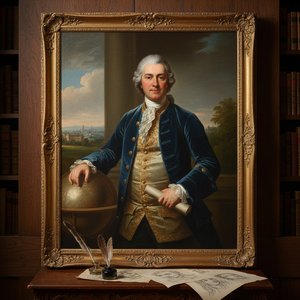
Thomas Hudson: A Study in 18th-Century Portraiture & British Artistic Identity
Explore the life & work of Thomas Hudson, a leading 18th-century British portraitist. Discover his mastery of the 'Grand Manner,' influential style, and lasting impact on British art. Learn about his notable portraits like Judge William Noel & Alexander Van Aken.
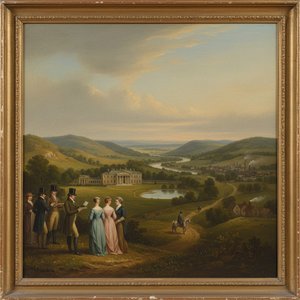
Thomas Barker of Bath: Landscape Painting & Societal Reflection in Early 19th-Century England
Explore the life & work of Thomas Barker of Bath, a key figure in 19th-century English Romanticism. Discover his Parisian success, iconic paintings like 'The Bride of Death', and lasting artistic legacy. Learn more at OriginalUniqueArt.

John Constables 25 Mesterværker: En Hyldest til Englands Landskabskunst | OriginalUniqueArt.com
Oplev John Constables 25 mest ikoniske værker! Fordyb dig i engelsk romantik, betagende landskaber og tidløs skønhed. Køb museumskvalitets reproduktioner af 'The Hay Wain' & mere på OriginalUniqueArt.com – inspiration til dit hjem.


