

 Se i rummet
 Send
Send Del
Del
 Detaljer
 Studieguide til kunstværker

 Download
 Lignende værker
 Røntgenundersøgelse
 Se diasshow
 Statistik
Still Life with a Cornemuse
 Oil On Canvas
- WallArt
- Romanticism
 19th Century
 46.0 x 38.0 cm
 Fitzwilliam-museet
 Læs mere
Giclée / Kunsttryk
Giclée- eller lærredstryk i museumskvalitet med hurtig produktion og fleksible muligheder for finish. ( Bestil håndmalet reproduktion Skift til digitalt billede)




P118B Dkr10

P118H Dkr10

P118W Dkr10

P438Z Dkr10

P508JH Dkr12

P508YH Dkr12

P805H Dkr10

P805Z Dkr10

P919BZ Dkr10

P919G Dkr10

P919XJ Dkr10

P959ZH Dkr10

P968JZ Dkr12

W106C Dkr8

W218G Dkr10

W218JH Dkr8

W218Y Dkr10

W307PJ Dkr10

W316G Dkr10

W316PJ Dkr8

W316Y Dkr10

W398PJ Dkr8

W4111J Dkr10

W500HY Dkr15

W500JH Dkr15

W692G Dkr12

W849H Dkr8

W940BG Dkr15

W953PJ Dkr8




Vælg mellem vores forudindstillede størrelser, der matcher kunstværkets originale proportioner.

Indtast den bredde og højde, du har brug for, så det passer til din ramme eller din væg. Et print kan kun beskæres, aldrig gøres større end billedet, så en størrelse med en anden form vil miste en del af motivet. Vi sender dig en digital mockup til godkendelse, før vi printer noget. Billedet vist på denne side viser ikke den faktiske beskæring — det er kun mockuppen, der gør.
Verdensomspændende levering () på 2 uger i stedet for de sædvanlige 4/5 uger. (22 oktober)

Gratis ekspresforsendelse til hele verden

Lærred af linned i høj kvalitet

Komplet transportforsikring

Garanti for refusion af told og importafgifter

Garanti for autentisk farvegengivelse

100 dages returret ved fabrikationsfejl

100% fuld returret

Mængderabat ved flere køb
 Glasmulighed er kun tilgængelig i størrelser under 110 cm

Still Life with a Cornemuse
Giclée / Kunsttryk
Reproduktionsstørrelse
-


Samlet pris
Dkr 528
Still Life with a Cornemuse
Thomas Couture’s “Still Life with a Cornemuse” is more than just an arrangement of objects; it's a carefully constructed meditation on mortality and remembrance, rendered in the rich hues characteristic of Romanticism. Painted circa 1850-1855, this artwork resides within the Fitzwilliam Museum’s Keynes Collection, offering visitors a glimpse into Couture’s artistic vision during a pivotal moment in European art history.- Subject Matter: The composition centers around a cornemuse—a simple pipe instrument—alongside an apple and two bags hanging from it. These elements aren't merely decorative; they are imbued with symbolic significance, reflecting themes prevalent in Romantic thought.
- Style & Technique: Couture employed oil paint on canvas, utilizing meticulous brushwork to achieve a velvety texture that captures the subtle nuances of light and shadow. His technique demonstrates mastery of chiaroscuro—the dramatic interplay between light and dark—creating depth and enhancing the emotional impact of the scene.
- Historical Context: Couture’s work emerged during the waning years of the Napoleonic era, a period marked by disillusionment following Napoleon's defeat and a yearning for idealized beauty amidst societal upheaval. Romantic artists sought to express profound emotions and grapple with existential questions, rejecting the rationalism of Enlightenment thought.
- Symbolism: The apple, traditionally associated with temptation and knowledge in Christian iconography, serves as a poignant reminder of human vulnerability and the inevitability of decay. Similarly, the cornemuse symbolizes pastoral simplicity and remembrance—a connection to nature and to cherished memories—themes central to Romantic aesthetics.
- Emotional Impact: Couture’s masterful execution evokes a sense of melancholy contemplation. The subdued palette and careful attention to detail invite viewers to ponder the transient beauty of life and the enduring power of memory, mirroring the Romantic preoccupation with emotion and experience.
Spørgsmål & svar
Hvilken farvemætning har "Still Life with a Cornemuse" af Thomas Couture?
Farverne i "Still Life with a Cornemuse" af Thomas Couture har en Clear Color Presence mætning. Mætning beskriver, hvor livlige eller dæmpede farverne er.
Hvilken gennemgående nuance præger "Still Life with a Cornemuse" af Thomas Couture?
En Golden Yellow Range nuance løber gennem "Still Life with a Cornemuse" af Thomas Couture.
Hvilket museum udstiller det originale "Still Life with a Cornemuse"?
Du kan se det originale værk "Still Life with a Cornemuse" på Fitzwilliam-museet, Cambridge, Storbritannien.
Om kunstneren
Thomas Couture (1815–1879) - Kunstnerens Liv og Efterladenskab
Thomas Couture var en dansk-fransk kunsthistoriker og maler født i Senlis, Oise, Frankrig den 21. december 1815 og døde den 30. marts 1879 i Villiers-le-Bel, Île-de-France. Han blev uddannet på École des Beaux-Arts i Paris og var kendt for sine historiske malerier og sin betydelige rolle som kunstlærer, hvor han havde stor indflydelse på flere af kunsthistoriens mest fremtrædende personer. Couture var en pionér inden for romantikken og realismen og udfordrede akademisk kunstens konventioner samtidig med at han perfektionerede dets teknikker. Hans kunstneriske rejse var præget af både succes og tilbagefald, hvilket drev hans konstante søgen efter autenticitet og innovation.Tidlig Liv og Uddannelse
Couture blev født ind i en familie hvor hans far Jean Couture var skomager og havde fokus på at udvikle Thomas’ klassiske uddannelse. På trods af denne støtte kæmpede Thomas Couture med en følelse af usikkerhed omkring sin egen kunstneriske udvikling, hvilket førte til flere forsøg på at finde sin vej inden for kunstens verden. Efter École des Beaux-Arts fik han mulighed for at studere under Antoine Gros og Paul Delaroche, hvor han blev præsenteret for både akademisk tradition og nye perspektiver på kunstproduktion. Disse erfaringer var afgørende for hans senere udvikling som kunstner og kunstlærer. Hans tidlige interesse for klassiske ideer og teknikker ville senere forme hans kunstneriske stil og hans filosofi om kunstens rolle i samfundet.Romantikken og Akademisk Kunst
Couture blev født ind i en familie hvor hans far Jean Couture var skomager og havde fokus på at udvikle Thomas’ klassiske uddannelse. På trods af denne støtte kæmpede Thomas Couture med en følelse af usikkerhed omkring sin egen kunstneriske udvikling, hvilket førte til flere forsøg på at finde sin vej inden for kunstens verden. Efter École des Beaux-Arts fik han mulighed for at studere under Antoine Gros og Paul Delaroche, hvor han blev præsenteret for både akademisk tradition og nye perspektiver på kunstproduktion. Disse erfaringer var afgørende for hans senere udvikling som kunstner og kunstlærer. Hans tidlige interesse for klassiske ideer og teknikker ville senere forme hans kunstneriske stil og hans filosofi om kunstens rolle i samfundet. Han blev født ind i en familie hvor hans far Jean Couture var skomager og havde fokus på at udvikle Thomas’ klassiske uddannelse. På trods af denne støtte kæmpede Thomas Couture med en følelse af usikkerhed omkring sin egen kunstneriske udvikling, hvilket førte til flere forsøg på at finde sin vej inden for kunstens verden. Efter École des Beaux-Arts fik han mulighed for at studere under Antoine Gros og Paul Delaroche, hvor han blev præsenteret for både akademisk tradition og nye perspektiver på kunstproduktion. Disse erfaringer var afgørende for hans senere udvikling som kunstner og kunstlærer. Hans tidlige interesse for klassiske ideer og teknikker ville senere forme hans kunstneriske stil og hans filosofi om kunstens rolle i samfundet. Han blev født ind i en familie hvor hans far Jean Couture var skomager og havde fokus på at udvikle Thomas’ klassiske uddannelse. På trods af denne støtte kæmpede Thomas Couture med en følelse af usikkerhed omkring sin egen kunstneriske udvikling, hvilket førte til flere forsøg på at finde sin vej inden for kunstens verden. Efter École des Beaux-Arts fik han mulighed for at studere under Antoine Gros og Paul Delaroche, hvor han blev præsenteret for både akademisk tradition og nye perspektiver på kunstproduktion. Disse erfaringer var afgørende for hans senere udvikling som kunstner og kunstlærer. Hans tidlige interesse for klassiske ideer og teknikker ville senere forme hans kunstneriske stil og hans filosofi om kunstens rolle i samfundet. Han blev født ind i en familie hvor hans far Jean Couture var skomager og havde fokus på at udvikle Thomas’ klassiske uddannelse. På trods af denne støtte kæmpede Thomas Couture med en følelse af usikkerhed omkring sin egen kunstneriske udvikling, hvilket førte til flere forsøg på at finde sin vej inden for kunstens verden. Efter École des Beaux-Arts fik han mulighed for at studere under Antoine Gros og Paul Delaroche, hvor han blev præsenteret for både akademisk tradition og nye perspektiver på kunstproduktion. Disse erfaringer var afgørende for hans senere udvikling som kunstner og kunstlærer. Hans tidlige interesse for klassiske ideer og teknikker ville senere forme hans kunstneriske stil og hans filosofi om kunstens rolle i samfundet. Han blev født ind i en familie hvor hans far Jean Couture var skomager og havde fokus på at udvikle Thomas’ klassiske uddannelse. På trods af denne støtte kæmpede Thomas Couture med en følelse af usikkerhed omkring sin egen kunstneriske udvikling, hvilket førte til flere forsøg på at finde sin vej inden for kunstens verden. Efter École des Beaux-Arts fik han mulighed for at studere under Antoine Gros og Paul Delaroche, hvor han blev præsenteret for både akademisk tradition og nye perspektiver på kunstproduktion. Disse erfaringer var afgørende for hans senere udvikling som kunstner og kunstlærer. Hans tidlige interesse for klassiske ideer og teknikker ville senere forme hans kunstneriske stil og hans filosofi om kunstens rolle i samfundet. Han blev født ind i en familie hvor hans far Jean Couture var skomager og havde fokus på at udvikle Thomas’ klassiske uddannelse. På trods af denne støtte kæmpede Thomas Couture med en følelse af usikkerhed omkring sin egen kunstneriske udvikling, hvilket førte til flere forsøg på at finde sin vej inden for kunstens verden. Efter École des Beaux-Arts fik han mulighed for at studere under Antoine Gros og Paul Delaroche, hvor han blev præsenteret for både akademisk tradition og nye perspektiver på kunstproduktion. Disse erfaringer var afgørende for hans senere udvikling som kunstner og kunstlærer. Hans tidlige interesse for klassiske ideer og teknikker ville senere forme hans kunstneriske stil og hans filosofi om kunstens rolle i samfundet. Han blev født ind i en familie hvor hans far Jean Couture var skomager og havde fokus på at udvikle Thomas’ klassiske uddannelse. På trods af denne støtte kæmpede Thomas Couture med en følelse af usikkerhed omkring sin egen kunstneriske udvikling, hvilket førte til flere forsøg på at finde sin vej inden for kunstens verden. Efter École des Beaux-Arts fik han mulighed for at studere under Antoine Gros og Paul Delaroche, hvor han blev præsenteret for både akademisk tradition og nye perspektiver på kunstproduktion. Disse erfaringer var afgørende for hans senere udvikling som kunstner og kunstlærer. Hans tidlige interesse for klassiske ideer og teknikker ville senere forme hans kunstneriske stil og hans filosofi om kunstens rolle i samfundet. Han blev født ind i en familie hvor hans far Jean Couture var skomager og havde fokus på at udvikle Thomas’ klassiske uddannelse. På trods af denne støtte kæmpede Thomas Couture med en følelse af usikkerhed omkring sin egen kunstneriske udvikling, hvilket førte til flere forsøg på at finde sin vej inden for kunstens verden. Efter École des Beaux-Arts fik han mulighed for at studere under Antoine Gros og Paul Delaroche, hvor han blev præsenteret for både akademisk tradition og nye perspektiver på kunstproduktion. Disse erfaringer var afgørende for hans senere udvikling som kunstner og kunstlærer. Hans tidlige interesse for klassiske ideer og teknikker ville senere forme hans kunstneriske stil og hans filosofi om kunstens rolle i samfundet. Han blev født ind i en familie hvor hans far Jean Couture var skomager og havde fokus på at udvikle Thomas’ klassiske uddannelse. På trods af denne støtte kæmpede Thomas Couture med en følelse af usikkerhed omkring sin egen kunstneriske udvikling, hvilket førte til flere forsøg på at finde sin vej inden for kunstens verden. Efter École des Beaux-Arts fik han mulighed for at studere under Antoine Gros og Paul Delaroche, hvor han blev præsenteret for både akademisk tradition og nye perspektiver på kunstproduktion. Disse erfaringer var afgørende for hans senere udvikling som kunstner og kunstlærer. Hans tidlige interesse for klassiske ideer og teknikker ville senere forme hans kunstneriske stil og hans filosofi om kunstens rolle i samfundet. Han
Thomas Couture
1815 - 1879 , Frankrig
Hurtige fakta
- Artistic Movement Or Style: Romantik og Realisme
- Artists Or Movements Influenced By This Artist:
- Édouard Manet
- Henri Fantin-Latour
- Artists Who Influenced This Artist:
- Antoine-Jean Gros
- Paul Delaroche
- Date Of Birth: 21 december 1815
- Date Of Death: 30 marts 1879
- Full Name: Thomas Couture
- Nationality: Fransk
- Notable Artworks:
- Romans During the Decadence
- Ud af Firenze fra San Miniato
- Place Of Birth: Senlis, Frankrig
Relaterede artikler

Silent Narratives: Exploring the Enduring Appeal of Still Life Painting Across Centuries
Explore the rich history of still life painting with OriginalUniqueArt. Discover Dutch Masters, decode vanitas symbolism & learn about collecting timeless art. Expert insights and museum-quality reproductions.
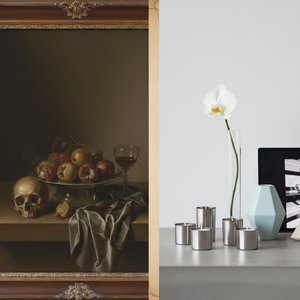
The Enduring Appeal of Still Life: A Historical & Contemporary Exploration
Explore the rich history & symbolism of still life painting with OriginalUniqueArt. Discover masterpieces from the Dutch Golden Age, learn about vanitas art, and find expert guidance for collecting timeless artworks.

The Enduring Legacy of Oil on Canvas: Technique, History & Aesthetic Impact
Explore the rich history & techniques of oil painting – from Renaissance masters to Impressionism. Discover pigments, layering methods, and why this timeless medium endures. Expert insights for artists & art enthusiasts.

Oil on Canvas: A Historical & Technical Exploration of a Timeless Artistic Medium
Explore the rich history & enduring techniques of oil painting on canvas. Discover the science behind its longevity, conservation practices, and contemporary relevance. Expert insights for art enthusiasts.

The Enduring Power of Painting: A Historical & Contemporary Exploration of Form and Emotion
Explore the rich history & enduring techniques of oil painting with OriginalUniqueArt. Discover masterpieces, learn about art collecting, and find authentic handmade reproductions crafted by skilled artists.


