
 Se i rummet
 Del som kort
 Del
Del
 Detaljer
 Guide
Guide

 Download
 Lignende værker
 Røntgenundersøgelse
 Diasshow
 Spørgsmål og svar
 Statistikker
Romans of the Decadence

- 466.0 x 773.0 cm


 Vis mere
Giclée / Kunsttryk
Giclée- eller lærredstryk i museumskvalitet med hurtig produktion og fleksible muligheder for finish. ( Køb håndmalet maleri Skift til digitalt billede)




P118B Dkr10

P118H Dkr10

P118W Dkr10

P438Z Dkr10

P508JH Dkr12

P508YH Dkr12

P805H Dkr10

P805Z Dkr10

P919BZ Dkr10

P919G Dkr10

P919XJ Dkr10

P959ZH Dkr10

P968JZ Dkr12

W106C Dkr8

W218G Dkr10

W218JH Dkr8

W218Y Dkr10

W307PJ Dkr10

W316G Dkr10

W316PJ Dkr8

W316Y Dkr10

W398PJ Dkr8

W4111J Dkr10

W500HY Dkr15

W500JH Dkr15

W692G Dkr12

W849H Dkr8

W940BG Dkr15

W953PJ Dkr8




Vælg mellem vores forudindstillede størrelser, der matcher kunstværkets originale proportioner.

Indtast den bredde og højde, du har brug for, så det passer til din ramme eller din væg. Et print kan kun beskæres, aldrig gøres større end selve billedet, så en størrelse med et andet format vil medføre, at dele af motivet går tabt. Vi sender dig en digital mockup til godkendelse, før vi printer noget. Billedet vist på denne side viser ikke den faktiske beskæring — det er kun mockuppen, der gør.
Verdensomspændende levering () på 2 uger i stedet for de sædvanlige 4/5 uger. (8 november)

Gratis ekspresforsendelse til hele verden

Lærred af linned i høj kvalitet

Fuld transportforsikring

Garanti for refusion af told og importafgifter

Garanti for præcis farvegengivelse

100 dages returret ved fabrikationsfejl

100% fuld returret

Mængderabat ved flere køb
 Glasmulighed er kun tilgængelig i størrelser under 110 cm

Romans of the Decadence
Giclée / Kunsttryk
Størrelse på reproduktion
-


Samlet pris
Dkr 540
A Monumental Vision of Antiquity
In the hallowed, quiet corridors of the Musée d'Orsay, there exists a window into a world of fading glory, captured through the masterful lens of Thomas Couture. His 1847 masterpiece, Romans in Their Decadence, is far more than a mere historical tableau; it is a visceral exploration of an empire in its twilight. This colossal oil on canvas, measuring an imposing 466 x 773 cm, stands as an arresting testament to the artistic fervor of the mid-nineteenth century—a period grappling with shifting intellectual currents and a profound yearning for a return to classical ideals. The painting presents a lavish gathering of figures within an opulent architectural setting, where the grandeur of ancient Rome meets the inevitable shadow of moral and societal erosion.
The composition pulsates with a restless dynamism, capturing a crowded scene that feels almost like a tableau vivant—a staged event designed to overwhelm the senses. As the viewer’s eye wanders through the dense arrangement of bodies, one encounters a symphony of movement: figures dancing, conversing, reclining, and observing in a state of luxurious excess. At the heart of this chaotic splendor, a statue of Venus stands prominently on a pedestal, framed by majestic Corinthian columns. This central icon serves as a silent witness to the surrounding revelry, embodying the very beauty and passion that the era's decadence sought to consume.
The Intersection of Neoclassicism and Romantic Emotion
Couture’s technical prowess lies in his ability to bridge two seemingly opposing worlds: the disciplined precision of Neoclassicism and the emotive turbulence of Romanticism. The architectural details—the meticulously rendered stone, the geometric stability of the arches, and the idealized forms of the figures—speak to a deep respect for classical tradition. Yet, this structural rigidity is infused with a Romantic soul through dramatic lighting and deeply expressive faces. A strong, theatrical light source illuminates the central area, casting long, heavy shadows that enhance the sense of depth and volume, creating an atmosphere that is simultaneously magnificent and haunting.
<The color palette further reinforces this emotional duality. Dominated by warm, earthy tones—rich browns, deep reds, and shimmering golds—the painting evokes a sense of heat, passion, and material wealth. These are sharply contrasted against cooler blues and whites found in the architectural elements and flowing drapery, providing a visual tension that mirrors the societal tension within the subject matter itself. Through layered brushwork and a sophisticated use of texture, Couture breathes life into fabric, skin, and stone, making the decadence feel tangibly present.
A Legacy for the Discerning Collector
For the art lover, the collector, or the interior designer, Romans in Their Decadence offers more than just historical interest; it provides a profound emotional resonance. It is a piece that commands attention, making it an ideal centerpiece for spaces that celebrate drama, history, and classical elegance. Whether placed in a grand salon or a sophisticated study, a high-quality reproduction of this work brings with it the weight of history and the spirit of rebellion that defined Couture’s career.
Owning a piece inspired by this masterpiece allows one to inhabit the tension between strength and decay, beauty and excess. It serves as a constant reminder of the cyclical nature of empires and the enduring power of art to capture the fleeting moments of human history. For those seeking to infuse their surroundings with a sense of monumental scale and narrative depth, Couture’s vision remains an unparalleled source of inspiration.
Spørgsmål og svar
Hvilken national oprindelse ligger bag Academic Art i "Romans of the Decadence"?
Det Academic Art værk "Romans of the Decadence" blev skabt af en kunstner født i Frankrig.
Hvilken farvepalette er brugt i "Romans of the Decadence" af Thomas Couture?
Farvepaletten i "Romans of the Decadence" af Thomas Couture beskrives som Earthy. Det er en kortfattet beskrivelse af værkets farver.
Hvor placerer "Romans of the Decadence" sig i forhold til Thomas Coutures samlede værk?
"Romans of the Decadence" er et værk fra Thomas Coutures Academic Art-periode, hvis gennemgående temaer inkluderer raphael's influence, classical ideals, roman decadence critique", 19th-century moral anxieties, romanticism's dramatic flair, couture's historical narratives, teaching & artistic legacy, exploring societal decline".
Kunstnerbiografi
Thomas Couture (1815–1879) - Kunstnerens Liv og Efterladenskab
Thomas Couture var en dansk-fransk kunsthistoriker og maler født i Senlis, Oise, Frankrig den 21. december 1815 og døde den 30. marts 1879 i Villiers-le-Bel, Île-de-France. Han blev uddannet på École des Beaux-Arts i Paris og var kendt for sine historiske malerier og sin betydelige rolle som kunstlærer, hvor han havde stor indflydelse på flere af kunsthistoriens mest fremtrædende personer. Couture var en pionér inden for romantikken og realismen og udfordrede akademisk kunstens konventioner samtidig med at han perfektionerede dets teknikker. Hans kunstneriske rejse var præget af både succes og tilbagefald, hvilket drev hans konstante søgen efter autenticitet og innovation.Tidlig Liv og Uddannelse
Couture blev født ind i en familie hvor hans far Jean Couture var skomager og havde fokus på at udvikle Thomas’ klassiske uddannelse. På trods af denne støtte kæmpede Thomas Couture med en følelse af usikkerhed omkring sin egen kunstneriske udvikling, hvilket førte til flere forsøg på at finde sin vej inden for kunstens verden. Efter École des Beaux-Arts fik han mulighed for at studere under Antoine Gros og Paul Delaroche, hvor han blev præsenteret for både akademisk tradition og nye perspektiver på kunstproduktion. Disse erfaringer var afgørende for hans senere udvikling som kunstner og kunstlærer. Hans tidlige interesse for klassiske ideer og teknikker ville senere forme hans kunstneriske stil og hans filosofi om kunstens rolle i samfundet.Romantikken og Akademisk Kunst
Couture blev født ind i en familie hvor hans far Jean Couture var skomager og havde fokus på at udvikle Thomas’ klassiske uddannelse. På trods af denne støtte kæmpede Thomas Couture med en følelse af usikkerhed omkring sin egen kunstneriske udvikling, hvilket førte til flere forsøg på at finde sin vej inden for kunstens verden. Efter École des Beaux-Arts fik han mulighed for at studere under Antoine Gros og Paul Delaroche, hvor han blev præsenteret for både akademisk tradition og nye perspektiver på kunstproduktion. Disse erfaringer var afgørende for hans senere udvikling som kunstner og kunstlærer. Hans tidlige interesse for klassiske ideer og teknikker ville senere forme hans kunstneriske stil og hans filosofi om kunstens rolle i samfundet. Han blev født ind i en familie hvor hans far Jean Couture var skomager og havde fokus på at udvikle Thomas’ klassiske uddannelse. På trods af denne støtte kæmpede Thomas Couture med en følelse af usikkerhed omkring sin egen kunstneriske udvikling, hvilket førte til flere forsøg på at finde sin vej inden for kunstens verden. Efter École des Beaux-Arts fik han mulighed for at studere under Antoine Gros og Paul Delaroche, hvor han blev præsenteret for både akademisk tradition og nye perspektiver på kunstproduktion. Disse erfaringer var afgørende for hans senere udvikling som kunstner og kunstlærer. Hans tidlige interesse for klassiske ideer og teknikker ville senere forme hans kunstneriske stil og hans filosofi om kunstens rolle i samfundet. Han blev født ind i en familie hvor hans far Jean Couture var skomager og havde fokus på at udvikle Thomas’ klassiske uddannelse. På trods af denne støtte kæmpede Thomas Couture med en følelse af usikkerhed omkring sin egen kunstneriske udvikling, hvilket førte til flere forsøg på at finde sin vej inden for kunstens verden. Efter École des Beaux-Arts fik han mulighed for at studere under Antoine Gros og Paul Delaroche, hvor han blev præsenteret for både akademisk tradition og nye perspektiver på kunstproduktion. Disse erfaringer var afgørende for hans senere udvikling som kunstner og kunstlærer. Hans tidlige interesse for klassiske ideer og teknikker ville senere forme hans kunstneriske stil og hans filosofi om kunstens rolle i samfundet. Han blev født ind i en familie hvor hans far Jean Couture var skomager og havde fokus på at udvikle Thomas’ klassiske uddannelse. På trods af denne støtte kæmpede Thomas Couture med en følelse af usikkerhed omkring sin egen kunstneriske udvikling, hvilket førte til flere forsøg på at finde sin vej inden for kunstens verden. Efter École des Beaux-Arts fik han mulighed for at studere under Antoine Gros og Paul Delaroche, hvor han blev præsenteret for både akademisk tradition og nye perspektiver på kunstproduktion. Disse erfaringer var afgørende for hans senere udvikling som kunstner og kunstlærer. Hans tidlige interesse for klassiske ideer og teknikker ville senere forme hans kunstneriske stil og hans filosofi om kunstens rolle i samfundet. Han blev født ind i en familie hvor hans far Jean Couture var skomager og havde fokus på at udvikle Thomas’ klassiske uddannelse. På trods af denne støtte kæmpede Thomas Couture med en følelse af usikkerhed omkring sin egen kunstneriske udvikling, hvilket førte til flere forsøg på at finde sin vej inden for kunstens verden. Efter École des Beaux-Arts fik han mulighed for at studere under Antoine Gros og Paul Delaroche, hvor han blev præsenteret for både akademisk tradition og nye perspektiver på kunstproduktion. Disse erfaringer var afgørende for hans senere udvikling som kunstner og kunstlærer. Hans tidlige interesse for klassiske ideer og teknikker ville senere forme hans kunstneriske stil og hans filosofi om kunstens rolle i samfundet. Han blev født ind i en familie hvor hans far Jean Couture var skomager og havde fokus på at udvikle Thomas’ klassiske uddannelse. På trods af denne støtte kæmpede Thomas Couture med en følelse af usikkerhed omkring sin egen kunstneriske udvikling, hvilket førte til flere forsøg på at finde sin vej inden for kunstens verden. Efter École des Beaux-Arts fik han mulighed for at studere under Antoine Gros og Paul Delaroche, hvor han blev præsenteret for både akademisk tradition og nye perspektiver på kunstproduktion. Disse erfaringer var afgørende for hans senere udvikling som kunstner og kunstlærer. Hans tidlige interesse for klassiske ideer og teknikker ville senere forme hans kunstneriske stil og hans filosofi om kunstens rolle i samfundet. Han blev født ind i en familie hvor hans far Jean Couture var skomager og havde fokus på at udvikle Thomas’ klassiske uddannelse. På trods af denne støtte kæmpede Thomas Couture med en følelse af usikkerhed omkring sin egen kunstneriske udvikling, hvilket førte til flere forsøg på at finde sin vej inden for kunstens verden. Efter École des Beaux-Arts fik han mulighed for at studere under Antoine Gros og Paul Delaroche, hvor han blev præsenteret for både akademisk tradition og nye perspektiver på kunstproduktion. Disse erfaringer var afgørende for hans senere udvikling som kunstner og kunstlærer. Hans tidlige interesse for klassiske ideer og teknikker ville senere forme hans kunstneriske stil og hans filosofi om kunstens rolle i samfundet. Han blev født ind i en familie hvor hans far Jean Couture var skomager og havde fokus på at udvikle Thomas’ klassiske uddannelse. På trods af denne støtte kæmpede Thomas Couture med en følelse af usikkerhed omkring sin egen kunstneriske udvikling, hvilket førte til flere forsøg på at finde sin vej inden for kunstens verden. Efter École des Beaux-Arts fik han mulighed for at studere under Antoine Gros og Paul Delaroche, hvor han blev præsenteret for både akademisk tradition og nye perspektiver på kunstproduktion. Disse erfaringer var afgørende for hans senere udvikling som kunstner og kunstlærer. Hans tidlige interesse for klassiske ideer og teknikker ville senere forme hans kunstneriske stil og hans filosofi om kunstens rolle i samfundet. Han blev født ind i en familie hvor hans far Jean Couture var skomager og havde fokus på at udvikle Thomas’ klassiske uddannelse. På trods af denne støtte kæmpede Thomas Couture med en følelse af usikkerhed omkring sin egen kunstneriske udvikling, hvilket førte til flere forsøg på at finde sin vej inden for kunstens verden. Efter École des Beaux-Arts fik han mulighed for at studere under Antoine Gros og Paul Delaroche, hvor han blev præsenteret for både akademisk tradition og nye perspektiver på kunstproduktion. Disse erfaringer var afgørende for hans senere udvikling som kunstner og kunstlærer. Hans tidlige interesse for klassiske ideer og teknikker ville senere forme hans kunstneriske stil og hans filosofi om kunstens rolle i samfundet. Han
Thomas Couture
1815 - 1879 , Frankrig
Kort om kunstneren
- Artistic Movement Or Style: Romantik og Realisme
- Artists Or Movements Influenced By This Artist:
- Édouard Manet
- Henri Fantin-Latour
- Artists Who Influenced This Artist:
- Antoine-Jean Gros
- Paul Delaroche
- Date Of Birth: 21 december 1815
- Date Of Death: 30 marts 1879
- Full Name: Thomas Couture
- Nationality: Fransk
- Notable Artworks:
- Romans During the Decadence
- Ud af Firenze fra San Miniato
- Place Of Birth: Senlis, Frankrig
Relaterede artikler
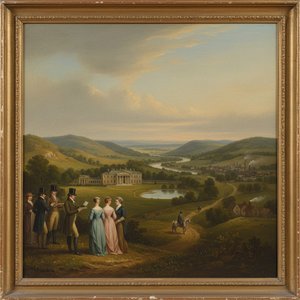
Thomas Barker of Bath: Landscape Painting & Societal Reflection in Early 19th-Century England
Explore the life & work of Thomas Barker of Bath, a key figure in 19th-century English Romanticism. Discover his Parisian success, iconic paintings like 'The Bride of Death', and lasting artistic legacy. Learn more at OriginalUniqueArt.

Det 19. Århundredes Mestre: Top 10 Kunstværker til Din Bolig
Oplev 19. århundredets kunst gennem 10 ikoniske mesterværker! Fra Monet og Manet til Courbet – udforsk romantik, impressionisme & realisme. Find museumskvalitets reproduktioner og inspiration til din bolig på OriginalUniqueArt.com

Academic Art: Tradition, Technique & the Pursuit of Ideal Form in the 19th Century
Explore the world of Academic Art! Discover its history, key artists like Ingres & Bouguereau, defining techniques, and lasting influence on 19th-century painting. Learn about the Salon system and its legacy.
Akademisk Realisme: Top 10 Mesterværker der Definerede Kunsten – OriginalUniqueArt.dk
Oplev Akademisk Realismes 10 største mesterværker! Dyk ned i historien bag David, Ingres og Bouguereaus ikoniske malerier. Find museumskvalitets reproduktioner & inspiration til din indretning på OriginalUniqueArt.com.
Academic Art: Tradition, Technique & the Rise of Modernism
Explore the rich history of Academic Art – its techniques, key masters like Bouguereau & Ingres, and influence on 19th-century painting. Discover this enduring tradition.


