
 Se i rummet
 Del som kort
 Del
Del
 Detaljer
 Guide
Guide

 Download
 Lignende værker
 Røntgenundersøgelse
 Diasshow
 Q&A
Q&A Statistikker
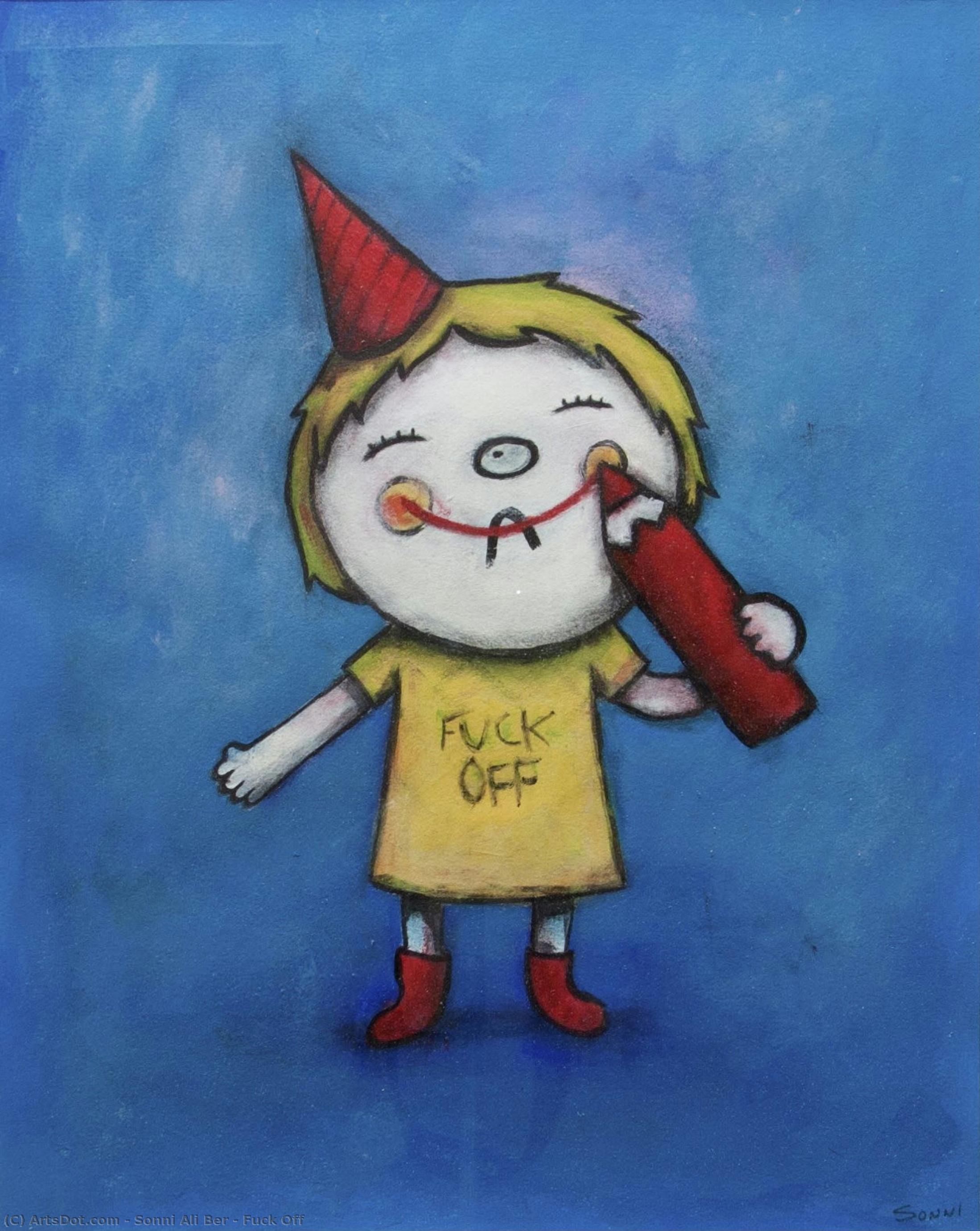
Fuck Off
 Acrylic On Paper
- Contemporary Art
 Contemporary
 40.0 x 50.0 cm
 Graffitimundo
 Vis mere
Giclée / Kunsttryk
Giclée- eller lærredstryk i museumskvalitet med hurtig produktion og fleksible muligheder for finish. ( Køb håndmalet maleri Skift til digitalt billede)




P118B Dkr10

P118H Dkr10

P118W Dkr10

P438Z Dkr10

P508JH Dkr12

P508YH Dkr12

P805H Dkr10

P805Z Dkr10

P919BZ Dkr10

P919G Dkr10

P919XJ Dkr10

P959ZH Dkr10

P968JZ Dkr12

W106C Dkr8

W218G Dkr10

W218JH Dkr8

W218Y Dkr10

W307PJ Dkr10

W316G Dkr10

W316PJ Dkr8

W316Y Dkr10

W398PJ Dkr8

W4111J Dkr10

W500HY Dkr15

W500JH Dkr15

W692G Dkr12

W849H Dkr8

W940BG Dkr15

W953PJ Dkr8




Vælg mellem vores forudindstillede størrelser, der matcher kunstværkets originale proportioner.

Indtast den bredde og højde, du har brug for, så det passer til din ramme eller din væg. Et print kan kun beskæres, aldrig gøres større end selve billedet, så en størrelse med et andet format vil medføre, at dele af motivet går tabt. Vi sender dig en digital mockup til godkendelse, før vi printer noget. Billedet vist på denne side viser ikke den faktiske beskæring — det er kun mockuppen, der gør.
Verdensomspændende levering () på 2 uger i stedet for de sædvanlige 4/5 uger. (30 oktober)

Gratis ekspresforsendelse til hele verden

Lærred af linned i høj kvalitet

Fuld transportforsikring

Garanti for refusion af told og importafgifter

Garanti for præcis farvegengivelse

100 dages returret ved fabrikationsfejl

100% fuld returret

Mængderabat ved flere køb
 Glasmulighed er kun tilgængelig i størrelser under 110 cm

Fuck Off
Giclée / Kunsttryk
Størrelse på reproduktion
-


Samlet pris
Dkr 537
Spørgsmål og svar
Hvordan kan jeg købe en digital fil af "Fuck Off" af Sonni Ali Ber?
Et digitalt billede af "Fuck Off" af Sonni Ali Ber kan købes på siden for Digitalt billede: et højopløseligt digitalt billeddownload.
Hvilken historisk periode stammer "Fuck Off" af Sonni Ali Ber fra?
"Fuck Off" af Sonni Ali Ber stammer fra Contemporary-perioden, som giver den historiske kontekst til værket.
Hvilken stemning bringer "Fuck Off" af Sonni Ali Ber til et interiør?
"Fuck Off" af Sonni Ali Ber har en Bold atmosfære og anbefales til et Coffee Shop. Stemningen er det, som værket bringer til de omkringliggende omgivelser.
Relaterede artikler
Roy Lichtensteins 25 Mesterværker: Pop Art Ikoner til Dit Hjem | OriginalUniqueArt
Oplev Roy Lichtensteins 25 mest ikoniske pop art værker. Dyk ned i historien bag kunstneren, teknikken og farverne der definerede en æra. Find museumskvalitets reproduktioner og inspiration til dit hjem på OriginalUniqueArt.com
Top 10 Mesterværker i Kromgul: Kunst, Historie og Indretningsinspiration
Oplev top 10 berømte malerier domineret af kromgul! Fra Van Goghs solsikker til Monets impressionisme – udforsk kunsthistorien, farvernes betydning og find inspiration til din boligindretning. Køb museumskvalitets reproduktioner på OriginalUniqueArt.com.
The Golden Hue: Exploring Symbolism & Emotion in Yellow Art
Explore the rich symbolism & emotional power of yellow in art history! From Van Gogh to Kandinsky, discover how artists used this vibrant hue. Expert analysis & high-quality reproductions at OriginalUniqueArt.
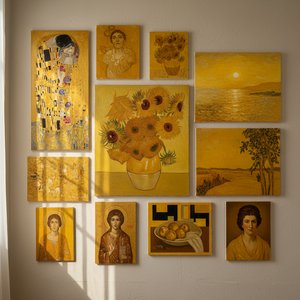
Top 10 Berømte Malerier Domineret af Okkergule Nuancer – Kunst og Indretning
Oplev de 10 mest berømte malerier domineret af okkergule nuancer! Fra Van Gogh til Monet – dyk ned i kunsthistorien og lær om teknikken bag disse tidløse mesterværker. Find din perfekte reproduktion på OriginalUniqueArt.com.
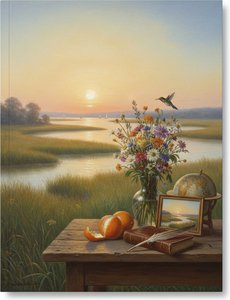
Martin Johnson Heade: Luminism, American Identity & the Poetic Still Life
Explore the captivating world of Martin Johnson Heade, a master of Luminism. Discover his serene landscapes, vibrant still lifes & profound connection to American identity. Learn about his techniques and legacy.