

 Se i rummet
 Send
Send Del
Del
 Detaljer
 Studieguide til kunstværker

 Download
 Lignende værker
 Røntgenundersøgelse
 Se diasshow
 Statistik
The First Communion
 Acrylic On Canvas
- WallArt
- Post-Impressionism
 1907
1907 58.0 x 53.0 cm
 National Trust
 Læs mere
Håndlavet oliereproduktion
Håndmalet olie på lærred i din valgte størrelse og ramme, udført efter bestilling af vores kunstnere. ( Skift til printversion Skift til digitalt billede)




P118B Dkr10

P118H Dkr10

P118W Dkr10

P438Z Dkr10

P508JH Dkr12

P508YH Dkr12

P805H Dkr10

P805Z Dkr10

P919BZ Dkr10

P919G Dkr10

P919XJ Dkr10

P959ZH Dkr10

P968JZ Dkr12

W106C Dkr8

W218G Dkr10

W218JH Dkr8

W218Y Dkr10

W307PJ Dkr10

W316G Dkr10

W316PJ Dkr8

W316Y Dkr10

W398PJ Dkr8

W4111J Dkr10

W500HY Dkr15

W500JH Dkr15

W692G Dkr12

W849H Dkr8

W940BG Dkr15

W953PJ Dkr8




Vælg mellem vores forudindstillede størrelser, der matcher kunstværkets originale proportioner.

Indtast den bredde og højde, du har brug for, så det passer til din ramme eller din væg. Da dette er håndmalet, kan kunstneren ved en anden form på størrelsen male lidt mere rundt om billedet eller skære lidt væk — det er op til dig. Vi sender dig et digitalt mockup til godkendelse, før maleriet påbegyndes. Billedet, der vises på denne side, viser ikke det endelige resultat — det er kun mockuppet, der gør.
Efter bestilling vil OriginalUniqueArt.com team sende en e-mail til kunden for at indhente instruktioner og fremsende et udkast til gennemgang.
Levering i hele verden () på 3-4 uger i stedet for de standard 5 uger. (25 oktober). Ingen kompromiser med kvaliteten.

Gratis ekspresforsendelse til hele verden

Lærred af linned i høj kvalitet

Komplet transportforsikring

Garanti for refusion af told og importafgifter

Garanti for autentisk farvegengivelse

100 dages returret ved fabrikationsfejl

100% fuld returret

Mængderabat ved flere køb
 Glasmulighed er kun tilgængelig i størrelser under 110 cm

The First Communion
Reproduktionsmateriale
Reproduktionsstørrelse
-


Samlet pris
Dkr 1968
A Moment Frozen in Time: Sir William Nicholson’s “The First Communion”
Sir William Nicholson's "The First Communion," painted in 1907, isn’t merely a depiction of a religious ceremony; it’s a poignant snapshot of Victorian England imbued with a delicate blend of realism and sentimentalism. The painting captures a young girl, poised on the steps of an unassuming building – likely a church or community hall – as she prepares to receive her First Communion. Her posture, slightly hesitant yet undeniably hopeful, immediately draws the viewer in, establishing a quiet intimacy that transcends the formal setting. Nicholson masterfully utilizes light and shadow, bathing the scene in a soft, diffused glow that emphasizes the girl’s youthful face and the simple elegance of her white dress. The background, subtly rendered with a streetscape and a distant building, provides context without distracting from the central subject – a testament to Nicholson's skill in balancing detail and atmosphere.
The Beggarstaff Legacy and Artistic Influences
Understanding “The First Communion” requires acknowledging Sir William Nicholson’s place within the broader artistic landscape of his time. He was a key figure in the Beggarstaff partnership, alongside James Pryde, renowned for their groundbreaking graphic work – posters, illustrations, and designs that challenged Victorian conventions with their bold lines, dynamic compositions, and often satirical wit. This experience profoundly shaped Nicholson's approach to painting, instilling a keen eye for composition, color, and capturing fleeting moments of everyday life. The influence of the Pre-Raphaelites is also evident in the painting’s meticulous attention to detail and its focus on portraying human emotion with remarkable sensitivity. The careful rendering of textures – the fabric of the dress, the worn steps – speaks to a desire for realism tempered by an artistic vision.
Symbolism and Victorian Values
“The First Communion” is rich in symbolic meaning, deeply rooted in the values of the late 19th century. The girl’s white dress represents purity and innocence, a visual shorthand for her transition into adulthood and her acceptance within the Christian community. Her hesitant posture suggests both vulnerability and anticipation – she's on the cusp of a significant religious experience. The presence of other figures in the background—a man standing near the left side, another on the right, and two individuals closer to the center—adds a layer of social context, hinting at a community gathered to witness this important rite of passage. The clock mounted on the building’s exterior wall subtly references time and the passage of life, reinforcing the painting's theme of transition and growth. The bird flying above adds an element of lightness and hope, suggesting that this moment marks the beginning of a bright future.
A Window into Victorian Life and Nicholson’s Vision
Beyond its religious subject matter, “The First Communion” offers a valuable glimpse into Victorian society. The modest setting, the everyday attire of the figures, and the quiet dignity of the scene all speak to the values of restraint, piety, and community that were prevalent at the time. Nicholson’s ability to capture this atmosphere with such sensitivity is remarkable. He doesn't simply depict a religious ceremony; he creates a compelling portrait of a moment in time—a moment filled with hope, innocence, and the quiet beauty of human connection. The painting remains a powerful testament to Nicholson’s artistic talent and his profound understanding of the human condition. Reproductions of this evocative work continue to resonate with viewers today, offering a timeless reflection on faith, childhood, and the enduring power of art.
Spørgsmål & svar
Hvor intense er farverne i "The First Communion" af William Nicholson?
Farveintensiteten i "The First Communion" er Balanced. Intensitet beskriver, hvor kraftige farverne fremstår.
Opbevares "The First Communion" af William Nicholson i kunstnerens hjemland?
Ja – kunstværket opbevares i kunstnerens hjemland. "The First Communion" findes i Storbritannien, mens William Nicholson blev født i Storbritannien.
Hvor kan jeg se en forhåndsvisning af "The First Communion"?
For at se en forhåndsvisning af en reproduktion af "The First Communion" af William Nicholson, skal du åbne værkets Forhåndsvisning-side.
Om kunstneren
Early Life and Artistic Beginnings
Sir William Newzam Prior Nicholson, født i Newark-on-Trent den 5. februar 1872, trådte ind i en verden der blandede industriel praktisk sans med kunstnerisk følsomhed. Hans far, en succesfuld ingeniør og konservativ parlamentsmedlem, indgydte en følelse af disciplin, mens hans mors slægtskab forbundt ham med den æstetiske tradition i Oxfordshire. Fra en ung alder viste Nicholson en talent for kunst, der blev plejet af William Cubley, en lokal maler og kunstlærer, der selv sporede sine kunstneriske rødder tilbage til Sir Joshua Reynolds. Denne tidlige eksponering lagde grundlaget for en karriere, der skulle spænde over forskellige medier og stilarter. Et kortvarigt ophold på Hubert von Herkomers kunstskole viste sig at være afgørende, ikke kun for at finpudse hans færdigheder, men også for at introducere ham til Mabel Pryde, som han ville blive gift med og en essentiel samarbejdspartner i hans spirende kunstneriske rejse. Det var gennem Mabel, at han mødte hendes bror, James Pryde, et partnerskab der snart revolutionerede verden af grafisk design.The Beggarstaffs and a Revolution in Poster Art
Samarbejdet mellem William Nicholson og James Pryde, kendt som “J. & W. Beggarstaff,” markerede et vendepunkt i britisk visuel kultur. Afvisende den dominerende ornate æstetik af victorianske plakater, omfavnede de en dristig enkelhed karakteriseret af slående silhuetter, flade farveplaner og en bevidst afvisning af traditionel perspektiv. Deres designs var ikke blot reklamer; de var erklæringer – kraftfulde, grafiske kompositioner, der fangede offentlighedens fantasi. Plakater for produktioner som *Don Quixote* og publikationer såsom *Harper’s Magazine* blev øjeblikkeligt genkendelige, og påvirkede en hel generation af kunstnere og designere. Denne periode var ikke blot om kommerciel kunst; det var om at omskrive visuel kommunikation selv. Beggarstaffs' arbejde udfordrede konventioner og banede vejen for moderne grafisk design og etablerede Nicholson’s ry som en innovator. Deres indflydelse resonerede langt ud over plakaterne, påvirkede illustration og endda maleri med deres fokus på stærke former og bevidst komposition.Fra Woodcuts til Portraits: En Udviklende Stil
Efter opløsningen af Beggarstaff-partnerskabet, tog Nicholson en periode med stilistisk udforskning. Han vendte sin opmærksomhed mod woodcut og wood-engraving, teknikker der tillod ham at finpudse sin mesterskab i linje og form. Inspireret af den indflydelsesrige James Abbott McNeill Whistler, omfavnede han disse metoder, producerede intrikate og evocative tryk, der viste hans voksende kunstneriske modenhed. Disse værker demonstrerede en bemærkelsesværdig evne til at fange essensen med minimal detalje, en kvalitet, der ville blive et kendetegn ved hans stil. Samtidigt etablerede Nicholson sig som portrætmaler, og modtog kommissioner fra fremtrædende personer i tiden. Hans portrætter var ikke blot ligheder; de var indsigtfulde studier af karakter, der afslørede deres undersider gennem subtile nuancer af udtryk og positur. Værker som *Lady in Furs, Mme. P.* illustrerer denne færdighed, fanger ikke kun fysisk fremtoning, men også en følelse af personlighed og social status.Still Life, Landscape, and Lasting Legacy
I de senere faser af sin karriere fokuserede Nicholson i stigende grad på still life og landskabsmaleri. Hans still lifes, såsom *The Lowestoft Bowl*, er fejret for deres udsøgte opmærksomhed på detaljer, harmoniske farvepaletter og en stille følelse af intimitet. Han indgydede almindelige objekter med en poetisk kvalitet, hævede dem over blot repræsentation til at blive symboler på skønhed og refleksion. Hans landskaber, ofte malet fra scenerne i sine rejser i Spanien og Italien, fanger lysets og atmosfærens essens med bemærkelsesværdig dygtighed. I løbet af sit liv forblev Nicholson en alsidig kunstner, der konstant eksperimenterede med nye teknikker og tilgange. Han skrev børnebøger, designede for teatret og fortsatte med at producere tryk sammen med sine malerier. Sir William Nicholson’s indflydelse strækker sig ud over hans egen produktive output; han inspirerede generationer af kunstnere med sit engagement i håndværket, sin innovative ånd og sin evne til at finde skønhed i det almindelige. Hans værk er et vidnesbyrd om kunstens kraft til at belyse den menneskelige oplevelse og transformere vores opfattelse af verden omkring os. *Han døde i 1949*, efterlod en rig kunstnerisk arv, der fortsat fanger og inspirerer i dag.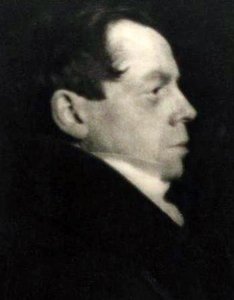
William Nicholson
1872 - 1949 , Storbritannien
Hurtige fakta
- Artistic Movement Or Style: Still-liv, portrætter
- Artists Or Movements Influenced By This Artist: ['Beggarstaffs']
- Artists Who Influenced This Artist:
- Whistler
- James Pryde
- Date Of Birth: 5. februar 1872
- Date Of Death: 16. maj 1949
- Full Name: Sir William Newzam Prior Nicholson
- Nationality: Britisk
- Notable Artworks:
- Lady in Furs
- Plaza de toros
- Place Of Birth: Newark, England
Relaterede artikler
Sir William Nicholson: A Study in Post-Impressionist Portraiture & Decorative Modernism
Explore the life & work of Sir William Nicholson, a pivotal British Post-Impressionist painter. Discover his striking portraits, innovative woodcuts, and lasting influence on early 20th-century art. Expert insights for collectors.
Penry Williams: Evoking Welsh Nostalgia Through Impressionistic Landscapes
Explore the captivating world of Penry Williams (1802-1885), a Welsh artist renowned for his evocative Impressionistic landscapes and scenes of Italy. Discover his life, style & legacy with OriginalUniqueArt.
Sacred Narratives on Canvas: Exploring Religious Painting Through History
Explore the rich history of religious painting with OriginalUniqueArt.com! Discover iconic artworks, symbolism & techniques from antiquity to the Renaissance. Enhance your art appreciation today.

Ben Nicholson OM: Modernism's Abstract Pioneer & the Poetics of Relief
Explore the revolutionary abstract art of Ben Nicholson OM. Discover his geometric masterpieces, collaborations with Barbara Hepworth & investment potential. Expert insights for collectors.
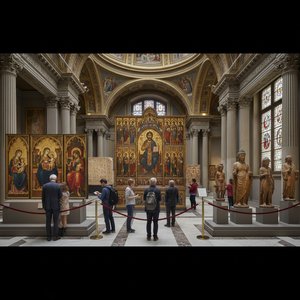
Sacred Narratives Embodied: A Comprehensive Exploration of Religious Iconography in Art History
Explore the rich history of religious iconography in art! Discover symbolism, movements & masterpieces from Byzantine to Renaissance periods. Expert insights for collectors and enthusiasts at OriginalUniqueArt.
