Se i rummet
 Send
Send Del
Del
 Detaljer
 Studieguide til kunstværker

 Download
 Lignende værker
 Røntgenundersøgelse
 Se diasshow
 Statistik
Abraham and Isaac
 Oil On Canvas
- WallArt
- Baroque
 1617
1617 119.0 x 178.0 cm
 National Gallery Prague
 Læs mere
Giclée / Kunsttryk
Giclée- eller lærredstryk i museumskvalitet med hurtig produktion og fleksible muligheder for finish. ( Bestil håndmalet reproduktion Skift til digitalt billede)




P118B Dkr10

P118H Dkr10

P118W Dkr10

P438Z Dkr10

P508JH Dkr12

P508YH Dkr12

P805H Dkr10

P805Z Dkr10

P919BZ Dkr10

P919G Dkr10

P919XJ Dkr10

P959ZH Dkr10

P968JZ Dkr12

W106C Dkr8

W218G Dkr10

W218JH Dkr8

W218Y Dkr10

W307PJ Dkr10

W316G Dkr10

W316PJ Dkr8

W316Y Dkr10

W398PJ Dkr8

W4111J Dkr10

W500HY Dkr15

W500JH Dkr15

W692G Dkr12

W849H Dkr8

W940BG Dkr15

W953PJ Dkr8




Vælg mellem vores forudindstillede størrelser, der matcher kunstværkets originale proportioner.

Indtast den bredde og højde, du har brug for, så det passer til din ramme eller din væg. Et print kan kun beskæres, aldrig gøres større end billedet, så en størrelse med en anden form vil miste en del af motivet. Vi sender dig en digital mockup til godkendelse, før vi printer noget. Billedet vist på denne side viser ikke den faktiske beskæring — det er kun mockuppen, der gør.
Verdensomspændende levering () på 2 uger i stedet for de sædvanlige 4/5 uger. (26 oktober)

Gratis ekspresforsendelse til hele verden

Lærred af linned i høj kvalitet

Komplet transportforsikring

Garanti for refusion af told og importafgifter

Garanti for autentisk farvegengivelse

100 dages returret ved fabrikationsfejl

100% fuld returret

Mængderabat ved flere køb
 Glasmulighed er kun tilgængelig i størrelser under 110 cm

Abraham and Isaac
Giclée / Kunsttryk
Reproduktionsstørrelse
-


Samlet pris
Dkr 531
A Testament to Faith: Van Dyck’s Abraham and Isaac
Sir Anthony van Dyck's “Abraham and Isaac,” painted in 1617, is more than just a biblical scene; it’s a profound meditation on faith, obedience, and the agonizing weight of divine command. This masterful work transcends its religious subject matter to become a timeless exploration of human emotion and the complex relationship between man and God. Van Dyck, already establishing his signature style—characterized by elegant portraits and a remarkable ability to capture fleeting expressions—delves into this pivotal narrative with an intensity that resonates deeply even today.
The painting depicts the moment before Abraham is poised to sacrifice Isaac, as recounted in Genesis. The composition is remarkably balanced, drawing the eye immediately to the central figures of the father and son. Abraham, rendered with a dignified sorrow etched onto his face, holds Isaac firmly but gently, conveying both resolve and heartbreaking reluctance. Isaac’s youthful countenance reflects a mixture of apprehension and acceptance—a poignant testament to the boy's unwavering trust in his father’s judgment. The surrounding figures – servants, messengers, and the landscape itself – are rendered with subtle detail, contributing to the overall sense of drama and solemnity.
Baroque Drama: Technique and Composition
Van Dyck’s technical prowess is immediately evident in the painting's rich textures and masterful use of light. He employs a technique known as “sfumato,” blurring the edges of forms to create an atmospheric haze that envelops the scene, intensifying the emotional impact. The deep, saturated colors—particularly the earthy tones of Abraham’s robe and the muted blues of the sky—lend a sense of gravitas and timelessness to the composition. Van Dyck's brushwork is remarkably fluid, particularly in depicting the drapery, which flows with an almost sculptural quality. Note how he uses light to highlight key elements – Isaac’s face, Abraham’s hand – drawing attention to the central drama.
The painting adheres closely to the conventions of Baroque art, but Van Dyck infuses it with a distinctly personal touch. The composition is carefully structured around a triangular arrangement, anchoring the scene and directing the viewer's gaze towards the central figures. The use of perspective creates a sense of depth, drawing the viewer into the narrative and immersing them in the emotional intensity of the moment. Van Dyck’s ability to capture such nuanced emotion within a formal structure is a hallmark of his genius.
Symbolism and Interpretation
“Abraham and Isaac” is laden with symbolic meaning. The ram, sacrificed in place of Isaac, represents divine mercy and substitution—a powerful image of God's willingness to accept alternative offerings in lieu of human sacrifice. The mountain itself – Jehovah-jireh, “the Lord will provide” – symbolizes a moment of faith tested to its limits. It’s not merely a landscape; it’s a stage for the drama of divine revelation and humanity’s response to it.
Beyond the biblical narrative, the painting can be interpreted as an allegory of the human condition—a reflection on the challenges of obedience, the burden of responsibility, and the enduring struggle between faith and doubt. Abraham's anguish mirrors our own moments of uncertainty and moral dilemmas, while Isaac’s youthful acceptance speaks to the power of trust and unwavering belief. The painting invites viewers to contemplate their own relationship with faith, morality, and the choices they make in the face of adversity.
A Legacy of Elegance: Van Dyck's Enduring Influence
Sir Anthony van Dyck’s “Abraham and Isaac” stands as a testament to his artistic skill and profound understanding of human emotion. His masterful technique, combined with a keen awareness of symbolism and narrative depth, elevates the painting beyond a simple depiction of a biblical story. It remains a powerful and moving work of art, admired for its beauty, its emotional resonance, and its enduring relevance. Reproductions of this iconic piece capture the essence of Van Dyck’s genius, offering a glimpse into a world of elegance, drama, and timeless contemplation.
Spørgsmål & svar
Hvordan balancerer "Abraham and Isaac" lys og mørke?
De registrerede værdier for "Abraham and Isaac" af Antoon van Dyck er: deep_shadow lysstyrke, Dark luminans.
Hvilken stemning bringer "Abraham and Isaac" af Antoon van Dyck til et interiør?
"Abraham and Isaac" af Antoon van Dyck har en Elegant atmosfære og anbefales til et Living Room. Stemningen er det, som værket bringer til de omkringliggende omgivelser.
Er Antoon van Dyck, skaberen af "Abraham and Isaac", kendt under andre navne?
Andre navne registreret for Antoon van Dyck, skaberen af "Abraham and Isaac", inkluderer Anthony van Dyck, Van Dyck.
Om kunstneren
En flamsk mester ved Europas hoff
Sir Anthony van Dyck, født i Antwerpen i 1599, trådte frem som en af de mest berømte og indflydelsesrige portrætkunstnere i Baroktiden. Hans liv, tragisk afkortet ved blot 42 års alderen, var en vildturlig rejse af kunstnerisk udforskning og prestigefyldte bestillingsopgaver, der førte ham fra hans fødeplads Flandern til Italien og endelig til hjertet af den engelske hof. Fra en tidlig alder viste van Dyck bemærkelsesværdige talenter, hvor han som ung lærling trådte ind i Hendrick van Balens værksted og hurtigt absorberede de gældende stilarter på det tidspunkt. Men det var hans forbindelse med Peter Paul Rubens – ikke blot som elev, men som samarbejdspartner – der virkelig formede hans kunstneriske fundament. Han lærte af Rubenso’s dynamiske kompositioner, rige farvepaletter og mesterskab i at håndtere lys og skygge, men van Dyck begyndte hurtigt at forme sin egen distinkte vej, en præget af elegance og raffinement, der ville blive hans signatur.Italienske ophold og fødslen af en stil
De år, van Dyck tilbragte i Italien, begyndende omkring 1621, viste sig at være afgørende for hans kunstneriske udvikling. Han boede primært i Genova, hvor han fandt gunst hos byens aristokratiske familier. Det var her, han begyndte at kultivere den sofistikerede stil, han ville blive kendt for – en stil karakteriseret ved elegante positurer, luksuriøse stofdele og en næsten palpelig følelse af ærefrygt. I modsætning til Rubenso’s ofte robuste energi eksuderede van Dyck’s italienske portrætter en raffineret behagelighed, der fangede ikke kun fysisk lighed, men også den indre karakter og sociale status hos hans modtageres. Under denne periode tog han også *Iconografien*, en række minutiøst udarbejdede portræt-trykkort, der indeholdt prominente figurer fra sin tid – kunstnere, lærde og herskere. Dette projekt viste hans exceptionelle tekniske færdigheder og etablerede ham som en førende graver. Disse trykkort var ikke blot optagelser; de var omhyggeligt konstruerede billeder designet til at immortaliserer emnerne og formidle deres status og intellekt.Den kongelige maler: Van Dyck i England
I 1632 modtog van Dyck en invitation, der for altid ændrede hans karriereforløb – en opfordring fra Charles I af England til at blive hofmaler. Denne udnævnelse markerede et vendepunkt, ikke kun for van Dyck, men også for engelsk portrætkunst. Han ankom til London med en betydelig ry og hurtigt blev uundværlig for kongen, blevet sat til at skabe billeder, der projicerede et aura af magt, værdighed og guddommelig ret. Van Dyck’s portrætter af Charles I er særligt bemærkelsesværdige; han bevægede sig væk fra de stive, formelle repræsentationer, som tidligere kunstnere foretog sig, i stedet for at male kongen som en dynamisk, karismatisk leder. Han anvendte innovative teknikker – dramatisk belysning, strøbende gestikulationer og omhyggeligt udvalgte baggrunde – til at skabe billeder, der var både visuelt betagende og politisk ladede. Hans indflydelse spredtes ud over den kongelige familie og formåede at forme den engelske aristokratiets visuelle kultur i generationer fremover. Han malede ikke blot portrætter; han skabte et billede af kongedømmet, der påvirkede, hvordan monarkiet blev opfattet i over et århundrede.Arv og vedvarende indflydelse
Van Dyck’s pludselige død i 1641 fratog kunstverdenen en stor talentfuld person, men hans arv lever videre til denne dag. Hans indflydelse på engelsk portrætkunst er uforståelig; han etablerede en standard for elegance og raffinement, som efterfølgende kunstnere stræbte efter at imitere.- Teknisk innovation: Han var en mester i både oliemaleri og gravering, konstant eksperimenterende med nye teknikker.
- Stilistisk raffinement: Hans portrætter er karakteriseret ved deres elegante positurer, luksuriøse stofdele og subtile psykologiske indsigter.
- Hoflig indflydelse: Han transformerede billedet af det engelske monarki, skabte et visuelt sprog for magt og værdighed.
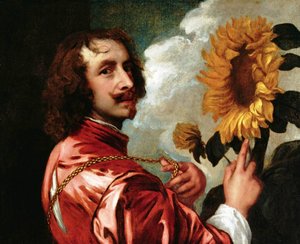
Antoon van Dyck
1599 - 1641 , Belgien
Hurtige fakta
- Artistic Movement Or Style: Barok
- Artists Or Movements Influenced By This Artist: ['Engelsk portrætmaleri']
- Artists Who Influenced This Artist: ['Peter Paul Rubens']
- Date Of Birth: 22. marts 1599
- Date Of Death: 9. december 1641
- Full Name: Sir Anthony van Dyck
- Nationality: Flemish
- Notable Artworks:
- Portræt af en mand
- Charles I's ridderportrætter
- Lord John Stuart
- Place Of Birth: Antwerpen, Belgien
Relaterede artikler
Cornelis van Poelenburch: Bridging Mannerism & the Dutch Baroque Landscape
Discover Cornelis van Poelenburch, a pivotal Dutch Baroque landscape painter bridging Mannerism & Italianate styles. Explore his life, key works, and lasting influence on 17th-century art with OriginalUniqueArt.
The Grandeur of Baroque Portraiture: Power, Emotion & Artistic Innovation
Explore the grandeur of Baroque portraiture! Discover Rubens, Van Dyck & the masters of 17th-century art. Uncover symbolism, techniques & lasting influence. Expert insights for collectors and enthusiasts.

Barokkens Mestre: Top 10 Kunstværker der Definerede en Æra | OriginalUniqueArt.dk
Oplev barokkens storhed! Dyk ned i 10 ikoniske kunstværker af Caravaggio, Rembrandt & Vermeer. Lær historierne bag mesterværkerne og find inspiration til din indretning med museumskvalitets reproduktioner på OriginalUniqueArt.com
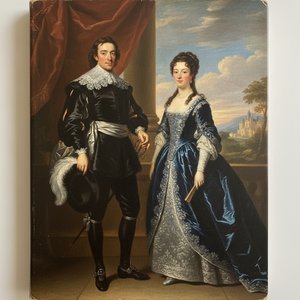
Sir Anthony van Dyck: Courtly Portraiture & the Shaping of Baroque Identity
Explore the life & legacy of Sir Anthony van Dyck, the leading court painter of his era. Discover his innovative portraiture, Baroque masterpieces, and investment potential for discerning collectors. Learn more at OriginalUniqueArt.

Rembrandts Mesterværker: Top 25 Kunstværker til Din Væg – OriginalUniqueArt.dk
Oplev Rembrandts 25 mest ikoniske kunstværker! Fordyb dig i historierne bag 'Nattevagten', hans selvportrætter og bibelske motiver. Find museumskvalitets reproduktioner & inspiration til din væg på OriginalUniqueArt.com.