Se i rummet
 Del som kort
 Del
Del
 Detaljer
 Guide
Guide

 Download
 Lignende værker
 Røntgenundersøgelse
 Diasshow
 Q&A
Q&A Statistikker
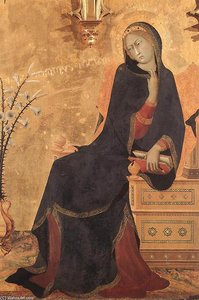
Orvieto Polyptych (detail)
 Acrylic On Canvas
- WallArt
- Late Gothic Style
 1321
1321 94.0 x 48.0 cm
 Museo dell'Opera del Duomo
 Vis mere
Giclée / Kunsttryk
Giclée- eller lærredstryk i museumskvalitet med hurtig produktion og fleksible muligheder for finish. ( Køb håndmalet maleri Skift til digitalt billede)




P118B Dkr10

P118H Dkr10

P118W Dkr10

P438Z Dkr10

P508JH Dkr12

P508YH Dkr12

P805H Dkr10

P805Z Dkr10

P919BZ Dkr10

P919G Dkr10

P919XJ Dkr10

P959ZH Dkr10

P968JZ Dkr12

W106C Dkr8

W218G Dkr10

W218JH Dkr8

W218Y Dkr10

W307PJ Dkr10

W316G Dkr10

W316PJ Dkr8

W316Y Dkr10

W398PJ Dkr8

W4111J Dkr10

W500HY Dkr15

W500JH Dkr15

W692G Dkr12

W849H Dkr8

W940BG Dkr15

W953PJ Dkr8




Vælg mellem vores forudindstillede størrelser, der matcher kunstværkets originale proportioner.

Indtast den bredde og højde, du har brug for, så det passer til din ramme eller din væg. Et print kan kun beskæres, aldrig gøres større end selve billedet, så en størrelse med et andet format vil medføre, at dele af motivet går tabt. Vi sender dig en digital mockup til godkendelse, før vi printer noget. Billedet vist på denne side viser ikke den faktiske beskæring — det er kun mockuppen, der gør.
Verdensomspændende levering () på 2 uger i stedet for de sædvanlige 4/5 uger. (28 oktober)

Gratis ekspresforsendelse til hele verden

Lærred af linned i høj kvalitet

Fuld transportforsikring

Garanti for refusion af told og importafgifter

Garanti for præcis farvegengivelse

100 dages returret ved fabrikationsfejl

100% fuld returret

Mængderabat ved flere køb
 Glasmulighed er kun tilgængelig i størrelser under 110 cm

Orvieto Polyptych (detail)
Giclée / Kunsttryk
Størrelse på reproduktion
-


Samlet pris
Dkr 534
A Glimpse into Medieval Grace: Simone Martini’s Orvieto Polyptych Detail
The fragment presented here—a meticulously rendered detail from Simone Martini's famed Orvieto Polyptych—offers an intimate window into the world of 14th-century Siena. Painted in 1321, this section captures a moment of quiet contemplation within a richly layered narrative, revealing not just a scene but a profound meditation on faith, learning, and the delicate balance between earthly existence and divine grace. Martini’s hand is immediately evident; his signature elegance—a masterful control of line, color, and texture—transforms what could be a simple depiction into an experience for the viewer's senses.
The central figure, a learned gentleman adorned in flowing robes, embodies the humanist ideals burgeoning during this period. His beard and mustache, rendered with astonishing realism for the time, suggest both wisdom and a certain worldliness. He holds a book open in his hands—a potent symbol of knowledge, scripture, and the pursuit of understanding. The careful attention to detail in his garments, the subtle folds of fabric, speaks volumes about Martini’s dedication to portraying human form with unparalleled accuracy and sensitivity. Beside him, a wall serves as a grounding element, anchoring the scene within a domestic space—a reminder that even sacred contemplation occurs within the realm of everyday life.
The Polyptych: A Window into Medieval Theology
To fully appreciate this detail, it’s crucial to understand the context of the entire Orvieto Polyptych. Commissioned for the church of San Francesco in Orvieto, Italy, the polyptych was a monumental work designed to adorn the main altar. It's a complex narrative tableau, divided into six panels that depict scenes from the life of Christ and the Virgin Mary. Martini’s contribution—this particular detail—is part of the central panel, likely illustrating a moment of prayer or reflection within the church itself. The polyptych wasn’t merely decorative; it was intended to educate and inspire the faithful, conveying complex theological concepts through visual storytelling.
The structure of the polyptych reflects the prevailing theological understanding of the time—a hierarchical arrangement emphasizing God's grace and humanity's role in seeking salvation. Martini masterfully employs perspective and spatial relationships to guide the viewer’s eye through this intricate narrative, drawing them into the heart of the religious drama.
Technique and Artistic Innovation
Martini’s technique is a testament to his exceptional skill and innovative approach. He was renowned for his use of *grisaille*, a monochrome painting technique that allowed him to build up layers of color gradually, creating astonishing depth and luminosity. Notice the subtle gradations in tone—the delicate shading on the man's face, the rich textures of his robe—all achieved through painstaking application of paint. His mastery of gold leaf is equally striking; it catches the light beautifully, adding a sense of opulence and spiritual significance to the scene.
- Martini’s use of vibrant blues and reds, characteristic of Sienese painting at the time, creates a visually arresting effect.
- The meticulous detail in rendering fabrics and textures demonstrates his commitment to realism and naturalism.
- His innovative application of *grisaille* allowed for complex layering and luminous effects.
Symbolic Resonance and Emotional Impact
Beyond its technical brilliance, this detail resonates with profound symbolic meaning. The book represents the transmission of knowledge and divine wisdom, while the wall suggests a connection between the earthly realm and the spiritual one. The man’s contemplative posture invites us to pause and reflect on our own relationship with faith and learning. Martini doesn't simply depict a scene; he evokes an atmosphere of reverence and introspection. The image possesses a quiet dignity—a testament to the enduring power of art to inspire contemplation and connect us to something larger than ourselves.
OriginalUniqueArt offers exquisite, hand-painted reproductions of Simone Martini’s Orvieto Polyptych, allowing you to bring this masterpiece into your home or office. Each reproduction is created with the same meticulous attention to detail as the original, capturing the artist's unique style and emotional depth. Explore our collection today and experience the timeless beauty of this extraordinary work.
Spørgsmål og svar
Hvem sælger håndmalede kopier af "Orvieto Polyptych (detail)" af Simone Martini?
Håndmalede kopier af "Orvieto Polyptych (detail)" af Simone Martini kan købes hos denne hjemmeside: en håndmalet oliereproduktion på lærred af hør, via deres Håndmalet reproduktion-side.
Kan man se et diasshow af "Orvieto Polyptych (detail)" af Simone Martini?
Se diasshowet på siden Billedserie for "Orvieto Polyptych (detail)" af Simone Martini.
Hvilken følelse vækker "Orvieto Polyptych (detail)"?
"Orvieto Polyptych (detail)" er forbundet med en Nostalgic stemning. Den emotionelle tone beskriver det indtryk, værket efterlader.
Kunstnerbiografi
A Sienese Master of Elegance and Grace
Simone Martini, født omkring 1284 i det pulserende Siena i Italien, står som en af de mest markante figurer i overgangen fra middelalder til renæssancekunst. Han var langt mere end blot en maler; han var en arkitekt af elegance, en mester i linje og farve, der indførte en courtly raffinement i sine værker, der adskilte ham fra samtidige kunstnere som Giotto. Historiske kilder er dog ikke entydige omkring hans tidlige uddannelse – nogle antyder et læreforhold under Duccio di Buoninsegna, Sienas førende kunstner på det tidspunkt, mens andre peger mod Firenze og den indflydelse, Giotto havde. Uanset hvad, formåede Martini at skabe en unik kunstnerisk vej for sig selv. Hans broder-in-law, Lippo Memmi, var også en kunstner, med hvem han ofte samarbejdede, hvilket berigede det kunstneriske liv i Siena yderligere. Selve byen Siena spillede en afgørende rolle i at forme Martini’s æstetik; Siena, et blomstrende center for handel og kultur, skabte et miljø, hvor kunst trivedes, der blandede religiøs hengivenhed med verdenslig sofistikation.The Flourishing of International Gothic
Martinis stil er straks genkendelig ved sin afvigelse fra de mere monumentale former, der foretrakkes i Firenze. Han omfavnede en delikat sanselighed, karakteriseret ved flydende linjer, bløde dekorative detaljer og en overordnet følelse af elegance. Denne æstetik blev ikke født i isolation; den var dybt påvirket af ydre kræfter. Via Francigena, en stor pilgrimsrute, der krydsede Europa, bragte kunstneriske strømme med sig fra Frankrig – især den raffinerede elegance af fransk manuskriptillustration og snedkerarbejde. Disse indflydelser er tydeligt synlige i Martini’s værker, manifesteret som intrikate mønstre, forlængede figurer og en øget opmærksomhed på overfladeornamentation. Han kopierede ikke blot disse stilarter; han syntetiserede dem med eksisterende sienesiske traditioner, hvilket skabte noget helt nyt. Hans malerier var ikke blot repræsentationer af religiøse scener, men snarere elegante fortællinger, der var fyldt med følelsesmæssig dybde og visuel poesi.Influences and Artistic Development
Martini’s kunst var en fusion af forskellige indflydelser. Han lærte sandsynligvis meget af Duccio di Buoninsegna, som han arvede hans kærlighed til harmoniske, rene farver og mange af sine tidlige figurtyper. Samtidig blev Martini inspireret af den franske gotiske kunst, især manuskriptillustrationer og snedkerarbejde, der blev medbragt af Via Francigena. Han var en mester i at kombinere disse stilarter, hvilket skabte et unikt udtryk, der adskilte sig fra de mere monumentale former, der foretrakkes i Firenze. Martini’s kunst var præget af en følelse af bevægelse og dynamik, som er tydelig i hans malerier af helgener og bibelske figurer. Han eksperimenterede med nye teknikker for at skabe illusionen af dybde og rum, hvilket gjorde hans værker mere levende og engagerende.Major Works and Courtly Patronage
Martini’s mest berømte værk er *Maestà*, et fresko i Palazzo Pubblico i Siena, der viser den kronede Madonna med engle og helgener. Det blev malet i 1315, men blev forfinet af Martini selv i 1321. Dette værk er et eksempel på Martini’s evne til at kombinere gotiske og humanistische elementer, hvilket gjorde det til en milepæl i italiensk kunst. Han fik også en betydelig rolle i den papale hof i Avignon, hvor han malede *Saint Louis of Toulouse Crowning His Brother Robert of Anjou* i 1317. Denne udnævnelse var ikke blot et spørgsmål om kunstnerisk dygtighed; det var et vidnesbyrd om Martini’s evne til at imødekomme smagene hos en sofistikeret courtly publikum. Han skabte også en række religiøse værker, herunder *Annunciation* og *Saint Catherine of Alexandria Polyptych*, der viser hans mesterlige håndværk og hans evne til at indfange følelser og stemninger.Legacy and Enduring Influence
Simone Martini’s indflydelse på udviklingen af europæisk kunst kan ikke overvurderes. Han spillede en central rolle i at sprede International Gothic stil – en bevægelse, der var kendetegnet ved sin elegance, raffinement og fokus på dekorative detaljer – over kontinentet. Hans arbejde inspirerede generationer af kunstnere, der fulgte ham, og formåede at forme retningen for sen middelalder- og tidlig renæssansemaling. Martini’s værker var ikke blot et spørgsmål om teknisk dygtighed; det handlede om at skabe et visuelt sprog, der resonerede med tiden – et sprog af skønhed, elegance og åndelig hengivenhed. Selv i dag fortsætter hans malerier med at fange betragternes opmærksomhed med deres udsøgte detaljer, harmoniske kompositioner og vedvarende følelse af elegance. Hans fresker i San Francesco d’Assisi demonstrerer hans mesterskab i store dekorative malerier, mens værker som *Saint Catherine of Alexandria Polyptych* viser hans upåtrotelige evne til at kontrollere farver og form. Simone Martini døde i Avignon i 1344, efterladende en arv, der fortsat inspirerer beundring og ærefrygt århundreder senere – et vidnesbyrd om kunstens vedvarende kraft til at transcendere tid og berøre den menneskelige sjæl.
Simone Martini
1284 - 1344 , Italien
Kort om kunstneren
- Artistic Movement Or Style: International Gotik
- Artists Or Movements Influenced By This Artist: ['International Gotik stil']
- Artists Who Influenced This Artist:
- Duccio di Buoninsegna
- Giotto
- Date Of Birth: ca. 1284
- Date Of Death: 1344
- Full Name: Simone Martini
- Nationality: Italiensk
- Notable Artworks:
- Maestà
- St. Louis
- Annunciatio
- Place Of Birth: Siena, Italien
Relaterede artikler
Early Medieval Art: 10 Masterpieces That Shaped a New World | OriginalUniqueArt
Journey through 10 stunning Early Medieval masterpieces – from the Book of Kells to Carolingian mosaics. Explore art history, symbolism & find museum-quality reproductions for your home at OriginalUniqueArt.com. Discover all masterpieces online!
Late Medieval Masterpieces: 10 Artworks That Defined an Era | OriginalUniqueArt
Journey through 10 defining Late Medieval masterpieces – from Giotto's frescoes to Jan van Eyck’s realism. Explore the stories, techniques & vibrant colors of Gothic art. Find museum-quality reproductions and elevate your home decor with OriginalUniqueArt.com! Discover all masterpieces on OriginalUniqueArt.com

Simone Martini: Innovation, Spirituality & Courtly Refinement in Sienese Painting
Explore the captivating world of Simone Martini, a pivotal figure in Sienese painting & the International Gothic style. Discover his innovative techniques, spiritual depth, and lasting influence on early Renaissance art.
High Medieval Art: 10 Masterpieces That Shaped an Era | OriginalUniqueArt
Journey through High Medieval Art! Explore 10 iconic masterpieces – from Giotto's frescoes to stunning Gothic cathedrals. Discover the stories behind these timeless paintings, sculptures & illuminated manuscripts. Find museum-quality art reproductions at OriginalUniqueArt.com.

Sacred Symbols & Golden Light: A Journey Through the Divine Artistry of the Early Medieval Era
Embark on a visual journey through Early Medieval art. Explore the profound beauty of illuminated manuscripts, sacred symbols, and golden light through an expert historical lens, celebrating the enduring legacy of medieval craftsmanship and divine artistry.