Se i rummet
 Send
Send Del
Del
 Detaljer
 Studieguide til kunstværker

 Download
 Lignende værker
 Røntgenundersøgelse
 Se diasshow
 Statistik
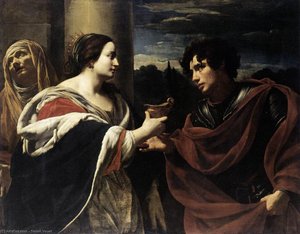
St Jerome and the Angel
 Oil On Canvas
- WallArt
- Baroque Painting
 1622
1622 145.0 x 180.0 cm
 National Gallery of Art
 Læs mere
Håndlavet oliereproduktion
Håndmalet olie på lærred i din valgte størrelse og ramme, udført efter bestilling af vores kunstnere. ( Skift til printversion Skift til digitalt billede)




P118B Dkr10

P118H Dkr10

P118W Dkr10

P438Z Dkr10

P508JH Dkr12

P508YH Dkr12

P805H Dkr10

P805Z Dkr10

P919BZ Dkr10

P919G Dkr10

P919XJ Dkr10

P959ZH Dkr10

P968JZ Dkr12

W106C Dkr8

W218G Dkr10

W218JH Dkr8

W218Y Dkr10

W307PJ Dkr10

W316G Dkr10

W316PJ Dkr8

W316Y Dkr10

W398PJ Dkr8

W4111J Dkr10

W500HY Dkr15

W500JH Dkr15

W692G Dkr12

W849H Dkr8

W940BG Dkr15

W953PJ Dkr8




Vælg mellem vores forudindstillede størrelser, der matcher kunstværkets originale proportioner.

Indtast den bredde og højde, du har brug for, så det passer til din ramme eller din væg. Da dette er håndmalet, kan kunstneren ved en anden form på størrelsen male lidt mere rundt om billedet eller skære lidt væk — det er op til dig. Vi sender dig et digitalt mockup til godkendelse, før maleriet påbegyndes. Billedet, der vises på denne side, viser ikke det endelige resultat — det er kun mockuppet, der gør.
Efter bestilling vil OriginalUniqueArt.com team sende en e-mail til kunden for at indhente instruktioner og fremsende et udkast til gennemgang.
Levering i hele verden () på 3-4 uger i stedet for de standard 5 uger. (23 oktober). Ingen kompromiser med kvaliteten.

Gratis ekspresforsendelse til hele verden

Lærred af linned i høj kvalitet

Komplet transportforsikring

Garanti for refusion af told og importafgifter

Garanti for autentisk farvegengivelse

100 dages returret ved fabrikationsfejl

100% fuld returret

Mængderabat ved flere køb
 Glasmulighed er kun tilgængelig i størrelser under 110 cm

St Jerome and the Angel
Reproduktionsmateriale
Reproduktionsstørrelse
-


Samlet pris
Dkr 1966
St Jerome and the Angel: A Dialogue of Faith and Light
Simon Vouet’s “St. Jerome and the Angel,” painted in 1622, is more than just a depiction of a biblical scene; it's a carefully constructed meditation on divine guidance, spiritual contemplation, and the interplay between earthly and celestial realms. This masterful work, housed within the National Gallery of Art in Washington D.C., exemplifies the burgeoning Baroque style’s embrace of dramatic lighting, nuanced emotion, and a heightened sense of realism that distinguished it from the preceding Mannerism. The painting immediately draws the viewer into a scene brimming with quiet intensity – a moment of profound communication between the venerable Saint Jerome, known for his dedication to prayer and translation of the Bible, and the radiant angel who appears before him.
Vouet’s technical prowess is evident in every brushstroke. He skillfully employs *chiaroscuro*, a technique borrowed from Caravaggio, to create a dramatic contrast between light and shadow. The angel, bathed in an ethereal glow, stands in sharp relief against the darker, more muted tones of Jerome's robe and the shadowed background. This deliberate use of light isn’t merely aesthetic; it serves to emphasize the angel’s divine presence and the transformative nature of his message. The composition is carefully balanced – Jerome, a figure of venerable age and contemplative posture, occupies the lower portion of the canvas, while the dynamic angel dominates the upper register, creating a visual hierarchy that underscores their roles in the narrative.
A Renaissance Vision with Baroque Flair
Painted during Vouet’s extended sojourn in Rome, “St. Jerome and the Angel” reflects the profound influence of Italian art on French painting at the time. Vouet had immersed himself in the works of masters like Caravaggio, Paolo Veronese, and the Carracci brothers, absorbing their techniques and philosophies. However, he didn’t simply mimic these artists; instead, he synthesized their innovations with his own distinctive style, creating a uniquely French interpretation of the Baroque aesthetic. The painting showcases a move away from the stylized poses and flattened perspectives of Mannerism towards a more naturalistic approach to form and space – a hallmark of the emerging Baroque style.
The historical context is crucial to understanding the work’s significance. The early 17th century was a period of intense religious fervor in Europe, fueled by the Counter-Reformation. Paintings like this one were often commissioned by the Catholic Church as didactic tools – intended to inspire piety and reinforce orthodox doctrine. The scene of St. Jerome receiving divine guidance speaks directly to this purpose, offering a visual representation of faith, humility, and the promise of salvation.
Symbolism and Emotional Resonance
Beyond its religious subject matter, “St. Jerome and the Angel” is rich in symbolic detail. The book held by Jerome represents his life’s work – the translation of the Bible into Latin. The angel's outstretched hand and pointing finger symbolize divine instruction and revelation. The cup at the center of the image may represent the Holy Spirit or a symbol of spiritual nourishment. Notably, the angel is depicted not as a majestic, imposing figure but as a youthful, almost mischievous presence – suggesting that divine guidance can be both challenging and joyful.
The emotional impact of the painting is profound. The quiet intensity of Jerome’s expression, combined with the radiant beauty of the angel, evokes a sense of reverence and wonder. The scene invites viewers to contemplate their own relationship with faith and the possibility of receiving divine guidance in their lives. It's a moment suspended in time – a dialogue between man and God, rendered with exquisite skill and profound sensitivity.
A Legacy of Light and Shadow
Simon Vouet’s “St. Jerome and the Angel” stands as a testament to his artistic genius and his pivotal role in shaping the course of French painting. It exemplifies the transition from Mannerism to Baroque, showcasing the innovative techniques and stylistic choices that defined this transformative period. Today, reproductions of this captivating work continue to inspire artists and collectors alike, offering a glimpse into a world where faith, beauty, and light converge in a timeless tableau.
Spørgsmål & svar
Hvor gammel var Simon Vouet, da vedkommende skabte "St Jerome and the Angel"?
Da "St Jerome and the Angel" blev skabt i 1622, var Simon Vouet – født i 1590 – 32 år gammel.
Hvilken orientering har "St Jerome and the Angel" af Simon Vouet?
Formatet på "St Jerome and the Angel" er Landscape. Dette er nyttigt, når du planlægger, hvor en reproduktion skal placeres.
Hvordan mødes stilart og epoke i "St Jerome and the Angel" af Simon Vouet?
I "St Jerome and the Angel" af Simon Vouet mødes Baroque Painting-stilen med Tidlig moderne tid-æraen.
Om kunstneren
Simon Vouet: Fra Paris til Italiensk Barok og Tilbage
Simon Vouet, født i Paris den 9. januar 1590 og død samme sted den 30. juni 1649, var mere end blot en maler; han var en kulturel brobygger, der smeltede fransk finesse sammen med italiensk barokpragt. Fra sin tidlige karriere som portrætmaler i Paris til hans formative år i Italien og tilbage til Frankrig som kongelig hofmaler, formede Vouets liv og kunst den franske malerkunsts udvikling i det 17. århundrede.
En Kunstnerisk Rejse: Fra England til Det Osmanniske Rige og Rom
Vouets kunstneriske rejse begyndte tidligt. Som blot fjortenårig blev han sendt til England for at male et portræt, en tidlig indikation af hans talent og voksende ry. Men det var hans ophold i Det Osmanniske Rige, som en del af Baron de Sancys følge, der virkelig åbnede hans øjne for nye kulturelle horisonter. Denne oplevelse førte ham videre til Venedig, hvor han studerede Paolo Veroneses mesterværker med stor interesse – især dennes evne til at skabe overdådige og farverige kompositioner. Det var dog i Rom, fra 1614 til 1627, at Vouet virkelig fandt sin kunstneriske stemme. Her fordybede han sig i den pulserende barokscene, absorberede Caravaggios dramatiske lyssætning, de elegante former fra italiensk manierisme og de levende farvepaletter hos Veronese. Han studerede også værker af Carracci, Guercino, Lanfranco og Guido Reni, og syntetiserede disse forskellige stilarter til en unik vision.
Barokkens Introduktion til Frankrig: Stiludvikling og Kongelig Anerkendelse
Vouets ophold i Rom kulminerede med hans valg som president for den prestigefyldte Accademia di San Luca, et bevis på hans dygtighed og anerkendelse. Da han vendte tilbage til Frankrig i 1627, bragte han ikke blot en imponerende samling af teknikker og stilarter med sig, men også selve essensen af den italienske barok. Han blev straks udnævnt til Premier peintre du Roi – kongens første maler – en position der gav ham enorm indflydelse og adgang til de mest prestigefyldte opgaver. Vouets stil var karakteriseret ved sin evne til at absorbere og raffinere forskellige kunstneriske påvirkninger, hvilket resulterede i et overdådigt og dynamisk udtryk. Han introducerede en ny sans for drama og bevægelse i fransk maleri, der afveg markant fra den mere formelle og elegante manierisme, der havde domineret tidligere.
En Skole af Talenter: Elever og Arv
Vouets betydning strækker sig langt ud over hans egne værker. Han oprettede et stort og aktivt atelier, hvor han uddannede en række talentfulde kunstnere, der skulle forme den franske malerkunst i generationer fremover. Blandt hans mest kendte elever var Charles Le Brun, der senere stod for al dekorativ maleri på Versailles, Valentin de Boulogne, Charles Alphonse du Fresnoy, Pierre Mignard, Eustache Le Sueur og Claude Mellan. Disse kunstnere spredte Vouets stil og teknikker over hele Frankrig, hvilket etablerede en distinkt fransk barokskole. Hans indflydelse er tydelig i de storslåede dekorative ordninger, der blev bestilt af Ludvig XIV, og hans arv lever videre i den rige visuelle kultur fra det 17. århundrede.
En Bro mellem Kulturer: Simon Vouets Historiske Betydning
Simon Vouet vil for altid blive husket som en central figur i overgangen fra manierisme til barokken i fransk malerkunst. Han var ikke blot en dygtig maler, men også en visionær kunstner, der formåede at integrere italienske stilarter og teknikker på en måde, der resonerede med den franske smag. Hans evne til at skabe overdådige, dynamiske og visuelt betagende værker cementerede hans plads i historien som en af de mest betydningsfulde kunstnere i det 17. århundrede.

Simon Vouet
1590 - 1649 , Frankrig
Hurtige fakta
- Dødsdato: 30. juni 1649
- Fuldt Navn: Simon Vouet
- Fødested (By Og Land): Paris, Frankrig
- Fødselsdato: 9. januar 1590
- Kunstnere Der Påvirkede Ham:
- Caravaggio
- Paolo Veronese
- Carracci
- Guercino
- Lanfranco
- Guido Reni
- Kunstnere/Bevægelser Han Påvirkede:
- Charles Le Brun
- Valentin de Boulogne
- Fransk barokmaleri
- Kunstnerisk Stilart: Barokmaleri
- Nationalitet: Fransk
- Notable Værker:
- Kristus i Templet
- Kristi Gravlæggelse
- Portræt af Ludvig XIII.
Relaterede artikler

Celestial Messengers: A Comprehensive Exploration of Angelic Representation in Art History
Explore the captivating history of angels in art! Discover symbolism, iconic Renaissance masterpieces & renowned artists. Expert insights for art lovers & collectors at OriginalUniqueArt.
Simon Vouet: A Baroque Master's Journey from Italian Influence to French Classicism
Explore the life & art of Simon Vouet, a pivotal French Baroque painter who introduced Italian styles to France. Discover his masterpieces and lasting influence on 17th-century art.

Barokkens Drama: Hvordan Storhed og Emotion Bringes Ind i Moderne Interiører
Dyk ned i barokkunstens verden! Lær om stilens historie, karakteristika og hvordan du integrerer dens drama og elegance i dit moderne hjem. Inspiration & ekspertrådgivning.
Charles Le Brun: Master of French Baroque Classicism & His Enduring Legacy
Explore the life & art of Charles Le Brun, master of French Baroque Classicism. Discover his royal commissions, influence on Versailles, and enduring legacy through detailed analysis & stunning artworks.

Celestial Messengers: Angels in Painting – A Historical & Artistic Exploration
Explore the captivating history of angels in painting! Discover symbolism, iconic Renaissance & Byzantine masterpieces, and renowned artists. Expert insights for art lovers & collectors at OriginalUniqueArt.