 Se i rummet
 Send
Send Del
Del
 Detaljer
 Studieguide til kunstværker

 Download
 Lignende værker
 Røntgenundersøgelse
 Se diasshow
 Statistik
GAUCHER DE CHATILLON


 Læs mere
Giclée / Kunsttryk
Giclée- eller lærredstryk i museumskvalitet med hurtig produktion og fleksible muligheder for finish. ( Bestil håndmalet reproduktion Skift til digitalt billede)




P118B Dkr10

P118H Dkr10

P118W Dkr10

P438Z Dkr10

P508JH Dkr12

P508YH Dkr12

P805H Dkr10

P805Z Dkr10

P919BZ Dkr10

P919G Dkr10

P919XJ Dkr10

P959ZH Dkr10

P968JZ Dkr12

W106C Dkr8

W218G Dkr10

W218JH Dkr8

W218Y Dkr10

W307PJ Dkr10

W316G Dkr10

W316PJ Dkr8

W316Y Dkr10

W398PJ Dkr8

W4111J Dkr10

W500HY Dkr15

W500JH Dkr15

W692G Dkr12

W849H Dkr8

W940BG Dkr15

W953PJ Dkr8




Vælg mellem vores forudindstillede størrelser, der matcher kunstværkets originale proportioner.

Indtast den bredde og højde, du har brug for, så det passer til din ramme eller din væg. Et print kan kun beskæres, aldrig gøres større end billedet, så en størrelse med en anden form vil miste en del af motivet. Vi sender dig en digital mockup til godkendelse, før vi printer noget. Billedet vist på denne side viser ikke den faktiske beskæring — det er kun mockuppen, der gør.
Verdensomspændende levering () på 2 uger i stedet for de sædvanlige 4/5 uger. (20 oktober)

Gratis ekspresforsendelse til hele verden

Lærred af linned i høj kvalitet

Komplet transportforsikring

Garanti for refusion af told og importafgifter

Garanti for autentisk farvegengivelse

100 dages returret ved fabrikationsfejl

100% fuld returret

Mængderabat ved flere køb
 Glasmulighed er kun tilgængelig i størrelser under 110 cm

GAUCHER DE CHATILLON
Giclée / Kunsttryk
Reproduktionsstørrelse
-


Samlet pris
Dkr 528
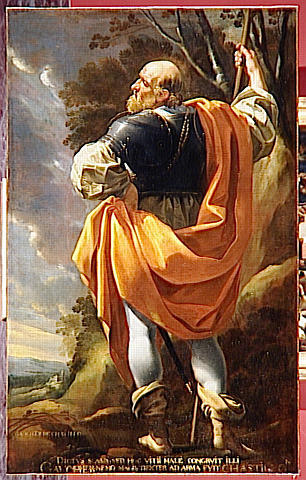
A Glimpse into Nobility: Simon Vouet's "Gaucher de Châtillon"
Step into the world of 17th-century French Baroque artistry with this striking portrait of Gaucher de Châtillon, a significant figure rendered by the masterful hand of Simon Vouet. This captivating oil painting offers more than just a likeness; it's a window into an era defined by grandeur, religious contemplation, and burgeoning artistic innovation.
Subject & Historical Context
- The Subject: Gaucher de Châtillon (c. 1503 – 1569) was a prominent French military leader and diplomat, serving as Constable of France under King Francis I. His position placed him at the heart of significant political and military events during the Renaissance.
- Historical Significance: The painting reflects a period of transition in France, marked by religious tensions (the Reformation), evolving courtly life, and increasing influence from Italian artistic trends. Vouet's return to France after years spent immersed in the Italian Baroque scene played a crucial role in introducing these styles to the French court.
- Commission & Patronage: While the exact circumstances of this commission remain somewhat unclear, it’s likely that the portrait was intended for display within a noble household or perhaps even commissioned by Châtillon himself during his lifetime.
Baroque Style and Artistic Technique
- Baroque Characteristics: The painting exemplifies key characteristics of Baroque art – dramatic lighting (chiaroscuro), dynamic composition, and an emphasis on realism. Notice how the light source illuminates Gaucher's upper body, creating a powerful contrast with the shadows that define his form.
- Vouet’s Technique: Simon Vouet was renowned for his skillful use of oil paint. The visible brushstrokes contribute to the texture and depth of the work. Glazing techniques are evident in the subtle color variations within the skin tones and clothing, adding a richness and luminosity to the portrait.
- Compositional Elements: The vertical orientation emphasizes Gaucher’s stature and upward gaze, suggesting contemplation or reverence. The diagonal line created by his arm and staff draws the viewer's eye upwards towards the sky, further reinforcing this sense of spiritual seeking. The landscape in the background provides depth and context while not distracting from the central figure.
Symbolism & Emotional Impact
- Posture & Expression: Gaucher’s serious expression and dignified posture convey a sense of determination and authority. His upward gaze suggests introspection, perhaps reflecting on his military career or contemplating divine matters.
- Attire & Status: The classical attire – the armor and flowing garments – signifies Gaucher's nobility and high-ranking position within French society. The details in the clothing demonstrate Vouet’s attention to realism and his ability to capture the textures of different fabrics.
- Landscape as Symbolism: The cloudy sky and distant landscape could symbolize the vastness of time, the uncertainties of life, or even a sense of divine presence overseeing human affairs.
A Timeless Masterpiece
“Gaucher de Châtillon” by Simon Vouet is more than just a portrait; it's a testament to the artistic brilliance of the Baroque era and a fascinating glimpse into the life of a significant historical figure. Its dramatic lighting, meticulous detail, and evocative symbolism combine to create a work that continues to captivate viewers centuries later.
Spørgsmål & svar
Kan jeg se "GAUCHER DE CHATILLON" af Simon Vouet under forskellig belysning?
Røntgenundersøgelse-siden til "GAUCHER DE CHATILLON" af Simon Vouet er en interaktiv viewer, der lader dig glide gennem elleve optiske lag af værkets billede, herunder en visning i røntgenstil.
Hvem har skabt "GAUCHER DE CHATILLON"?
Kunstneren bag "GAUCHER DE CHATILLON" er Simon Vouet. Værket er katalogiseret under Simon Vouets navn.
Hvilken gennemgående nuance præger "GAUCHER DE CHATILLON" af Simon Vouet?
"GAUCHER DE CHATILLON" hælder mod en Golden Yellow Range nuance.
Om kunstneren
Simon Vouet: Fra Paris til Italiensk Barok og Tilbage
Simon Vouet, født i Paris den 9. januar 1590 og død samme sted den 30. juni 1649, var mere end blot en maler; han var en kulturel brobygger, der smeltede fransk finesse sammen med italiensk barokpragt. Fra sin tidlige karriere som portrætmaler i Paris til hans formative år i Italien og tilbage til Frankrig som kongelig hofmaler, formede Vouets liv og kunst den franske malerkunsts udvikling i det 17. århundrede.
En Kunstnerisk Rejse: Fra England til Det Osmanniske Rige og Rom
Vouets kunstneriske rejse begyndte tidligt. Som blot fjortenårig blev han sendt til England for at male et portræt, en tidlig indikation af hans talent og voksende ry. Men det var hans ophold i Det Osmanniske Rige, som en del af Baron de Sancys følge, der virkelig åbnede hans øjne for nye kulturelle horisonter. Denne oplevelse førte ham videre til Venedig, hvor han studerede Paolo Veroneses mesterværker med stor interesse – især dennes evne til at skabe overdådige og farverige kompositioner. Det var dog i Rom, fra 1614 til 1627, at Vouet virkelig fandt sin kunstneriske stemme. Her fordybede han sig i den pulserende barokscene, absorberede Caravaggios dramatiske lyssætning, de elegante former fra italiensk manierisme og de levende farvepaletter hos Veronese. Han studerede også værker af Carracci, Guercino, Lanfranco og Guido Reni, og syntetiserede disse forskellige stilarter til en unik vision.
Barokkens Introduktion til Frankrig: Stiludvikling og Kongelig Anerkendelse
Vouets ophold i Rom kulminerede med hans valg som president for den prestigefyldte Accademia di San Luca, et bevis på hans dygtighed og anerkendelse. Da han vendte tilbage til Frankrig i 1627, bragte han ikke blot en imponerende samling af teknikker og stilarter med sig, men også selve essensen af den italienske barok. Han blev straks udnævnt til Premier peintre du Roi – kongens første maler – en position der gav ham enorm indflydelse og adgang til de mest prestigefyldte opgaver. Vouets stil var karakteriseret ved sin evne til at absorbere og raffinere forskellige kunstneriske påvirkninger, hvilket resulterede i et overdådigt og dynamisk udtryk. Han introducerede en ny sans for drama og bevægelse i fransk maleri, der afveg markant fra den mere formelle og elegante manierisme, der havde domineret tidligere.
En Skole af Talenter: Elever og Arv
Vouets betydning strækker sig langt ud over hans egne værker. Han oprettede et stort og aktivt atelier, hvor han uddannede en række talentfulde kunstnere, der skulle forme den franske malerkunst i generationer fremover. Blandt hans mest kendte elever var Charles Le Brun, der senere stod for al dekorativ maleri på Versailles, Valentin de Boulogne, Charles Alphonse du Fresnoy, Pierre Mignard, Eustache Le Sueur og Claude Mellan. Disse kunstnere spredte Vouets stil og teknikker over hele Frankrig, hvilket etablerede en distinkt fransk barokskole. Hans indflydelse er tydelig i de storslåede dekorative ordninger, der blev bestilt af Ludvig XIV, og hans arv lever videre i den rige visuelle kultur fra det 17. århundrede.
En Bro mellem Kulturer: Simon Vouets Historiske Betydning
Simon Vouet vil for altid blive husket som en central figur i overgangen fra manierisme til barokken i fransk malerkunst. Han var ikke blot en dygtig maler, men også en visionær kunstner, der formåede at integrere italienske stilarter og teknikker på en måde, der resonerede med den franske smag. Hans evne til at skabe overdådige, dynamiske og visuelt betagende værker cementerede hans plads i historien som en af de mest betydningsfulde kunstnere i det 17. århundrede.

Simon Vouet
1590 - 1649 , Frankrig
Hurtige fakta
- Dødsdato: 30. juni 1649
- Fuldt Navn: Simon Vouet
- Fødested (By Og Land): Paris, Frankrig
- Fødselsdato: 9. januar 1590
- Kunstnere Der Påvirkede Ham:
- Caravaggio
- Paolo Veronese
- Carracci
- Guercino
- Lanfranco
- Guido Reni
- Kunstnere/Bevægelser Han Påvirkede:
- Charles Le Brun
- Valentin de Boulogne
- Fransk barokmaleri
- Kunstnerisk Stilart: Barokmaleri
- Nationalitet: Fransk
- Notable Værker:
- Kristus i Templet
- Kristi Gravlæggelse
- Portræt af Ludvig XIII.
Relaterede artikler
Baroque Classicism: Reconciling Drama & Order in 17th-Century Art
Explore the captivating world of Baroque Classicism! Discover its history, key artists like Caravaggio & Rubens, and defining characteristics. Expert insights & high-quality reproductions at OriginalUniqueArt.

Baroque Classicism: The Grandeur of Order and Drama in 17th-Century Art History
Explore the profound elegance of Baroque Classicism. Discover how 17th-century masters synthesized dramatic emotion with classical order through the lens of the Counter-Reformation and the works of legends like Carlo Maratta and Andrea Sacchi.
Charles Le Brun: Master of French Baroque Classicism & His Enduring Legacy
Explore the life & art of Charles Le Brun, master of French Baroque Classicism. Discover his royal commissions, influence on Versailles, and enduring legacy through detailed analysis & stunning artworks.
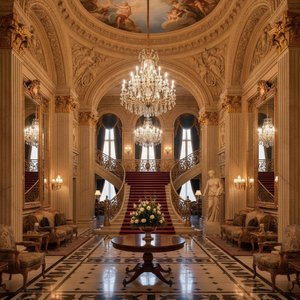
Baroque Classicism: A Professional Guide to Integrating Timeless Grandeur into Luxury Hotel Interiors
Elevate luxury hospitality with Baroque Classicism. Our guide for hotel designers explores integrating grand, classical oil reproductions into professional interiors. Discover efficient bulk procurement, custom sizing, and large-format murals to create timeless, high-impact spaces.
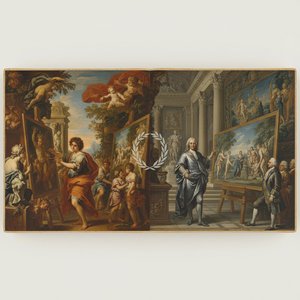
Simon Vouet: A Baroque Master's Journey from Italian Influence to French Classicism
Explore the life & art of Simon Vouet, a pivotal French Baroque painter who introduced Italian styles to France. Discover his masterpieces and lasting influence on 17th-century art.