
 Se i rummet
 Del som kort
 Del
Del
 Detaljer
 Guide
Guide

 Download
 Lignende værker
 Røntgenundersøgelse
 Diasshow
 Spørgsmål og svar
 Statistikker
Still-Life with Statuette and Shells

- 52.0 x 73.0 cm


 Vis mere
Giclée / Kunsttryk
Giclée- eller lærredstryk i museumskvalitet med hurtig produktion og fleksible muligheder for finish. ( Køb håndmalet maleri Skift til digitalt billede)




P118B Dkr10

P118H Dkr10

P118W Dkr10

P438Z Dkr10

P508JH Dkr12

P508YH Dkr12

P805H Dkr10

P805Z Dkr10

P919BZ Dkr10

P919G Dkr10

P919XJ Dkr10

P959ZH Dkr10

P968JZ Dkr12

W106C Dkr8

W218G Dkr10

W218JH Dkr8

W218Y Dkr10

W307PJ Dkr10

W316G Dkr10

W316PJ Dkr8

W316Y Dkr10

W398PJ Dkr8

W4111J Dkr10

W500HY Dkr15

W500JH Dkr15

W692G Dkr12

W849H Dkr8

W940BG Dkr15

W953PJ Dkr8




Vælg mellem vores forudindstillede størrelser, der matcher kunstværkets originale proportioner.

Indtast den bredde og højde, du har brug for, så det passer til din ramme eller din væg. Et print kan kun beskæres, aldrig gøres større end selve billedet, så en størrelse med et andet format vil medføre, at dele af motivet går tabt. Vi sender dig en digital mockup til godkendelse, før vi printer noget. Billedet vist på denne side viser ikke den faktiske beskæring — det er kun mockuppen, der gør.
Verdensomspændende levering () på 2 uger i stedet for de sædvanlige 4/5 uger. (7 november)

Gratis ekspresforsendelse til hele verden

Lærred af linned i høj kvalitet

Fuld transportforsikring

Garanti for refusion af told og importafgifter

Garanti for præcis farvegengivelse

100 dages returret ved fabrikationsfejl

100% fuld returret

Mængderabat ved flere køb
 Glasmulighed er kun tilgængelig i størrelser under 110 cm

Still-Life with Statuette and Shells
Giclée / Kunsttryk
Størrelse på reproduktion
-


Samlet pris
Dkr 541
A Quiet Symphony of Baroque Elegance
In the hushed corridors of the Musée du Louvre, there exists a corner of profound stillness captured by the hand of Sebastian Stoskopff. His masterpiece, Still-Life with Statuette and Shells, painted around 1625, serves as a breathtaking window into the German Baroque era—a period often celebrated for its grand, theatrical flourishes, yet here revealed in its most intimate and contemplative form. This is not merely an arrangement of inanimate objects; it is a carefully orchestrated dialogue between light and shadow, texture and thought. Stoskopff invites the viewer to step away from the clamor of the modern world and enter a space where time seems to suspend itself, allowing for a deep, meditative encounter with the beauty of the ephemeral.
The composition is a masterclass in balance and visual intrigue. At first glance, the eye is drawn to the magnificent seashells that dominate the foreground, their surfaces rendered with such meticulous precision that one can almost feel the calcified ridges and the smooth, pearlescent sheen of their interiors. Beside them, a small statuette of Athena, the Greek goddess of wisdom, stands as a silent sentinel. This inclusion is far from accidental; it elevates the work from a simple study of nature to an intellectual pursuit, bridging the gap between the physical world and the humanist ideals of reason and intellect that pulsed through Europe during the seventeenth century.
The Language of Symbolism and Light
To gaze upon this painting is to read a silent poem written in oil. Every element within Stoskopff’s arrangement carries a weight of meaning, designed to provoke reflection on the nature of existence. The open conus shell, revealing its delicate interior, acts as a poignant metaphor for vulnerability and the unveiling of divine truths. When paired with the glass vase of flowers—their petals soft and transient—the artist creates a powerful memento mori, a gentle reminder of the fleeting nature of life and the inevitable passage of time. The presence of an open book, its pages turned as if recently consulted, suggests that this stillness is not one of emptiness, but of active contemplation and the pursuit of knowledge.
Technically, the work is a triumph of the Baroque spirit. Stoskopff utilized oil on canvas to achieve a rich, saturated depth that allows the objects to emerge from a dark, atmospheric background. This technique of chiaroscuro—the dramatic contrast between light and dark—creates a sculptural quality, giving the shells, the glass, and the statuette a tangible presence. The subtle tonal gradations capture the way light dances across a wet surface or settles into the grain of an old page, providing a sensory experience that is as much about touch as it is about sight.
An Enduring Inspiration for the Modern Collector
For the discerning collector or the interior designer seeking to infuse a space with character and soul, this reproduction offers more than just aesthetic appeal. It brings with it an atmosphere of sophisticated tranquility. The muted palette and the profound sense of quietude make it a versatile centerpiece, capable of anchoring a room with its historical gravity while complementing both classical and contemporary settings. Whether placed in a sunlit study or a moody, dimly lit library, the painting acts as a focal point for conversation and a source of daily inspiration.
Owning a piece that echoes Stoskopff’s genius is an opportunity to celebrate the art of observation. It is a tribute to the beauty found in the small, the overlooked, and the silent. In an age of constant motion, bringing this "quiet symphony" into one's home is an act of reclaiming peace, allowing the masterful textures and deep symbolism of the Baroque era to resonate within the modern sanctuary.
Spørgsmål og svar
Hvordan relaterer farverne i "Still-Life with Statuette and Shells" af Sébastien Stoskopff sig til værkets følelsesmæssige udtryk?
Den Earthy farvepalet i "Still-Life with Statuette and Shells" af Sébastien Stoskopff harmonerer med værkets Calm følelsesmæssige tone. Farven er en af de måder, et værk formidler følelser på.
Er "Still-Life with Statuette and Shells" af Sébastien Stoskopff i portræt-, landskabs- eller kvadratformat?
"Still-Life with Statuette and Shells" af Sébastien Stoskopff er en Landscape komposition. Det er værd at tjekke proportionerne, før du vælger en printstørrelse.
Hvilken historisk periode stammer "Still-Life with Statuette and Shells" af Sébastien Stoskopff fra?
"Still-Life with Statuette and Shells" af Sébastien Stoskopff stammer fra perioden Early Modern. Denne klassificering placerer værket i en kunsthistorisk kontekst.
Kunstnerbiografi
Sebastian Stoskopff: Den stille genialitet i barokkens stilleben
Sebastian Stoskopff (13. juli 1597 – 10. februar 1657) står som en central skikkelse i tysk barokkunst, selvom hans navn forbliver relativt ukendt sammenlignet med samtidige mestre som Rembrandt eller Rubens. Efter at være blevet genopdaget efter årtiers forsømmelse efter Anden Verdenskrig, tilbyder Stoskopffs værk—der primært består af minutiøst gengivne stilleben med bægre, glas og lejlighedsvis frugt—et unikt indblik i sin tids kunstneriske sanselighed. Hans værker besidder en underspillet elegance, som fortsat formår at fange både forskere og samlere.Tidligt liv og kunstnerisk uddannelse
Stoslag født i Strasbourg, Alsace (dengang en del af Det Hellige Romerske Rige), stammer fra en familie dybt forankret i huguenottisk tradition—protestanter på flugt fra forfølgelse under det katolske styre. Hans far, en embedsmand ansat af byrådet, indprentede ham en stærk følelse af borgerpligt side om side med en værdsættelse for intellektuelle sysler. Da hans far omkring 15-års alderen genkendte Sebastians medfødte talent for tegning og maleri, søgte han proaktivt hjælp i Strasbourgs kunstneriske miljø og anbefalede specifikt Daniel Soreau, en respekteret maler og kobberstikker bosat i Hanau. Selvom Soreau indledningsvis tøvede med at optage lærlinge uden for sin egen familie, indvilligede han til sidst i at pleje Stoskopffs kunstneriske ambitioner ved at sende ham til Hanau til formel uddannelse. Selvom Soreaus metoder var noget traditionelle og favoriserede familiære forbindelser, anerkendte han Stoskopffs potentiale og sikrede, at han opnåede de fundamentale færdigheder i tegning, der spejlede de teknikker, som mestre som Albrecht Dürer forfægtede.Daniel Soreaus indflydelse og kunstnerisk udvikling
Soreaus værksted fungerede som en smeltedigel for Stos_kopffs kunstneriske evolution. På trods af at Soreau var tilbageholdende med direkte at introducere ham til maleriet—en almindelig praksis på den tid—forfinede Stoskopff flittigt sine observationsevner og mestrede chiaroscuroens subtiliteter, hvor han brugte dramatisk lys til at forme figurer og formidle stemning i sine kompositioner. Værkstedets arv rækker ud over Stoskopff selv; Soreaus sønner førte hans kunstneriske linje videre og skabte værker, der eksemplificerer de stilistiske principper, han havde overleveret. Denne formative oplevelse prægede dybt Stoskopffs særprægede tilgang—karakteriseret ved en bevidst reduktion af objekter til deres essentielle elementer—en teknik, der minder om det tidlige stillebenmaleri og afspejler barokkens bredere optagethed af at formidle åndelig kontemplation gennem omhyggeligt udformede visuelle fortællinger.Bemærkelsesværdige værker og kunstnerisk stil
Stoskopffs kunstneriske stil er øjeblikkeligt genkendelig: han undgik storslået skala og teatralske gestus og valgte i stedet intime scener befolket af et udvalgt fåtal af objekter—typisk bægre, glas, frugt eller skaller—arrangeret med minutiøs præcision mod mørke baggrunde. Dette stilistiske valg var ikke blot æstetisk; det spejlede de filosofiske strømninger i barokperioden, som søgte at destillere komplekse teologiske idéer til tilgængelige visuelle symboler. Stoskopffs malerier er bemærkelsesværdige for deres exceptionelle realisme og tekniske virtuositet, opnået gennem en møjsommelig lagdeling af lasurer og en mesterlig manipulation af lys og skygge. Blandt hans mest berømte værker findes ”Stilleben med skaller og en trææske”, der er indkvarteret i The Metropolitan Museum of Art, samt ”Stilleben med glas”, som eksemplificerer genrens fascination af materialitet og dens evne til at fremkalde dyb emotionel resonans. Disse malerier demonstrerer Stoskopffs beherskelse af perspektiv og anatomisk nøjagtighed—træk, der placerer ham fast i den humanistiske tradition, som blev fremmet af kunstnere som Leonardo da Vinci.Eftermæle og historisk betydning
På trods af hans relative ukendskab i sin egen levetid er Sebastian Stoskopffs indflydelse på efterfølgende generationer af tyske malere ubestridelig. Hans urokkelige engagement i observation og hans stilistiske innovationer var med til at cementere kanon for barokkens stillebenmaleri—en genre, der fortsat inspirerer kunstnere i dag. Genopdaget i midten af det 20. århundrede har Stoskopffs malerier vundet anerkendelse som mesterværker af underspillet skønhed og intellektuel dybde. De står som et vidnesbyrd om kraften i den stille kontemplation og den vedvarende appel af visuelle fortællinger, der formidler åndelige sandheder med bemærkelsesværdig subtilitet—en arv, der fortjener fornyet værdsættelse og videnskabelig undersøgelse.
Sébastien Stoskopff
1597 - 1657 , Frankrig
Kort om kunstneren
- Artistic Movement Or Style: Tysk stillebensmaleri
- Artists Or Movements Influenced By This Artist: ['Den hollandske guldalder']
- Artists Who Influenced This Artist: ['Daniel Soreau']
- Date Of Birth: 13. juli 1597
- Date Of Death: 10. februar 1657
- Full Name: sébastien stoskopff
- Nationality: Alsassisk
- Notable Artworks:
- Stilleben med glas i en kurv
- Stilleben med karpe på en trækasse
- Place Of Birth: Strasbourg, Frankrig
Relaterede artikler
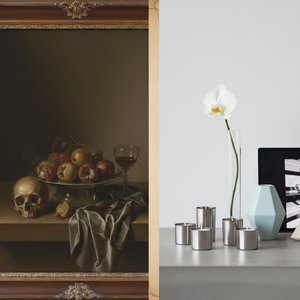
The Enduring Appeal of Still Life: A Historical & Contemporary Exploration
Explore the rich history & symbolism of still life painting with OriginalUniqueArt. Discover masterpieces from the Dutch Golden Age, learn about vanitas art, and find expert guidance for collecting timeless artworks.

Barokkens Mestre: Top 10 Kunstværker der Definerede en Æra | OriginalUniqueArt.dk
Oplev barokkens storhed! Dyk ned i 10 ikoniske kunstværker af Caravaggio, Rembrandt & Vermeer. Lær historierne bag mesterværkerne og find inspiration til din indretning med museumskvalitets reproduktioner på OriginalUniqueArt.com

Silent Narratives: Exploring the Enduring Appeal of Still Life Painting Across Centuries
Explore the rich history of still life painting with OriginalUniqueArt. Discover Dutch Masters, decode vanitas symbolism & learn about collecting timeless art. Expert insights and museum-quality reproductions.

Barokkens Drama: Hvordan Storhed og Emotion Bringes Ind i Moderne Interiører
Dyk ned i barokkunstens verden! Lær om stilens historie, karakteristika og hvordan du integrerer dens drama og elegance i dit moderne hjem. Inspiration & ekspertrådgivning.

Louvrens Mesterværker: Top 25 Kunstværker til Dit Hjem – OriginalUniqueArt.dk
Oplev Louvres 25 mest ikoniske kunstværker! Fra Mona Lisa til Venus de Milo – dyk ned i historien bag berømte malerier og skulpturer. Find museumskvalitets reproduktioner & inspiration til dit hjem på OriginalUniqueArt.com.