
 Se i rummet
 Del som kort
 Del
Del
 Detaljer
 Guide
Guide

 Download
 Lignende værker
 Røntgenundersøgelse
 Diasshow
 Spørgsmål og svar
 Statistikker
Death of Dido

- 159.0 x 137.0 cm


 Vis mere
Giclée / Kunsttryk
Giclée- eller lærredstryk i museumskvalitet med hurtig produktion og fleksible muligheder for finish. ( Køb håndmalet maleri Skift til digitalt billede)




P118B Dkr10

P118H Dkr10

P118W Dkr10

P438Z Dkr10

P508JH Dkr12

P508YH Dkr12

P805H Dkr10

P805Z Dkr10

P919BZ Dkr10

P919G Dkr10

P919XJ Dkr10

P959ZH Dkr10

P968JZ Dkr12

W106C Dkr8

W218G Dkr10

W218JH Dkr8

W218Y Dkr10

W307PJ Dkr10

W316G Dkr10

W316PJ Dkr8

W316Y Dkr10

W398PJ Dkr8

W4111J Dkr10

W500HY Dkr15

W500JH Dkr15

W692G Dkr12

W849H Dkr8

W940BG Dkr15

W953PJ Dkr8




Vælg mellem vores forudindstillede størrelser, der matcher kunstværkets originale proportioner.

Indtast den bredde og højde, du har brug for, så det passer til din ramme eller din væg. Et print kan kun beskæres, aldrig gøres større end selve billedet, så en størrelse med et andet format vil medføre, at dele af motivet går tabt. Vi sender dig en digital mockup til godkendelse, før vi printer noget. Billedet vist på denne side viser ikke den faktiske beskæring — det er kun mockuppen, der gør.
Verdensomspændende levering () på 2 uger i stedet for de sædvanlige 4/5 uger. (6 november)

Gratis ekspresforsendelse til hele verden

Lærred af linned i høj kvalitet

Fuld transportforsikring

Garanti for refusion af told og importafgifter

Garanti for præcis farvegengivelse

100 dages returret ved fabrikationsfejl

100% fuld returret

Mængderabat ved flere køb
 Glasmulighed er kun tilgængelig i størrelser under 110 cm

Death of Dido
Giclée / Kunsttryk
Størrelse på reproduktion
-


Samlet pris
Dkr 541
The Tragic Beauty of "Death of Dido": A Baroque Masterpiece
Sébastien Bourdon’s “Death of Dido,” painted in 1637, is not merely a depiction of a legendary queen's demise; it’s a profound exploration of grief, betrayal, and the immutable power of fate. This monumental oil on canvas, measuring an impressive 159 x 137 cm, resides within the State Hermitage Museum in St. Petersburg, a testament to its enduring artistic merit. Bourdon, a pivotal figure in the Baroque movement, masterfully captures the raw emotion of this poignant scene drawn from Virgil’s epic poem, the Aeneid, transforming a classical narrative into a deeply resonant visual experience.
The composition immediately commands attention. Dido, draped in a flowing blue gown, lies supine on her bed, a sword poised delicately in her hand – an instrument of both destruction and liberation. Her face, etched with sorrow and defiance, is turned towards the departing ships of Aeneas, symbolizing the irrevocable loss of love and the end of her reign. Around her, a carefully orchestrated group of mourners—servants, women, and even a partially visible figure presumed to be her brother Acerbas – react with varying degrees of grief and shock. The scene is bathed in a dramatic chiaroscuro, characteristic of Bourdon’s style and deeply influenced by the Venetian masters he admired during his time in Rome. Light streams dramatically from an unseen source, highlighting Dido's form while casting deep shadows across the room, intensifying the sense of tragedy and despair.
A Story of Betrayal and Divine Intervention
The narrative itself is steeped in myth and heartbreak. Dido, a Phoenician princess, founded Carthage after fleeing persecution in Tyre. She fell passionately in love with Aeneas, a Trojan prince destined to found Rome. However, fate intervened – or so it seemed – as Aeneas was compelled by the gods to fulfill his destiny and leave her behind. The painting vividly portrays this moment of agonizing separation, capturing the devastating consequences of divine decree and human ambition. The inclusion of Mercury, the messenger god, subtly alluded to in the composition through a glimpse of his winged sandals amongst the departing ships, reinforces the notion that Dido’s fate was predetermined.
Bourdon's artistic choices are laden with symbolic meaning. The two vases positioned strategically within the scene – one on the left and another on the right – aren’t simply decorative elements; they likely represent offerings to the gods, acknowledging the role of divine forces in shaping Dido’s tragic end. The stark contrast between the vibrant colors of her gown and the muted tones of the surrounding figures further emphasizes her isolation and vulnerability. The overall effect is a powerful meditation on loss, duty, and the inescapable nature of destiny.
Bourdon's Baroque Vision
Sébastien Bourdon’s artistic journey was profoundly shaped by his time in Rome, where he encountered the revolutionary techniques of Caravaggio. Bourdon expertly employed *tenebrism*, a dramatic use of light and shadow, to create an atmosphere of intense emotionality. This technique, combined with his masterful rendering of textures – from the flowing fabric of Dido’s gown to the rough stone of the room – imbues the painting with remarkable realism and immediacy. His brushwork is loose and expressive, conveying a sense of urgency and movement that mirrors the drama unfolding within the scene.
Furthermore, Bourdon's understanding of classical composition—inherited from his training in France—is evident in the carefully balanced arrangement of figures and objects. The pyramidal structure of the composition draws the viewer’s eye towards Dido’s central form, while the diagonal lines created by the departing ships and her outstretched hand contribute to a dynamic sense of movement and instability. This masterful blend of classical principles and Baroque dynamism is what elevates “Death of Dido” beyond a simple historical depiction into a timeless work of art.
A Legacy of Dramatic Emotion
“Death of Dido” remains a compelling example of the emotional intensity that characterized the Baroque period. Bourdon’s ability to translate a complex mythological narrative into a visually arresting and emotionally resonant image is truly remarkable. The painting continues to captivate viewers with its depiction of profound sorrow, betrayal, and the enduring power of love—a testament to the artist's skill and the timelessness of the story he so powerfully portrays. Reproductions of this masterpiece offer an opportunity to experience the drama and beauty of Bourdon’s vision in a way that transcends time and space.
Spørgsmål og svar
Hvor kan jeg finde statistik om "Death of Dido" af Sébastien Bourdon?
Der findes en Besøgsstatistik-side for "Death of Dido", som viser de månedlige besøgstal for kunstværket og kunstnerens øvrige værker, opdelt efter land og sprog.
Hvem har skabt "Death of Dido"?
Kunstneren bag "Death of Dido" er Sébastien Bourdon. Værket er katalogiseret under Sébastien Bourdons navn.
Hvem sælger håndmalede kopier af "Death of Dido" af Sébastien Bourdon?
"Death of Dido" er tilgængelig som en håndmalet oliereproduktion på lærred af hør. Du kan bestille den på dens Håndmalet reproduktion-side, hvor du kan vælge mellem forskellige størrelser.
Kunstnerbiografi
En mester af lys og alsidighed: Sébastien Bourdons liv
Sébastien Bourdon (1616–1671) forbliver en af de mest fængslende og mangefacetterede skikkelser i det syttenende århundredes franske barok. Han blev født i Montpellier i en familie af protestantiske kunstnere, og hans tidlige liv blev formet af de levende, men ofte turbulente, kunstneriske traditioner i Sydfrankrig. Hans rejse fra ung lærling til et grundlæggende medlem af Académie Royale de Peinture et de Sculpture er et vidnesbyrd om en dyb, rastløs intellekt og en uovertruffen evne til at absorbere Europas stilistiske strømninger. Efter den tidlige træning i Paris førte Bourdons vej ham gennem Bordeaux og Toulouse, før han nåede kontinentets åndelige og kunstneriske hjerte: Rom. Det var i Italien, at hans talent for alvor blev antændt, da han fordybede sig i værkerne fra mestre som Caravaggio,Stilens og teknikkens evolution
Det, der virkelig adskiller Bourdons oeuvre, er dets bemærkelsesværdige stilistiske fluiditet, en kvalitet, der tidvis vakte både beundring og kritik hos hans samtidige. Hans udvikling var præget af en række transformative møder med forskellige europæiske traditioner. Efter et skelsættende besøg i Venedig gennemgik hans palet en dyb metamorfose; de skarpere kontraster fra hans tidlige uddannelse veg pladsen for en rigere, mere atmosfærisk brug af farver inspireret af de venetianske mestre. Denne udvikling gjorde det muligt for ham mesterligt at navigere mellem vidt forskellige genrer. I sin portrætkunst benyttede han ofte en rubensk tilgang eller foretrak intime buste-kompositioner, der indfangede sine subjekters psykologiske dybde og elegance, som f.eks. den svenske adelskvinde i Grevinde Ebba Sparre. Omvendt benyttede hans religiøse værker en dramatisk chiaroscuro til at fremkalde åndelig ærefrygt, mest bemærkelsesværdigt i hans monumentale mesterværk, Sankt Peters korsfæstelse, skabt til katedralen Notre Dame.Eftermæle og historisk betydning
Udover sine individuelle lærreder spillede Bourdon en afgørende rolle i institutionaliseringen af fransk kunst. Som medstifter af det Kongelige Akademi i 1648 var han med til at etablere de standarder for excellence, der skulle definere fransk maleri i generationer. Hans karriere var også kendetegnet ved en ekstraordinær bredde i sit virke; hans ry som fremragende portrætmaler førte ham til hoffet hos Dronning Kristina af Sverige, hvor han tjente som hofmaler og bragte den sofistikerede æstetik fra Paris og Rom til Stockholm. Uanset om han skildrede den hjemsøgende spænding i Moses og kobberslangen eller den serene storhed i klassiske landskaber, legemliggør Bourdons arbejde barokperiodens dobbelte ånd: den intense emotionelle dramatik i den menneskelige tilstand og den balancerede, intellektuelle stræben efter klassisk skønhed. Hans evne til at syntetisere de franske naturalistiske traditioner med Italiens monumentale stilarter sikrer hans vedvarende plads i den europæiske kunsthistories pantheon.
Sébastien Bourdon
1616 - 1671 , Frankrig
Kort om kunstneren
- Artistic Movement Or Style: Barok
- Artists Or Movements Influenced By This Artist: ['Fransk barokkunst']
- Artists Who Influenced This Artist:
- Nicolas Poussin
- Claude Lorrain
- Caravaggio
- Date Of Birth: 2. februar 1616
- Date Of Death: 8. maj 1671
- Full Name: Sébastien Bourdon
- Nationality: Fransk
- Notable Artworks:
- Sankt Peters korsfæstelse
- Nedtagelsen
- Place Of Birth: Montpellier, Frankrig
Relaterede artikler

Barokkens Mestre: Top 10 Kunstværker der Definerede en Æra | OriginalUniqueArt.dk
Oplev barokkens storhed! Dyk ned i 10 ikoniske kunstværker af Caravaggio, Rembrandt & Vermeer. Lær historierne bag mesterværkerne og find inspiration til din indretning med museumskvalitets reproduktioner på OriginalUniqueArt.com

The Visceral Stage: Exploring Dramatic Narratives & Emotional Intensity in Baroque Art
Explore the dramatic world of Baroque art! Discover iconic masters like Caravaggio & Rembrandt, their techniques, and the movement's lasting impact. Expert insights for collectors & enthusiasts at OriginalUniqueArt.

The Dramatic Flourish: Exploring the Baroque Movement's Enduring Legacy in Art History
Explore the dramatic world of Baroque art! Discover iconic artists like Caravaggio & Rubens, defining techniques, and its lasting impact on art history. Expert insights for collectors & enthusiasts at OriginalUniqueArt.
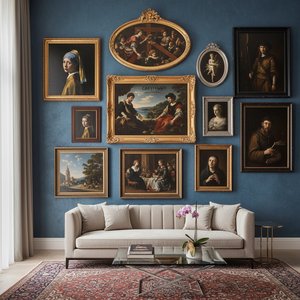
Barokkens Mestre: Top 10 Kunstværker der Definerede en Æra | OriginalUniqueArt.dk
Oplev barokkens storhed! Udforsk 10 ikoniske malerier af Caravaggio, Rembrandt & Vermeer. Lær historierne bag mesterværkerne og find inspiration til din indretning med OriginalUniqueArt.dk – museumskvalitet reproduktioner online.

Theatricality & Triumph: Baroque Drama in Painting & Sculpture
Explore the dramatic world of Baroque art! Discover its history, defining characteristics, & lasting influence on painting & sculpture. Expert insights into Caravaggio, Zurbarán, and Bernini – plus high-quality reproductions at OriginalUniqueArt.