

 Se i rummet
 Del som kort
 Del
Del
 Detaljer
 Guide
Guide

 Download
 Lignende værker
 Røntgenundersøgelse
 Diasshow
 Q&A
Q&A Statistikker
Divine Comedy, Hell: Canto 27
 Acrylic On Canvas
- WallArt
- Surrealist Movement
 1959
1959 26.0 x 18.0 cm
 Museu de Valores do Banco Central do Brasil
 Vis mere
Kunstværket vist på denne side er beskyttet af ophavsretsloven, hvilket betyder, at vi ikke lovligt kan skabe eller sælge en identisk reproduktion. Denne beskyttelse håndhæves i henhold til internationale aftaler som f.eks. den Bernerkonventionen og af nationale love, herunder de bestemmelser, der er fastlagt i Amerikansk ophavsretslov - Titel 17.
Denne metode overholder fuldt ud ophavsretsreglerne, da den ikke indebærer kopiering eller duplikering af det beskyttede kunstværk. I stedet er der tale om en kreativ nytolkning – et nyt maleri, som er inspireret af det oprindelige, men ikke identisk med det.
Giclée / Kunsttryk
Giclée- eller lærredstryk i museumskvalitet med hurtig produktion og fleksible muligheder for finish. ( Køb håndmalet maleri Skift til digitalt billede)




P118B Dkr10

P118H Dkr10

P118W Dkr10

P438Z Dkr10

P508JH Dkr12

P508YH Dkr12

P805H Dkr10

P805Z Dkr10

P919BZ Dkr10

P919G Dkr10

P919XJ Dkr10

P959ZH Dkr10

P968JZ Dkr12

W106C Dkr8

W218G Dkr10

W218JH Dkr8

W218Y Dkr10

W307PJ Dkr10

W316G Dkr10

W316PJ Dkr8

W316Y Dkr10

W398PJ Dkr8

W4111J Dkr10

W500HY Dkr15

W500JH Dkr15

W692G Dkr12

W849H Dkr8

W940BG Dkr15

W953PJ Dkr8




Vælg mellem vores forudindstillede størrelser, der matcher kunstværkets originale proportioner.

Indtast den bredde og højde, du har brug for, så det passer til din ramme eller din væg. Et print kan kun beskæres, aldrig gøres større end selve billedet, så en størrelse med et andet format vil medføre, at dele af motivet går tabt. Vi sender dig en digital mockup til godkendelse, før vi printer noget. Billedet vist på denne side viser ikke den faktiske beskæring — det er kun mockuppen, der gør.
Verdensomspændende levering () på 2 uger i stedet for de sædvanlige 4/5 uger. (30 oktober)

Gratis ekspresforsendelse til hele verden

Lærred af linned i høj kvalitet

Fuld transportforsikring

Garanti for refusion af told og importafgifter

Garanti for præcis farvegengivelse

100 dages returret ved fabrikationsfejl

100% fuld returret

Mængderabat ved flere køb
 Glasmulighed er kun tilgængelig i størrelser under 110 cm

Divine Comedy, Hell: Canto 27
Giclée / Kunsttryk
Størrelse på reproduktion
-


Samlet pris
Dkr 533
A Descent into Surreal Horror: Exploring Dali’s “Divine Comedy, Hell: Canto 27”
Salvador Dalí's "Divine Comedy, Hell: Canto 27," completed in 1959, isn’t merely a painting; it’s an unsettling plunge into the darkest recesses of human consciousness. Executed as a lithograph measuring 26 x 18 cm and currently housed at the Museu de Valores do Banco Central do Brasil in Brasília, Brazil, this artwork embodies the core tenets of Surrealism—a deliberate confrontation with irrationality and dreamlike imagery designed to bypass conscious thought. The piece depicts a man’s face dominated by an enormous tooth erupting from his scalp, a grotesque visual representation of suffering and decay that immediately grabs the viewer's attention.- Style & Technique: Dalí’s signature style is instantly recognizable—characterized by meticulous realism juxtaposed with fantastical distortions. The lithograph technique lends itself beautifully to capturing the artist’s precise rendering of anatomical detail, despite its inherently limited color palette. This careful execution underscores Dali's commitment to translating his subconscious visions onto canvas with unwavering accuracy.
- Historical Context: “Divine Comedy” emerged during Dalí’s prolific period following World War II and reflects the anxieties of the time—a world grappling with trauma, disillusionment, and a burgeoning fascination with psychoanalysis. Surrealism, spearheaded by André Breton, sought to liberate art from rational constraints, drawing inspiration from Freud's theories on dreams and exploring the hidden depths of the human psyche.
Symbolic Representations: Teeth, Decay & The Burden of Memory
The colossal tooth is arguably the painting’s most potent symbol. In Dante Alighieri’s “Inferno,” the tooth represents the Devil himself—a monstrous embodiment of evil and corruption that relentlessly gnaws at the soul. Dalí brilliantly adapts this biblical allusion to convey a deeper psychological message: the inescapable presence of trauma and repressed memories. The decaying flesh surrounding the tooth symbolizes mortality and the inevitable disintegration of physical form, mirroring the existential dread prevalent in Surrealist art.Emotional Impact & Artistic Legacy
“Divine Comedy, Hell: Canto 27” isn’t intended to elicit comfort or reassurance. Instead, it confronts viewers with a visceral depiction of pain and vulnerability—a deliberate provocation designed to unsettle and disturb. Dalí's masterful manipulation of perspective and detail creates an atmosphere of claustrophobia and dread, forcing the observer to confront uncomfortable truths about human nature. It stands as a testament to Surrealism’s enduring power to explore the complexities of the subconscious and remains a captivating example of Dali’s unparalleled artistic vision.Spørgsmål og svar
Fra hvilket land stammer Surrealist Movement-værket "Divine Comedy, Hell: Canto 27"?
"Divine Comedy, Hell: Canto 27" forbinder Surrealist Movement-bevægelsen med Spanien gennem skaberens fødested.
Hvad er målene på det originale værk "Divine Comedy, Hell: Canto 27"?
"Divine Comedy, Hell: Canto 27" måler 26 x 18 cm i sin oprindelige form. De originale dimensioner er en nyttig reference, når du skal vælge størrelsen på en reproduktion.
Hvilke andre navne eller pseudonymer bruger Salvador Dalí?
Salvador Dalí er også kendt som Salvador Domingo Felipe Jacinto Dalí I Domènech.
Kunstnerbiografi
Et liv nedsænket i drømme: Salvador Dalís verden
Salvador Domingo Felipe Jacinto Dalí i Domènech, et navn synonymt med surrealismen, blev født den 11. maj 1904 i den solbeskinnede by Figueres i Spanien. Hans eksistens var bestemt til at være alt andet end ordinær – et liv omhyggeligt konstrueret som en performance, en udforskende rejse ind i det underbevidste, gjort synligt gennem slående billedsprog og teknisk genialitet. Tabets skygge hvilede tidligt over ham; hans ældre bror, også ved navn Salvador, var død blot ni måneder før Dalís fødsel, et traume der ville gennemsyre hans kunst med temaer om dualitet og erstatning. Denne formative oplevelse, kombineret med et komplekst forhold til sin strenge, men pragmatiske far og moderens hengivne kærlighed, formede en personlighed, der var både flamboyant og dybt introspektiv. Fra en ung alder udviste Dalí et exceptionelt kunstnerisk talent, plejet gennem formel træning på San Fernando Academy of Fine Arts i Madrid. Det var dog et afgørende møde med det moderne maleri – især impressionisternes værker og renæssancens mestre – der antændte en inderlig lyst i ham til at bryde med traditionerne og skabe sin egen unikke vej.
Paris som smeltedigel og fødslen af en surrealistisk vision
En rejse til Paris i 1926 viste sig at være transformativ og kastede Dalí direkte ind i hjertet af avantgarde-bevægelse. Han følte sig draget mod dadaismens oprørske ånd, hvis afvisning af logik og omfavnelse af det absurde resonerede med hans egne spirende kunstneriske tendenser. Endnu vigtigere var det i Paris, at han for alvor omfavnede surrealismen og knyttede bånd til nøglefigurer som André Breton, Pablo Picasso – som Dalí nærede en dyb ærefrygt for – og Joan Miró. Dette møde var ikke blot en adoption af en stil; Dalí revolutionerede selve bevægelsen. Han udviklede det, han kaldte den ”paranoiakritiske metode”, en selvinduceret tilstand af paranoia designet til at låse op for de skjulte billeder i det underbevidste sind. Denne teknik gjorde det muligt for ham at oversætte drømme, angst og dybt personlige symboler til lærredet med en rystende klarhed og minutiøs detaljerigdom. Resultatet blev en verden befolket af smeltende ure, forlængede skygger, forvrængede figurer og bizarre sammenstillinger – kendetegn ved hans øjeblikkeligt genkendelige stil. Erindringens bestandighed, færdiggjort i lag 1931, står måske som hans mest ikoniske værk, der indkapsler surrealismens udforskning af tidens flygtighed, hukommelsens skrøbelighed og forfaldets uundgåelighed.
Bag lærredet: En produktiv og mangefacetteret kunstner
Dalís kreative virke strakte sig langt ud over maleriet. Han var en bemærkelsesværdig produktiv kunstner, der bevægede sig ind i skulptur, film – herunder det bemærkelsesværdige samarbejde med Alfred Hitchcock i Spellbound og med Walt Disney – grafisk kunst, smykkedesign og endda scenografi. Hans fascination var ikke begrænset til traditionelle kunstneriske medier; han udforskede grænserne for kommerciel kunst ved at designe reklamer og vinduesudstillinger. Gentagne motiver gennemsyrede hans arbejde: myrer, der symboliserer forfald, æg, der repræsenterer det prænatale liv og håb, krykker, der betegner støtte og skrøbelighed, skuffer, der antyder skjulte hemmeligheder, og smeltende objekter, der legemliggør virkelighedens ustabilitet. Disse symboler var ikke tilfældige; de var dybt personlige, rodfæstet i hans egne angster, lyster og minder. Værker som Juliet's Tomb, en rørende udforskning af tab, Mannequin (Barcelona Mannequin), der afspejler en besættelse af kunstighed og identitet, og Landskab med fluer, en foruroligende skildring af dødelighed, demonstrerer bredden og dybden i hans tematiske interesser. Hans minutiøse teknik, slebet gennem års praksis, gjorde det muligt for ham at gengive disse fantastiske visioner med fotografisk realisme, hvilket yderligere forstærkede deres urovækkende kraft.
Ekscentricitet, eftermæle og vedvarende indflydelse
Gennem hele sit liv dyrkede Dalí en persona, der var lige så flamboyant og excentrisk som hans kunst. Han omfavnede selvpromovering og forstod spektaklets magt til at fange offentlighedens opmærksomhed. Hans ægteskab med Gala Éluard i 1934 var afgørende, ikke blot personligt, men også kunstnerisk; hun blev hans muse, hans forretningsfører og hans urokkelige støtte. Selvom hans senere år var præget af stigende kommercielle satsninger og en til tider kontroversiel omfavnelse af Franco-regimet, forbliver hans kunstneriske arv enorm. Han døde den 23. januar 1989 og efterlod sig et værk, der fortsætter med at udfordre, provokere og inspirere. Salvador Dalí Museet i St. Petersburg, Florida, står som et vidnesbyrd om hans vedvarende appel og huser en omfattende samling, der giver besøgende mulighed for at fordybe sig i denne ekstraordinære kunstners verden. Dalí overskred kunstens grænser og blev et kulturelt ikon, hvis indflydelse kan ses i mode, film, reklame og populærkultur. Han forbliver en af det 20. århundredes mest genkendelige og indflydelsesrige kunstnere – en sand visionær, der turde udforske de dybeste lag af det underbevidste og oversætte dets mysterier til lærredet, så hele verden kunne se dem.
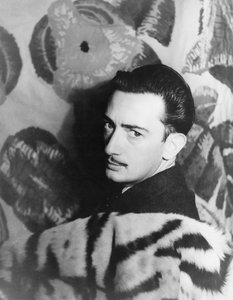
Salvador Dalí
1904 - 1989 , Spanien
Kort om kunstneren
- Bemærkelsesværdige Værker:
- Persistence of Memory
- Juliet's Tomb
- Mannequin
- Dødsdato: 23. januar 1989
- Fulde Navn: Salvador Domingo Felipe Dalí
- Fødested (By Og Land): Figueres, Spanien
- Fødselsdato: 11. maj 1904
- Kunstnere Der Påvirkede:
- Cubisme
- Dada
- Pablo Picasso
- Kunstnerisk Bevægelse: Surrealisme
- Nationalitet: Spansk
- Påvirkede Kunstnere/Bevægelser:
- Pop art
- Moderne kunstnere


