

 Se i rummet
 Del som kort
 Del
Del
 Detaljer
 Guide
Guide

 Download
 Lignende værker
 Røntgenundersøgelse
 Diasshow
 Q&A
Q&A Statistikker
Who comes?
 Oil
Oil- WallArt
 1908
1908- 19th Century
 542.0 x 810.0 cm
 National Gallery of Australia
 Vis mere
Giclée / Kunsttryk
Giclée- eller lærredstryk i museumskvalitet med hurtig produktion og fleksible muligheder for finish. ( Køb håndmalet maleri Skift til digitalt billede)




P118B Dkr10

P118H Dkr10

P118W Dkr10

P438Z Dkr10

P508JH Dkr12

P508YH Dkr12

P805H Dkr10

P805Z Dkr10

P919BZ Dkr10

P919G Dkr10

P919XJ Dkr10

P959ZH Dkr10

P968JZ Dkr12

W106C Dkr8

W218G Dkr10

W218JH Dkr8

W218Y Dkr10

W307PJ Dkr10

W316G Dkr10

W316PJ Dkr8

W316Y Dkr10

W398PJ Dkr8

W4111J Dkr10

W500HY Dkr15

W500JH Dkr15

W692G Dkr12

W849H Dkr8

W940BG Dkr15

W953PJ Dkr8




Vælg mellem vores forudindstillede størrelser, der matcher kunstværkets originale proportioner.

Indtast den bredde og højde, du har brug for, så det passer til din ramme eller din væg. Et print kan kun beskæres, aldrig gøres større end selve billedet, så en størrelse med et andet format vil medføre, at dele af motivet går tabt. Vi sender dig en digital mockup til godkendelse, før vi printer noget. Billedet vist på denne side viser ikke den faktiske beskæring — det er kun mockuppen, der gør.
Verdensomspændende levering () på 2 uger i stedet for de sædvanlige 4/5 uger. (29 oktober)

Gratis ekspresforsendelse til hele verden

Lærred af linned i høj kvalitet

Fuld transportforsikring

Garanti for refusion af told og importafgifter

Garanti for præcis farvegengivelse

100 dages returret ved fabrikationsfejl

100% fuld returret

Mængderabat ved flere køb
 Glasmulighed er kun tilgængelig i størrelser under 110 cm

Who comes?
Giclée / Kunsttryk
Størrelse på reproduktion
-


Samlet pris
Dkr 533
Spørgsmål og svar
Er Rupert Charles Wulsten Bunny, skaberen af "Who comes?", kendt under andre navne?
Andre navne registreret for Rupert Charles Wulsten Bunny, skaberen af "Who comes?", inkluderer Bunny.
Hvor kan jeg se en forhåndsvisning af "Who comes?"?
Siden Forhåndsvisning for "Who comes?" giver dig mulighed for at se en forhåndsvisning af kunstværket, før du bestiller.
Kan "Who comes?" forhåndsvises i augmented reality?
Se "Who comes?" af Rupert Charles Wulsten Bunny på din egen væg via kunstværkets Se i AR-side ved hjælp af augmented reality på en kompatibel enhed.
Kunstnerbiografi
tidligt liv og uddannelse
rupert charles wulsten bunny, en australsk maler, blev født i st kilda, victoria, i 1864. han modtog en traditionel og akademisk uddannelse inden for kunsten under calderon og laurens. dette fundament skulle senere tjene ham vel i hans succesfulde karriere som ekspatriat-kunstner i fin-de-siècle Paris.bedrifter og anerkendelser
Bunnys kunstneriske formåen blev anerkendt tidligt, med en ærelig omtale ved paris salon i 1890 for hans maleri tritons. Han cementerede yderligere sit ry ved at vinde en bronzemedal ved verdensudstillingen i Paris i 1900 for begravelsen af st catherina af alexandria. Den franske stat erhvervede 13 af hans værker, herunder dem, der nu er indkvarteret i musée du luxembourg og regionale samlinger.kunstnerisk stil og temaer
Bunny var en 'luksuriøs kolorist og strålende lærd maler af idealiserede temaer,' som han blev beskrevet af kunstkritikere. Hans arbejde portrætterede ofte grupper af kvindelige figurer, der slappede af, drømte eller klædte sig på/af ved vidstrakte vandflader, hvilket fremviste hans unikke blanding af symbolisme og æsteticisme.- bemærkelsesværdige værker:
- endormies (national gallery of victoria, melbourne, australia)
- sea idyll (national gallery of victoria, melbourne, australia)
- pastoral (national gallery of australia, canberra, australia)
eftermæle og online tilstedeværelse
I dag kan Bunnys værker findes på forskellige museer og online platforme. For dem, der er interesserede i at udforske mere af hans kunst, tilbyder [https://OriginalUniqueArt.com/@/rupert-charles-wulsten-bunny](https://OriginalUniqueArt.com/@/rupert-charles-wulsten-bunny) en omfattende samling af hans malerier, herunder endormies, sea idyll og pastoral. Disse værker er også tilgængelige for køb som reproduktioner i museumskvalitet gennem /en/art/show/art-8xyffg-en/konklusion
Rupert Charles Wulsten Bunny, en australsk maler fra St Kilda, Victoria, satte et uudsletteligt præg på kunstverdenen med sin overdådige og lærde stil. Hans eftermæle fortsætter med at inspirere gennem hans værker, som nu er let tilgængelige via [https://OriginalUniqueArt.com](https://OriginalUniqueArt.com).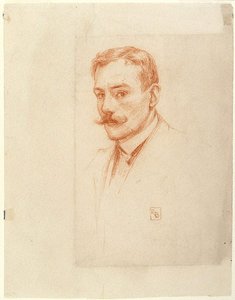
Rupert Charles Wulsten Bunny
1864 - 1947 , Australien
Relaterede artikler
Elegante Kunstværker: Top 10 Klassikere til Dit Hjem | OriginalUniqueArt.dk
Oplev 10 ikoniske kunstværker, der udstråler elegance og tidløs skønhed. Fra impressionisme til renæssance – lær historierne bag berømte malere og find inspiration til din indretning. Køb eksklusive reproduktioner på OriginalUniqueArt.com!
The Allure of Elegance: Exploring Artistic Representations of Refinement Across Movements
Explore the captivating history of elegance in art, from Rococo's grace to Romanticism’s passion. Discover investment-worthy masterpieces & expert guidance for building your collection with OriginalUniqueArt.
Sir Joshua Reynolds' Mesterværker: 25 Ikoniske Portrætter & Historiemalerier | OriginalUniqueArt.dk
Oplev Sir Joshua Reynolds' 25 mest ikoniske værker – fra elegante portrætter til storslåede historiemalerier. Lær om rokokostilen, engelsk malerkunst og find inspiration til din indretning med OriginalUniqueArt.dk. Udforsk samlingen online!

The Allure of Elegance in Art: A Historical & Aesthetic Exploration of Refined Beauty
Explore the history of elegance in art! Discover Rococo masterpieces & key artists. Expert insights for discerning collectors seeking investment-worthy artworks and custom reproductions at OriginalUniqueArt.

The Allure of Elegance in Art: A Historical & Aesthetic Exploration of Refinement & Grace
Explore the exquisite world of Rococo art! Discover its history, masters (Watteau, Boucher & more), and defining elegance. Expert insights for collectors seeking museum-quality reproductions & custom portraits.

