Contemporary Minimalism · 2010
Untitled (Rudolf Stingel, 2010)
Rudolf Stingel (1956) har skabt Untitled. Det er fra 2010. Det tilhører Contemporary Minimalism-bevægelsen. Den er udført i Acrylic On Canvas. Det opbevares på Palazzo Grassi i Venedig, Italien. Målene er 40 × 33 cm.
- 2010
- Acrylic On Canvas
- 40 × 33 cm
- Palazzo Grassi, Venedig

 Se i rummet

 Håndmalet oliemalerie
 Del som kort
 Del
 Faktablad


 Download
 Lignende værker
 Røntgenundersøgelse
 Diasshow
 Spørgsmål og svar

 Statistikker
Untitled kort fortalt
- Titel
- Untitled
- Kunstner
- Rudolf Stingel (1956)
- Kunstner født i
- Meran, Italien
- Dato
- 2010
- Medium
- Acrylic On Canvas
- Dimensioner
- 40 × 33 cm
- Hvor det kan ses
- Palazzo Grassi, Venedig, Italien
- Bevægelse
- Contemporary Minimalism
- Motiv
- texture, monochrome, sculpture, rhino, geometric, impasto
Hvad forestiller Untitled?
Rudolf Stingel’s ‘Untitled’: A Dialogue Between Medieval Iconography and Industrial Texture
Rudolf Stingel's oeuvre defies easy categorization, presenting an artist who consistently interrogates the boundaries between art and everyday life. His work isn’t merely aesthetically pleasing; it compels viewers to contemplate their own perceptions of beauty and artistic process—a deliberate provocation that distinguishes him from many contemporary practitioners. This essay delves into the conceptual core of ‘Untitled,’ examining its striking monochrome sculpture, exploring its fusion of disparate influences, and uncovering the profound emotional resonance embedded within its textured surface.The Sculpture’s Genesis: Material Transformation
Stingel's artistic approach begins with a radical reimagining of conventional materials. Rather than relying on traditional mediums like oil paint or marble, he utilizes industrial components—primarily styrofoam and cast polyurethane—to construct monumental sculptures that challenge preconceived notions about artistic expression. This deliberate selection speaks to Stingel’s fascination with the intersection between craft and industry, mirroring the broader cultural shift towards embracing repurposed materials and questioning established hierarchies within the art world. The process itself is equally significant: Stingel meticulously carves out geometric forms from these blocks of polyurethane, imprinting them with intricate patterns reminiscent of medieval iconography—a deliberate juxtaposition designed to disrupt visual expectations.Medieval Echoes: Symbolism and Iconographic Influence
The sculpture’s surface bears unmistakable traces of religious symbolism. Recurring motifs – crosses, halos, and stylized figures – echo the traditions of European art history, specifically referencing Byzantine icons and Renaissance frescoes. Stingel isn't attempting a literal representation; instead, he employs these symbols as points of reference to stimulate contemplation about faith, spirituality, and the enduring power of visual imagery. This layering of references elevates ‘Untitled’ beyond mere sculptural form, transforming it into a vehicle for conveying complex ideas about cultural heritage and artistic interpretation. The artist’s intention is not simply to reproduce recognizable images but to engage in a dialogue with art history itself.Texture as Emotional Resonance: Technique and Material Exploration
The sculpture's surface possesses an extraordinary tactile quality—a deliberate departure from the smooth, polished finishes typical of classical sculpture. Stingel employs a technique known as ‘carving out,’ where he removes material from the polyurethane block to reveal underlying textures that are then painstakingly smoothed and polished. This process creates surfaces that appear both monumental and subtly vulnerable, mirroring the artist’s exploration of materiality as an expressive medium. The resulting texture is deliberately uneven, capturing the marks of the carving process and emphasizing the physicality of the artwork—a conscious decision to counteract the perceived detachment of abstract sculpture and foster a connection between viewer and object.A Reflection on Perception: Artistic Intent
Ultimately, ‘Untitled’ serves as a meditation on how we perceive art and its relationship to our environment. Stingel's masterful manipulation of industrial material alongside classical iconography compels us to reconsider what constitutes beauty and artistic significance. The sculpture invites viewers to engage in an active process of interpretation—to consider the interplay between tradition and innovation, materiality and symbolism. It’s a testament to Stingel’s belief that art should provoke thought and emotion, pushing beyond mere visual gratification toward a deeper understanding of human experience.Concluding Thoughts: Beyond Representation
‘Untitled’ exemplifies Stingel's commitment to conceptual painting and installations—a genre characterized by its focus on ideas rather than literal depictions. He prioritizes the process of creation itself, demonstrating how readily available materials can be transformed into artworks that resonate with profound emotional depth. By juxtaposing industrial texture with religious iconography, Stingel compels us to confront our assumptions about art’s role in shaping cultural consciousness—a legacy that secures his place as one of the most distinctive voices in contemporary sculpture.Hvilket museum udstiller Untitled?
Palazzo Grassi
Venedig, Italien
Et venetiansk mesterværk genopfundet: Sjælen i Palazzo Grassi I hjertet af Venedig, hvor Canal Grande hvisker hemmeligheder om et svunden maritimt imperium, står Palazzo Grassi—en struktur, der fungerer som en bjergtagende bro mellem det attende århundredes klassiske elegance og den samtidige æras provokerende puls. At træde over dens tærskel er at indtræde i et rum, hvor historien ikke blot eksisterer i fortiden, men aktivt fører en samtale med nutiden. Oprindeligt udtænkt af arkitekten Giorgio Massari til den aristokratiske Grassi-familie, blev palazzoet designet som et raffineret udtryk for nyklassicistisk storhed.


Højopløselige billeder af Untitled

Protected by copyright: these files are for personal reference, not a licence to republish.
Rudolf Stingel, Untitled (2010), Palazzo Grassi.
Spørgsmål om Untitled besvaret
Hvor kan man i dag se "Untitled" af Rudolf Stingel udstillet?
Originalen af "Untitled" af Rudolf Stingel opbevares på Palazzo Grassi, Venedig, Italien. En reproduktion gør det muligt at udstille værket i hjemmet.
Hvornår er "Untitled" af Rudolf Stingel skabt?
"Untitled" af Rudolf Stingel blev skabt i 2010.
Hvilken teknik er brugt til "Untitled" af Rudolf Stingel?
"Untitled" er udført i Acrylic On Canvas.
Hvad er de faktiske mål på "Untitled" af Rudolf Stingel?
De registrerede mål for "Untitled" af Rudolf Stingel er 33 x 40 cm. Reproduktioner kan bestilles i andre størrelser, mens de samme proportioner bevares.
Hvad forestiller "Untitled"?
"Untitled" af Rudolf Stingel forestiller: texture, monochrome, sculpture, rhino, geometric, impasto, religion.
Er billedet af "Untitled" af Rudolf Stingel frit tilgængeligt i det offentlige domæne?
Ophavsretsstatus for "Untitled" af Rudolf Stingel: værket er stadig beskyttet af ophavsret. Dette afgør, om der frit må foretages reproduktioner af billedet.
Hvem har skabt "Untitled"?
Kunstneren bag "Untitled" er Rudolf Stingel. Værket er katalogiseret under Rudolf Stingels navn.
Hvilken stilart tilhører "Untitled"?
"Untitled" af Rudolf Stingel tilhører Contemporary Minimalism-bevægelsen. Denne bevægelse giver den stilistiske kontekst for værket.
Hvilken periode i Rudolf Stingels karriere tilhører "Untitled"?
Inden for Rudolf Stingels karriere tilhører "Untitled" perioden Late Period, hvilket gør det muligt at sammenligne værket med kunstnerens øvrige værker.
Om kunstneren, Rudolf Stingel
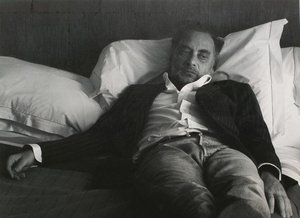
1956, Italien
Rudolf Stingel
Rudolf Stingel: En Biografi Født: Merano, Italien (1956) Nuværende bopæl: New York City Nationalitet: Italiensk Tidligt liv og kunstnerisk udvikling Rudolf Stingel trådte frem som en betydningsfuld skikkelse på kunstscenen i slutningen af 1980'erne. Han blev indledningsvist anerkendt for sine monokrome malerier, og disse værker – primært fra perioden 1987 til 1994 – var kendetegnet ved sølvagtige overflader med subtile undertoner af rød, gul eller blå. Denne tidlige fase etablerede Stingels dybe interesse for at udforske overflade og perception. Hans kunstneriske udvikling tog en skelsættende drejning i 1990'erne, da han begyndte at eksperimentere med mere levende farver og teksturer.
Om Rudolf Stingel Bemærkelsesværdige værker af Rudolf Stingel
Essays om Untitled
 Spontaneity and Matter: Distinguishing CoBrA from Art InformelMaster the differences between CoBrA and Art Informel with our expert guide. Learn to identify these post-war movements today.
 10 Iconic Masterpieces Defining the Contemporary Art EraExplore 10 iconic works defining the contemporary era. Discover museum-quality masterpieces on OriginalUniqueArt.com.
 Color & Emotion: The 25 Most Iconic Masterpieces by Mark RothkoImmerse yourself in the profound emotion of Abstract Expressionism. Explore 25 iconic Mark Rothko masterpieces, from his signature color fi…