

 Se i fuld skala
 Del
Del Del
Del
 Detaljer

 Download
 Lignende værker
 Røntgenundersøgelse
 Diasshow
 Statistik
Still-Life
 Baroque Realism
 1645
1645 43.0 x 56.0 cm
 Se mere
Giclée / Kunsttryk
Giclée- eller lærredstryk i museumskvalitet med hurtig produktion og fleksible muligheder for finish. ( Køb håndlavet maleri Skift til digitalt billede)




































Vælg mellem vores forudindstillede størrelser, der matcher kunstværkets originale proportioner.

Du kan indtaste dine egne mål for at passe til en specifik ramme eller et bestemt område. Hvis den valgte størrelse ikke stemmer overens med det originale billedes proportioner, vil vi enten beskære kunstværket eller udvide billedet med en spejlet eller ensfarvet kant. En digital mockup vil blive sendt til din godkendelse, før produktionen påbegyndes.
Bemærk venligst, at forhåndsvisningen på skærmen ikke afspejler den faktiske beskæring eller udvidelse. Kun mockuppen vil nøjagtigt vise den endelige komposition.
Selvom specialmål er tilgængelige, anbefaler vi at vælge et mål fra den foruddefinerede liste for at bevare de originale proportioner.
Verdensomspændende levering () på 2 uger i stedet for de sædvanlige 4/5 uger. (16 september)

Gratis ekspresforsendelse til hele verden

Lærred af linned i høj kvalitet

Fuld transportforsikring

Garanti for refusion af told og importafgifter

Garanti for præcis farvegengivelse

100 dages returret (kun ved fejl og mangler)

100% Tilfredshedsgaranti

Mængderabat tilgængelig
 Glasmulighed er kun tilgængelig i størrelser under 110 cm

Still-Life
Giclée / Kunsttryk
Størrelse på reproduktion
-


Samlet pris
$ 81
Kunstnerens biografi
A Life Immersed in Stillness: The World of Roelof Koets
Roelof Koets, a name perhaps less immediately recognizable than some of his Dutch Golden Age contemporaries, nevertheless occupies a significant and fascinating niche within the pantheon of 17th-century Netherlandish painters. Born around 1592 in Haarlem, a city already blossoming with artistic talent, Koets dedicated his career to the meticulous rendering of still life – not as a mere depiction of objects, but as a profound exploration of texture, light, and the ephemeral beauty of the material world. His life, though relatively undocumented compared to some of the more flamboyant figures of the era, reveals a craftsman deeply embedded in the artistic community of his time, collaborating with leading painters and subtly influencing those who followed.Early Career and Guild Affiliation
The details of Koets’s early training remain somewhat elusive; however, it is clear he was immersed in the vibrant artistic milieu of Haarlem from a young age. The city itself served as an incubator for painters like Frans Hals, and the burgeoning trade and prosperity of the Dutch Golden Age provided both patronage and subject matter. In 1654, Koets became a member of the esteemed Haarlem Guild of St. Luke as a *vinder*, or dean – a position signifying recognition from his peers and a level of mastery within the guild’s structure. This affiliation was crucial; it not only provided access to commissions but also fostered collaboration with other artists. Notably, Koets frequently worked alongside Pieter Claesz and Jan Jansz van de Velde, often contributing specific elements—particularly fruits—to larger, more complex still life compositions. These collaborations highlight the division of labor common in 17th-century Dutch painting workshops, where specialized skills were pooled to create impressive works for a growing art market.Influences and Artistic Development
Koets’s artistic sensibility was shaped by several key influences. The work of Floris van Dyck is readily apparent in his early paintings, particularly in the delicate handling of light and shadow and the precise depiction of textures. He, in turn, exerted an influence on Floris van Schooten, demonstrating a clear lineage of artistic inspiration within the Haarlem school. However, Koets wasn’t simply imitating; he developed a distinctive style characterized by intimate compositions, rich browns and ochres, and a remarkable ability to capture the lifelike quality of perishable subjects like grapes, fish, and bread. His paintings are not grandiose displays of wealth but rather quiet meditations on the beauty of everyday objects, imbued with a subtle sense of realism and depth. The use of *impasto* – applying paint thickly to create texture – is particularly notable in his fruit still lifes, adding a tactile quality that draws the viewer into the scene.Major Achievements and Symbolic Resonance
While Koets’s oeuvre remains relatively small—only a handful of signed paintings survive—his contributions are nonetheless significant. Works like “Banquet Still-Life” (1655) exemplify his mastery of Baroque composition, showcasing opulent abundance and rich textures with dramatic *chiaroscuro* lighting. The painting is not merely a depiction of food; it’s a symbolic representation of prosperity, indulgence, and the fleeting nature of earthly pleasures. Similarly, “Still-Life” (1645), featuring grapes and raisins, demonstrates his exceptional skill in capturing the delicate translucence of fruit and the subtle play of light on their surfaces. These paintings are not simply exercises in technical virtuosity; they invite contemplation on themes of mortality, abundance, and the transience of life—a common thread within Dutch still life painting of the period. The inclusion of objects like silver salt cellars or elaborate glassware also hints at the wealth and status of the patrons who commissioned these works.Historical Significance and Legacy
Roelof Koets’s historical significance lies in his contribution to the development of Dutch Golden Age still life painting. He was part of a generation that elevated this genre from its earlier, more rudimentary forms to a sophisticated art form capable of conveying complex symbolism and emotional resonance. Though he is not as widely celebrated as some of his contemporaries, Koets’s work embodies the spirit of the era—a fascination with realism, a meticulous attention to detail, and a profound appreciation for the beauty of the everyday world. His paintings continue to captivate viewers today, offering a glimpse into the lives, values, and artistic sensibilities of 17th-century Netherlands. He is not to be confused with Roelof Koets of Zwolle, who specialized in portraiture, highlighting the importance of distinguishing between artists with similar names during this period. His legacy endures through his surviving works and the influence he had on subsequent generations of Dutch painters, solidifying his place as a key figure within the rich tapestry of the Dutch Golden Age.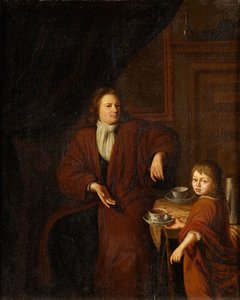
roelof koets
1592 - 1654 , Netherlands
Kort om kunstneren
- Artistic Movement Or Style: Dutch Golden Age painting
- Artists Or Movements Influenced By This Artist: ['Floris van Schooten']
- Artists Who Influenced This Artist: ['Floris van Dyck']
- Date Of Birth: 1592
- Date Of Death: 1654
- Full Name: Roelof Koets
- Nationality: Dutch
- Notable Artworks:
- Banquet Still-Life
- Still-Life (1645)
- Portrait of a Minister
- Place Of Birth: Haarlem, Netherlands
Relaterede artikler

Jan Jansz Wijnants: A Study in Dutch Golden Age Still Life & Floral Transience
Explore the captivating world of Jan Wijnants and Dutch Golden Age still life painting. Discover symbolism, masterful techniques & lasting influence on floral art history. Learn more!

Illuminating Innovation: Exploring the Dutch Golden Age of Painting
Explore the Dutch Golden Age of painting with OriginalUniqueArt. Discover Rembrandt, Vermeer & other Masters. Learn about key characteristics, iconic artworks, and lasting influence. Expert insights for collectors & enthusiasts.

Golden Age Reflections: Dutch Baroque Painting & Cultural Innovation
Explore the Dutch Golden Age of painting! Discover key artists like Vermeer & ter Borch, their innovative techniques, and the rich cultural context behind these Baroque masterpieces. Learn about collecting & appreciating this iconic art period.

Hollandske Mestre: Top 10 Værker fra Guldalderen – Kunst til Dit Hjem
Oplev de 10 mest ikoniske værker fra den hollandske guldalder! Rembrandt, Vermeer og andre mestre afsløres. Find inspiration til dit hjem & køb museumskvalitets kunsttryk på OriginalUniqueArt.com.

Golden Light & Dutch Skies: The Timeless Magic of Dutch Golden Age Landscapes
Discover the breathtaking beauty of Dutch Golden Age landscapes. Explore the mastery of light, chiaroscuro, and 17th-century realism through an expert art history lens, celebrating the enduring legacy of the Dutch Masters for discerning collectors and art lovers.