Se i rummet
 Send
Send Del
Del
 Detaljer
 Studieguide til kunstværker

 Download
 Lignende værker
 Røntgenundersøgelse
 Se diasshow
 Statistik
Les Amoureux de l


 Læs mere
Kunstværket vist på denne side er beskyttet af ophavsretsloven, hvilket betyder, at vi ikke lovligt kan skabe eller sælge en identisk reproduktion. Denne beskyttelse håndhæves i henhold til internationale aftaler som f.eks. den Bernerkonventionen og af nationale love, herunder de bestemmelser, der er fastlagt i Amerikansk ophavsretslov - Titel 17.
Denne metode overholder fuldt ud ophavsretsreglerne, da den ikke indebærer kopiering eller duplikering af det beskyttede kunstværk. I stedet er der tale om en kreativ nytolkning – et nyt maleri, som er inspireret af det oprindelige, men ikke identisk med det.
Giclée / Kunsttryk
Giclée- eller lærredstryk i museumskvalitet med hurtig produktion og fleksible muligheder for finish. ( Bestil håndmalet reproduktion Skift til digitalt billede)




P118B Dkr10

P118H Dkr10

P118W Dkr10

P438Z Dkr10

P508JH Dkr12

P508YH Dkr12

P805H Dkr10

P805Z Dkr10

P919BZ Dkr10

P919G Dkr10

P919XJ Dkr10

P959ZH Dkr10

P968JZ Dkr12

W106C Dkr8

W218G Dkr10

W218JH Dkr8

W218Y Dkr10

W307PJ Dkr10

W316G Dkr10

W316PJ Dkr8

W316Y Dkr10

W398PJ Dkr8

W4111J Dkr10

W500HY Dkr15

W500JH Dkr15

W692G Dkr12

W849H Dkr8

W940BG Dkr15

W953PJ Dkr8




Vælg mellem vores forudindstillede størrelser, der matcher kunstværkets originale proportioner.

Indtast den bredde og højde, du har brug for, så det passer til din ramme eller din væg. Et print kan kun beskæres, aldrig gøres større end billedet, så en størrelse med en anden form vil miste en del af motivet. Vi sender dig en digital mockup til godkendelse, før vi printer noget. Billedet vist på denne side viser ikke den faktiske beskæring — det er kun mockuppen, der gør.
Verdensomspændende levering () på 2 uger i stedet for de sædvanlige 4/5 uger. (26 oktober)

Gratis ekspresforsendelse til hele verden

Lærred af linned i høj kvalitet

Komplet transportforsikring

Garanti for refusion af told og importafgifter

Garanti for autentisk farvegengivelse

100 dages returret ved fabrikationsfejl

100% fuld returret

Mængderabat ved flere køb
 Glasmulighed er kun tilgængelig i størrelser under 110 cm

Les Amoureux de l
Giclée / Kunsttryk
Reproduktionsstørrelse
-


Samlet pris
Dkr 531
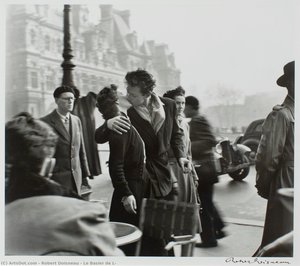
Les Amoureux de l'Opera: Et Sømmelighedens Elegante Dans
Robert Doisneau’s “Les Amoureux de l’Opera” transcenderer blot fotografisk dokumentation; det udtrykker ånden af efterkrigstidens Paris – en by, der kæmpede med optimisme og melankoli, længtes efter forbindelse midt i urbane anonymitet. Fanget i 1950, skildrer dette ikoniske billede et ung par kysser på trapperne til Hôtel de Ville (Bygningshovedkontoret), badet i diffust lys, der giver scenen en æterisk kvalitet. Fotografien er et produkt af tiden og født ud af ønsket om at fange øjeblikke af menneskelig erfaring med både følelsesmæssig dybde og kunstnerisk finesse.Doisneau var en pioner inden for dokumentarisk fotografi, hvor fokus lå på autentiske menneskelige portrætter og beskrivelser af hverdagslivet – ofte præget af interesse for marginale grupper. Hans stil hænger sammen med principperne om humanist realismen, hvilket karakteriseres ved dets engagement i at gengive mennesker ærligt og sympatisk, hvilket ofte fokuserer på udsatte samfund. Fotografien er et vidnesbyrd om kunstnerens evne til at transformere almindelige scener til uforglemmelige billeder, der fanger essensen af menneskelig følelse og kunstnerisk vision.
Komposition og Teknik: Et Øjeblik Frosset i Lys
Kompositionen er centreret omkring det kyskende par, placeret lidt off-center mod højre. Hôtel de Ville’s facade udgør en imponerende baggrund med flere vinduer og en fremtrædende taglinje – et arkitektonisk element, der ikke blot giver kontekst til scenen men også styrker følelsen af skala. Trapperne leder opad bygningen diagonalt og skaber visuelle linjer, der trækker øjet opad og styrker billedets dynamiske rytme. Fotografens kunst ligger i hans præcise brug af kameraet og teknikken – særligt fokus på langsom lukketid. Denne omhyggelige metode tillader kunstneren at fange bevægelse og skabe en følelse af øjeblikkelig tid, hvilket fremhæver billedets æstetik og følelsesmæssige resonans.- Komposition & Perspektiv: Doisneau udnytter et let nedadgående perspektiv, hvilket fremhæver Hôtel de Ville’s majestætiske højde og styrker følelsen af skala. Diagonal linjer skabt af trapperne krydser horisontale linjer dannet af bygningen, hvilket guider øjet henover billedet og etablerer en dynamisk visuel rytme.
- Teknik: Fotografens præcise brug af kameraet og teknikken – særligt fokus på langsom lukketid. Denne omhyggelige metode tillader kunstneren at fange bevægelse og skabe en følelse af øjeblikkelig tid, hvilket fremhæver billedets æstetik og følelsesmæssige resonans.
- Lys og Atmosfære: Lys er diffust, sandsynligvis fra en overskyet dag – hvilket bidrager til den generelle bløde æstetik og skaber stemning gennem naturligt lys og skygge.
Symbolik og Emotionel Påvirkning
“Les Amoureux de l’Opera” udtrykker dybtgående temaer om kærlighed, intimitet og sårbarhed. Parrets kys symboliserer forbindelse mellem mennesker i mødet med byens hektiske aktivitet – en rørende påmindelse om, at selv i øjeblikke af isolation forbliver menneskelige relationer stærke. Fotografien er et vidnesbyrd om Doisneau’s evne til at transformere almindelige scener til uforglemmelige billeder, der fanger essensen af menneskelig følelse og kunstnerisk vision.Eftertragtet Kunstværk
Denne ikoniske fotografis unikke kombination af komposition, teknik og følelsesmæssig resonans gør den til et værdifuldt aktiv for kunstsamlere og dekoratører. Dens klassiske stil og evne til at fange øjeblikke af menneskelig forbindelse fortsætter med at inspirere kunstnere og designere verden over – hvilket understreger Doisneau’s kunstnerskab som en sand klassiker inden for efterkrigstidens kunsthistorie.Spørgsmål & svar
Hvilken størrelse skal jeg printe "Les Amoureux de l" i til mit værelse?
Den anbefalede kombination til "Les Amoureux de l" af Robert Doisneau: et tryk i størrelsen Stor til et Stue og opholdsrum.
Hvor lys eller mørk fremstår "Les Amoureux de l" af Robert Doisneau?
Overordnet set er "Les Amoureux de l" registreret som balanceret. Den oplevede lysstyrke beskriver, hvor lyst eller mørkt værket fremstår.
I hvilken stilart og hvilken epoke er "Les Amoureux de l" af Robert Doisneau placeret?
"Les Amoureux de l" tilhører Street Photography-retningen, og dets skaber arbejdede i Modern-æraen.
Om kunstneren
A Parisian Chronicler: The Life and Legacy of Robert Doisneau
Robert Doisneau, born in Gentilly, France, in 1912, wasn’t merely a photographer; he was a visual poet of the streets, a chronicler of everyday life who captured the heart and soul of post-war Paris with an unparalleled blend of humanism, irony, and playful observation. His journey began amidst personal hardship – orphaned at a young age, raised by an unloving aunt – yet it blossomed into a career that celebrated the resilience and charm of the human spirit. Initially drawn to the technical arts, Doisneau trained in engraving and lithography at the École Estienne, skills that would later inform his compositional eye. However, it was the allure of the streets, the spontaneous narratives unfolding before him, that truly ignited his artistic passion. He began tentatively, reportedly photographing cobblestones to overcome initial shyness, gradually building confidence to capture the lives of children and adults in their natural environment.From Advertising to Artistic Vision
Doisneau’s early career was a pragmatic blend of necessity and opportunity. He navigated the world of advertising, working first as a draughtsman at Atelier Ullmann and later as a photographer for Renault. While these roles provided financial stability, they also fueled his growing interest in people and their interactions. His time at Renault, though ultimately cut short by his habitual tardiness, proved formative, exposing him to the possibilities of photography beyond mere commercial application. The late 1930s saw him join the Rapho photographic agency, a pivotal moment that allowed him to pursue street photography more seriously. This period coincided with the looming shadow of World War II, and Doisneau’s life took on another layer of complexity as he served in the French army and actively participated in the Resistance, utilizing his skills to forge documents for those fleeing persecution. It was a time of immense risk and moral responsibility, shaping his commitment to documenting the lives of ordinary people with dignity and respect.The Humanist Lens: Style and Influences
Doisneau’s photographic style is instantly recognizable – a masterful blend of candid observation, carefully composed framing, and a gentle, often ironic, perspective. He wasn't interested in grand narratives or dramatic events; instead, he found beauty and meaning in the mundane, the fleeting moments of everyday life. Influenced by masters like André Kertész, Eugène Atget, and Henri Cartier-Bresson, Doisneau developed his own unique voice, one that prioritized human connection over technical perfection. He possessed an extraordinary ability to anticipate and capture decisive moments, often with a touch of humor or whimsy. His work frequently features amusing juxtapositions, contrasting social classes, and eccentric characters, all set against the backdrop of bustling Parisian streets and cafes. Le Baiser de l'Hôtel de Ville (The Kiss by the Town Hall), his most iconic image from 1950, perfectly encapsulates this approach – a spontaneous moment of intimacy amidst the chaos of city life, an enduring symbol of love and freedom. He famously stated, “The marvels of daily life are so exciting; no movie director can arrange the unexpected that you find in the street.”A Legacy of Empathy and Observation
Throughout his career, Doisneau consistently championed the overlooked and marginalized. He had a particular fondness for children, portraying their play with seriousness and respect, recognizing their inherent dignity and freedom from adult constraints. His photographs offer a poignant glimpse into a post-war Paris rebuilding itself, grappling with social change, yet retaining its unique charm and spirit. While he briefly experimented with fashion photography for Vogue, his heart remained on the streets, capturing the authentic pulse of Parisian life. Despite receiving an invitation to join Magnum Photos from Henri Cartier-Bresson, Doisneau chose to remain with Rapho, valuing the agency’s independence and allowing him greater creative freedom. He was appointed a Chevalier (Knight) of the Legion of Honour in 1984, a testament to his significant contribution to French culture. Robert Doisneau passed away in 1994, leaving behind a vast body of work that continues to inspire and captivate audiences worldwide. His photographs are not simply records of a time and place; they are enduring celebrations of the human condition, reminding us to find beauty and meaning in the everyday moments that shape our lives.
Robert Doisneau
1922 - 1994 , France
Hurtige fakta
- Full Name: Robert Doisneau
- Nationality: French
- Date Of Birth: 1922
- Date Of Death: 1994
- Place Of Birth: Gennevilliers, France
- Notable Artworks: ["Le Baiser de l'hôtel de ville"]
- Artistic Movement Or Style: Humanist photography
- Artists Who Influenced This Artist:
- André Kertész
- Eugène Atget
- Henri Cartier-Bresson
Relaterede artikler
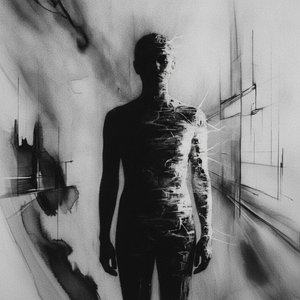
Shadow & Soul: Why Black & White Photography Remains the Ultimate Power Move in Modern Art
Discover why black & white photography remains a powerful force in contemporary art. Explore the impact of light, shadow, and texture through a visual journey of monochrome mastery and learn how to elevate your space with timeless grayscale aesthetics.
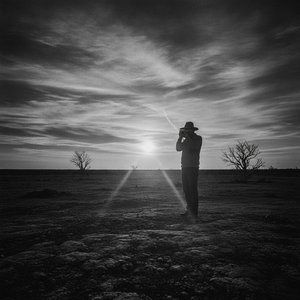
Timeless Shadows: The Artistry, History, and Emotional Resonance of Black and White Photography
Explore the profound artistry of black and white photography. From historical mastery to the interplay of light and shadow, discover how monochrome captures timeless emotion and form through a sophisticated lens of art history.

Monochrome Visions: Exploring the Aesthetic & Historical Significance of Black & White Photography
Explore the rich history & artistic power of black and white photography. From early techniques to iconic masters like Ansel Adams, discover why monochrome continues to captivate art lovers today. Expert insights for collectors.
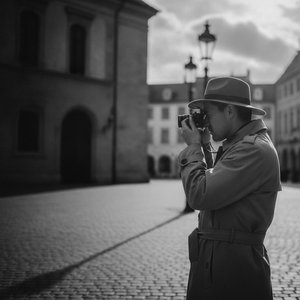
Beyond Color: The Timeless Power and Artistry of Black and White Photography
Explore the profound artistry of black and white photography. From the chemistry of gelatin silver to the chiaroscuro of the Old Masters, discover how monochrome captures the eternal essence of light, form, and emotion for the discerning art collector.

Hvide Mesterværker: Top 10 Maler der Fascinerer – Kunst til Dit Hjem | OriginalUniqueArt.dk
Oplev skønheden i hvide malerier! Fra Monet til Van Gogh – udforsk 10 ikoniske kunstværker og deres historie. Find inspiration til dit hjem & køb museumskvalitets reproduktioner på OriginalUniqueArt.com.