
 Se i rummet
 Del som kort
 Del
Del
 Detaljer
 Guide
Guide

 Download
 Lignende værker
 Røntgenundersøgelse
 Diasshow
 Spørgsmål og svar
 Statistikker
The Cow Shed

- 36.0 x 46.0 cm


 Vis mere
Kunstværket vist på denne side er beskyttet af ophavsretsloven, hvilket betyder, at vi ikke lovligt kan skabe eller sælge en identisk reproduktion. Denne beskyttelse håndhæves i henhold til internationale aftaler som f.eks. den Bernerkonventionen og af nationale love, herunder de bestemmelser, der er fastlagt i Amerikansk ophavsretslov - Titel 17.
Denne metode overholder fuldt ud ophavsretsreglerne, da den ikke indebærer kopiering eller duplikering af det beskyttede kunstværk. I stedet er der tale om en kreativ nytolkning – et nyt maleri, som er inspireret af det oprindelige, men ikke identisk med det.
Giclée / Kunsttryk
Giclée- eller lærredstryk i museumskvalitet med hurtig produktion og fleksible muligheder for finish. ( Køb håndmalet maleri Skift til digitalt billede)




P118B Dkr10

P118H Dkr10

P118W Dkr10

P438Z Dkr10

P508JH Dkr12

P508YH Dkr12

P805H Dkr10

P805Z Dkr10

P919BZ Dkr10

P919G Dkr10

P919XJ Dkr10

P959ZH Dkr10

P968JZ Dkr12

W106C Dkr8

W218G Dkr10

W218JH Dkr8

W218Y Dkr10

W307PJ Dkr10

W316G Dkr10

W316PJ Dkr8

W316Y Dkr10

W398PJ Dkr8

W4111J Dkr10

W500HY Dkr15

W500JH Dkr15

W692G Dkr12

W849H Dkr8

W940BG Dkr15

W953PJ Dkr8




Vælg mellem vores forudindstillede størrelser, der matcher kunstværkets originale proportioner.

Indtast den bredde og højde, du har brug for, så det passer til din ramme eller din væg. Et print kan kun beskæres, aldrig gøres større end selve billedet, så en størrelse med et andet format vil medføre, at dele af motivet går tabt. Vi sender dig en digital mockup til godkendelse, før vi printer noget. Billedet vist på denne side viser ikke den faktiske beskæring — det er kun mockuppen, der gør.
Verdensomspændende levering () på 2 uger i stedet for de sædvanlige 4/5 uger. (5 november)

Gratis ekspresforsendelse til hele verden

Lærred af linned i høj kvalitet

Fuld transportforsikring

Garanti for refusion af told og importafgifter

Garanti for præcis farvegengivelse

100 dages returret ved fabrikationsfejl

100% fuld returret

Mængderabat ved flere køb
 Glasmulighed er kun tilgængelig i størrelser under 110 cm

The Cow Shed
Giclée / Kunsttryk
Størrelse på reproduktion
-


Samlet pris
Dkr 541
A Pastoral Symphony in Red and Green
In the quietude of 1941, Robert A. Buhler captured a moment of profound serenity in his evocative work, The Cow Shed. This painting serves as a vibrant window into a pastoral world, where the lush, verdant expanses of a green landscape meet the striking, grounded presence of a crimson structure. At first glance, the eye is drawn to the central red building—a barn or shed that stands as a bold, architectural anchor amidst the undulating rhythms of nature. The composition is not merely a depiction of a rural setting but an exploration of color harmony and life's persistent vitality. As birds dance through the air around the structure, they introduce a sense of movement and spontaneous grace, transforming a static landscape into a breathing, living ecosystem.
The technique employed by Buhler reflects his deep-seated connection to the traditions of observation and directness. There is a palpable texture to the greenery, suggesting a painterly approach that celebrates the organic irregularities of the natural world. The interplay between the warm, commanding red of the shed and the cool, expansive greens of the surrounding trees creates a visual tension that is both stimulating and soothing. This mastery of color allows the viewer to feel the warmth of the sunlight and the freshness of the earth, making the scene feel less like a distant memory and more like an immediate, immersive experience.
The Soul of the English Landscape
To understand The Cow Shed, one must look toward the artistic lineage of Robert Buhler. Influenced by the spirit of the Euston Road School, Buhler embraced a philosophy of clarity and directness, eschewing unnecessary ornamentation in favor of capturing the true essence of his subjects. This piece embodies that restraint; every brushstroke serves to build the atmosphere of the Essex orchards or the English countryside he so loved. The painting functions as a study of light and shadow, where the red building acts as a beacon of human presence within the vast, untamed beauty of the landscape.
For the discerning collector or interior designer, this artwork offers more than just aesthetic beauty; it provides an emotional sanctuary. The symbolism of the shed—a place of shelter and harvest—combined with the freedom of the flying birds, evokes themes of stability and transcendence. It is a piece that invites contemplation, making it an ideal centerpiece for a sophisticated living space or a quiet study. Whether placed in a modern gallery setting or a classic, traditional room, The Cow Shed brings with it a timeless elegance and a restorative energy that continues to resonate decades after its creation.
Spørgsmål og svar
Hvilken stemning og hvilke følelser forenes i "The Cow Shed"?
"The Cow Shed" af Robert A Buhler formidler en Tranquil følelse i en overordnet Natural stemning.
Hvem er kunstneren bag "The Cow Shed"?
"The Cow Shed" tilskrives Robert A Buhler.
Hvordan passer "The Cow Shed" ind i Robert A Buhlers temaer og stil?
"The Cow Shed" er et værk fra Robert A Buhlers Contemporary Realism-periode, hvis gennemgående temaer inkluderer euston road school influence, direct painting approach, nature and landscape studies, english light observation, rural life depiction.
Kunstnerbiografi
Robert Buhler: A Quiet Master of English Light
Born in London to Swiss parents, Robert Buhler’s artistic journey was a testament to the enduring influence of both heritage and circumstance. His early life, steeped in the cultural richness of his family's background – his father a journalist and aircraft designer, his mother a bookshop owner – provided a foundation for an appreciation of observation and detail that would become hallmarks of his distinctive style. Moving to Switzerland as a young man, he initially studied commercial art before returning to London, where he enrolled at St Martin’s School of Art, absorbing the spirit of the burgeoning Euston Road School movement. This period proved pivotal, exposing him to a group of artists who championed a spare, direct approach to painting – a philosophy that subtly shaped his own distinctive vision.
Buhler's artistic development wasn't solely defined by formal training; it was profoundly influenced by the rhythms and textures of London itself. He found himself drawn to the city’s light, its subtle shifts in atmosphere, and the quiet dignity of everyday life. His early works, often depicting scenes from his neighborhood – Camden Town, Fitzrovia – captured this essence with remarkable sensitivity. These paintings weren't grand statements; rather, they were intimate studies of place, rendered in muted tones and a restrained palette that reflected the city’s understated beauty. He skillfully employed light to create a sense of atmosphere, evoking mood and emotion through subtle variations in color and texture.
The transition from landscape to portraiture marked a significant shift in Buhler's career. His portraits, characterized by their quiet dignity and psychological depth, quickly gained recognition. He possessed an extraordinary ability to capture the essence of his subjects – not merely their physical appearance but also their inner lives. His sitters included prominent figures such as Francis Bacon, John Minton, and Stephen Spender, each portrait revealing a unique facet of the individual’s character. Buhler's portraits weren’t simply likenesses; they were carefully constructed narratives, imbued with a sense of empathy and understanding.
Buhler’s artistic practice extended beyond the confines of London. He spent considerable time in East Anglia, renting cottages and immersing himself in the region’s rural landscapes. This period produced some of his most evocative works – paintings that capture the quiet beauty of the Norfolk countryside with remarkable precision and sensitivity. His approach to landscape painting was deeply rooted in observation, informed by a keen awareness of light, color, and texture. He avoided dramatic gestures or overtly expressive brushstrokes, instead favoring a subtle, understated style that allowed the landscapes themselves to speak for themselves.
Despite his success as a painter and teacher, Robert Buhler’s life was marked by personal challenges. His marriage ended twice, and he struggled with financial difficulties throughout much of his career. Yet, he remained steadfast in his commitment to art, continuing to paint and teach until his death in 1989. His legacy endures not through grand pronouncements or flamboyant displays but through the quiet beauty and profound emotional resonance of his paintings – a testament to the power of observation, restraint, and a deep appreciation for the subtleties of English light.
Key Works
- Early Morning (1939): A quintessential example of Buhler’s early style, depicting a nude man in his bedroom with an emphasis on light and shadow.
- The Saltings (1953): A serene landscape painting capturing the beauty of rural Norfolk, showcasing Buhler's mastery of atmospheric perspective.
- Portrait of John Davenport (1960): A compelling portrait demonstrating Buhler’s ability to capture a subject’s personality and inner life.
- Vineyards, Neuchâtel (1970s?): A later work reflecting Buhler's continued interest in landscape painting, capturing the beauty of the Swiss countryside.
Influences & Style
Buhler’s artistic style was shaped by a confluence of influences. The spare compositions and restrained palettes of the Euston Road School painters – particularly Leon Underwood and Vivian Pitchforth – profoundly impacted his approach to landscape and portraiture. He also drew inspiration from Impressionism, evident in his use of light and color, and from the work of Robert Henri, whose emphasis on American Realism encouraged a direct engagement with the subject matter.
His style is characterized by:
- Muted Tones: A preference for subtle colors rather than bold hues.
- Restrained Brushwork: Avoiding dramatic gestures in favor of smooth, controlled application of paint.
- Atmospheric Perspective: Creating a sense of depth and distance through variations in color and tone.
- Psychological Insight: Capturing the essence of his subjects – both landscapes and people – with remarkable sensitivity and empathy.
Legacy & Recognition
Robert Buhler’s work has been exhibited widely throughout England and abroad, and his paintings are held in numerous public and private collections. He was elected an Associate of the Royal Academy in 1947 and a full Royal Academician in 1956, recognizing his significant contribution to British art. While he never achieved widespread fame during his lifetime, Buhler’s quiet dedication to his craft and his profound understanding of light and atmosphere have earned him a place as a key figure in the history of American Realism.

Robert A Buhler
1916 - 1989
Kort om kunstneren
- Full Name: Robert Buhler RA
- Nationality: British, Swiss
- Date Of Birth: 1916
- Date Of Death: 1989
- Place Of Birth: London, England
- Notable Artworks:
- Early Morning
- The Saltings
- Vineyards, Neuchâtel
- Artistic Movement Or Style: Landscape, Portrait
- Artists Who Influenced This Artist:
- Leon Underwood
- Vivian Pitchforth
- Artists Or Movements Influenced By This Artist: ['Euston Road School']
Relaterede artikler
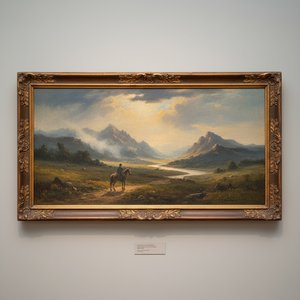
Anthony Vandyke Copley Fielding: Rediscovering a Master of Romantic Landscape
Discover the captivating landscapes of Anthony Vandyke Copley Fielding, a master of Romantic watercolour painting. Explore his life, technique, and legacy with OriginalUniqueArt – your source for museum-quality art reproductions & expert appraisal.

Romantikkens Landskaber: Top 10 Malerier der Definerede En Æra | OriginalUniqueArt
Oplev romantikkens storhedstid! Dyk ned i top 10 landskabsmalerier af Caspar David Friedrich, Turner & Constable. Historiske fortællinger og museumskvalitets reproduktioner på OriginalUniqueArt.com – find din inspiration til væggen her!
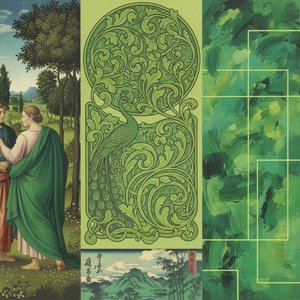
Verdant Visions: Exploring the Symbolism & Aesthetic Impact of Green in Art History
Explore the rich history & symbolism of green in art! Discover iconic paintings, techniques, and how to bring verdant harmony into your home with OriginalUniqueArt's expert guide.

Top 10 Berømte Malerier Domineret af Kadmiumgrøn – Kunst & Indretning
Oplev de 10 mest berømte malerier domineret af den smukke kadmiumgrøn farve! Fra Monet til Van Gogh – udforsk kunsthistorien og find inspiration til din boligindretning. Køb museumskvalitets reproduktioner på OriginalUniqueArt.com.
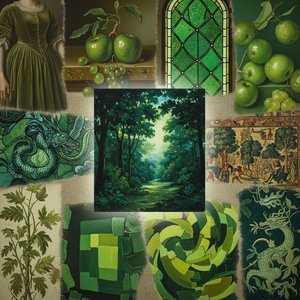
Top 10 Berømte Malerier Domineret af Kromgrøn – Kunst og Indretning
Oplev 10 berømte malerier domineret af kromgrøn! Fra Monet til Van Gogh, udforsk kunsthistorien og ikoniske værker. Find inspiration til din indretning & køb museumskvalitets reproduktioner på OriginalUniqueArt.com.