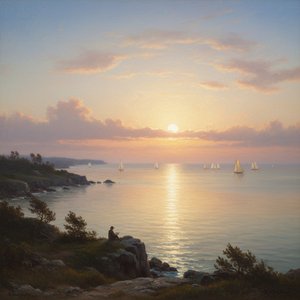
On hounslow heath
Håndlavet oliereproduktion
Håndmalet olie på lærred i din valgte størrelse og ramme, udført efter bestilling af vores kunstnere. ( Køb print
Køb billede)
P118B $10
P118H $10
P118W $10
P438Z $10
P508JH $12
P508YH $12
P805H $10
P805Z $10
P919BZ $10
P919G $10
P919XJ $10
P959ZH $10
P968JZ $12
W106C $8
W218G $10
W218JH $8
W218Y $10
W307PJ $10
W316G $10
W316PJ $8
W316Y $10
W398PJ $8
W4111J $10
W500HY $15
W500JH $15
W692G $12
W849H $8
W940BG $15
W953PJ $8
Vælg mellem vores forudindstillede størrelser, der matcher kunstværkets originale proportioner.
Du kan indtaste dine egne mål for at passe til en bestemt ramme eller plads. Hvis den valgte størrelse ikke stemmer overens med det originale billedes proportioner, vil vi enten beskære kunstværket eller udvide maleriet med yderligere håndmalede elementer. En digital skitse sendes til din godkendelse, før produktionen påbegyndes.
Bemærk venligst, at forhåndsvisningen på skærmen ikke afspejler den faktiske beskæring eller udvidelse. Kun skitsen vil nøjagtigt vise den endelige komposition.
Selvom specialmål er mulige, anbefaler vi at vælge en dimension fra den foruddefinerede liste for at bevare de originale proportioner.
Efter bestilling vil OriginalUniqueArt.com team sende en e-mail til kunden for at få instruktioner og levere et udkast til en skitse.
Levering i hele verden () på 3/4 uger i stedet for de standard 5 uger. (16 august). Ingen kompromiser med kvaliteten.
Gratis ekspresforsendelse til hele verden
Lærred af linned i høj kvalitet
Fuld transportforsikring
Garanti for refusion af told og importafgifter
Garanti for præcis farvegengivelse
60 dages returret (kun ved fabrikationsfejl)
100% Tilfredshedsgaranti
Mængderabat tilgængelig
On hounslow heath
Reproduktionsmetode
Størrelse på reproduktion
-
Samlet pris
$ 300
Beskrivelse af kunstværket
Captivating Subject and Scenic Composition
This exquisite landscape captures the tranquil beauty of Hounslow Heath, a historic expanse located just outside London. The scene is thoughtfully composed, featuring a largely open and uncultivated terrain broken only by the gentle flow of the River Crane flooding its banks in the foreground. In the distance, a solitary windmill stands as a symbol of rural life and traditional industry, while the expansive sky dominates the upper portion of the painting, evoking a sense of vastness and freedom. The small, solitary figure near the water’s edge invites viewers into a moment of quiet reflection, emphasizing themes of solitude, harmony with nature, and contemplative serenity.Masterful Style and Technique
Created by the renowned British artist Richard Wilson, this work exemplifies his mastery of realistic landscape painting. Wilson’s meticulous attention to detail and skillful use of oil paints bring the scene to life with luminous colors and subtle gradations of light and shadow. The artist’s naturalistic approach emphasizes the unspoiled, authentic qualities of the landscape, capturing the fleeting effects of late afternoon or early evening light. Fine brushwork renders textures with precision—from the ripples in the water to the soft clouds drifting across the sky—creating a sense of depth and immediacy that draws viewers into the scene.Historical Context and Artistic Significance
Painted in 1770, this work reflects a pivotal moment in Wilson’s career when he began to focus more intensely on landscape as a genre of artistic expression. During this period, landscape painting was gaining recognition as a serious art form, moving away from purely decorative or illustrative purposes. Wilson’s naturalistic depiction of Hounslow Heath aligns with the emerging appreciation for the beauty of the English countryside and the importance of capturing atmospheric effects. The painting also subtly celebrates the rural heritage of England, juxtaposing the untouched landscape with the presence of human elements like the windmill and the solitary figure, symbolizing coexistence and harmony with nature.Symbolism and Emotional Impact
Beyond its visual appeal, this landscape embodies themes of tranquility, solitude, and the enduring power of nature. The expansive sky and open water evoke feelings of freedom and infinite possibility, while the lone figure and grazing animals suggest a peaceful coexistence with the environment. The soft, warm sunset colors—pinks, oranges, and purples—imbue the scene with a gentle, contemplative mood, inviting viewers to pause and reflect on the serenity of rural life. This painting’s emotional resonance lies in its ability to evoke a sense of calm and timeless beauty, making it a perfect centerpiece for spaces dedicated to relaxation, inspiration, and appreciation of natural harmony.Perfect for Collection and Interior Decor
Whether displayed in a private collection or used as a statement piece in a sophisticated interior, this high-quality reproduction offers a window into 18th-century landscape artistry. Its realistic style and balanced composition make it versatile for various decor styles, from classic to contemporary. Art lovers, collectors, and interior designers will appreciate the craftsmanship and historical depth of this piece, which not only enhances aesthetic appeal but also enriches any space with its sense of peaceful grandeur. This painting is more than just a decorative object; it is a timeless celebration of nature’s beauty and the artistic mastery of Richard Wilson.Kunstnerens biografi
Richard Wilson: A Pioneer of British Landscape Painting
Richard Wilson (1714–1782) stands as a monumental figure in the annals of British art history, recognized universally as one of the foremost landscape painters of his era and arguably the progenitor of a distinctly British artistic tradition. Born in Islington, London, on August 1st, 1714 – though some scholars debate this date – Wilson’s early life remains shrouded in obscurity, reflecting the limitations of archival records prevalent during his lifetime. Nevertheless, evidence suggests he received a robust classical education fostered by his clergyman father, equipping him with foundational knowledge crucial for mastering the artistic disciplines that would define his career.- Early Training & Apprenticeship: Wilson’s initial artistic skills were honed through self-study and observation alongside instruction from Thomas Wright, establishing him as a student of the established portraitist tradition.
- Initial Portraits: His early output consisted primarily of portraits, demonstrating his aptitude for capturing likenesses with meticulous detail and conveying psychological nuance – an influence notably evident in his depictions of Godfrey Kneller.
The Transformation to Landscape Art
Wilson’s artistic trajectory underwent a dramatic metamorphosis during the mid-1750s, propelled by a pivotal journey to Italy. This expedition wasn't merely a vacation; it constituted an immersive encounter with the artistic fervor of the Italian Renaissance and Baroque periods, profoundly impacting his stylistic sensibilities. Exposure to the canvases of Claude Lorrain – particularly his idealized depictions of Arcadia – ignited Wilson’s imagination and instilled in him a fervent admiration for Lorrain’s masterful manipulation of light and atmosphere. This influence extended beyond mere aesthetic preference; it fundamentally reshaped Wilson's compositional approach, encouraging him to prioritize grandeur and harmony—characteristics that would become hallmarks of his subsequent landscapes.- Italian Influence: Claude Lorrain’s techniques – specifically the use of atmospheric perspective – became a cornerstone of Wilson’s artistic vocabulary.

- Classical Composition: He adopted classical principles of balance and proportion, mirroring the grandeur of Roman temples and palaces in his paintings.
Mature Style & Distinctive Vision
Wilson cultivated a uniquely British aesthetic that transcended mere imitation of continental styles. While acknowledging the influence of artists like Gainsborough—whose ability to capture fleeting moments of emotion resonated deeply with Wilson—he distinguished himself through an unwavering commitment to idealized beauty and a deliberate structuring of his compositions. His landscapes weren’t simply representations of scenery; they were carefully crafted narratives designed to evoke contemplation and convey profound emotional resonance. He skillfully employed atmospheric perspective, creating convincing illusions of depth and distance – a technique perfected by artists like Turner—and bathed his canvases in warm, golden light reminiscent of the Tuscan sun, capturing the tranquility and majesty of the English countryside.- Atmospheric Perspective: Wilson’s masterful use of atmospheric haze and tonal gradation conveyed an unparalleled sense of depth and realism.

- Golden Light: The luminous quality of his paintings—particularly those depicting Snowdon—became synonymous with British landscape art, embodying a spirit of serenity and sublime grandeur.
Notable Works & Legacy
Wilson’s artistic output encompassed a vast panorama of landscapes spanning Britain and Italy, cementing his reputation as one of the most prolific painters of his generation. Among his celebrated masterpieces are “Meleager and Atalanta” (c. 1743), which exemplifies his ability to distill the essence of British pastoralism into a single evocative image; “The Hengö Watch” (1756–57)—a monumental depiction of the German Baltic coast—demonstrating Wilson’s mastery of color, texture and compositional balance; and numerous other canvases portraying iconic locations such as Snowdonia National Park. His influence extended far beyond his immediate contemporaries, shaping the artistic sensibilities of subsequent generations of British painters including Constable, Turner and Crome. Wilson's unwavering devotion to capturing the sublime beauty of nature established a distinctively British tradition that continues to inspire artists today.- Iconic Landscapes: Snowdon from Llyn Nantlle remains one of Britain’s most recognizable landscapes, embodying Wilson’s vision of idealized rural grandeur.
Recognition & Museums Collections
Richard Wilson's enduring artistic legacy is safeguarded in prominent museums across the United Kingdom and beyond: Tate Britain in London houses a substantial collection of his paintings, Walker Art Gallery in Liverpool showcases masterpieces from his oeuvre, and National Museum Wales in Cardiff proudly displays significant works reflecting Wilson’s artistic achievements. His contribution to British art history remains undeniable—a testament to his pioneering spirit and unwavering commitment to elevating landscape painting to the highest levels of aesthetic excellence.richard wilson
1713 - 1782 , Storbritannien
Kort om kunstneren
- Artistic Movement Or Style: Landscape kunst
- Artists Or Movements Influenced By This Artist:
- George Lambert
- Turner
- Artists Who Influenced This Artist:
- Godfrey Kneller
- Claude Lorrain
- Date Of Birth: 1713/1714
- Date Of Death: 1782
- Full Name: Richard Wilson
- Nationality: Britisk
- Notable Artworks:
- Meleager og Atalanta
- Hengö Vagt
- Place Of Birth: Islington, United Kingdom


Glasmulighed er kun tilgængelig i størrelser under 110 cm