
 Se i fuld skala
 Del
Del Del
Del
 Detaljer

 Download
 Lignende værker
 Røntgenundersøgelse
 Diasshow
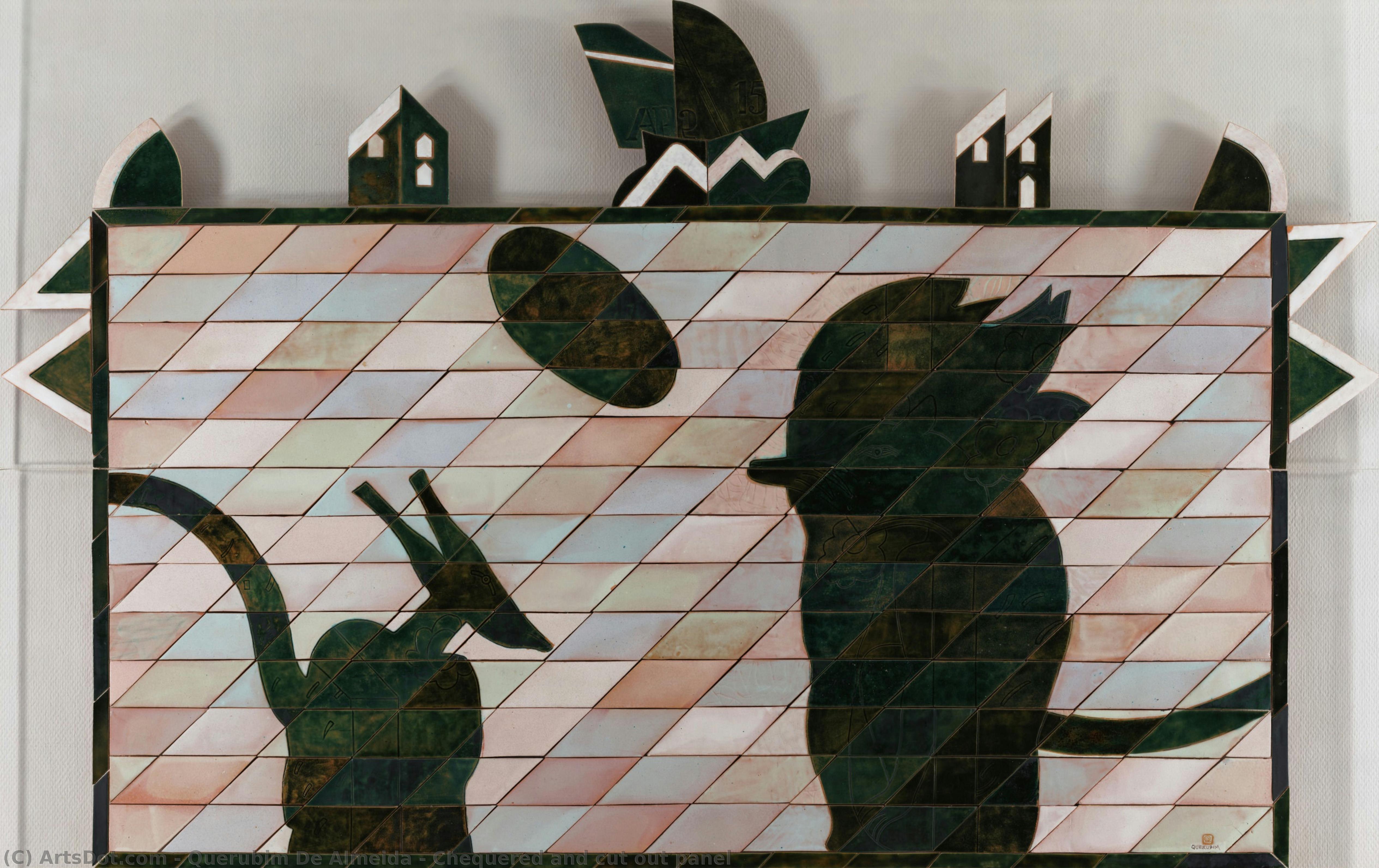
Chequered and cut out panel
 1991
1991 127.0 x 201.0 cm
 Nationalmuseet for Azulejos
 Se mere
Køb et højopløst, forbedret digitalt billede, der er langt bedre end online-forhåndsvisningen.
Hver fil er omhyggeligt forberedt af vores interne specialister ved hjælp af avancerede værktøjer og ekspertmæssig manuel retuschering. Vi sikrer, at hvert billede har enestående klarhed, præcis farvegengivelse og fine detaljer.
Den endelige fil leveres via e-mail inden for 72 timer og er optimeret til øjeblikkelig brug i professionelle, redaktionelle og trykte miljøer. Det er den samme kvalitet, som førende designstudier, forlag og gallerier har tillid til.
Digitalt billede
Download en højopløselig fil til personlig fremvisning, print og kreative projekter. ( Køb print Køb håndlavet maleri)
Inkluderet i alle ordrer på digitale billeder
Ekspert digital levering, garanteret
Når du vælger OriginalUniqueArt.com, får du ikke blot et billede – du modtager et professionelt optimeret digitalt kunstværk, skabt med præcision og sikret med en tilfredshedsgaranti. Her er alt, hvad din ordre automatisk indeholder:

Hurtig levering via e-mail
Din højkvalitets digitale billedfil vil blive sendt til din e-mail inden for 72 timer efter bestilling – klar til øjeblikkelig brug.

AI-optimeret digital fil
Dit kunstværk optimeres professionelt ved hjælp af avancerede AI-værktøjer og manuel redigering, hvilket sikrer maksimal detaljegrad, klarhed og farvenøjagtighed.

Gratis livslang genlevering
Har du ved en fejl slettet eller mistet din fil? Ingen bekymring – vi sender den igen til enhver tid, helt gratis.

Ingen importgebyrer – nogensinde
Nyd dit kunstværk med det samme uden told, afgifter eller leveringsgebyrer – digitale downloads er altid skattefrie.

Garanteret farvenøjagtighed
Vi sikrer, at dit digitale billede gengiver de originale farver så præcist som muligt ved hjælp af professionelle værktøjer og farvestyring.

60 dages tilfredshedsgaranti
Hvis du ikke er tilfreds med dit digitale billede, vil vi revidere det eller refundere 100% inden for 60 dage – uden spørgsmål.

100% Pengene tilbage-garanti
Ik tilfreds? Få fuld refusion inden for 60 dage efter modtagelse af din digitale fil – uden spørgsmål.

Mængderabat
Køb 3 billeder, spar 10% - Køb 5, spar 15% - Køb 10+, spar 20%. Ideelt til kreative projekter, gallerier og bureauer.
Beskrivelse af samlerobjektet
Kunstnerens biografi
A Life Etched in Tile and Color: The World of Querubim de Almeida
Born in the sun-drenched coastal town of Portimão, Portugal, in 1925, Querubim de Almeida – often known as Querubim Lapa – has become a pivotal figure in Portuguese art. His journey, spanning over six decades, isn’t confined to a single medium; it's a vibrant exploration encompassing painting, sculpture, and ceramics, but it is perhaps his revolutionary work with *azulejo*—traditional Portuguese tin-glazed ceramic tiles—that truly defines his legacy. Lapa didn’t simply continue the tradition of azulejo; he reimagined it, infusing ancient techniques with modern sensibilities and a distinctly neorealist perspective. A formative experience occurred during the 1940 Portuguese World Exhibition, an event that ignited within him a passion for artistic expression and exposed him to a diverse range of creative possibilities. This early exposure would prove crucial in shaping his multifaceted career.From Formal Training to Neorealist Visions
Lapa’s artistic education was meticulously structured. He began formal training in 1941 under the guidance of painter Trindade Chagas, followed by studies at both the António Arroio School of Decorative Arts and the Afonso Domingues Industrial School. These institutions provided him with a solid foundation in technique and design principles. His early participation in group exhibitions, beginning in 1942 alongside artists like Pedro Oom and Júlio Gil at the Lisbon Italian Culture Institute, signaled his arrival on the Portuguese art scene. A significant milestone came in 1953 when he represented Portugal at the São Paulo Art Biennial, gaining international recognition for his burgeoning talent. From 1947 to 1950, Lapa further honed his skills with sculpture studies at the Lisbon School of Fine Arts under Leopoldo de Almeida. However, it was the intellectual and artistic climate of post-war Portugal that truly shaped his aesthetic direction. The neorealist movement, with its emphasis on social realism and a critical stance against prevailing ideologies, resonated deeply with Lapa. This influence is powerfully evident in his early works, which often depict scenes from everyday life and address societal issues with unflinching honesty. His “beggar series” (1945-1946) stands as a poignant example of this commitment to portraying the realities of the marginalized and overlooked.The Azulejo Reimagined: A Master Craftsman’s Innovation
While Lapa's artistic output is diverse, it is his mastery of *azulejo* that has secured his place in art history. He didn’t merely replicate traditional designs; he revolutionized the medium. His unique approach involved seamlessly blending time-honored Portuguese techniques with strikingly modern and innovative concepts. This fusion resulted in pieces that are not only visually captivating but also deeply culturally significant. A long and fruitful collaboration with the Viúva Lamego factory was instrumental in this process, allowing him to experiment with ceramic techniques and push the boundaries of what *azulejo* could be. Two particularly notable works exemplify his genius: the plaque panel replicating the revetment at the Portuguese Embassy in Brazilia (1991), housed within the National Azulejo Museum in Lisbon, and the “Chequered and cut out panel,” also residing at the museum. These pieces showcase Lapa’s exceptional skill in manipulating form, color, and texture to create dynamic and thought-provoking compositions. Recurring themes in his work include bold geometric shapes and a frequent focus on peasant women, often depicted as strong, resilient figures embodying the spirit of Portugal.A Lasting Legacy: Teaching, Recognition, and Enduring Influence
Querubim de Almeida’s impact extends beyond his artistic creations. Beginning in 1955, he dedicated himself to education, teaching at the António Arroio School of Decorative Arts and nurturing generations of aspiring artists. His commitment to sharing his knowledge and passion for art ensured that his innovative spirit would continue to inspire others. Throughout his career, Lapa’s work has been exhibited internationally and is now held in prestigious collections worldwide, including the Leicestershire Museum and Art Gallery in the UK and the Calouste Gulbenkian Foundation's Modern Art Centre. His influence can also be seen in the numerous public works he created, particularly within Lisbon, transforming urban spaces with his vibrant and thought-provoking designs. While often associated with neorealism, traces of influences from artists like Paul Gauguin can be detected in his expressive use of color and form. Querubim de Almeida’s art continues to resonate today, solidifying his position as a pivotal figure in Portuguese artistic heritage—a master craftsman who not only preserved a tradition but boldly propelled it into the modern era.Notable Works
- Plaque panel, replica of the revetment at the Portuguese Embassy in Brazilia (1991): A testament to his azulejo mastery, currently housed at the National Azulejo Museum in Lisbon.
- Chequered and cut out panel: Another striking example of his innovative designs, also located at the National Azulejo Museum.
- “Beggar Series” (1945-1946): Early works demonstrating his commitment to social realism and portraying everyday life.

Querubim de Almeida
1925 - , Portugal
Kort om kunstneren
- Artistic Movement Or Style: Neorealism, Azulejo art
- Artists Who Influenced This Artist: ['Paul Gauguin']
- Date Of Birth: 1925
- Full Name: Querubim de Almeida
- Nationality: Portuguese
- Notable Artworks:
- Plaque panel (Brazilia)
- Chequered and cut out panel
- Place Of Birth: Portimão, Portugal

