

 Se i rummet
 Send
Send Del
Del
 Detaljer
 Studieguide til kunstværker

 Download
 Lignende værker
 Røntgenundersøgelse
 Se diasshow
 Statistik
Sir Charles Watson
 Oil On Canvas
- WallArt
- Neoclassicism
 75.0 x 99.0 cm
 Fondazione Cariplo
 Læs mere
Giclée / Kunsttryk
Giclée- eller lærredstryk i museumskvalitet med hurtig produktion og fleksible muligheder for finish. ( Bestil håndmalet reproduktion Skift til digitalt billede)




P118B Dkr10

P118H Dkr10

P118W Dkr10

P438Z Dkr10

P508JH Dkr12

P508YH Dkr12

P805H Dkr10

P805Z Dkr10

P919BZ Dkr10

P919G Dkr10

P919XJ Dkr10

P959ZH Dkr10

P968JZ Dkr12

W106C Dkr8

W218G Dkr10

W218JH Dkr8

W218Y Dkr10

W307PJ Dkr10

W316G Dkr10

W316PJ Dkr8

W316Y Dkr10

W398PJ Dkr8

W4111J Dkr10

W500HY Dkr15

W500JH Dkr15

W692G Dkr12

W849H Dkr8

W940BG Dkr15

W953PJ Dkr8




Vælg mellem vores forudindstillede størrelser, der matcher kunstværkets originale proportioner.

Indtast den bredde og højde, du har brug for, så det passer til din ramme eller din væg. Et print kan kun beskæres, aldrig gøres større end billedet, så en størrelse med en anden form vil miste en del af motivet. Vi sender dig en digital mockup til godkendelse, før vi printer noget. Billedet vist på denne side viser ikke den faktiske beskæring — det er kun mockuppen, der gør.
Verdensomspændende levering () på 2 uger i stedet for de sædvanlige 4/5 uger. (26 oktober)

Gratis ekspresforsendelse til hele verden

Lærred af linned i høj kvalitet

Komplet transportforsikring

Garanti for refusion af told og importafgifter

Garanti for autentisk farvegengivelse

100 dages returret ved fabrikationsfejl

100% fuld returret

Mængderabat ved flere køb
 Glasmulighed er kun tilgængelig i størrelser under 110 cm

Sir Charles Watson
Giclée / Kunsttryk
Reproduktionsstørrelse
-


Samlet pris
Dkr 531
A Glimpse into Aristocratic Grandeur: Pompeo Batoni's Portrait of Sir Charles Watson
To stand before this portrait is to step directly into the gilded salons of eighteenth-century Rome, a place where culture, ambition, and artistry converged. Pompeo Batoni, master chronicler of the privileged elite, has captured not merely a likeness, but an entire moment in aristocratic life. The subject, Sir Charles Watson, gazes out with a composed intensity that speaks volumes of his station and the era's expectations for gentlemen of means. His bearing is one of assured refinement; the crisp lines of his ruffled collar contrast beautifully with the deep tones of his brown coat, anchoring the composition against the stark, dramatic backdrop.
The Allure of Fashion and Historical Echoes
What immediately draws the eye, beyond the sitter's steady gaze, is the costume itself. Batoni has dressed Sir Charles in what is described as the Van Dyck dress—a fashion choice that transports us back to the opulent courts of the early seventeenth century. The golden mantle and buttons evoke the grandeur associated with Antoon Van Dyck’s time at the court of Charles I, a style that held immense sway among the British aristocracy during this period. This deliberate nod to historical costume suggests more than mere vanity; it is a sophisticated cultural citation, a visual language understood only by those who navigated the intellectual currents of the Grand Tour. The feather held delicately in his hand serves as both an accessory and a subtle emblem of status.
Mastery of Technique and Atmosphere
Technically, this oil on canvas exemplifies Batoni's genius for portraiture. His ability to render texture—the soft sweep of the white beard against the dark fabric, the sheen of the gold trim—is breathtaking. The contrast between the richly detailed foreground and the almost monolithic black background is a masterful stroke. This simplicity forces the viewer’s entire attention onto the sitter's face and gesture. Batoni, whose style drew from Bolognese Classicism and Raphael, achieves here a balance: the formality of classical portraiture infused with the vibrant immediacy of contemporary life. It is art that feels both timelessly grand and intimately personal.
A Statement for the Modern Collector
For the discerning collector or designer seeking to infuse a space with historical depth and undeniable elegance, this piece offers profound resonance. Reproducing such an artwork allows one to own a tangible piece of cultural history. It speaks to themes of lineage, worldly success, and enduring style. Imagine this portrait gracing a library or drawing-room; it does not merely decorate—it narrates the story of those who shaped the world from within its most cultured circles. It is an object that commands conversation, whispering tales of Oxford graduations, naval supremacy, and the dazzling allure of Italian artistic patronage.
Spørgsmål & svar
Hvordan kan jeg se "Sir Charles Watson" af Pompeo Batoni som et diasshow?
"Sir Charles Watson" af Pompeo Batoni kan ses som et diasshow på værkets Diaporama-side.
Hvor kommer de besøgende til "Sir Charles Watson" af Pompeo Batoni fra?
Siden Statistikker for "Sir Charles Watson" af Pompeo Batoni præsenterer statistikker over offentlige besøg: månedlige besøg af dette kunstværk, en sammenligning med kunstnerens mest sete værker og hvor de besøgende kommer fra.
Hvilke farver dominerer "Sir Charles Watson" af Pompeo Batoni?
"Sir Charles Watson" af Pompeo Batoni benytter en Earthy farvepalet, hvor Black (#151512) er den dominerende farve.
Om kunstneren
Tidligt liv og uddannelse
- Født: Lucca, Italien (1708)
- Død: 1787
- Pompeo Batoni flyttede til Rom i 1727.
- Han var i lære hos Agostino Masucci, Sebastiano Conca og/eller Francesco Imperiali.
- Hans første selvstændige bestilling kom som følge af de regnskyl, der ramte Rom i april 1732.
- Maleriets "Sankt Catharina af Siens ekstase" illustrerer hans akademiske forfinelse af den senbarokke stil.
Kunstnerisk stil og indflydelser
- Batonis stil trak inspiration fra klassisk antikvitet, fransk rokoko, bolognesisk klassicisme og kunstnere som Nicolas Poussin, Claude Lorrain og især Raphael.
- Han betragtes som en forløber for nyklassicismen.
- Hans værker kan findes på forskellige museer, herunder Pinacoteca di Brera i Milano, Italien.
Bemærkelsesværdige værker og bestillinger
- Jomfru og barn med helgener
- En ridder i Rom: Charles Cecil Roberts – Et berømt portræt af en britisk rejsende, sat mod baggrund af romerske ruiner.
- Venedigs triumf
- Adskillige altertavler til kirker i Italien, såsom Museum Duomo i Siena.
- Han var i høj kurs til portrætter, især blandt britiske rejsende på "The Grand Tour", som bestilte stående portrætter i antikke omgivelser.
Udvikling og historisk betydning
- Batoni blev en yderst moderigtig maler i Rom, efter at hans rival, Anton Raphael Mengs, rejste til Spanien i 1761.
- Han knyttede venskab med Winckelmann og tilstræbte at dæmpe klassicismen i sit maleri.
- Hans portrætter indfangede ånden fra Grand Tour-æraen og afspejlede den europæiske elites fascination af den klassiske antikvitet.
- Batonis evne til at forene barokke teknikker med fremspirende nyklassicistiske idealer placerede ham som en overgangsfigur i den italienske kunsthistorie.
Eftermæle
- Pompeo Batoni gik bort den 4. februar 1787 i Rom.
- Han efterlod sig en arv som en af sin tids mest berømte italienske malere.
- Hans arbejde fortsætter med at blive beundret for sin tekniske dygtighed, elegante kompositioner og indsigtsfulde skildringer af individer i deres historiske kontekst.

Pompeo Batoni
1708 - 1787 , Italien
Hurtige fakta
- Artistic Movement Or Style: Neoklassicisme
- Artists Who Influenced This Artist:
- Nicolas Poussin
- Claude Lorrain
- Raphael
- Date Of Birth: 1708
- Date Of Death: 1787
- Full Name: Pompeo Batoni
- Nationality: Italiensk
- Notable Artworks:
- Jomfru og barn med helgener
- En ridder i Rom
- Venedigs triumf
- Place Of Birth (City And Country): Lucca, Italien
Relaterede artikler

Oliemaleriets Arv: Teknik, Historie og Nutidig Praksis
Dyk ned i oliemaleriets fascinerende verden! Lær om teknikker, historie og nutidige kunstnere. Få ekspertviden og inspiration til dit eget maleprojekt.

The Enduring Legacy of Oil on Canvas: Technique, History & Aesthetic Impact
Explore the rich history & techniques of oil painting – from Renaissance masters to Impressionism. Discover pigments, layering methods, and why this timeless medium endures. Expert insights for artists & art enthusiasts.

Oil on Canvas: A Historical & Technical Exploration of a Timeless Artistic Medium
Explore the rich history & enduring techniques of oil painting on canvas. Discover the science behind its longevity, conservation practices, and contemporary relevance. Expert insights for art enthusiasts.
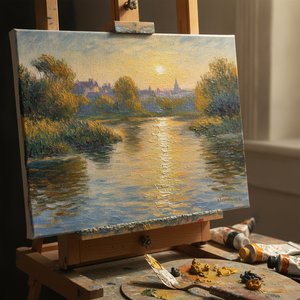
The Soul of Impressionism: Why Oil on Canvas Captures Eternal Light and Timeless Emotion
Discover the enchanting alchemy of Impressionism. Explore how the mastery of oil on canvas, through glazing and impasto, captures eternal light and emotion. Perfect for lovers of Monet and Van Gogh seeking the profound depth of hand-painted fine art.
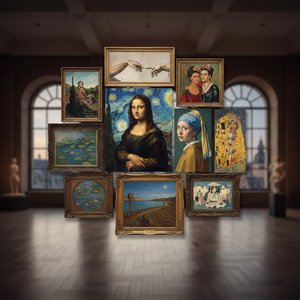
Olie på lærred: 10 mesterværker der ændrede kunsthistorien – OriginalUniqueArt.dk
Oplev 10 legendariske oliemalerier, der revolutionerede kunsthistorien! Fra Leonardo da Vinci til Van Gogh – dyk ned i mesterværkernes fortællinger og find inspiration til dit hjem. Museumskvalitet reproduktioner på OriginalUniqueArt.com
