Baroque
Philosopher (Pierre Puget)
Pierre Puget (1620–1694) har skabt Philosopher. Det tilhører Baroque-bevægelsen. Den er udført i Marble. Det opbevares på Bavarian State Painting Collections i München, Tyskland.

 Håndmalet oliemalerie
 Del som kort
 Del
 Faktablad


 Download
 Lignende værker
 Diasshow
 Spørgsmål og svar

 Statistikker
Philosopher kort fortalt
- Titel
- Philosopher
- Kunstner
- Pierre Puget (1620–1694)
- Kunstner født i
- Marseille, Frankrig
- Materiale
- Marble
- Hvor det kan ses
- Bavarian State Painting Collections, München, Tyskland
- Bevægelse
- Baroque
- Periode
- Early Modern
- Motiv
- man, bust, marble, beard, face, sculpture
Hvad forestiller Philosopher?
The Portrait Bust of a Philosopher
Pierre Puget’s Philosopher presents a marble bust focused on the psychological depth of its subject. The sculpture captures a figure from the chest up, emphasizing a countenance designed to convey wisdom and intense contemplation. Through the careful rendering of facial features, the work moves beyond mere likeness to suggest a state of profound intellectualism.
The subject's expression is defined by a furrowed brow and a slightly downturned mouth. These specific details imbue the figure with a sense of thoughtfulness, bordering on melancholy. This emotional weight provides a human dimension to the classical form, suggesting a mind preoccupied with complex truths.
Composition and Visual Elements
The composition is centered and direct, presenting the bust from the chest up against a dark, near-black background. This high-contrast setting isolates the subject, ensuring the viewer's attention remains fixed upon the form. The face acts as the primary focal point, drawing the eye through a deliberate arrangement of light and shadow.
Lighting is directed from above and slightly to the left, producing a chiaroscuro effect. This technique defines the three-dimensional volume of the marble, casting deep shadows that emphasize the contours of the neck, shoulders, and the folds of the beard. The interplay of light and dark creates a sense of recession and physical depth within the frame.
The subject's expression is characterized by a furrowed brow and a slightly downturned mouth. These features, combined with the organic, curved lines of the facial structure, suggest a state of intense contemplation or melancholy. The tension in the brow provides a psychological weight to the physical presence of the sculpture.
Technique and Material Properties
The sculpture is executed in marble, utilizing subtractive methods to reveal the form from the stone. The process involves the deliberate carving away of material from a solid block to define the anatomical features and the character's contemplative expression.
The artist employs varied surface treatments to create tactile contrast. The smoothness of the marble is used to represent the skin of the face, while more deliberate, rougher textures are applied to the hair and beard. This manipulation of the stone's surface creates a sense of volume and depth through the interplay of light and shadow across the different finishes.
Artistic Style and Influences
The sculpture adheres to a classical tradition, emphasizing realism and idealized representation. It captures the subject through a lens of profound introspection, utilizing a furrowed brow and a slightly downturned mouth to suggest a state of contemplation or melancholy. This focus on the internal life of the subject aligns with a broader sculptural movement that seeks to balance physical accuracy with the expression of human thought.
Puget’s approach to form is characterized by an emphasis on emotion, pathos, and drama. The work reflects the influence of Michelangelo’s powerful, muscular figures, particularly in the way the anatomy and facial features convey a sense of weight and gravity. This intensity is further shaped by the dynamic compositions associated with Bernini, which prioritize movement and theatricality even within the stillness of stone.
The interplay of light and shadow, or chiaroscuro, defines the contours of the face and the deep folds of the beard. This technique heightens the three-dimensional presence of the marble, transforming the static bust into a study of volume and depth. The result is a work that prioritizes the expressive power of the human form over mere decorative imitation.
Related Works by Pierre Puget
Puget’s sculptural output includes several significant commissions for the French court and major collections. His work on the figure of Hercules, currently known as the Hercule gaulois in the Louvre, demonstrates his ability to handle large-scale marble forms. This interest in mythological subjects is further seen in the group Perseus and Andromeda, which was completed in 1684. These works reflect the dramatic intensity and expressive realism characteristic of his approach to the human form.
The artist also engaged with relief sculpture and high-stakes mythological narratives. He produced the bas-relief Alexander and Diogenes, created between about 1671 and 1693. Additionally, his repertoire includes the sculpture Milo of Croton, a work produced between about 1671 and 1684. These pieces illustrate the breadth of his technical skill in both free-standing and relief formats.
Hvilket museum udstiller Philosopher?
Bavarian State Painting Collections
München, Tyskland
En arv fra Bavarian State Painting Collections Bavarian State Painting Collections, som er beliggende i München i Tyskland, begyndte sin institutionelle historie i 1799 som Centralgemäldegaleriedirektion. Dette fundament lagde grundstenen til bevaringen af europæisk kunst, som fortsat definerer byens kulturelle landskab. Samlingens rødder rækker helt tilbage til det 16.


Højopløselige billeder af Philosopher
Public domain: kunstneren døde i 1694.
Pierre Puget, Philosopher, Bavarian State Painting Collections. Frit tilgængelig
Spørgsmål om Philosopher besvaret
Hvilket museum udstiller det originale "Philosopher"?
Du kan se det originale værk "Philosopher" på Bavarian State Painting Collections, München, Tyskland.
Hvilken teknik er brugt til "Philosopher" af Pierre Puget?
"Philosopher" af Pierre Puget er udført i Marble. Reproduktionerne har til formål at gengive denne tekniks visuelle udtryk.
Hvad forestiller "Philosopher"?
Motiverne i "Philosopher" er man, bust, marble, beard, face, sculpture, gray, white.
Er "Philosopher" fri for ophavsret?
"Philosopher" af Pierre Puget er i det offentlige domæne – ophavsretten er udløbet. Denne status bestemmer, hvordan billedet af værket må reproduceres.
Hvilken kunstner tilskrives "Philosopher"?
"Philosopher" blev skabt af Pierre Puget. Informationen på denne side beskriver Pierre Pugets originale værk.
Hvilken kunstretning tilhører "Philosopher" af Pierre Puget?
"Philosopher" af Pierre Puget tilhører Baroque-bevægelsen. Denne bevægelse giver den stilistiske kontekst for værket.
Hvad er årsagen til ophavsretsstatus for "Philosopher" af Pierre Puget?
"Philosopher" af Pierre Puget er i det offentlige domæne – ophavsretten er udløbet. Ophavsretten beregnes ud fra kunstnerens dødsår, og Pierre Puget døde i 1694.
Opbevares "Philosopher" i kunstnerens hjemland?
Nej – kunstværket opbevares i udlandet. "Philosopher" findes i Tyskland, mens Pierre Puget blev født i Frankrig.
Hvad deler "Philosopher" med resten af Pierre Pugets produktion?
I Pierre Pugets samlede værk placerer "Philosopher" sig i Baroque-stilen, sammen med temaerne omkring pietro da cortona, michelangelo and bernini, baroque dynamism, classical forms, expressive realism.
Om kunstneren, Pierre Puget
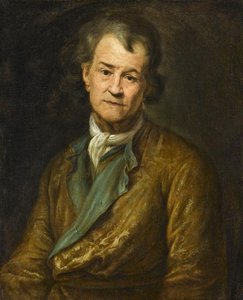
1620–1694, Frankrig
Pierre Puget
Pierre Puget: Et liv i kunst og ingeniørvidenskab Født: Marseille, Frankrig (1620) Død: 1694 Tidligt liv og italienske indflydelser Lærlingetid: Puget begyndte sin karriere som fjortenårig, hvor han udskår ornamenter til galejer bygget i Marseille. Denne tidlige eksponering for håndværk lagde fundamentet for hans senere kunstneriske bestræbelser. Rejsen til Italien (1640): I søgen efter muligheder rejste han til Italien, først til Livorno og derefter Firenze, hvor han forfinede sine færdigheder som træskærer og maler. Rom og Pietro da Cortona: Et vendepunkt indtraf, da han blev taget under vingerne af Pietro da Cortona i Rom.
Også af Pierre Puget
 Mødet mellem Alexander den Store og Diogenes1671
 Milo fra Kroton1671
 The Meeting of Alexander the Great and Diogenes1671
 Selvportræt1668
Essays om Philosopher
 Pierre Puget: 25 Iconic Sculptures and Paintings of the Baroque EraExplore 25 iconic Pierre Puget works from the French Baroque. Discover museum-quality art and curated ideas on OriginalUniqueArt.com.
 Visual Structure in Portraiture: How Composition and Lighting Define CharacterMaster the art of portraiture through composition and light. Learn how masters define character with expert visual techniques.
 Masterpieces of Munich: Top 25 Artworks in the Bavarian State Painting CollectionsExplore 25 iconic masterpieces from Munich's Bavarian State Painting Collections. Discover timeless art on OriginalUniqueArt.com.