

 Se i rummet
 Send
Send Del
Del
 Detaljer
 Studieguide til kunstværker

 Download
 Lignende værker
 Røntgenundersøgelse
 Se diasshow
 Statistik
Bacchus und Ariadne
 Oil On Canvas
- WallArt
- Baroque
 1740
1740- Early Modern
 72.0 x 95.0 cm
 Sanssouci Slot
 Læs mere
Giclée / Kunsttryk
Giclée- eller lærredstryk i museumskvalitet med hurtig produktion og fleksible muligheder for finish. ( Bestil håndmalet reproduktion Skift til digitalt billede)




P118B Dkr10

P118H Dkr10

P118W Dkr10

P438Z Dkr10

P508JH Dkr12

P508YH Dkr12

P805H Dkr10

P805Z Dkr10

P919BZ Dkr10

P919G Dkr10

P919XJ Dkr10

P959ZH Dkr10

P968JZ Dkr12

W106C Dkr8

W218G Dkr10

W218JH Dkr8

W218Y Dkr10

W307PJ Dkr10

W316G Dkr10

W316PJ Dkr8

W316Y Dkr10

W398PJ Dkr8

W4111J Dkr10

W500HY Dkr15

W500JH Dkr15

W692G Dkr12

W849H Dkr8

W940BG Dkr15

W953PJ Dkr8




Vælg mellem vores forudindstillede størrelser, der matcher kunstværkets originale proportioner.

Indtast den bredde og højde, du har brug for, så det passer til din ramme eller din væg. Et print kan kun beskæres, aldrig gøres større end billedet, så en størrelse med en anden form vil miste en del af motivet. Vi sender dig en digital mockup til godkendelse, før vi printer noget. Billedet vist på denne side viser ikke den faktiske beskæring — det er kun mockuppen, der gør.
Verdensomspændende levering () på 2 uger i stedet for de sædvanlige 4/5 uger. (26 oktober)

Gratis ekspresforsendelse til hele verden

Lærred af linned i høj kvalitet

Komplet transportforsikring

Garanti for refusion af told og importafgifter

Garanti for autentisk farvegengivelse

100 dages returret ved fabrikationsfejl

100% fuld returret

Mængderabat ved flere køb
 Glasmulighed er kun tilgængelig i størrelser under 110 cm

Bacchus und Ariadne
Giclée / Kunsttryk
Reproduktionsstørrelse
-


Samlet pris
Dkr 531
A Baroque Rhapsody: Cazes’s “Bacchus und Ariadne”
Pierre-Jacques Cazes's "Bacchus und Ariadne," painted around 1740, is more than just a depiction of a classical myth; it’s a vibrant explosion of color and movement, a testament to the flourishing Baroque style in 18th-century France. The painting transports us to the sun-drenched shores of Naxos, where the god Bacchus, pursued by Cupid's fateful arrow, dramatically claims the abandoned Ariadne. Cazes masterfully captures the intoxicating energy of this pivotal moment, weaving together elements of drama, sensuality, and divine intervention into a single, unforgettable scene.
The composition itself is a carefully orchestrated dance of figures. Ariadne, positioned on the left, gestures towards the departing ship of Theseus, a poignant reminder of her abandonment and a subtle foreshadowing of the tragic romance to come. Bacchus, resplendent in flowing robes and a confident stride, dominates the center, his hand outstretched as if inviting her into his ecstatic world. The backdrop—a stylized seascape hinting at the island’s rugged coastline—provides a dramatic stage for this mythological encounter. Beyond the immediate narrative, Cazes employs a dynamic diagonal thrust that pulls the viewer's eye through the crowded scene, creating a sense of perpetual motion and heightened emotion.
A Masterclass in Baroque Technique
Cazes’s skill as a painter is immediately evident in his masterful use of oil paint on canvas. The texture is rich and layered, achieved through impasto techniques – visible brushstrokes that build up the forms and create a palpable sense of volume. The colors are intensely saturated, particularly the reds and golds used to depict Bacchus’s garments and the shimmering light reflecting off the sea. Notice how he expertly blends warm hues with cooler blues in the background, establishing depth and creating an atmospheric perspective that draws us into the scene.
Furthermore, Cazes demonstrates a keen understanding of chiaroscuro – the dramatic interplay of light and shadow. Strong contrasts highlight key figures like Bacchus and Ariadne, while softer lighting envelops the surrounding revelers, contributing to the painting’s overall sense of drama and theatricality. The meticulous detail evident in each figure's drapery, facial expression, and even the expressions on the faces of the Bacchantin adds a remarkable level of realism and engagement.
Symbolism Woven into Myth
“Bacchus und Ariadne” is replete with symbolic elements that enrich its narrative beyond a simple retelling of the myth. The laurel tree, prominently featured in the background, represents Daphne’s transformation – a crucial element of the story where she becomes immortalized as the constellation Corona Borealis after being pursued by Apollo. The presence of Hymenaios, the god of marriage, descending with his torch signifies the union between Bacchus and Ariadne, promising a future filled with abundance and celebration. Even the drunken Silen on the donkey, a symbol of excess and revelry, underscores the intoxicating nature of Bacchus’s world.
The inclusion of numerous figures – Bacchantins dancing wildly, playful Genies, and a slumbering tiger – further amplifies the painting's themes of fertility, intoxication, and the wildness of the divine. These elements contribute to a vibrant tapestry of imagery that speaks to the core values of the Baroque period: exuberance, emotion, and an embrace of the sensual.
A Legacy of Artistic Influence
Originally commissioned by King Friedrich II of Prussia, “Bacchus und Ariadne” reflects the artistic tastes of the European elite. The painting’s opulent style and dramatic composition were highly valued during this era, serving as a symbol of royal power and refined taste. Cazes's work exemplifies the academic tradition of French art, emphasizing historical and mythological subjects rendered with meticulous detail and a strong sense of realism. His influence can be seen in the works of subsequent generations of artists, cementing his place as a pivotal figure in the development of French Baroque painting.
Today, reproductions of “Bacchus und Ariadne” continue to captivate audiences with their vibrant colors, dynamic composition, and evocative storytelling. It remains a powerful example of Baroque artistry—a timeless celebration of myth, passion, and the intoxicating allure of the divine.
Spørgsmål & svar
Hvilken teknik og stil kendetegner "Bacchus und Ariadne" af Pierre Jacques Cazes?
I "Bacchus und Ariadne" mødes Oil On Canvas-teknikken med Baroque-bevægelsen.
Er "Bacchus und Ariadne" typisk for det, som Pierre Jacques Cazes normalt skabte?
Pierre Jacques Cazess gennemgående temaer inkluderer baroque drama & grandeur, classical mythology's allure, religious allegory – divine love", royal patronage & prestige, "teaching artist, stylistic guide", french courtly art tradition, mythological narratives popular; "Bacchus und Ariadne" fokuserer på mythological scene, classical mythology, bacchus and ariadne, greek gods, naxos island, baroque drama, ecstatic figures.
Hvilken historisk periode stammer "Bacchus und Ariadne" af Pierre Jacques Cazes fra?
Den historiske periode for "Bacchus und Ariadne" af Pierre Jacques Cazes er Early Modern. Denne klassificering placerer værket i kunsthistorien.
Relaterede artikler
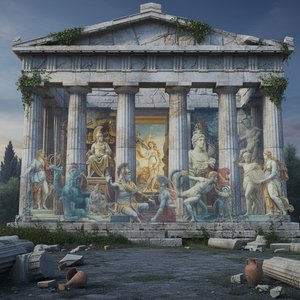
Echoes of Olympus: Mythological Narratives in Western Art Through the Ages
Explore the captivating history of mythological narratives in Western art! From ancient Greece to modern masterpieces, discover iconic artworks & symbolism. Expert analysis and high-quality reproductions at OriginalUniqueArt.
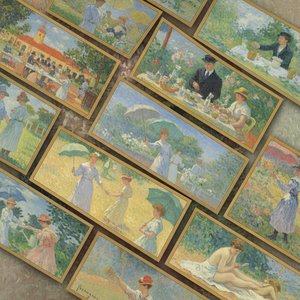
Renoirs Mesterværker: Top 25 Kunstværker til Dit Hjem | OriginalUniqueArt.dk
Oplev Renoirs 25 mest ikoniske malerier! Fordyb dig i Impressionismens verden, fra 'Bal du moulin de la Galette' til 'Umbrellas'. Køb museumskvalitets reproduktioner og find inspiration til din bolig på OriginalUniqueArt.com.

Barokkens Mestre: Top 10 Kunstværker der Definerede en Æra | OriginalUniqueArt.dk
Oplev barokkens storhed! Dyk ned i 10 ikoniske kunstværker af Caravaggio, Rembrandt & Vermeer. Lær historierne bag mesterværkerne og find inspiration til din indretning med museumskvalitets reproduktioner på OriginalUniqueArt.com

Barokkens Drama: Hvordan Storhed og Emotion Bringes Ind i Moderne Interiører
Dyk ned i barokkunstens verden! Lær om stilens historie, karakteristika og hvordan du integrerer dens drama og elegance i dit moderne hjem. Inspiration & ekspertrådgivning.

The Dramatic Flourish: Exploring the Baroque Movement's Enduring Legacy in Art History
Explore the dramatic world of Baroque art! Discover iconic artists like Caravaggio & Rubens, defining techniques, and its lasting impact on art history. Expert insights for collectors & enthusiasts at OriginalUniqueArt.