
 Se i rummet
 Del som kort
 Del
Del
 Detaljer
 Guide
Guide

 Download
 Lignende værker
 Røntgenundersøgelse
 Diasshow
 Spørgsmål og svar
 Statistikker
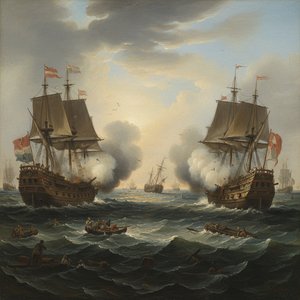
Shipwreck

- 58.0 x 81.0 cm


 Vis mere
Giclée / Kunsttryk
Giclée- eller lærredstryk i museumskvalitet med hurtig produktion og fleksible muligheder for finish. ( Køb håndmalet maleri Skift til digitalt billede)




P118B Dkr10

P118H Dkr10

P118W Dkr10

P438Z Dkr10

P508JH Dkr12

P508YH Dkr12

P805H Dkr10

P805Z Dkr10

P919BZ Dkr10

P919G Dkr10

P919XJ Dkr10

P959ZH Dkr10

P968JZ Dkr12

W106C Dkr8

W218G Dkr10

W218JH Dkr8

W218Y Dkr10

W307PJ Dkr10

W316G Dkr10

W316PJ Dkr8

W316Y Dkr10

W398PJ Dkr8

W4111J Dkr10

W500HY Dkr15

W500JH Dkr15

W692G Dkr12

W849H Dkr8

W940BG Dkr15

W953PJ Dkr8




Vælg mellem vores forudindstillede størrelser, der matcher kunstværkets originale proportioner.

Indtast den bredde og højde, du har brug for, så det passer til din ramme eller din væg. Et print kan kun beskæres, aldrig gøres større end selve billedet, så en størrelse med et andet format vil medføre, at dele af motivet går tabt. Vi sender dig en digital mockup til godkendelse, før vi printer noget. Billedet vist på denne side viser ikke den faktiske beskæring — det er kun mockuppen, der gør.
Verdensomspændende levering () på 2 uger i stedet for de sædvanlige 4/5 uger. (6 november)

Gratis ekspresforsendelse til hele verden

Lærred af linned i høj kvalitet

Fuld transportforsikring

Garanti for refusion af told og importafgifter

Garanti for præcis farvegengivelse

100 dages returret ved fabrikationsfejl

100% fuld returret

Mængderabat ved flere køb
 Glasmulighed er kun tilgængelig i størrelser under 110 cm

Shipwreck
Giclée / Kunsttryk
Størrelse på reproduktion
-


Samlet pris
Dkr 541
A Tempestuous Vision: Philip James de Loutherbourg’s “Shipwreck”
Philip James de Loutherbourg's "Shipwreck," painted in 1793, isn’t merely a depiction of maritime disaster; it’s a visceral exploration of human vulnerability against the overwhelming power of nature. This dramatic landscape, now housed within the Southampton City Art Gallery, transcends simple realism to become a potent allegory for survival, desperation, and the precariousness of existence – themes that resonated deeply with the burgeoning Romantic movement of the late 18th century.
The painting immediately commands attention through its turbulent composition. A colossal wave, rendered in thick, swirling brushstrokes of indigo, ochre, and grey, dominates the scene, threatening to engulf a shattered vessel – the remnants of a once-proud ship now reduced to splintered wood and clinging figures. Loutherbourg masterfully employs chiaroscuro, utilizing stark contrasts between light and shadow to heighten the drama and emphasize the immediate threat. The dark, brooding sky, pregnant with impending storm, mirrors the despair etched on the faces of those struggling for survival amidst the wreckage.
The Baroque Influence & Dramatic Lighting
While firmly rooted in the Romantic sensibility, "Shipwreck" reveals a clear debt to the Baroque tradition, particularly in its theatrical use of light and shadow. Loutherbourg, who had trained under Charles-André van Loo, inherited a penchant for dramatic effects – a skill he honed not only as a painter but also as a stage designer for London’s Drury Lane Theatre. This influence is evident in the painting's heightened emotional intensity and its carefully orchestrated composition, designed to draw the viewer directly into the heart of the scene.
The figures themselves are illuminated from the left, casting long, dramatic shadows that accentuate their vulnerability and heighten the sense of urgency. Loutherbourg’s technique is particularly noteworthy in his rendering of water – not as a smooth, reflective surface, but as a chaotic, dynamic force, teeming with movement and energy. The artist's attention to detail extends to the depiction of the ship itself, meticulously rendered with a sense of both grandeur and impending doom. The use of layered textures—the rough splintered wood, the slickness of the waves, the ragged clothing of the survivors—adds considerable depth and realism to the scene.
Symbolism & The Romantic Spirit
Beyond its immediate depiction of a shipwreck, “Shipwreck” is rich in symbolic meaning. The storm represents not just a natural event but also the unpredictable forces that govern human life – fate, adversity, and the limitations of control. The survivors, huddled together on the rocks, embody the resilience of the human spirit in the face of overwhelming odds. Their desperate struggle for survival speaks to our shared vulnerability and our innate desire to endure.
The inclusion of bandits attacking the lifeboat adds another layer of complexity, suggesting a broader theme of exploitation and injustice. It’s a subtle but powerful commentary on the darker aspects of human nature – the willingness to prey upon the weak in times of crisis. This painting perfectly encapsulates the Romantic spirit's fascination with both the sublime beauty and terrifying power of the natural world, alongside its exploration of profound emotional experiences.
A Legacy of Dramatic Art
Philip James de Loutherbourg’s “Shipwreck” stands as a testament to his artistic versatility and his ability to capture the drama and intensity of human experience. It's a work that continues to resonate with viewers today, prompting reflection on our own vulnerabilities and our capacity for both despair and resilience. The painting’s enduring appeal lies in its masterful composition, its evocative use of light and shadow, and its profound exploration of timeless themes – all rendered with the skill and passion characteristic of a true Romantic artist.
Spørgsmål og svar
Hvordan balancerer "Shipwreck" lys og mørke?
De registrerede værdier for "Shipwreck" af Philip James De Loutherbourg er: deep_shadow lysstyrke og Dark luminans.
Hvad er målene på det originale værk "Shipwreck"?
"Shipwreck" måler 58 x 81 cm i sin oprindelige form. De originale dimensioner er en nyttig reference, når du skal vælge størrelsen på en reproduktion.
Hvor i Philip James De Loutherbourgs karriere placerer "Shipwreck" sig, når man ser på dens datering?
"Shipwreck", skabt i 1767, tilhører Mature Period af Philip James De Loutherbourg's karriere.
Kunstnerbiografi
Philip James de Loutherbourg: Et liv præget af kunst, teater og intriger
- Født: Strasbourg, Frankrig (1740)
- Død: 1812
Philip James de Loutherbourg, også kendt som Philip Jacques de Loutherbourg, var en fransk-britisk maler, der blev fejret for sine dramatiske skildringer af søslag, vidstrakte landskaber og sine innovative bidrag til teaterdesign. Hans karriere strakte sig over flere årtier og var præget af kunstnerisk alsidighed, et kortvarigt dyk ned i det okkulte og en betydelig indflydelse på efterfølgende generationer af kunstnere.
Tidligt liv og kunstnerisk uddannelse
Loutherbourg blev født i Strasbourg i 1740, og hans tidlige liv blev formet af hans far, som var graver og miniaturist. Selvom han oprindeligt var skæbnebestemt til en karriere inden for embedsværket, opgav han denne vej for at følge kunstens kald. Hans formelle uddannelvning begyndte i Paris under Charles-André van Loo og Francesco Giuseppe Casanova. Loutherbourg udviste hurtigt et ekstraordinært talent og vandt anerkendelse ved Salonen i 1763 med et landskab, der indeholdt både figurer og dyr. Han fortsatte med at udstille med stor succes ved efterfølgende Saloner og høstede ros fra indflydelsesrige kritikere som Denis Diderot. I 1767 blev han valgt ind i det franske akademi, hvilket var et vidnesbyrd om hans voksende ry.
Karrieren i England: Søscener, landskaber og teater
I 1771 flyttede Loutherbourg til London, hvor han hurtigt etablerede sig som en fremtrædende kunstner. En afgørende introduktion foretaget af David Garrick førte til betydelige bestillinger af scenedesign til Drury Lane Theatre. Hans teatermæssige innovationer var banebrydende, herunder skabelsen af Eidophusikon i 1781 – et mekanisk teater, der benyttede perspektiv og illusionistiske effekter til at skabe fordybende scener. Denne opfindelse fremviste hans opfindsomhed og markerede ham som en pioner inden for teatralsk teknologi.
Samtidig vandt Loutherbourg berømmelse for sine historiemalerier, især sine skildringer af søslag. Hans mest berømte værk, Lord Howe's Action, or the Glorious First of June (1795), mindedes en betydelig britisk sejr og etablerede ham som en førende kronikør af maritime begivenheder. Hans landskaber blev, selvom de til tider blev kritiseret for at være noget teatralske, rost for at indfange den maleriske skønhed i det engelske landskab og afspejle tidens æstetiske idealer.
- Bemærkelsesværdige værker: Lord Howe's Action, or the Glorious First of June, The Destruction of the Armada, Coalbrookdale by Night
En periode med okkulte interesser og de senere år
I en overraskende drejning forlod Loutherbourg midlertidigt maleriet i 1789 for at forfølge en interesse for alkymi og det overnaturlige. Han kom i kontakt med Alessandro di Cagliostro, en berygtet skikkelse kendt for sine svigagtige påstande om udødelighed og okkulte kræfter. Loutherbourg rejste sammen med Cagliostro, før denne blev dømt til døden, selvom detaljerne omkring denne periode forbliver noget uklare. Efter offentlig modstand mod hans troende helbredelsesmetoder vendte han tilbage til maleriet, hvor han fokuseret på historiske emner og fortsatte med at producere både landskaber og portrætter.
Eftermæle og indflydelse
Philip James de Loutherbourg efterlod sig en varig arv som en alsidig kunstner, der byggede bro mellem historiemaleri, landskabskunst og teaterdesign. Hans innovative Eidophusikon påvirkede senere udviklinger inden for scenekunst, mens hans dramatiske søscener indfangede ånden i en æra defineret af maritim magt. Hans værker kan findes på adskillige museer verden over, herunder National Maritime Museum og British Museum. Han anerkendes også for sin indflydelse på kunstnere som J.M.W. Turner, hvilket demonstrerer hans betydelige bidrag til udviklingen af romantisk kunst i Storbritannien.

Philip James De Loutherbourg
1740 - 1812 , Frankrig
Kort om kunstneren
- Artistic Movement Or Style: Romantik
- Artists Or Movements Influenced By This Artist: ['Turner']
- Date Of Birth: 1740-10-31
- Date Of Death: 1812-03-11
- Full Name: Philip James de Loutherbourg
- Nationality: Fransk
- Notable Artworks:
- Lord Howe's Action, eller den Glorious Første Juni
- Armadens Ødelæggelse
- Coalbrookdale om Natten
- Place Of Birth: Strasbourg, Frankrig
Relaterede artikler
Masterpieces of Maritime Warfare: The Artistry and Intensity of Naval Combat in Historical Painting
Explore the dramatic intensity of naval combat through art history. From Romanticism to classical maritime masterpieces, discover how legendary painters captured the chaos, light, and heroism of sea battles in breathtaking oil paintings.

Om os
Opdag vores historie! Vi bringer kunst i verdensklasse ind i dit liv gennem ekspertudvalg, skræddersyede kreationer og gratis forhåndsvisninger. Godkendt af private og virksomheder siden år 2000.

Willem van de Velde the Elder: Master of Maritime Painting & Chronicler of the Dutch Golden Age
Discover the captivating maritime paintings of Willem van de Velde the Elder, a master chronicler of the Dutch Golden Age. Explore his unparalleled realism and lasting influence on naval art history.

Philip James de Loutherbourg: Romantic Visions of Maritime Life & the Sublime
Explore the dramatic naval scenes & landscapes of Philip James de Loutherbourg (1740-1812), a key figure in Romantic painting. Discover his legacy, theatrical innovations & iconic works like 'The Battle of the Nile' at OriginalUniqueArt.

Goyas Mesterværker: Top 25 Kunstværker fra den Spanske Sjæl – OriginalUniqueArt.com
Oplev Francisco Goyas 25 mest ikoniske kunstværker. Fra portrætter til 'De Sorte Malerier' – dyk ned i den spanske romantiks sjæl og Goyas teknikker. Find museumskvalitets reproduktioner & inspiration til din indretning på OriginalUniqueArt.com.
