

 Se i rummet
 Send
Send Del
Del
 Detaljer
 Studieguide til kunstværker

 Download
 Lignende værker
 Røntgenundersøgelse
 Se diasshow
 Statistik
Monopoly


 Læs mere
Kunstværket vist på denne side er beskyttet af ophavsretsloven, hvilket betyder, at vi ikke lovligt kan skabe eller sælge en identisk reproduktion. Denne beskyttelse håndhæves i henhold til internationale aftaler som f.eks. den Bernerkonventionen og af nationale love, herunder de bestemmelser, der er fastlagt i Amerikansk ophavsretslov - Titel 17.
Denne metode overholder fuldt ud ophavsretsreglerne, da den ikke indebærer kopiering eller duplikering af det beskyttede kunstværk. I stedet er der tale om en kreativ nytolkning – et nyt maleri, som er inspireret af det oprindelige, men ikke identisk med det.
Giclée / Kunsttryk
Giclée- eller lærredstryk i museumskvalitet med hurtig produktion og fleksible muligheder for finish. ( Bestil håndmalet reproduktion Skift til digitalt billede)




P118B Dkr10

P118H Dkr10

P118W Dkr10

P438Z Dkr10

P508JH Dkr12

P508YH Dkr12

P805H Dkr10

P805Z Dkr10

P919BZ Dkr10

P919G Dkr10

P919XJ Dkr10

P959ZH Dkr10

P968JZ Dkr12

W106C Dkr8

W218G Dkr10

W218JH Dkr8

W218Y Dkr10

W307PJ Dkr10

W316G Dkr10

W316PJ Dkr8

W316Y Dkr10

W398PJ Dkr8

W4111J Dkr10

W500HY Dkr15

W500JH Dkr15

W692G Dkr12

W849H Dkr8

W940BG Dkr15

W953PJ Dkr8




Vælg mellem vores forudindstillede størrelser, der matcher kunstværkets originale proportioner.

Indtast den bredde og højde, du har brug for, så det passer til din ramme eller din væg. Et print kan kun beskæres, aldrig gøres større end billedet, så en størrelse med en anden form vil miste en del af motivet. Vi sender dig en digital mockup til godkendelse, før vi printer noget. Billedet vist på denne side viser ikke den faktiske beskæring — det er kun mockuppen, der gør.
Verdensomspændende levering () på 2 uger i stedet for de sædvanlige 4/5 uger. (21 oktober)

Gratis ekspresforsendelse til hele verden

Lærred af linned i høj kvalitet

Komplet transportforsikring

Garanti for refusion af told og importafgifter

Garanti for autentisk farvegengivelse

100 dages returret ved fabrikationsfejl

100% fuld returret

Mængderabat ved flere køb
 Glasmulighed er kun tilgængelig i størrelser under 110 cm

Monopoly
Giclée / Kunsttryk
Reproduktionsstørrelse
-


Samlet pris
Dkr 528
The Canvas of a Nation’s Obsession
Warren Brandt's 1964 painting, “Monopoly,” isn’t merely a depiction of a family gathered around a board game; it’s a potent visual metaphor for the American experience in mid-20th century. The scene unfolds within a comfortably furnished living room – a quintessential image of suburban domesticity – yet an underlying tension permeates the artwork. Three figures, rendered with Brandt's signature bold color palette and slightly stylized forms, are deeply engaged in the game, their faces reflecting a mixture of concentration, competitive spirit, and perhaps, a touch of anxiety. The meticulously arranged furniture—a patterned rug, a vase holding flowers, stacks of books – speaks to an aspiration for stability and intellectual fulfillment, juxtaposed against the chaotic potential of the game itself. The painting immediately invites us to consider the complex relationship between individual ambition and collective prosperity, a theme that resonated deeply within American society during this era.
A Fusion of Artistic Influences
Brandt’s artistic journey, shaped by a confluence of influential mentors, is evident in “Monopoly.” His training at Pratt Institute and subsequent studies with the abstract expressionists Philip Guston and Max Beckmann profoundly impacted his approach to color and form. Guston's emphasis on vibrant hues and expressive brushwork—particularly his later work exploring social commentary—is palpable here, while Beckmann’s influence is seen in the painting’s slightly unsettling quality, a subtle hint of unease beneath the surface of domestic tranquility. The inclusion of Yasuo Kuniyoshi, a Japanese-American painter who faced significant challenges during World War II, further enriches the artwork's narrative, suggesting themes of displacement and resilience. Brandt masterfully synthesizes these diverse influences into a distinctly personal style—one characterized by bold color, simplified forms, and a willingness to engage with complex social issues.
The Game as Social Commentary
“Monopoly” transcends the simple depiction of a family game night. The painting subtly critiques the American obsession with wealth accumulation and the potential for unchecked capitalism. The board itself, a symbol of both opportunity and exploitation, dominates the composition. The figures are not simply playing a game; they’re caught in its web, their fates seemingly determined by dice rolls and strategic decisions. Brandt's use of color—particularly the vibrant reds and yellows associated with property acquisition—heightens this sense of urgency and competition. The painting subtly suggests that the pursuit of wealth can be both exhilarating and ultimately isolating, a sentiment that resonated powerfully during a period of rapid economic growth and social change in America.
A Legacy of Reproduction
OriginalUniqueArt has meticulously reproduced “Monopoly” with exceptional attention to detail, capturing Brandt’s distinctive style and the painting's inherent emotional depth. The reproduction faithfully recreates the original’s rich color palette and dynamic composition, offering a stunning addition to any collection or interior space. The artwork’s enduring appeal lies in its ability to evoke both nostalgia for a bygone era and a critical reflection on contemporary social dynamics. By commissioning a hand-painted reproduction, collectors can bring this iconic work into their homes while supporting the preservation of artistic heritage.
Spørgsmål & svar
Hvor gammel var Philip Guston, da "Monopoly" blev skabt?
Da "Monopoly" blev skabt i 1964, var Philip Guston – født i 1913 – 51 år gammel.
Hvor placerer "Monopoly" sig blandt Philip Gustons gennemgående motiver?
"Monopoly" skildrer family game, monopoly, 1964, warren brandt, color palette, domestic scene, american art, mens Philip Gustons registrerede temaer er guston’s color, social critique, identity, american satire, figurative art. En sammenligning af de to viser, hvordan værket relaterer sig til kunstnerens sædvanlige motiver.
Er farverne i "Monopoly" af Philip Guston livlige eller dæmpede?
Farven på "Monopoly" har en mætning på Clear Color Presence og en intensitet på Vivid.
Om kunstneren
Philip Guston: En Kunstners Rejse Gennem Abstraktion og Samfundsmæssig Kritik
Philip Guston, født Phillip Goldstein i Montreal i 1913, var en kunstner hvis liv og virke spændte over fire årtier og markerede et af de mest fascinerende skift i amerikansk kunsthistorie. Hans rejse fra tidlige figurative studier til den ekspressive abstraktion og senere tilbage til en rå, satirisk figurativ stil, gjorde ham til en central skikkelse i New York School og en pioner inden for neo-expressionismen. Gustons arbejde er dybt præget af hans personlige tragedie – faderens selvmord da han var blot ti år gammel – og hans efterfølgende søgen efter mening og udtryk i en verden præget af krig, racisme og politisk uro.
Tidlige År og Indflydelser: Fra Montreal til Los Angeles
Gustons barndom var formet af den traumatiske oplevelse af at miste sin far. Denne sorgfulde baggrund synes at have næret en tidlig interesse for tegning, et fristed hvor han kunne bearbejde sine følelser og skabe sin egen verden. I Los Angeles, hvor familien flyttede i 1923, fandt han vejledning hos Frederick John de St. Vrain Schwankovsky, en lærer der introducerede ham til europæisk modernisme, østlig filosofi og mystiske litteraturer. Disse intellektuelle påvirkninger lagde grunden for hans senere kunstneriske udforskning af både det spirituelle og det jordnære. Hans møde med Jackson Pollock i gymnasiet var også afgørende; sammen udgav de en pamflet mod skolens politik, hvilket illustrerer deres tidlige engagement i at udfordre autoriteter og konventioner.
Fra Abstraktion til Figurativ Genfødsel: En Kunstnerisk Transformation
Gustons kunstneriske udvikling kan inddeles i to markante faser. I begyndelsen var han tiltrukket af figurative motiver, inspireret af renæssancemestre som Piero della Francesca. Han udforskede tidlige temaer med en vis klassisk elegance. Men det var i 1950'erne, at Guston for alvor etablerede sig som en central figur i den abstrakte ekspressionisme. Hans malerier fra denne periode er kendetegnet ved dynamiske kompositioner og gestuelle penselstrøg, der udtrykker en intens følelsesmæssig energi. Men omkring midten af 1960'erne skete et dramatisk vendepunkt: Guston forlod abstraktionen og begyndte at male figurer igen – en handling, der blev mødt med både undren og kritik fra kunstverdenen. Denne overgang var ikke blot et stilskift; det var også et udtryk for hans ønske om at engagere sig direkte i samfundsmæssige problemstillinger.
Sen År: Satire, Samfundsmæssig Kritik og Klansmændens Skygge
Gustons sene værker er måske de mest kontroversielle og mindeværdige. Han skabte en verden af mørk satire, befolket med karikerede figurer og groteske motiver. Billeder af Richard Nixon og, mest bemærkelsesværdigt, klædte Klansmænd, dukkede op i hans malerier – et forsøg på at konfrontere racisme og ondskab direkte. Han forklarede disse billeder som selvportrætter, hvor han så sig selv bag hætten, forsøgte at forstå ondskaben indefra. Disse værker var ikke ment som en glorificering af hadet, men snarere som et forsøg på at undersøge dets rødder og konsekvenser. Den planlagte internationale retrospektiv i 2020 blev udsat, hvilket understregede den fortsatte følsomhed omkring disse temaer og behovet for en nuanceret fortolkning.
Gustons Arv: En Kunstnerisk Provokation
Philip Guston efterlod sig et kunstnerisk arv, der fortsat udfordrer og inspirerer. Hans evne til at skifte stilretninger og hans mod til at konfrontere vanskelige emner har gjort ham til en af de mest betydningsfulde amerikanske malere i det 20. århundrede. Hans værker er udstillet på prestigefyldte museer over hele verden, og hans indflydelse kan spores i mange yngre kunstneres arbejde. Gustons liv og kunst er et vidnesbyrd om kraften i kunsten til at udfordre konventioner, stille spørgsmål og belyse de mørkeste sider af den menneskelige erfaring.
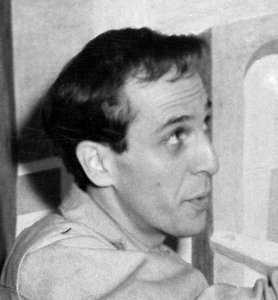
Philip Guston
1913 - 1980 , Canada
Hurtige fakta
- Artistic Movement Or Style:
- Abstrakt ekspressionisme
- Neo-ekspressionisme
- Artists Or Movements Influenced By This Artist: ['Eddie Martinez']
- Artists Who Influenced This Artist: ['Piero della Francesca']
- Date Of Birth: 27. juni 1913
- Date Of Death: 7. juni 1980
- Full Name: Philip Guston
- Nationality: Canadisk-Amerikansk
- Notable Artworks: ['To Fellini']
- Place Of Birth: Montreal, Canada
Relaterede artikler

Fra Pixler til Fortovet: Hvordan Gaming-æstetik Former Populærkulturen
Udforsk hvordan gaming-æstetikken former populærkulturen! Dyk ned i trends, designinspiration og den visuelle indflydelse fra videospil på kunst, mode og digital kultur.

Bro mellem verdener: Æstetiske krydsfelter mellem videospiluniverser og fine kunsttraditioner
Udforsk skæringspunktet mellem videospil og fin kunst! Ekspertanalyse af æstetik, historie og investeringspotentiale i spilkunst. Find inspiration og værdi for samlere.
Ud over Pixler og Gameplay: Æstetisk Betydning og Identitetsværdi af Gaming Art for Den Moderne Samler
Udforsk gaming artens verden med OriginalUniqueArt.com – ekspertvurderede værker, sikker investering & unik samleroplevelse. Find sjældne prints, NFT'er og digital kunst af høj kvalitet.

Pixelated Prestige: Exploring Scarcity, Value, and Cultural Impact in Limited Edition Gaming Paintings
Explore the world of limited edition gaming paintings! Discover investment strategies, artist insights & preservation tips for collectors. Trusted expertise in rare video game art.

Penselstrøg og Pixelperfektion: Håndmaleriets Kunstneriske Renaissance i Moderne Spiluniverser
Udforsk håndmaleriets renæssance i spilindustrien! Få ekspertindsigt i digital kunst, AI's rolle og unikke visuelle udtryk. Kvalitet & autenticitet garanteres.