

 Se i rummet
 Send
Send Del
Del
 Detaljer
 Studieguide til kunstværker

 Download
 Lignende værker
 Røntgenundersøgelse
 Se diasshow
 Statistik
Falling Leaves
 Oil On Panel
- Realism
 1895
1895- 19th Century
 80.0 x 64.0 cm
 Læs mere
Giclée / Kunsttryk
Giclée- eller lærredstryk i museumskvalitet med hurtig produktion og fleksible muligheder for finish. ( Bestil håndmalet reproduktion Skift til digitalt billede)




P118B Dkr10

P118H Dkr10

P118W Dkr10

P438Z Dkr10

P508JH Dkr12

P508YH Dkr12

P805H Dkr10

P805Z Dkr10

P919BZ Dkr10

P919G Dkr10

P919XJ Dkr10

P959ZH Dkr10

P968JZ Dkr12

W106C Dkr8

W218G Dkr10

W218JH Dkr8

W218Y Dkr10

W307PJ Dkr10

W316G Dkr10

W316PJ Dkr8

W316Y Dkr10

W398PJ Dkr8

W4111J Dkr10

W500HY Dkr15

W500JH Dkr15

W692G Dkr12

W849H Dkr8

W940BG Dkr15

W953PJ Dkr8




Vælg mellem vores forudindstillede størrelser, der matcher kunstværkets originale proportioner.

Indtast den bredde og højde, du har brug for, så det passer til din ramme eller din væg. Et print kan kun beskæres, aldrig gøres større end billedet, så en størrelse med en anden form vil miste en del af motivet. Vi sender dig en digital mockup til godkendelse, før vi printer noget. Billedet vist på denne side viser ikke den faktiske beskæring — det er kun mockuppen, der gør.
Verdensomspændende levering () på 2 uger i stedet for de sædvanlige 4/5 uger. (25 oktober)

Gratis ekspresforsendelse til hele verden

Lærred af linned i høj kvalitet

Komplet transportforsikring

Garanti for refusion af told og importafgifter

Garanti for autentisk farvegengivelse

100 dages returret ved fabrikationsfejl

100% fuld returret

Mængderabat ved flere køb
 Glasmulighed er kun tilgængelig i størrelser under 110 cm

Falling Leaves
Giclée / Kunsttryk
Reproduktionsstørrelse
-


Samlet pris
Dkr 531
A Moment Frozen in Time: The Serenity of Falling Leaves
In the quietude of an autumnal afternoon, Philip Alexius De László invites us into a world where time seems to decelerate. His 1895 masterpiece, Falling Leaves, is far more than a mere depiction of a woodland scene; it is a profound meditation on solitude and the gentle passage of time. The painting captures an elderly man seated at a table amidst the dappled sunlight of a forest, a figure seemingly lost in the depths of his own reflections. As the golden light filters through the canopy, it illuminates a scene that feels both intimate and expansive, pulling the viewer into a shared moment of peaceful contemplation. There is a palpable sense of stillness here, broken only by the imagined rustle of descending foliage and the distant flight of a single bird, which adds a delicate pulse of life to the tranquil atmosphere.
The composition is masterfully orchestrated to evoke a feeling of comfort and domesticity within the wildness of nature. The presence of a dining table and chairs nestled among the trees suggests a harmonious coexistence between human civilization and the natural world. This juxtaposition creates a unique emotional resonance, making the woods feel not like a daunting wilderness, but like a sanctuary for the soul. For the collector or interior designer, this piece offers a transformative quality; it possesses the rare ability to instill a sense of calm and groundedness in any space, acting as a window into a more contemplative era.
Mastery of Light and the Elegance of Technique
De László, an artist renowned for his ability to capture the essence of European aristocracy, applies his formidable skill to this landscape with breathtaking precision. Utilizing oil on panel, the artist achieves a level of textural richness and luminous detail that is difficult to replicate in other mediums. The panel support allows for fine, controlled brushwork, which is evident in the way the sunlight dances across the man's features and the delicate textures of the surrounding trees. The play of light and shadow—a hallmark of late 19th-century realism—is used here to create depth and volume, making the forest feel three-dimensional and immersive.
The color palette is a sophisticated arrangement of warm, autumnal tones that wrap the viewer in a gentle glow. De László employs subtle gradations of amber, gold, and deep earth tones to build the atmosphere, ensuring that the light feels organic rather than staged. This technical prowess ensures that every time one views a high-quality reproduction of this work, the interplay of warmth and shadow remains as captivating as it was when the paint first dried in 1895. It is this meticulous attention to the physical properties of light that elevates the painting from a simple landscape to a living, breathing environment.
A Legacy of Poetic Realism
To understand Falling Leaves, one must consider the historical context of De László’s career. Emerging from the academic traditions of Budapest and refined in the artistic hubs of Munich and Paris, the artist was a master of capturing both the physical likeness and the inner spirit of his subjects. While he is often celebrated for his grand portraits of royalty, this particular work reveals his softer, more poetic side. It reflects the late 19th-century fascination with plein air sensibilities and the Romantic movement's reverence for nature as a mirror to human emotion.
The symbolism within the piece is subtle yet deeply moving. The open book on the table serves as a metaphor for the unfolding narrative of life, while the falling leaves represent the cyclical nature of existence—the beauty found in transition and decay. For those seeking to adorn their homes with art that speaks to the enduring beauty of the natural cycle, this painting provides an incomparable focal point. It is a work that does not merely decorate a wall; it enriches the spirit, offering a perennial escape into a sun-drenched woodland where the only requirement is to sit, observe, and breathe.
Spørgsmål & svar
Hvordan beskrives farvepaletten i "Falling Leaves" af Philip Alexius De László?
Farverne i "Falling Leaves" udgør en Earthy palet. Denne klassificering beskriver de dominerende farvefamilier.
Hvilken fase af Philip Alexius De Lászlós karriere tilhører "Falling Leaves" (1895)?
Dateringen fra 1895 placerer "Falling Leaves" i Early Period af Philip Alexius De László's udvikling.
Hvad er mediet og dimensionerne på "Falling Leaves" af Philip Alexius De László?
Det originale værk "Falling Leaves" af Philip Alexius De László er et Oil On Panel med målene 80 x 64 cm. Teknik og størrelse beskriver det originale objekt.
Om kunstneren
Philip Alexius de László: Liv og eftermæle
Tidligt liv og uddannelse
Philip Alexius de László, født Fülöp Laub den 30. april 1869 i Budapest, Ungarn, steg fra ydmyge kår til at blive en berømt portrætmaler for det europæiske kongehus og aristokratiet. Hans forældre, Adolf og Johanna Laub, var henholdsvis skrædder og syerske af jødisk oprindelse. Han begyndte sin karriere som lærling hos en fotograf, mens han sideløbende forfulgte sine kunstneriske studier. Han blev optaget på den nationale kunstakademi i Budapest, hvor han studerede under Bertalan Székely og Károly Lotz. Senere studier i München og Paris udvidede hans kunstneriske horisonter betydeligt.
Kunstnerisk udvikling og indflydelser
De Lászlós tidlige værker udviste et skarpt øje for detaljen og en spirende mestring af realismen. Hans inspirationskilder omfattede de akademiske traditioner, han lærte på akademiet, samt de herskende tendenser inden for portrætkunst i slutningen af det 19. og begyndelsen af det 20. århundrede. Han udmærkede sig hurtigt ved sin evne til ikke blot at indfange det fysiske lighedstræk, men også personligheden og den sociale status hos sine modeller. Et vendepunkt indtraf i 1900, da hans portræt af Pave Leo XIII sikrede ham en Grand Gold Medal ved Verdensudstillingen i Paris, hvilket cementerede hans internationale ry.
Karriere og store bedrifter
Efter sin succes i Paris flyttede de László til Wien i 1903 og slog sig derefter ned i London i 1907, hvor han blev boende resten af sit liv. Han blev en yderst eftertragtet portrætmaler blandt den europæiske elite. Hans klientel omfattede monarker, adelige, industriherrer, videnskabsfolk og fremtrædende skikkelser fra mange forskellige felter.
- Bemærkelsesværdige modeller: Sir Alfred East, Winifred Cavendish-Bentinck (Hertuginde af Portland), Lady Louise Mountbatten (Dronning af Sverige), Vita Sackville-West, Pave Leo XIII, Augusta Victoria (Tysk kejserinde), Prinsesse Alice af Battenberg og mange andre.
- Udmærkelser og anerkendelse: Optaget som medlem af den kongelige victorianske orden (MVO) af Edward VII i 1909. Adlet af kong Franz Joseph I af Ungarn i 1912, hvorefter han antog navnet ”de László de Lombos”.
Privatliv og udfordringer
I 1900 blev de László gift med Lucy Madeleine Guinness, et medlem af den prominente bankfamilie. De fik seks børn og sytten børnebørn. Han konverterede til anglikanismen i forbindelse med sit ægteskab efter en tidligere interesse for katolicismen. På trods af sit britiske statsborgerskab og sit etablerede liv i England, oplevede han internering under Første Verdenskrig (1917-1918) på grund af mistanke omkring sine østrigske forbindelser – en periode præget af betydelig modgang.
Kunstnerisk stil og temaer
De Lászlós stil er kendetegnet ved sin realisme, minutiøse detaljerigdom og en levende farvepalette. Han var dygtig til at indfange teksturerne i stoffer, smykker og hudtoner. Hans portrætter formidler ofte en følelse af elegance, sofistikering og social status. Selvom han primært er kendt for sin portrætkunst, skabte han også landskaber og genrebilleder.
Historisk betydning og eftermæle
Philip de Lászlós værker giver værdifuld indsigt i det europæiske overklasselivs liv og udseende i slutningen af det 19. og begyndelsen af det 20. århundrede. Hans portrætter fungerer som historiske dokumenter, der indfanger en specifik æra og dens sociale dynamik. Selvom han tidvis er blevet kritiseret for primært at være en portrætmaler af det fine selskab, er hans tekniske kunnen og evne til at indfange karakter ubestridelig. Hans samlede værk består af næsten 4.000 værker, herunder tegninger, og et katalog raisonné er i øjeblikket under udarbejdelse. Han døde den 22. november 1937 i London og efterlod sig en varig arv som en af sin tids fremmeste portrætmalere.

Philip Alexius De László
1869 - 1937 , Ungarn
Hurtige fakta
- Birth Date: 1869
- Birth Place: Budapest, Ungarn
- Death Date: 1937
- Influenced By:
- Bertalan Székely
- Károly Lotz
- Movement: Realisme, Portrætkunst
- Name: Philip Alexius de László
- Nationality: Ungarsk, Britisk
- Notable Works:
- Portræt af pave Leo XIII
- Portrætter af europæisk kongehus og aristokrati
Relaterede artikler

The Enduring Power of Painting: A Historical & Contemporary Exploration of Form and Emotion
Explore the rich history & enduring techniques of oil painting with OriginalUniqueArt. Discover masterpieces, learn about art collecting, and find authentic handmade reproductions crafted by skilled artists.

The Enduring Legacy of Oil on Canvas: Technique, History & Aesthetic Impact
Explore the rich history & techniques of oil painting – from Renaissance masters to Impressionism. Discover pigments, layering methods, and why this timeless medium endures. Expert insights for artists & art enthusiasts.
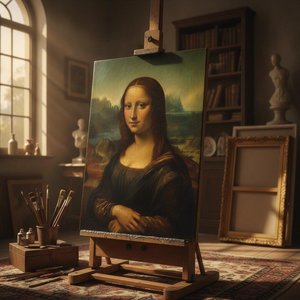
Mastering the Surface: A Historical and Technical Guide to the Art of Oil on Panel Painting
Explore the profound history and technical brilliance of oil on panel painting. From Renaissance masters to modern techniques, discover why this rigid support offers unparalleled precision and permanence for fine art lovers and collectors.

Oil on Board: A Historical Survey of Technique, Aesthetic Qualities & Enduring Appeal
Explore the rich history of oil on board painting! Discover techniques, aesthetic qualities & enduring appeal from early masters to modern practice. Expert insights for collectors and art enthusiasts.

Oil on Canvas: A Historical & Technical Exploration of a Timeless Artistic Medium
Explore the rich history & enduring techniques of oil painting on canvas. Discover the science behind its longevity, conservation practices, and contemporary relevance. Expert insights for art enthusiasts.