Se i rummet
 Del som kort
 Del
Del
 Detaljer
 Guide
Guide

 Download
 Lignende værker
 Røntgenundersøgelse
 Diasshow
 Spørgsmål og svar
 Statistikker
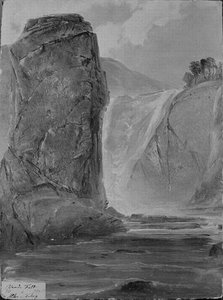
VUE D'ALTONA


 Vis mere
Giclée / Kunsttryk
Giclée- eller lærredstryk i museumskvalitet med hurtig produktion og fleksible muligheder for finish. ( Køb håndmalet maleri Skift til digitalt billede)




P118B Dkr10

P118H Dkr10

P118W Dkr10

P438Z Dkr10

P508JH Dkr12

P508YH Dkr12

P805H Dkr10

P805Z Dkr10

P919BZ Dkr10

P919G Dkr10

P919XJ Dkr10

P959ZH Dkr10

P968JZ Dkr12

W106C Dkr8

W218G Dkr10

W218JH Dkr8

W218Y Dkr10

W307PJ Dkr10

W316G Dkr10

W316PJ Dkr8

W316Y Dkr10

W398PJ Dkr8

W4111J Dkr10

W500HY Dkr15

W500JH Dkr15

W692G Dkr12

W849H Dkr8

W940BG Dkr15

W953PJ Dkr8




Vælg mellem vores forudindstillede størrelser, der matcher kunstværkets originale proportioner.

Indtast den bredde og højde, du har brug for, så det passer til din ramme eller din væg. Et print kan kun beskæres, aldrig gøres større end selve billedet, så en størrelse med et andet format vil medføre, at dele af motivet går tabt. Vi sender dig en digital mockup til godkendelse, før vi printer noget. Billedet vist på denne side viser ikke den faktiske beskæring — det er kun mockuppen, der gør.
Verdensomspændende levering () på 2 uger i stedet for de sædvanlige 4/5 uger. (3 november)

Gratis ekspresforsendelse til hele verden

Lærred af linned i høj kvalitet

Fuld transportforsikring

Garanti for refusion af told og importafgifter

Garanti for præcis farvegengivelse

100 dages returret ved fabrikationsfejl

100% fuld returret

Mængderabat ved flere køb
 Glasmulighed er kun tilgængelig i størrelser under 110 cm

VUE D'ALTONA
Giclée / Kunsttryk
Størrelse på reproduktion
-


Samlet pris
Dkr 540
A Storm Unleashed: Peder Balke’s “VUE D’ALTONA”
Peder Balke's "VUE D’ALTONA," a dramatic seascape rendered in oil on canvas, isn’t merely a depiction of a coastal view; it’s an immersion into the raw, untamed heart of Norway. Painted around 1849, during a period of intense artistic and social change within the nation, this work embodies the Romantic spirit—a profound engagement with nature's power, coupled with a deep exploration of human emotion. The scene unfolds against a bruised and turbulent sky, dominated by swirling greys and blues that seem to writhe with an almost palpable energy. Below, the dark waters of the North Sea reflect this drama, punctuated by the distant silhouette of Altona, a Prussian fortress town nestled on a promontory – a strategic point caught in the eye of the storm. The inclusion of this fortified city hints at the political tensions simmering across Europe during Balke’s time, adding a layer of subtle commentary to the purely visual experience. The painting's scale is modest, yet its impact is monumental, drawing the viewer into the heart of the tempest.A Masterclass in Atmospheric Technique
Balke’s genius lies not just in his subject matter but in his masterful execution. He employs a loose, expressive brushstroke—an impasto technique where thick layers of paint are applied directly to the canvas—to create a remarkable sense of texture and movement. The sky isn't simply painted; it feels sculpted, with each cloud rendered as a dynamic mass of color and form. Notice how he uses atmospheric perspective – the subtle lightening and desaturation of colors in the distance – to convincingly convey depth and scale. This technique is particularly effective in depicting the distant cityscape, which appears almost spectral, swallowed by the swirling mist. The shoreline itself is treated with a more restrained hand, suggesting the ruggedness of the Norwegian coastline without overwhelming the drama of the sky. The careful layering of colors and the visible brushwork contribute to an immediate sense of immediacy, as if we are standing on that very shore, feeling the spray of the waves and the bite of the wind.Echoes of Romanticism and a Personal Journey
“VUE D’ALTONA” firmly places Balke within the tradition of Northern European landscape painting, echoing the works of J.M.W. Turner while retaining a distinctly Norwegian sensibility. Like Turner, Balke sought to capture not just the appearance of nature but its emotional resonance. However, unlike many of his contemporaries, Balke’s work is deeply rooted in the lived experience of Norway—a nation grappling with poverty, social upheaval, and the challenges of asserting its national identity. Born on a remote island in the middle of Lake Mjøsa, Balke's early life was marked by hardship and deprivation, experiences that profoundly shaped his artistic vision. His travels throughout Norway, meticulously documented through sketches and paintings like this one, were not merely expeditions but deeply personal journeys of discovery—a quest to understand and represent the soul of his homeland.Symbolism in Storm and Silhouette
Beyond its technical brilliance, “VUE D’ALTONA” is rich in symbolic meaning. The storm itself can be interpreted as a metaphor for inner turmoil or uncertainty – reflecting perhaps Balke's own struggles with poverty and artistic recognition. The distant silhouette of Altona, a Prussian fortress town, adds another layer of complexity. It represents the political tensions of the era, the threat of foreign invasion, and the precariousness of life in a small nation facing powerful empires. The painting’s overall mood is one of melancholy and awe—a reminder of humanity's vulnerability in the face of nature's overwhelming power. Yet, within this darkness, there’s also a sense of beauty and resilience – a testament to the enduring spirit of Norway.Bringing “VUE D’ALTONA” into Your Space
Today, "VUE D’ALTONA" stands as a powerful symbol of Norwegian Romanticism and a captivating example of Balke's unique artistic vision. OriginalUniqueArt offers high-quality reproductions that faithfully capture the painting’s dramatic intensity and atmospheric depth. Whether you are an art collector seeking to expand your collection or an interior designer looking for a statement piece, a reproduction of “VUE D’ALTONA” will bring a touch of Nordic drama and emotional resonance to any space. Consider its scale – a larger reproduction can dominate a wall, while a smaller one offers a more intimate connection to this evocative masterpiece. Explore the available sizes and formats on our website to find the perfect way to experience the power of Balke’s vision.Spørgsmål og svar
Hvor kan jeg finde statistik om "VUE D'ALTONA" af Peder Balke?
Der findes en Besøgsstatistik-side for "VUE D'ALTONA", som viser de månedlige besøgstal for kunstværket og kunstnerens øvrige værker, opdelt efter land og sprog.
Hvordan forbinder "VUE D'ALTONA" af Peder Balke Romanticism med kunstnerens hjemland?
"VUE D'ALTONA" forbinder Romanticism-bevægelsen med Norge gennem skaberens fødested.
Kan jeg se en forhåndsvisning af "VUE D'ALTONA" af Peder Balke, før jeg bestiller?
Se en forhåndsvisning af "VUE D'ALTONA" af Peder Balke på værkets Forhåndsvisning-side.
Kunstnerbiografi
A Norwegian Romantic Visionary: The Life and Art of Peder Balke
Peder Andersen Balke, født den 4. november 1804 på den lille ø Helgøya i indsøen Mjøsa nær Lillehammer, var en af de mest markante og originale stemmer i det norske landskabsmaleri i det 19. århundrede. Hans livshistorie er fortællingen om et kunstnerisk stræberis, der kæmpede imod fattigdom og sociale begrænsninger, mens han samtidig fangede den rå skønhed og det dybe følelsesliv i det norske landskab. Opvækst på en afsides ø i Norge gav ham en tæt forbindelse til naturen – et element, der blev fundamentet for hans kunstnerskab. Selvom han kom fra en familie af bønder, genkendtes hans talent tidligt, og lokalsamfundet samlede ressourcerne til at støtte hans uddannelse – et bevis på den værdi, der blev lagt i kreativitet selv i de mest beskedne kår. Denne tidlige opmuntring sendte ham ud på en rejse mod kunstnerisk træning, først hos Heinrich August Grosch og Jacob Munch, og senere ved at studere på det Kongelige Kunstakademi i Stockholm under Carl Johan Fahlcrantz, og til sidst ved at finpudse sine færdigheder hos Johan Christian Dahl.
The Shaping of a Unique Style
Balkes kunstneriske udvikling var præget af en konstant søgen efter teknik og udtryk. Han ønskede ikke blot at gengive verden, som han så den, men snarere at fange dens følelsesmæssige essens, dens sublime kraft. Hans malerier er straks genkendelige for deres dramatiske lyssætning – ofte skildrende scener badet i et æterisk skær eller omsluttet af atmosfæriske skygger. Denne fascination for lys – især de flygtige effekter af måne- og solnedgang – blev en signatur for hans stil. Han udviklede et distinkt penselstrøg, karakteriseret ved teksturerede strøg og en ukonventionel brug af farver, hvilket skabte en drømmeagtig kvalitet, der adskiller hans værker fra mere konventionelle romantiske landskaber. Det er som om han ikke malede det, han *så*, men snarere det, han *følte* i naturens nærvær. Han eksperimenterede med at skabe en følelse af bevægelse og dynamik, ofte ved hjælp af løse, ekspressive penselstrøg, der fremhævede landskabets rå energi.
Landscapes of Norway: A National Identity on Canvas
Peder Balke er bedst kendt for sine evocative skildringer af det norske landskab – et emne, han vendte tilbage til igen og igen gennem hele sin karriere. Værker som Vue de Christiania (aujourd'hui Oslo), malet i 1872, giver et fascinerende indblik i den norske hovedstæders liv, men selv her dominerer naturen, der rammer byen og minder betragterne om dens forbindelse til det omkringliggende vildnis. Havnen ved Skjervøy (1846) viser hans præcise detaljeopfattelse sammen med en evne til at fange den pulserende energi i en kystby. De gamle træer (1840), med sin skarpe vinterscene og kraftfulde lyssætning, illustrerer hans mesterskab inden for stemning og atmosfære. Havet (1845) og Nordkap ved månenatten (1848) demonstrerer yderligere hans evne til at udtrykke den robuste skønhed og det ukontrollerede ånd i Norges kystlinje og nordlige områder. Disse var ikke blot naturskønne udsigter; de var erklæringer om national identitet, en fejring af Norges unikke naturlige arv.
Beyond the Canvas: A Social Conscience
Peder Balke var mere end bare en kunstner; han var en engageret social reformator, der aktivt deltog i de presserende spørgsmål på sin tid. Han mente, at han skulle bruge sine ressourcer og indflydelse til at forbedre andres liv, især gennem Balkeby-projektet – en ny forstad til Oslo designet til at give arbejderne ordentlige levevilkår. Han sørgede for lån og håndhævede strenge bygningsregler, hvilket viste et praktisk engagement i social retfærdighed. Desuden talte Balke utrætteligt for kunstnerisk støtte, argumenterede for legater og pensioner til både mænd og kvinder, anerkendende den afgørende rolle, kreativitet spillede i samfundet. Denne dedikation til sociale formål afslørede en omsorgsfuld og fremadskuende person, der så kunsten som uløseligt forbundet med menneskelig velfærd.
Rediscovery and Legacy
Trods sine betydelige bidrag blev Balkes arbejde i høj grad overset efter hans død i 1887. Det var først sent i det 20. århundrede, at en ny værdsættelse af hans unikke vision begyndte at dukke op. Store udstillinger på prestigefyldte institutioner som National Gallery i London (2014-2015) og Metropolitan Museum of Art (2017) bragte hans malerier til et bredere publikum, hvilket udløste kritisk anerkendelse og akademisk interesse. I dag er Peder Balke anerkendt som en afgørende figur i norsk kunsthistorie – en kunstner, hvis dramatiske landskaber og følelsesmæssige dybde fortsat resonerer hos betragtere. Hans indflydelse kan ses i arbejdet hos efterfølgende nordiske kunstnere, hvilket cementerer hans plads som en sand visionær, der fangede Norges sjæl på lærredet.
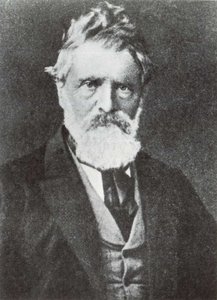
Peder Balke
1804 - 1887 , Norge
Kort om kunstneren
- Artistic Movement Or Style: Romantisk landskab
- Artists Or Movements Influenced By This Artist: ['Nordisk kunst']
- Artists Who Influenced This Artist:
- Heinrich Grosch
- Jacob Munch
- Date Of Birth: 1804
- Date Of Death: 1887
- Full Name: Peder Andersen Balke
- Nationality: Norsk
- Notable Artworks:
- Vue Christiania
- Havn Skjervøy
- Gamle træer
- Place Of Birth: Hegøy, Norge
Relaterede artikler

Romantikkens Landskaber: Top 10 Malerier der Definerede En Æra | OriginalUniqueArt
Oplev romantikkens storhedstid! Dyk ned i top 10 landskabsmalerier af Caspar David Friedrich, Turner & Constable. Historiske fortællinger og museumskvalitets reproduktioner på OriginalUniqueArt.com – find din inspiration til væggen her!

John Constables 25 Mesterværker: En Hyldest til Englands Landskabskunst | OriginalUniqueArt.com
Oplev John Constables 25 mest ikoniske værker! Fordyb dig i engelsk romantik, betagende landskaber og tidløs skønhed. Køb museumskvalitets reproduktioner af 'The Hay Wain' & mere på OriginalUniqueArt.com – inspiration til dit hjem.
Capturing Stillness: A Curated Exploration of the Most Iconic Lake Landscapes in Art History
Journey through art history's most serene lake landscapes. From Romantic vistas to light-drenched Impressionist waters, discover the stories behind these iconic masterpieces and find museum-quality, hand-painted oil reproductions for your private collection.

Johan Christian Dahl: Pioneering Norwegian Romantic Landscape Painting
Explore the life & art of Johan Christian Dahl, Norway's first great Romantic painter. Discover his iconic landscapes, cultural impact, and lasting legacy with OriginalUniqueArt.

Evocations of Place: A Historical Journey Through Landscape Art
Explore the rich history of landscape art with OriginalUniqueArt. Discover renowned artists, movements like Impressionism & Romanticism, and expert guidance for collecting timeless pieces. Find your perfect serene escape today!