

 Se i rummet
 Send
Send Del
Del
 Detaljer
 Studieguide til kunstværker

 Download
 Lignende værker
 Røntgenundersøgelse
 Se diasshow
 Statistik
Sleeping
 Acrylic
- WallArt
- Contemporary Realism
 1986
1986 149.0 x 149.0 cm
 Arts Council Collection
 Læs mere
Kunstværket vist på denne side er beskyttet af ophavsretsloven, hvilket betyder, at vi ikke lovligt kan skabe eller sælge en identisk reproduktion. Denne beskyttelse håndhæves i henhold til internationale aftaler som f.eks. den Bernerkonventionen og af nationale love, herunder de bestemmelser, der er fastlagt i Amerikansk ophavsretslov - Titel 17.
Som et respektfuldt og lovligt alternativ tilbyder vi skræddersyede, håndmalede kunstværker inspireret af originalen. Vores dygtige og professionelle kunstnere studerer omhyggeligt originalens stil, stemning og kunstneriske essens for at skabe et nyt, unikt værk, der fremkalder den samme følelse – samtidig med at det forbliver en original skabelse i egen ret.
Denne metode overholder fuldt ud ophavsretsreglerne, da den ikke indebærer kopiering eller duplikering af det beskyttede kunstværk. I stedet er der tale om en kreativ nytolkning – et nyt maleri, som er inspireret af det oprindelige, men ikke identisk med det.
Håndlavet oliereproduktion
Håndmalet olie på lærred i din valgte størrelse og ramme, udført efter bestilling af vores kunstnere. ( Skift til printversion Skift til digitalt billede)




P118B Dkr10

P118H Dkr10

P118W Dkr10

P438Z Dkr10

P508JH Dkr12

P508YH Dkr12

P805H Dkr10

P805Z Dkr10

P919BZ Dkr10

P919G Dkr10

P919XJ Dkr10

P959ZH Dkr10

P968JZ Dkr12

W106C Dkr8

W218G Dkr10

W218JH Dkr8

W218Y Dkr10

W307PJ Dkr10

W316G Dkr10

W316PJ Dkr8

W316Y Dkr10

W398PJ Dkr8

W4111J Dkr10

W500HY Dkr15

W500JH Dkr15

W692G Dkr12

W849H Dkr8

W940BG Dkr15

W953PJ Dkr8




Vælg mellem vores forudindstillede størrelser, der matcher kunstværkets originale proportioner.

Indtast den bredde og højde, du har brug for, så det passer til din ramme eller din væg. Da dette er håndmalet, kan kunstneren ved en anden form på størrelsen male lidt mere rundt om billedet eller skære lidt væk — det er op til dig. Vi sender dig et digitalt mockup til godkendelse, før maleriet påbegyndes. Billedet, der vises på denne side, viser ikke det endelige resultat — det er kun mockuppet, der gør.
Efter bestilling vil OriginalUniqueArt.com team sende en e-mail til kunden for at indhente instruktioner og fremsende et udkast til gennemgang.
Levering i hele verden () på 3-4 uger i stedet for de standard 5 uger. (22 oktober). Ingen kompromiser med kvaliteten.

Gratis ekspresforsendelse til hele verden

Lærred af linned i høj kvalitet

Komplet transportforsikring

Garanti for refusion af told og importafgifter

Garanti for autentisk farvegengivelse

100 dages returret ved fabrikationsfejl

100% fuld returret

Mængderabat ved flere køb
 Glasmulighed er kun tilgængelig i størrelser under 110 cm

Sleeping
Reproduktionsmateriale
Reproduktionsstørrelse
-


Samlet pris
Dkr 1957
Paula Rego's "Sleeping": A Chronicle of Innocence and Shadow
Paula Rego’s “Sleeping,” painted in 1986, is more than just a depiction of slumbering girls; it’s a meticulously crafted narrative brimming with unsettling beauty and layered symbolism. Measuring 149 x 149 cm, this work immediately draws the viewer into a scene that simultaneously evokes warmth and profound unease. Rego, deeply influenced by her Portuguese heritage and the political realities of her upbringing – particularly the oppressive regime of António Salazar – consistently explored themes of power, vulnerability, and the darker aspects of human nature through her distinctive figurative style.
- Subject Matter: The painting centers around two young girls lying asleep, seemingly protected by a watchful figure. However, the surrounding details introduce an element of ambiguity, transforming what might initially appear as a tender scene into one fraught with potential danger.
- Technique: Rego’s masterful technique is immediately apparent in her use of rich, saturated colors and precise detailing. Her brushwork is both controlled and expressive, creating a tactile quality that invites close inspection. The figures are rendered with remarkable realism, yet their expressions and postures hint at hidden emotions and unspoken narratives.
Symbolism Woven into the Fabric of the Scene
“Sleeping” is replete with symbolic elements that resonate deeply within the context of Rego’s artistic practice and Renaissance iconography. The sprig of blossom, a traditional symbol of innocence and new life, sits incongruously alongside the menacing shadow cast by the rake – a tool often associated with destruction and disruption. This juxtaposition immediately establishes a tension between idealized notions of childhood and the lurking presence of threat. The pelican, a recurring motif in Rego’s work, further complicates the scene; its open beak suggests both nurturing and potential predation. The positioning of the girls themselves—one leaning on a tree trunk, another kneeling – subtly reinforces themes of dependence and observation.
Historical Context and Rego's Narrative Vision
Painted in 1986, “Sleeping” represents a pivotal moment in Rego’s artistic evolution. Following her breakthrough series ‘Girls and Dog’ paintings, she continued to refine her style, embracing greater realism while retaining her characteristic ability to infuse her work with psychological depth. This painting prefigures "The Nursery Rhymes," an etching series from 1989 that further explored the unsettling potential within seemingly innocent narratives. Rego's work reflects a broader trend in late 20th-century art, challenging conventional representations of women and exploring complex social issues through intensely personal and often disturbing imagery. The echoes of Renaissance symbolism, deliberately employed, underscore the timeless nature of human anxieties and the enduring power of storytelling.
Emotional Impact and Artistic Significance
"Sleeping" possesses a haunting beauty that lingers long after viewing. It’s a painting that demands contemplation, prompting viewers to question their assumptions about safety, innocence, and the hidden dangers lurking beneath the surface. Rego's ability to capture such profound emotional complexity within a seemingly simple scene is a testament to her artistic genius. This work stands as a powerful example of her unique vision – a blend of meticulous observation, psychological insight, and a willingness to confront uncomfortable truths. Its enduring appeal lies in its capacity to evoke both fascination and unease, solidifying Rego’s place as one of the most important artists of her time.
Spørgsmål & svar
Hvilken farvepalette og hvilken dominerende farve definerer "Sleeping"?
Farveidentiteten i "Sleeping" af Paula Figueiroa Rego: en Earthy palet, domineret af Walnut (#714623).
Kan jeg se et røntgenbillede af "Sleeping" af Paula Figueiroa Rego?
"Sleeping" kan undersøges lag for lag på værkets Røntgenundersøgelse-side, en viewer inspireret af en konservators lysbænk med elleve optiske gennemlæsninger af billedet.
Hvilken farve dominerer kompositionen i "Sleeping" af Paula Figueiroa Rego?
Den farve, der træder tydeligst frem i "Sleeping", er Walnut (#714623). Den dominerende farve er nyttig, når man skal matche et kunstværk med en indretning.
Om kunstneren
A Tapestry of Shadows and Stories: The Life of Paula Rego
Dame Maria Paula Figueiroa Rego was far more than a mere painter; she was a master storyteller who used the canvas to weave intricate, often unsettling, tales of human experience. Born in Lisbon, Portugal, in 1935, her early life was shaped by the heavy, turbulent atmosphere of a world caught between tradition and political upheaval. This sense of underlying tension would become a permanent resident in her work. As she moved from the sun-drenched landscapes of her Portuguese roots to the academic rigor of the Slade School of Fine Art in London, Rego began to develop a visual language that was uniquely her own—one that blended the folk-inspired motifs of her childhood with a sophisticated, modern psychological depth.
Her artistic evolution is a fascinating journey from the abstract to the profoundly representational. In her early years, she experimented with the abstract trends prevalent in the mid-twuieth century, yet she soon found herself drawn to the power of the figure. She discovered that by utilizing recognizable forms—often inspired by storybooks, folklore, and even the domestic sphere—she could explore much darker, more complex themes. Her preference for pastels over oils allowed her to achieve a specific, tactile quality in her work, creating textures that felt both soft and strangely visceral, much like the dreamlike yet haunting narratives she sought to portray.
Feminism, Folklore, and the Unseen Narrative
At the heart of Rego’s oeuvre lies an unwavering commitment to feminist discourse. She possessed a rare ability to take the domestic, the mundane, and the "feminine" and infuse them with a sense of rebellion and agency. Her paintings often feature women navigating spaces that feel both intimate and claustrophobic, challenging the patriarchal gaze by presenting female characters who are complex, powerful, and sometimes even menacing. Through her work, she gave voice to the marginalized, using surrealist imagery to expose the hidden anxieties and societal pressures placed upon women.
This exploration of identity was deeply intertwined with her use of symbolism. Rego frequently employed animals—most notably rabbits—and elements of folklore to act as metaphors for human behavior and social structures. These figures were rarely mere decorations; they were participants in a larger, often surrealist drama. Her work invites the viewer into a world where the boundaries between reality and myth are blurred, forcing an engagement with the psychological truths that lie beneath the surface of everyday life. It is this ability to evoke such profound emotional responses—ranging from curiosity to deep unease—that defines her unique contribution to contemporary art.
Legacy and Artistic Triumph
The significance of Paula Rego’s career cannot be overstated. As a prominent member of The London Group and an Associate Artist at the National Gallery, she occupied a central position in the British modernist movement. Her accolades were numerous, reflecting her status as one of the most influential artists of her era, including being named a Dame Commander of the Order of the British Empire (DBE). Her exhibitions at prestigious institutions like the Calouste Gulbenkian Foundation and the Tate solidified her reputation on the international stage, ensuring that her vision reached far beyond the borders of the UK and Portugal.
Rego’s legacy is found in the way she transformed the act of painting into an act of social commentary. She left behind a body of work that serves as both a historical record of twentieth-century social shifts and a timeless exploration of the human psyche. Her ability to marry the beautiful with the grotesque, and the domestic with the political, continues to inspire generations of artists who seek to use narrative as a tool for profound discovery. Even after her passing in 2022, her stories remain alive, continuing to haunt, provoke, and captivate all who encounter them.

Paula Figueiroa Rego
1935 - 2022
Hurtige fakta
- Artistic Movement Or Style: Surrealism, Expressionism, Feminist Art
- Artists Or Movements Influenced By This Artist: ['National Gallery']
- Artists Who Influenced This Artist: ['Carlo Crivelli']
- Date Of Birth: 1935
- Date Of Death: 2022
- Full Name: Maria Paula Figueiroa Rego
- Nationality: Portuguese
- Notable Artworks:
- War
- Untitled (456)
- Nanny, Small Bears and Bogeyman
- Place Of Birth: Lisbon, Portugal
Relaterede artikler

Alfredo Roque Gameiro: A Portuguese Master of Historical Painting & Artistic Eclecticism
Discover Alfredo Roque Gameiro (1864-1935), a renowned Portuguese painter celebrated for his vibrant watercolors and historical illustrations. Explore his legacy & artworks at OriginalUniqueArt.
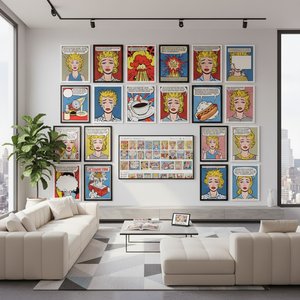
Roy Lichtensteins 25 Mesterværker: Pop Art Ikoner til Dit Hjem | OriginalUniqueArt
Oplev Roy Lichtensteins 25 mest ikoniske pop art værker. Dyk ned i historien bag kunstneren, teknikken og farverne der definerede en æra. Find museumskvalitets reproduktioner og inspiration til dit hjem på OriginalUniqueArt.com

Paula Modersohn-Becker: Pioneering Expressionism & the Intimate Self
Explore the groundbreaking work of Paula Modersohn-Becker, a pioneer of Expressionism. Discover her intimate self-portraits & poignant depictions of motherhood – shaping early 20th-century art with emotional depth and innovation.

Hollandske Mestre: Top 10 Værker fra Guldalderen – Kunst til Dit Hjem
Oplev de 10 mest ikoniske værker fra den hollandske guldalder! Rembrandt, Vermeer og andre mestre afsløres. Find inspiration til dit hjem & køb museumskvalitets kunsttryk på OriginalUniqueArt.com.
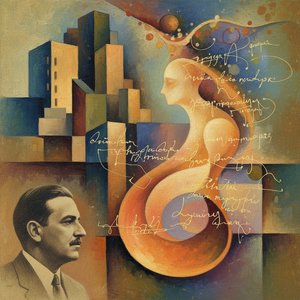
Alceu de Paula Penna: A Synthesis of Brazilian Modernism & Poetic Abstraction
Explore the captivating world of Alceu de Paula Penna, a pivotal figure in Brazilian Modernism. Discover his innovative concrete poetry & influence on Latin American art history. Expert insights for collectors.