

 Se i rummet
 Del som kort
 Del
Del
 Detaljer
 Guide
Guide

 Download
 Lignende værker
 Røntgenundersøgelse
 Diasshow
 Q&A
Q&A Statistikker
The Lighthouse, Groix


 Vis mere
Giclée / Kunsttryk
Giclée- eller lærredstryk i museumskvalitet med hurtig produktion og fleksible muligheder for finish. ( Køb håndmalet maleri Skift til digitalt billede)




P118B Dkr10

P118H Dkr10

P118W Dkr10

P438Z Dkr10

P508JH Dkr12

P508YH Dkr12

P805H Dkr10

P805Z Dkr10

P919BZ Dkr10

P919G Dkr10

P919XJ Dkr10

P959ZH Dkr10

P968JZ Dkr12

W106C Dkr8

W218G Dkr10

W218JH Dkr8

W218Y Dkr10

W307PJ Dkr10

W316G Dkr10

W316PJ Dkr8

W316Y Dkr10

W398PJ Dkr8

W4111J Dkr10

W500HY Dkr15

W500JH Dkr15

W692G Dkr12

W849H Dkr8

W940BG Dkr15

W953PJ Dkr8




Vælg mellem vores forudindstillede størrelser, der matcher kunstværkets originale proportioner.

Indtast den bredde og højde, du har brug for, så det passer til din ramme eller din væg. Et print kan kun beskæres, aldrig gøres større end selve billedet, så en størrelse med et andet format vil medføre, at dele af motivet går tabt. Vi sender dig en digital mockup til godkendelse, før vi printer noget. Billedet vist på denne side viser ikke den faktiske beskæring — det er kun mockuppen, der gør.
Verdensomspændende levering () på 2 uger i stedet for de sædvanlige 4/5 uger. (30 oktober)

Gratis ekspresforsendelse til hele verden

Lærred af linned i høj kvalitet

Fuld transportforsikring

Garanti for refusion af told og importafgifter

Garanti for præcis farvegengivelse

100 dages returret ved fabrikationsfejl

100% fuld returret

Mængderabat ved flere køb
 Glasmulighed er kun tilgængelig i størrelser under 110 cm

The Lighthouse, Groix
Giclée / Kunsttryk
Størrelse på reproduktion
-


Samlet pris
Dkr 533
The Harmonious Vision of Paul Signac: *The Lighthouse, Groix*
Paul Signac’s *The Lighthouse, Groix*, painted in 1925, is more than just a depiction of a coastal scene; it's a meticulously constructed exploration of light, color, and the very nature of perception. This captivating work embodies the core tenets of Neo-Impressionism, offering a glimpse into the artist’s systematic approach to painting – a deliberate departure from the fleeting impressions of Impressionism in favor of a scientifically informed method. The canvas vibrates with an almost palpable energy, born not from brushstrokes alone but from the careful orchestration of tiny, distinct dots of pure color, a technique Signac championed alongside Georges Seurat as Pointillism.
The subject itself – the iconic lighthouse of Groix Island off the coast of Brittany – is rendered with remarkable detail and atmospheric depth. The island’s rugged coastline, punctuated by the stark verticality of the lighthouse, dominates the composition. However, Signac doesn't simply record this view; he transforms it into a study in color and light. The sea, a shifting expanse of blues ranging from deep indigo to shimmering turquoise, is built up layer upon layer with these minuscule dots, creating an illusion of movement and depth that transcends mere representation. The boats scattered across the water – varying in size and type – are not merely incidental elements but contribute to the overall sense of scale and maritime activity.
The Science of Color: Pointillism Unveiled
At the heart of *The Lighthouse, Groix* lies Signac’s revolutionary approach to color. He believed that the eye could actually blend colors optically when viewed from a distance, rather than mixing them on the palette. This principle – known as Divisionism or Pointillism – dictated his meticulous process. Each individual dot is painted with a pure hue, carefully chosen for its specific optical effect. The viewer’s eye then performs the work of blending these dots together, creating a richer, more vibrant image than could be achieved through traditional brushwork. Notice how Signac uses complementary colors—blues and oranges, greens and reds—strategically placed to intensify their visual impact and create a dynamic interplay of light and shadow.
Signac’s research into color theory was deeply influenced by scientific studies of optics and the physiology of vision. He meticulously documented his experiments with color mixing, believing that understanding how the eye perceived color was crucial to achieving his desired effect. This wasn't simply an aesthetic pursuit; it was a genuine attempt to codify painting as a systematic process, rooted in observable reality.
A Symbol of Guidance and Hope
The lighthouse itself is more than just a navigational aid; within the context of Signac’s work, it carries significant symbolic weight. Lighthouses have long represented guidance, safety, and hope – beacons cutting through darkness and uncertainty. In *The Lighthouse, Groix*, its prominent position in the composition suggests a reassuring presence amidst the vastness and potential dangers of the sea. The boats, navigating towards or away from the lighthouse, symbolize human endeavor and the pursuit of direction. Furthermore, Signac’s interest in anarchist philosophy – explored in detail through his writings and artwork – subtly infuses the scene with themes of liberation and a rejection of established order, mirroring the lighthouse's role as an independent guide.
Collecting a Masterpiece: Reproduction & Beyond
*The Lighthouse, Groix* is a testament to Paul Signac’s innovative approach to painting and his profound understanding of color. OriginalUniqueArt offers meticulously crafted hand-painted reproductions that capture the essence of this iconic work, allowing you to experience its beauty and complexity in stunning detail. Whether for your home, office, or collection, our reproductions provide an authentic representation of Signac's artistic vision – a harmonious blend of scientific rigor and evocative imagery. Explore the full artwork details on our website: The Lighthouse, Groix.
Spørgsmål og svar
Hvilken størrelse anbefales det at printe "The Lighthouse, Groix" i?
Den anbefalede trykstørrelse til "The Lighthouse, Groix" af Paul Signac er Large.
Hvor harmoniske er farverne i "The Lighthouse, Groix" af Paul Signac?
Farverne i "The Lighthouse, Groix" af Paul Signac udviser en Discordant Palette harmoni. Harmoni beskriver, hvordan farverne relaterer sig til hinanden.
Er "The Lighthouse, Groix" tilgængelig som et fine art-print?
Du kan bestille et tryk af "The Lighthouse, Groix" af Paul Signac direkte på dens Kunstprint i høj kvalitet side: et fine art-print på bomuldscanvas eller arkivbestandigt lærredspapir.
Kunstnerbiografi
Paul Signac: En Harmonisk Vision i Farvernes Verden
Paul Victor Jules Signac, født i Paris i 1863, var en central figur i udviklingen af moderne kunst, uløseligt forbundet med fødslen og udviklingen af Neo-Impressionismen. Hans tidlige interesse for arkitektur blev bragt til live af et møde med Claude Monets udstilling, hvilket førte til en vedvarende passion for maleri – en vej, der skulle definere farveteknologi og kunstnerisk udtryk. Signac var mere end blot en maler; han var en dedikeret udforsker af lys, farve og den videnskabelige forståelse bag vores synsfornemmelser. Hans tidlige værker demonstrerede Impressionistiske tendenser, men udviklede sig hurtigt under Georges Seurats dybtgående indflydelse, hvilket skabte et partnerskab, der fødte Pointillismen – en teknik kendetegnet ved den omhyggelige påføring af små, distinkte farvepunkter tilsigtet at blandes optisk i betragterens øje. Dette var ikke blot æstetik; det var et forsøg på at systematisere maleriet og forankre det i videnskabelige principper og udfordre traditionelle kunstneriske normer.En Dialog med Seurat og Fødslen af Neo-Impressionismen
Mødet mellem Signac og Seurat i 1884 var transformativt for begge kunstnere. De delte en fascination over Eugène Delacroix’ skrifter om farveteknologi, især hans udforskning af komplementære kontraster og farvens emotionelle virkning. Sammen iværksatte de en grundig undersøgelse af disse principper, hvilket resulterede i en revolutionerende malerteknik. Signac omfavnede Seurats vision fuldt ud, forlod de flygtige penselstrøg fra Impressionismen til den præcise, beregnende påføring af farvepunkter. *Boulevard de Clichy* (1886) er et tidligt vidnesbyrd om denne nye tilgang og viser Signacs omhyggelige stil og hans engagement i at fange bylivets pulserende liv gennem et videnskabeligt perspektiv. Men deres samarbejde var ikke blot teknisk; det var også intellektuelt, drevet af en fælles ambition om at hæve maleriet til niveauet af en rigoristisk videnskab. Signac blev en ivrig fortaler for Seurats ideer og forsvarte Neo-Impressionismens principper med stor entusiasme.Havets Magi: Fra Paris til Saint-Tropez
Efter Seurats tragiske død i 1891, tog Signacs kunstneriske rejse en ny retning, dybt påvirket af hans passion for sejlads og den betagende appel fra Middelhavskysten. Han opdagede Saint-Tropez i 1892 og etablerede et hjem der, som blev et fristed for kunstnere og en kilde til uendelig inspiration. De skimrende farvande, solbeskinnede havne og pittoreske kystbyer udgjorde det ideelle miljø til at udforske lysets og farvens samspil. *The Red Buoy, Saint-Tropez* (1895) er et fremragende eksempel på denne periode, der viser hans mesterskab i Pointillismen ved at fange havet og dets livlige nuancer. Hans teknik udviklede sig, blev mere flydende og udtryksfuld, mens den stadig forankreds i Seurats præcise metode. Han begyndte at eksperimentere med bredere penselstrøg og en større farvepalet, bevægede sig væk fra streng overholdelse af Seurats præcise punkt-på-punkt teknik.En Patron af Avantgarden og Et Varigt Arv
Udover sine egne kunstneriske bestræbelser spillede Signac en afgørende rolle i at fremme udviklingen af moderne kunst gennem sin lederskab inden for Société des Artistes Indépendants. Som præsident fra 1908 indtil sin død i 1935, støttede han kunstnerisk frihed og skabte en platform for nye talenter, herunder Henri Matisse, André Derain og andre pionerer inden for Fauvisme og Kubisme. Han var blandt de første til at anerkende og støtte deres banebrydende arbejde. Signacs engagement i inklusion og hans villighed til at omfavne innovation bidrog til at forme kunstens retning i det 20. århundrede. Hans teoretiske skrifter, især *From Eugène Delacroix to Neo-Impressionism* (1899), forstærkede yderligere hans position som en førende intellektuel figur i kunstverdenen. Paul Signacs arv strækker sig langt ud over hans fængslende malerier; han var en visionær kunstner, en dedikeret teoretiker og en generøs patron, der dybt påvirkede generationer af kunstnere.Vigtige Datoer & Bedrifter
- 1863: Født i Paris, Frankrig.
- 1884: Co-grundede Société des Artistes Indépendants med Georges Seurat.
- 1886: Malte *Boulevard de Clichy*, et tidligt eksempel på Pointillisme.
- 1895: Skabte *The Red Buoy, Saint-Tropez*, der viser hans mesterskab i at male kystlandskaber.
- 1899: Udgav *From Eugène Delacroix to Neo-Impressionism*, en banebrydende tekst om farveteknologi.
- 1908 – 1935: Var præsident for Société des Artistes Indépendants, der fremmede avantgarde kunstnere.
- 1935: Død i Paris i alderen 72 år, efterlod han en rig kunstnerisk arv.

Paul Signac
1863 - 1935 , Frankrig
Kort om kunstneren
- Artistic Movement Or Style: Neo-Impressionisme, Divisionisme
- Artists Or Movements Influenced By This Artist:
- Henri Matisse
- Fauvism
- Artists Who Influenced This Artist:
- Claude Monet
- Georges Seurat
- Date Of Birth: 11. november 1863
- Date Of Death: 15. august 1935
- Full Name: Paul Victor Jules Signac
- Nationality: Fransk
- Notable Artworks:
- Boulevard de Clichy
- Den røde fyrtårn
- La Valleuse
- Velodromen
- Place Of Birth: Paris, Frankrig
Relaterede artikler

Paul Klees 25 Mesterværker: En Kunstnerisk Rejse | OriginalUniqueArt.dk
Oplev Paul Klees 25 mest ikoniske malerier! Dyk ned i en verden af abstrakt kunst, ekspressionisme og farverig kreativitet. Find inspiration til din boligindretning & køb museumskvalitets reproduktioner på OriginalUniqueArt.com.

Paul Cézannes 25 Mesterværker: En Kunstnerisk Rejse til Moderne Malerkunst | OriginalUniqueArt.dk
Oplev Paul Cézannes 25 mest ikoniske malerier – fra stilleben til landskaber. Lær om impressionismen, hans unikke stil og køb eksklusive kunsttryk på OriginalUniqueArt.dk. Find inspiration til din indretning!

The Science of Light: How Seurat and Signac Revolutionized Color with Pointillism
Explore the scientific revolution of Pointillism. Discover how Georges Seurat and Paul Signac utilized optical color mixing and light theory to transform modern art through Neo-Impressionist precision and luminous technique.

Paul Signac: Pointillism, Politics & the Pursuit of Harmony in Modern Art
Explore the life & art of Paul Signac, a key figure in Neo-Impressionism. Discover his Pointillist technique, anarchist beliefs, and stunning coastal scenes. Learn about his influence on modern art history.
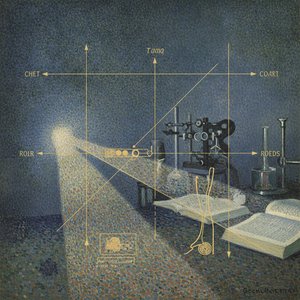
The Science of Light: Decoding the Optical Precision of Neo-Impressionism
Explore the scientific brilliance of Neo-Impressionism. Discover how masters like Georges Seurat revolutionized art through optical mixing, color theory, and the precision of Pointillism to capture the true essence of light.


