
 Se i rummet
 Del som kort
 Del
Del
 Detaljer
 Guide
Guide

 Download
 Lignende værker
 Røntgenundersøgelse
 Diasshow
 Spørgsmål og svar
 Statistikker
Eclipse of the Sunflower

- 71.0 x 91.0 cm


 Vis mere
Giclée / Kunsttryk
Giclée- eller lærredstryk i museumskvalitet med hurtig produktion og fleksible muligheder for finish. ( Køb håndmalet maleri Skift til digitalt billede)




P118B Dkr10

P118H Dkr10

P118W Dkr10

P438Z Dkr10

P508JH Dkr12

P508YH Dkr12

P805H Dkr10

P805Z Dkr10

P919BZ Dkr10

P919G Dkr10

P919XJ Dkr10

P959ZH Dkr10

P968JZ Dkr12

W106C Dkr8

W218G Dkr10

W218JH Dkr8

W218Y Dkr10

W307PJ Dkr10

W316G Dkr10

W316PJ Dkr8

W316Y Dkr10

W398PJ Dkr8

W4111J Dkr10

W500HY Dkr15

W500JH Dkr15

W692G Dkr12

W849H Dkr8

W940BG Dkr15

W953PJ Dkr8




Vælg mellem vores forudindstillede størrelser, der matcher kunstværkets originale proportioner.

Indtast den bredde og højde, du har brug for, så det passer til din ramme eller din væg. Et print kan kun beskæres, aldrig gøres større end selve billedet, så en størrelse med et andet format vil medføre, at dele af motivet går tabt. Vi sender dig en digital mockup til godkendelse, før vi printer noget. Billedet vist på denne side viser ikke den faktiske beskæring — det er kun mockuppen, der gør.
Verdensomspændende levering () på 2 uger i stedet for de sædvanlige 4/5 uger. (4 november)

Gratis ekspresforsendelse til hele verden

Lærred af linned i høj kvalitet

Fuld transportforsikring

Garanti for refusion af told og importafgifter

Garanti for præcis farvegengivelse

100 dages returret ved fabrikationsfejl

100% fuld returret

Mængderabat ved flere køb
 Glasmulighed er kun tilgængelig i størrelser under 110 cm

Eclipse of the Sunflower
Giclée / Kunsttryk
Størrelse på reproduktion
-


Samlet pris
Dkr 538
A Poignant Meditation on Decay and Renewal
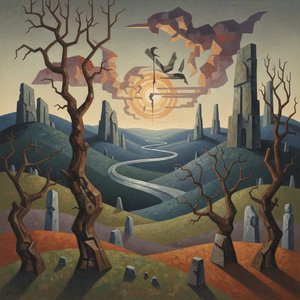
In the twilight of his prolific career, Paul Nash captured a moment of profound existential tension in Eclipse of the Sunflower. Created in 1945, as the shadows of World War II began to recede but left behind a landscape of deep uncertainty, this masterpiece serves as more than just a botanical study; it is a visceral meditation on the cyclical nature of life and death. The painting presents a solitary sunflower, its once-vibrant petals now drooping and withered, caught in the chilling embrace of an encroaching darkness. As an eclipse obscures the sun, Nash masterfully orchestrates a scene where light is being swallowed by shadow, inviting the viewer to contemplate the fragile boundary between vitality and dissolution.
The composition is striking in its starkness, utilizing a dark, almost monochrome background that pushes the subject toward the foreground with haunting intensity. Within this somber expanse, Nash introduces subtle, unexpected elements—two birds positioned like silent witnesses to the unfolding drama—which add a layer of narrative depth to the stillness. For the discerning collector or interior designer, this piece offers a sophisticated focal point that commands attention through its quiet power rather than through loud, clashing colors. It is a work that breathes with a heavy, atmospheric soul, making it an ideal centerpiece for spaces designed for reflection and intellectual engagement.
Modernist Mastery and Symbolic Depth
Technically, Eclipse of the Sunflower showcases Nash’s ability to blend the geometric precision of Modernism with the dreamlike qualities of Surrealism. His approach eschews the meticulous, photographic realism of traditional landscapes in favor of bold, simplified forms and expressive tonal variations. The way the light fades from the sunflower's face is rendered with a delicate touch, likely utilizing the nuanced textures of his medium to create a sense of tactile decay. This technique allows the viewer to feel the weight of the wilting petals and the coldness of the eclipsed sky, transforming a simple natural event into a profound symbolic gesture.
The symbolism embedded within the work is deeply resonant with the historical context of its creation. Emerging from the devastation of global conflict, Nash’s imagery speaks to a collective psyche grappling with loss and the hope for rebirth. The sunflower, traditionally a symbol of adoration and solar energy, is here transformed into a vessel for mourning, yet the very presence of the eclipse suggests a temporary state—a darkness that must eventually give way to a new dawn. This duality makes the painting an incredibly versatile choice for high-end decor; it possesses a melancholic beauty that can anchor a room with gravity, while its underlying themes of resilience offer a subtle, uplifting promise of renewal.
For those seeking to integrate fine art into their personal or professional environments, a high-quality reproduction of this work provides an opportunity to possess a piece of British art history. Whether placed in a contemporary gallery-style living room or a classic study, Eclipse of the Sunflower brings with it an aura of prestige and a deep, emotive resonance that transcends mere decoration.
Spørgsmål og svar
Hvilken farvepalette benytter "Eclipse of the Sunflower"?
Farverne i "Eclipse of the Sunflower" udgør en Earthy palet. Denne klassificering beskriver de dominerende farvefamilier.
Hvad er lysstyrken i "Eclipse of the Sunflower" af Paul Nash?
Luminansen registreret for "Eclipse of the Sunflower" af Paul Nash er Soft Shadow.
Blev "Eclipse of the Sunflower" i kunstnerens hjemland?
Nej – kunstværket opbevares i udlandet. Paul Nash er født i Det Forenede Kongerige, og museet, der opbevarer originalen af "Eclipse of the Sunflower", ligger i Storbritannien.
Kunstnerbiografi
En Visionær Landskabsmaler: Paul Nash og det Moderne Englands Sjæl
Paul Nash, født i London i 1889 og død i 1946, var mere end blot en maler; han var en visjonær som fangede essensen av et land i rask forandring. Hans liv, preget av både personlig tragedie og kunstnerisk triumf, speiler det engelske samfunnets turbulente første halvdel av det 20. århundre. Oppvokst i en familie der hans far var advokat og hans mor plaget av psykiske lidelser, flyttet familien til Buckinghamshire, hvor landskapet rundt Iver Heath ble et tidlig og varig inspirasjonskilde for Nash. Denne barndommen, fylt med både skjønnhet og uro, formet hans kunstneriske blikk og bidro til den melankolske, ofte drømmeaktige kvaliteten i hans malerier. Hans utdannelse ved Parsons School of Art og senere Slade School of Fine Art ga ham et solid fundament, men han foretrakk å utvikle sin egen stil, fri for konvensjonelle begrensninger. Tidlige påvirkninger fra William Blake og J.M.W. Turner er tydelige i hans tidlige arbeider, der han kombinerte romantisk følsomhet med en spirende interesse for moderne former og farger.Fra Landskap til Krigens Skarer: En Kunstnerisk Utvikling
Nashs kunstneriske utvikling var preget av en gradvis bevegelse fra tradisjonelle landskapsmotiver til mer abstrakte og symbolske komposisjoner. Han eksperimenterte med farger, geometriske former og surrealistiske elementer, noe som skilte ham ut fra mange av sine samtidige. Etter å ha sett en Giorgio de Chirico-utstilling i 1928, ble han dypt påvirket av den italienske kunstnerens mystiske landskapsbilder, og dette preget hans senere verk med en følelse av fremmedgjøring og melankoli. Hans tilknytning til surrealismen var imidlertid ikke fullstendig; han beholdt alltid et sterkt fotfeste i tradisjonell maleteknikk og en dyp kjærlighet til det engelske landskapet. Første verdenskrig markerte et vendepunkt i hans karriere, da han ble offisiell krigsmaler. Hans skildringer av slagmarkene var ikke glorifiserende eller heroiske; snarere var de hjemsøkende og poetiske, fylt med en følelse av tap og ødeleggelse. "The Menin Road" er kanskje hans mest kjente krigsbilde, et verk som fanger den uhyggelige stillheten etter kampens raseri. Senere i andre verdenskrig skapte han serien "Aerial Creatures," hvor antropomorfe flykropper lå spredt utover landskapet – en visjonær og foruroligende kommentar til krigens destruktive kraft.En Pioner innen Britisk Modernisme og Krigsminnesmerke
Paul Nashs betydning i britisk kunsthistorie kan ikke overvurderes. Han var en sentral skikkelse i modernismens fremvekst, og brobygger mellom tradisjonell landskapsmaleri og de nye modernistiske strømningene. Hans evne til å kombinere det konkrete med det abstrakte, det vakre med det grufulle, gjorde ham til en unik kunstnerisk stemme. Han var også en viktig bidragsyter til krigskunsten, og hans bilder fra begge verdenskriger er ikoniske representasjoner av konfliktenes innvirkning på både soldater og miljøet. Hans deltakelse i Unit One-gruppen, sammen med Ben Nicholson og Barbara Hepworth, vitner om hans engasjement i den avantgarde kunstscenen. Nash var også en dyktig skribent og designer, og hans bidrag til brukskunst, inkludert scenografi, tekstiler og plakater, viser hans allsidighet som kunstner.Arv og Inspirasjon: En Fortsatt Relevans
Selv om Paul Nash døde relativt ung i 1946, etterlot han seg en arv som fortsetter å inspirere kunstnere og publikum den dag i dag. Hans verk er representert i de mest prestisjefylte samlinger i Storbritannia, inkludert Tate Britain og Imperial War Museum. Nashs evne til å fange det engelske landskapets skjønnhet og melankoli, kombinert med hans dype forståelse for menneskets forhold til naturen, gjør hans malerier tidløse. Hans krigsbilder er kraftfulle minnesmerker over konfliktenes grusomheter, mens hans surrealistiske komposisjoner fortsetter å fascinere og utfordre seeren. Paul Nash var en kunstner som våget å utforske de mørke og lysende sidene av den menneskelige erfaring, og hans verk er et vitnesbyrd om kraften i kunsten til å reflektere over vår tid.
Paul Nash
1889 - 1946 , Det Forenede Kongerige
Kort om kunstneren
- Dødsdato: 11. juli 1946
- Fødested: Kensington, Storbritannien
- Fødselsdato: 11. maj 1889
- Nationalitet: Britisk
Relaterede artikler

Ephemeral Visions: Exploring the Artistic Legacy & Contemporary Practice of Watercolor Painting
Explore the captivating world of watercolor painting! Discover its rich history, essential techniques, influential artists & collecting tips. A comprehensive guide for art enthusiasts from OriginalUniqueArt.

Paul Cézannes 25 Mesterværker: En Kunstnerisk Rejse til Moderne Malerkunst | OriginalUniqueArt.dk
Oplev Paul Cézannes 25 mest ikoniske malerier – fra stilleben til landskaber. Lær om impressionismen, hans unikke stil og køb eksklusive kunsttryk på OriginalUniqueArt.dk. Find inspiration til din indretning!
Paul Nash: Modernism, Myth & the British Landscape – A Visionary Artist
Explore the evocative landscapes & poignant war art of Paul Nash (1889-1946), a key figure in British Modernism. Discover his unique style and lasting impact on art history with OriginalUniqueArt.

Paul Klees 25 Mesterværker: En Kunstnerisk Rejse | OriginalUniqueArt.dk
Oplev Paul Klees 25 mest ikoniske malerier! Dyk ned i en verden af abstrakt kunst, ekspressionisme og farverig kreativitet. Find inspiration til din boligindretning & køb museumskvalitets reproduktioner på OriginalUniqueArt.com.

Top 10 Akvarelmesterværker: Kunst der Ændrede Historien | OriginalUniqueArt.dk
Oplev de 10 mest legendariske akvarelmesterværker, der har ændret kunsthistorien! Fra Turner til Monet – lær om teknikken og historierne bag ikoniske værker. Find museumskvalitets reproduktioner & inspiration til din indretning på OriginalUniqueArt.com.
