- Hjem

- Reproduktion af oliemaleri
- Paul Manship
- Eurydice

 Bestil tryk Køb højopløseligt billede
 Del
Del
 Del
Del
 Detaljer
 Tilføj til favoritter

 Download
 Lignende værker
 Røntgenundersøgelse
 Diasshow
Eurydice
 9.0 x 13.0 cm
 Se mere
Håndlavet oliereproduktion
Håndmalet olie på lærred i din valgte størrelse og ramme, udført efter bestilling af vores kunstnere.




































Vælg mellem vores forudindstillede størrelser, der matcher kunstværkets originale proportioner.

Du kan indtaste dine egne mål for at passe til en bestemt ramme eller plads. Hvis den valgte størrelse ikke stemmer overens med det originale billedes proportioner, vil vi enten beskære kunstværket eller udvide maleriet med yderligere håndmalede elementer. En digital skitse sendes til din godkendelse, før produktionen påbegyndes.
Bemærk venligst, at forhåndsvisningen på skærmen ikke afspejler den faktiske beskæring eller udvidelse. Kun skitsen vil nøjagtigt vise den endelige komposition.
Selvom specialmål er mulige, anbefaler vi at vælge en dimension fra den foruddefinerede liste for at bevare de originale proportioner.
Efter bestilling vil OriginalUniqueArt.com team sende en e-mail til kunden for at få instruktioner og levere et udkast til en skitse.
Levering i hele verden () på 3/4 uger i stedet for de standard 5 uger. (18 juli). Ingen kompromiser med kvaliteten.

Gratis ekspresforsendelse til hele verden

Lærred af linned i høj kvalitet

Fuld transportforsikring

Garanti for refusion af told og importafgifter

Garanti for præcis farvegengivelse

60 dages returret (kun ved fabrikationsfejl)

100% Tilfredshedsgaranti

Mængderabat tilgængelig
 Glasmulighed er kun tilgængelig i størrelser under 110 cm

Eurydice
Reproduktionsmetode
Størrelse på reproduktion
-


Samlet pris
-
Kunstnerens biografi
Early Life and Artistic Beginnings
Paul Howard Manship (December 25, 1885 – January 31, 1966) was born in St. Paul, Minnesota, the son of Charles H. and Mary Etta (Friend) Manship. His father, a clerk for the St. Paul gas company, instilled in him an appreciation for craftsmanship and precision—traits that would profoundly shape Manship’s artistic vision. Growing up in a family home at 304 Nelson Avenue, he developed a keen interest in art from a young age, enrolling in the St. Paul School of Art where he honed his foundational skills. This early exposure to artistic principles foreshadowed his lifelong dedication to sculpting and exploring the expressive potential of form. His formative years were marked by an unwavering commitment to mastering sculptural techniques—a pursuit that would ultimately define his career trajectory.Formal Training and Influences
Manship’s formal education solidified his artistic sensibilities, propelling him toward Philadelphia where he pursued studies at the Pennsylvania Academy of Fine Arts. There, he immersed himself in classical art history and anatomy—subjects that would become central to his sculptural practice. Notably, he studied with George Bridgman, whose anatomical drawings provided invaluable insight into human form, and modeled under Hermon Atkins MacNeil, fostering a deep understanding of sculptural modeling techniques. Recognizing the importance of broadening his artistic horizons, Manship traveled to Rome in 1909, securing a prestigious Rome Prize—a pivotal moment that exposed him to the grandeur of European art and cemented his fascination with Archaic sculpture. He was particularly captivated by classical sculpture of India, which would infuse his work with an enduring spirit of timeless beauty.Collaboration and Artistic Style
Manship’s artistic journey gained momentum through collaborations with fellow sculptors—most notably Solon Borglum, whom he assisted during the creation of Monument to Lincoln. This experience honed his technical skills and exposed him to innovative sculptural approaches. He also partnered with Gaston Lachaise and Leo Friedlander, establishing a dynamic creative environment that nurtured experimentation and stylistic evolution. Manship’s artistic style is characterized by a remarkable blend of classical influences and modernist sensibilities—a harmonious fusion reflected in his sculptures' flowing lines and simplified forms. Rejecting the Beaux-Arts movement’s rigid formalism, he championed linear compositions imbued with understated elegance, prioritizing clarity and expressive power.Major Commissions and Notable Works
Manship achieved international acclaim through monumental public commissions—most notably the Prometheus statue for Rockefeller Center in New York City—a towering testament to Art Deco’s ambition and grandeur. His sculptural prowess extended beyond architectural projects, encompassing memorials honoring veterans of both World Wars—the St. Mihiel American Cemetery and Memorial at Thiaucourt, France, and the military cemetery at Anzio, Italy—each imbued with profound symbolic resonance. Furthermore, he designed the modern rendition of New York City’s official seal, demonstrating his versatility as an artist and his ability to translate complex ideas into compelling visual representations.Legacy and Historical Significance
Paul Manship stands as a towering figure in American sculpture—a pioneer of Art Deco whose enduring influence continues to inspire artists today. His sculptures embody the spirit of classical art combined with modernist innovation, reflecting a profound engagement with artistic tradition while embracing stylistic experimentation. Recognized by the American Battle Monuments Commission for his monumental works commemorating wartime sacrifice, Manship’s legacy transcends mere aesthetic achievement; he represents an unwavering devotion to craftmanship and a steadfast belief in the transformative power of art—a testament to his enduring contribution to the visual arts.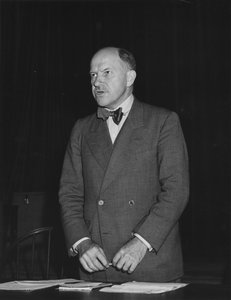
Paul Manship
1885 - 1966
Kort om kunstneren
- Artistic Movement Or Style: Art Deco sculpture
- Artists Who Influenced This Artist:
- George Bridgman
- Hermon Atkins MacNeil
- Date Of Birth: December 25, 1885
- Date Of Death: January 31, 1966
- Full Name: Paul Howard Manship
- Nationality: American
- Notable Artworks:
- Running Atalanta
- Kultur Medal
- August Jaccaci
- Place Of Birth: St. Paul, Minnesota

