Cubism · 1922
Senecio (Paul Klee, 1922)
Paul Klee (1879–1940) har skabt Senecio. Det er fra 1922. Det tilhører Cubism-bevægelsen. Den er udført i Acrylic On Canvas. Det opbevares på Kunstmuseum Basel i Basel, Schweiz. Målene er 40 × 38 cm.
- 1922
- Acrylic On Canvas
- 40 × 38 cm
- Kunstmuseum Basel

 Se i rummet

 Håndmalet oliemalerie
 Del som kort
 Del
 Faktablad


 Download
 Lignende værker
 Røntgenundersøgelse
 Diasshow
 Spørgsmål og svar

 Statistikker
Senecio kort fortalt
- Titel
- Senecio
- Kunstner
- Paul Klee (1879–1940)
- Kunstner født i
- Münchenbuchsee, Schweiz
- Dato
- 1922
- Medium
- Acrylic On Canvas
- Dimensioner
- 40 × 38 cm
- Hvor det kan ses
- Kunstmuseum Basel, Basel, Schweiz
- Bevægelse
- Cubism
- Periode
- High Medieval
- Motiv
- women
Hvad forestiller Senecio?
The Artistic Vision Behind "Senecio"
"Cubism" was a significant influence on Klee's work during this period, as he combined geometric images with a play of colors. The title "Senecio" is believed to refer to the plant Senecio vulgaris, also known as common ragwort, due to its round inflorescences that resemble the shapes in the painting.Composition and Symbolism
The composition of Senecio showcases a face made up of simple geometric shapes such as squares, triangles, and circles. The use of warm colors like orange, red, yellow, and white gives the painting a vibrant and playful appearance. The face is depicted in a flat, disk-like manner, with rectangular shapes dividing it into different sections. The eyebrows are represented by a triangle and a curved line, creating an illusion that one eyebrow is raised.Artistic Influences
Klee's work was influenced by African culture, particularly the use of masks and puppets. This influence can be seen in the geometric shapes and colors used in Senecio. The painting also reflects Klee's sense of humor and his ability to create complex compositions using simple forms.Artistic Significance
Senecio is a significant work in the history of modern art, showcasing Klee's unique style and his experimentation with color theory. The painting demonstrates how Klee adapted African cultural elements into his own artistic language, creating a distinctive and captivating piece.Conclusion
Paul Klee's Senecio is a masterpiece that combines geometric shapes, vibrant colors, and cultural influences to create a unique and thought-provoking work of art. For those interested in exploring more of Klee's works or learning about other artists who influenced modern art, visit https://OriginalUniqueArt.com for hand-made oil painting reproductions.- Paul Klee: A Swiss-born German artist known for his contributions to expressionism, cubism, and surrealism.
- Senecio: A 1922 Cubist painting by Paul Klee, housed at the Kunstmuseum Basel in Switzerland.
- Kunstmuseum Basel: A museum of fine arts in Basel, Switzerland, featuring works from the Middle Ages to the present day.
Hvilket museum udstiller Senecio?
Kunstmuseum Basel
Basel, Schweiz
Oprindelsen og historien bag Kunstmuseum Basel Historien om Kunstmuseum Basel har sine rødder i erhvervelsen af Amerbach-samlingen. Denne samling, som udgjorde selve fundamentet for institutionen, blev købt af byen Basel og Universitetet i Basel i 1671. Beslutningen om at gøre disse værker tilgængelige for offentligheden cementerede museets status som den første offentlige kunstsamling af sin art.


Højopløselige billeder af Senecio

Public domain: kunstneren døde i 1940.
Andre størrelser, beskæringer og kildehenvisning →Paul Klee, Senecio (1922), Kunstmuseum Basel. Public domain
Spørgsmål om Senecio besvaret
Hvilket museum udstiller det originale "Senecio"?
Du kan se det originale værk "Senecio" på Kunstmuseum Basel, Basel, Schweiz.
Hvilken teknik er brugt til "Senecio" af Paul Klee?
"Senecio" er udført i Acrylic On Canvas.
Hvad er målene på det originale "Senecio" af Paul Klee?
Hvad forestiller "Senecio" af Paul Klee?
Er billedet af "Senecio" af Paul Klee frit tilgængeligt i det offentlige domæne?
Hvem er kunstneren bag "Senecio"?
Hvilken stilart tilhører "Senecio"?
Om kunstneren, Paul Klee

1879–1940, Schweiz
Paul Klee
Paul Klees tidlige år Født den 18. december 1879 i Münchenbuchsee, nær Bern i Schweiz, voksede Paul Klee op i et hjem præget af musikkens disciplin. Han var det andet barn af Hans Wilhelm Klee, en tysk musiklærer, og Ida Marie Klee, en schweizisk sangerinde. Lyden af forældrenes erhverv har sandsynligvis formet atmosfæren i hans barndom og lagt et rytmisk fundament, der skulle følge ham ind i hans senere år.
Også af Paul Klee
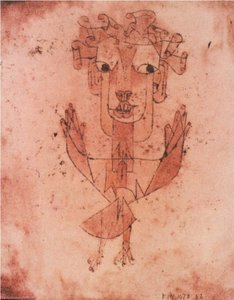 Ny Engel1920
 Twittering Maskine
 To Parnassus - Parmenis Palæet1932
 Legenden om Nilen1937

Essays om Senecio
 Paul Klees 25 Mesterværker: En Kunstnerisk Rejse | OriginalUniqueArt.dkOplev Paul Klees 25 mest ikoniske malerier! Dyk ned i en verden af abstrakt kunst, ekspressionisme og farverig kreativitet. Find inspiratio…
 Structural Sentiment: Decoding the Emotional Language of Geometric AbstractionMaster the emotional language of geometric abstraction through shape and color theory. Explore the masters and elevate your collection toda…
 25 Must-See Masterpieces at Kunsthaus Zürich: A Curated GuideExplore 25 iconic works from Kunsthaus Zürich, from Monet to Giacometti. Discover museum-quality art at OriginalUniqueArt.com.