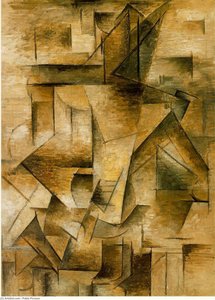
Se i fuld skala
 Del
Del Del
Del
 Detaljer

 Download
 Lignende værker
 Røntgenundersøgelse
 Diasshow
La Vie


 Se mere
Håndlavet oliereproduktion
Håndmalet olie på lærred i din valgte størrelse og ramme, udført efter bestilling af vores kunstnere. ( Køb print Køb billede)




P118B $10

P118H $10

P118W $10

P438Z $10

P508JH $12

P508YH $12

P805H $10

P805Z $10

P919BZ $10

P919G $10

P919XJ $10

P959ZH $10

P968JZ $12

W106C $8

W218G $10

W218JH $8

W218Y $10

W307PJ $10

W316G $10

W316PJ $8

W316Y $10

W398PJ $8

W4111J $10

W500HY $15

W500JH $15

W692G $12

W849H $8

W940BG $15

W953PJ $8




Vælg mellem vores forudindstillede størrelser, der matcher kunstværkets originale proportioner.

Du kan indtaste dine egne mål for at passe til en bestemt ramme eller plads. Hvis den valgte størrelse ikke stemmer overens med det originale billedes proportioner, vil vi enten beskære kunstværket eller udvide maleriet med yderligere håndmalede elementer. En digital skitse sendes til din godkendelse, før produktionen påbegyndes.
Bemærk venligst, at forhåndsvisningen på skærmen ikke afspejler den faktiske beskæring eller udvidelse. Kun skitsen vil nøjagtigt vise den endelige komposition.
Selvom specialmål er mulige, anbefaler vi at vælge en dimension fra den foruddefinerede liste for at bevare de originale proportioner.
Efter bestilling vil OriginalUniqueArt.com team sende en e-mail til kunden for at få instruktioner og levere et udkast til en skitse.
Levering i hele verden () på 3/4 uger i stedet for de standard 5 uger. (6 september). Ingen kompromiser med kvaliteten.

Gratis ekspresforsendelse til hele verden

Lærred af linned i høj kvalitet

Fuld transportforsikring

Garanti for refusion af told og importafgifter

Garanti for præcis farvegengivelse

100 dages returret (kun ved fabrikationsfejl)

100% Tilfredshedsgaranti

Mængderabat tilgængelig
 Glasmulighed er kun tilgængelig i størrelser under 110 cm

La Vie
Reproduktionsmetode
Størrelse på reproduktion
-


Samlet pris
$ 300
La Vie: A Meditation on Maternal Instinct and Artistic Sorrow
Pablo Picasso’s “La Vie,” painted in 1903 during his Blue Period, transcends mere representation; it embodies a profound exploration of human emotion—specifically, the poignant tenderness of motherhood intertwined with an inescapable sense of melancholy. Created shortly after the tragic suicide of his friend Carles Casagemas, this oil-on-canvas artwork reflects Picasso’s personal turmoil and subtly weaves into its composition themes of loss and vulnerability.
Subject Matter and Composition
The painting depicts a woman cradling a baby, positioned amidst three figures—a man on the left, another in the center, and a third on the right. The woman is nude, her breasts exposed, symbolizing fertility and nurturing – a deliberate choice that speaks to Picasso’s preoccupation with themes of femininity and maternal care during this period. The figures are arranged in a manner that emphasizes intimacy and connection, yet simultaneously conveys a feeling of isolation against a muted backdrop.
Style and Technique: Embracing the Blue Palette
“La Vie” exemplifies Picasso's signature Expressionist style, characterized by its deliberate simplification of form and use of color. Dominating the canvas is a palette dominated by shades of blue—ranging from deep indigo to pale cerulean—a hallmark of Picasso’s Blue Period. This monochromatic scheme wasn’t merely aesthetic; it served as a powerful tool for conveying emotion. The cool blues evoke feelings of sadness, despair, and introspection, mirroring Picasso's own psychological state at the time.
Historical Context: Echoes of Grief and Artistic Transformation
Painted in 1903, “La Vie” sits firmly within Picasso’s Blue Period—a period marked by intense grief following Casagemas’ death. This loss profoundly impacted Picasso's artistic vision, prompting him to delve into darker themes and explore the complexities of human suffering. The painting reflects a broader cultural preoccupation with mortality and disillusionment prevalent in Europe at the turn of the century.
Symbolism: Beyond Literal Representation
Beyond its depiction of motherhood, “La Vie” is laden with symbolic significance. The nude woman represents vulnerability and purity, while the baby symbolizes innocence and rebirth—a poignant juxtaposition against the backdrop of sorrow. Picasso’s masterful use of color contributes to this symbolism, conveying a sense of emotional depth that transcends literal observation. It's a visual testament to the artist grappling with grief and striving to capture the essence of human experience.
Kunstnerens biografi
Pablo Picassos Liv og Arv
Pablo Ruiz Picasso, født i Málaga, Spanien, den 25. oktober 1881, er et navn der uomtvisteligt forbindes med kunstnerisk revolution. Fra en tidlig alder viste han tegn på et exceptionelt talent; legenden fortæller at hans første ord var “piz, piz”, et forsøg på at sige ‘blyant’. Denne spirende interesse blev næret af faderen, José Ruiz y Blasco, selv maler og kunstlærer, som gav den unge Pablo en solid grunduddannelse. Hurtigt overgik eleven dog mesteren, demonstrerede en bemærkelsesværdig evne til naturalistisk gengivelse, der antydede det enorme potentiale inden i ham. Familiens efterfølgende flytninger – først til A Coruña og derefter Barcelona – var præget af personlige tragedier, især tabet af Picassos søster, oplevelser som subtilt ville forme hans senere værker med temaer om melankoli og dødelighed. Selv under formelle studier på Skolen for Fine Arts i Barcelona og et kort ophold på Royal Academy of San Fernando i Madrid, følte Picasso sig begrænset af de stive akademiske krav og foretrak at fordybe sig i værkerne af mestre som Velázquez og Goya, hvorved han banede sin egen vej mod kunstnerisk innovation.
Fra Blå Melankoli til Rosatonet Håb
De tidlige år i det 20. århundrede var vidne til fremkomsten af to markante perioder i Picassos oeuvre: Den Blå Periode (omtrent 1901-1904) og Rosenperioden (1904-1906). Den Blå Periode, født ud af personlige vanskeligheder og en skarp bevidsthed om social lidelse, er karakteriseret ved malerier gennemsyret af dystre nuancer af blå og turkis. Disse værker befolkes af marginaliserede figurer – tiggere, blinde, prostituerede – gengivet med en hjerteskærende empati, der taler til temaer om isolation og fortvivlelse. La Vie (1903) og Den Gamle Guitarist (1903-1904) står som gribende eksempler på denne følelsesladede fase. Et skift i Picassos personlige liv, kombineret med et flyt til Paris, indledte Rosenperioden. Paletten blev betydeligt varmere og omfavnede lyserøde, orange og røde farver, hvilket afspejlede et mere optimistisk synspunkt. Denne periode var præget af en fascination af cirkusperformere – harlekiner, akrobater og familier – figurer der legemliggjorde både skrøbelighed og modstandskraft. Family of Saltimbanques (1905) indkapsler smukt denne overgang og antyder de stilistiske udforskninger, der lå forude.
Perspektivets Brud: Kubismen og Udbredelsen
Året 1907 markerede et afgørende øjeblik i kunsthistorien med skabelsen af Les Demoiselles d'Avignon. Inspireret af iberisk skulptur og afrikanske masker, brød dette banebrydende maleri traditionelle forestillinger om perspektiv og repræsentation. Det var et radikalt afbrud, en bevidst afvisning af århundredgamle konventioner, der banede vejen for Kubismen. I tæt samarbejde med Georges Braque grundlagde Picasso denne revolutionerende bevægelse, som fundamentalt ændrede den måde, kunstnere opfattede og gengav virkeligheden på. Analytisk Kubisme (1909-1912) involverede fragmenteringen af objekter i geometriske former, gengivet i dæmpede farver, som om formen selv blev dissekeret. Dette udviklede sig til Syntetisk Kubisme (1912-1919), der inkorporerede collageelementer – avisudklip, stofstykker – og tilføjede tekstur og nye lag af visuel kompleksitet. Picasso var ikke tilfreds med blot at repræsentere verden; han søgte at dekonstruere den og rekonstruere den på sine egne betingelser.
En Rastløs Eksperimentator: Neoklassicisme, Surrealisme og Krig
1920’erne så Picasso kort udforske neoklassiske stilarter og skabe monumentale figurer, der genklang af klassiske former, samtidig med at de bevarede en distinkt moderne følsomhed. Samtidig engagerede han sig i den spirende surrealistiske bevægelse, selvom han aldrig fuldt ud tilsluttede sig dens principper. Hans arbejde i denne periode blandede tidligere stilistiske påvirkninger med surrealistiske billeder og forvrængede perspektiver, hvilket demonstrerede hans utrættelige eksperimentering. Rædslerne ved den spanske borgerkrig havde en dybtgående indflydelse på Picasso, kulminerende i skabelsen af Guernica (1937), et visceral og følelsesmæssigt ødelæggende svar på bombningen af Guernica. Dette monumentale værk blev et varigt symbol på krigens grusomheder og cementerede Picassos rolle som ikke blot en kunstner, men også en kraftfuld stemme for fred og social retfærdighed. Gennem 1950’erne og 60’erne fortsatte han med at skubbe grænserne og udforskede keramik, skulptur og trykning med urokkelig nysgerrighed og dygtighed. Hans ægteskab med Jacqueline Roque i 1961 bragte en ny dimension til hans personlige liv og kunstneriske udtryk.
En Uvurderlig Indflydelse
Pablo Picasso døde den 8. april 1973 i Mougins, Frankrig, og efterlod sig et fantastisk oeuvre – anslået til over 50.000 værker – der fortsat fanger og inspirerer. Hans kunstneriske udvikling blev formet af en mangfoldighed af påvirkninger, fra spanske mestre som Velázquez og Goya til iberisk skulptur, afrikansk kunst og de levende farvepaletter hos Henri Matisse. Hans indflydelse på det 20. århundredes kunst er umålelig. Han grundlagde Kubismen, pionerede collage og konstrueret skulptur og udfordrede konstant kunstneriske konventioner. Picassos utrættelige eksperimentering omdefinerede moderne kunst, efterlod et uudsletteligt mærke på generationer af kunstnere og cementerede hans position som en af de vigtigste og mest indflydelsesrige figurer i historien. Hans arv rækker ud over lærredet og genlyder i utallige aspekter af nutidskulturen og minder os om den transformative kraft i kunstnerisk vision.

Pablo Picasso
1881 - 1973 , Spanien
Kort om kunstneren
- Bemærkelsesværdige Værker:
- Les Demoiselles d'Avignon
- Guernica
- The Old Guitarist
- Dødsdato: 8. april 1973
- Fulde Navn: Pablo Diego Ruiz Picasso
- Fødested: Málaga, Spanien
- Fødselsdato: 25. oktober 1881
- Kunstnere Der Påvirkede:
- Velázquez
- Goya
- Matisse
- Kunstnerisk Stil: Kubisme, Surrealisme
- Nationalitet: Spansk
- Påvirkede Kunstnere/Bevægelser:
- Kubisme
- Moderne kunst
Relaterede artikler

Top 10 Berømte Malerier i Skønne Slate Blue Nuancer – Kunst til Dit Hjem
Oplev skønheden i 10 berømte malerier domineret af den elegante slate blue nuance. Fra Monet til Van Gogh – lær historierne bag ikoniske kunstværker og find inspiration til dit hjem. Køb museumskvalitets reproduktioner på OriginalUniqueArt.com
Kubismens Mestre: Top 10 Kunstværker der Definerede en Epoke | OriginalUniqueArt.dk
Oplev kubismens revolution! Dyk ned i top 10 mesterværker af Picasso, Braque og andre pionerer. Lær historien bag disse ikoniske malerier & find inspiration til din boligindretning på OriginalUniqueArt.com. Køb kunsttryk i museumskvalitet online.
Cubismens Mestre: Top 10 Værker der Definerede en Kunstnerisk Revolution | OriginalUniqueArt
Oplev kubismens revolution! Dyk ned i historien bag 10 mesterværker af Picasso, Braque og andre. Find inspiration til din indretning & køb museumskvalitets kunsttryk på OriginalUniqueArt.com. Udforsk samlingen online!
Kubismens Portrætter: Top 10 Mesterværker der Ændrede Kunsten | OriginalUniqueArt
Oplev kubismens revolution! Dyk ned i de 10 mest ikoniske kubistiske portrætter af Picasso, Braque og andre mestre. Find inspiration til din indretning & køb museumskvalitets kunstreproduktioner på OriginalUniqueArt.com.

Serene Blue Backgrounds: Discover Soulful Art to Transform Your Space with Timeless Elegance
Transform your home with soulful blue art. From serene Monet impressions to modern textured sculptures, discover curated masterpieces designed to inspire calm. Explore expert art consultations and bespoke hand-painted reproductions to create your personal sanctuary.