Symbolism · 1882
Cactus Man (Odilon Redon, 1882)
Odilon Redon (1840–1916) har skabt Cactus Man. Det er fra 1882. Det tilhører Symbolism-bevægelsen. Den er udført i Acrylic. Målene er 46 × 31 cm.
- 1882
- Acrylic
- 46 × 31 cm

 Se i rummet

 Håndmalet oliemalerie
 Del som kort
 Del
 Faktablad


 Download
 Lignende værker
 Røntgenundersøgelse
 Diasshow
 Spørgsmål og svar

 Statistikker
Cactus Man kort fortalt
- Titel
- Cactus Man
- Kunstner
- Odilon Redon (1840–1916)
- Kunstner født i
- Bordeaux, Frankrig
- Dato
- 1882
- Medium
- Acrylic
- Dimensioner
- 46 × 31 cm
- Bevægelse
- Symbolism
- Motiv
- fantasy, botanical, human figure, dreamscape, symbolism, organic form
Hvad forestiller Cactus Man?
A Surreal Encounter with Nature’s Resilience
Odilon Redon's “Cactus Man,” painted in 1882, presents a hauntingly beautiful image—a solitary figure crowned by an improbable cactus. This deceptively simple composition encapsulates the core tenets of Symbolism, a movement that sought to transcend literal representation and delve into the subconscious realm.
- Subject Matter: The painting depicts a human head, rendered in meticulous detail against a muted monochrome backdrop. However, it’s not merely a portrait; rather, it's an unsettling juxtaposition of organic and inorganic elements—the prickly cactus symbolizing tenacity and survival amidst barrenness.
- Style & Technique: Redon employed etching and lithography extensively during his formative years, honing skills that would inform his distinctive artistic style. The resulting image possesses a velvety surface quality achieved through careful layering of ink, creating an atmosphere of quiet contemplation and subtle unease.
Echoes of Romanticism and Beyond
Redon’s work stands firmly within the tradition of Romantic art, inheriting its fascination with mythology and emotion. Yet, he distinguishes himself from his predecessors by rejecting academic realism in favor of exploring inner landscapes—the anxieties and aspirations hidden beneath the surface of consciousness. “Cactus Man” embodies this spirit perfectly; it invites viewers to confront primal fears and contemplate themes of vulnerability and fortitude.
- Historical Context: Created during a period marked by societal upheaval and intellectual ferment, Symbolism emerged as a reaction against the dominant artistic conventions of the time. Artists like Redon sought refuge in dreamlike imagery and symbolic language to express profound psychological truths.
- Symbolism’s Core Principles: The cactus itself is laden with symbolism—representing resilience, endurance, and the ability to flourish even in harsh conditions. It speaks to the human spirit's capacity for perseverance and transformation.
Emotional Resonance and Artistic Legacy
"Cactus Man" transcends mere visual depiction; it evokes a palpable sense of melancholy and wonder. Redon’s masterful manipulation of tonal values contributes significantly to this emotional impact, drawing viewers into a contemplative state.
- Color Palette: The monochrome palette—primarily shades of grey—amplifies the painting's psychological depth, emphasizing textures and contours rather than distracting hues.
- Artist’s Influence: Redon’s pioneering approach to Symbolism paved the way for subsequent generations of artists who embraced imaginative exploration and emotional honesty. His enduring legacy resides in his ability to capture the elusive beauty of the subconscious mind.
Højopløselige billeder af Cactus Man

Public domain: kunstneren døde i 1916.
Andre størrelser, beskæringer og kildehenvisning →Odilon Redon, Cactus Man (1882). Public domain
Spørgsmål om Cactus Man besvaret
I hvilket år blev "Cactus Man" af Odilon Redon skabt?
"Cactus Man" stammer fra 1882. Datoen placerer værket i Odilon Redon's karriere og dets tidsalder.
Hvilken teknik er "Cactus Man" udført med?
"Cactus Man" af Odilon Redon er udført i Acrylic. Reproduktionerne har til formål at gengive denne tekniks visuelle udtryk.
Hvad er målene på det originale "Cactus Man" af Odilon Redon?
"Cactus Man" måler 46 x 31 cm i sin oprindelige form. De originale dimensioner er en nyttig reference, når du skal vælge størrelsen på en reproduktion.
Hvad forestiller "Cactus Man" af Odilon Redon?
Motiverne i "Cactus Man" er fantasy, botanical, human figure, dreamscape, symbolism, organic form, dark imagery.
Er "Cactus Man" af Odilon Redon i det offentlige domæne?
"Cactus Man" af Odilon Redon er i det offentlige domæne – ophavsretten er udløbet. Denne status bestemmer, hvordan billedet af værket må reproduceres.
Hvilken kunstner tilskrives "Cactus Man"?
"Cactus Man" tilskrives Odilon Redon.
Hvilken kunstretning tilhører "Cactus Man" af Odilon Redon?
"Cactus Man" er et værk fra Symbolism. Denne stilart angiver den kunstneriske tradition, som værket indgår i.
Hvilken fase af Odilon Redons kunstneriske udvikling repræsenterer "Cactus Man"?
"Cactus Man" tilhører Mature Period i Odilon Redons karriere. Denne klassificering knytter værket til kunstnerens udvikling.
Hvor gammel var Odilon Redon, da "Cactus Man" blev skabt?
Odilon Redon skabte "Cactus Man" i en alder af 42. Kunstneren blev født i 1840, og værket er dateret 1882.
Om kunstneren, Odilon Redon

1840–1916, Frankrig
Odilon Redon
Tidligt liv, familie og uddannelse Da Bertrand-Jean Redon blev født den 20. april 1840 i Bordeaux, Aquitaine, Frankrig, trådte den dreng, der senere skulle blive kendt som Odilon Redon, ind i en verden formet af hans families rødder. Hans mor, Marie Guérin, var en fransk kreole fra Île Bourbon, og det var fra hendes navn, at han i sidste ende erhvervede sit valgte øgenavn. Allerede i hans ungdom var en særlig visuel begavelse tydelig; som tiårig vandt han en tegnekonkurrence i skolen, en lille triumf, der varslede om den følsomhed, han senere ville bringe i spil i sit kunstneriske virke.
Også af Odilon Redon
 Kyklopen1914
 The Black Pegasus
 Woman and Centaur1900
 Saint Sebastian1900

Essays om Cactus Man
 Beyond the Visible: How Symbolist Masters Painted the Human SubconsciousExplore the profound depths of Symbolism. Discover how masters like Gustave Moreau and Odilon Redon captured the human subconscious through…
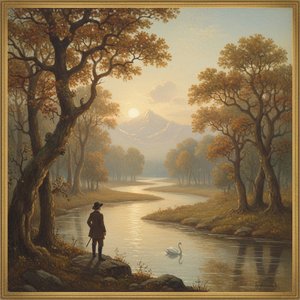 Amédée Masclef: Navigating Symbolism & Sentiment in Late 19th-Century French Landscape PaintingExplore the evocative landscapes of Amédée Masclef, a key figure bridging Barbizon realism & Symbolist sentiment. Discover his exquisite bo…
 Selvets Resonans: Udforskning af Personlige Malerier som Udtryk for Individualitet og StemningSkab et unikt kunstværk med OriginalUniqueArt! Bestil håndmalet portræt eller personligt maleri – ekspertvejledning, 100% tilfredshedsgaran…