
 Se i rummet
 Del som kort
 Del
Del
 Detaljer
 Guide
Guide

 Download
 Lignende værker
 Røntgenundersøgelse
 Diasshow
 Spørgsmål og svar
 Statistikker
Peasant and his son

- 75.0 x 56.0 cm


 Vis mere
Giclée / Kunsttryk
Giclée- eller lærredstryk i museumskvalitet med hurtig produktion og fleksible muligheder for finish. ( Køb håndmalet maleri Skift til digitalt billede)




P118B Dkr10

P118H Dkr10

P118W Dkr10

P438Z Dkr10

P508JH Dkr12

P508YH Dkr12

P805H Dkr10

P805Z Dkr10

P919BZ Dkr10

P919G Dkr10

P919XJ Dkr10

P959ZH Dkr10

P968JZ Dkr12

W106C Dkr8

W218G Dkr10

W218JH Dkr8

W218Y Dkr10

W307PJ Dkr10

W316G Dkr10

W316PJ Dkr8

W316Y Dkr10

W398PJ Dkr8

W4111J Dkr10

W500HY Dkr15

W500JH Dkr15

W692G Dkr12

W849H Dkr8

W940BG Dkr15

W953PJ Dkr8




Vælg mellem vores forudindstillede størrelser, der matcher kunstværkets originale proportioner.

Indtast den bredde og højde, du har brug for, så det passer til din ramme eller din væg. Et print kan kun beskæres, aldrig gøres større end selve billedet, så en størrelse med et andet format vil medføre, at dele af motivet går tabt. Vi sender dig en digital mockup til godkendelse, før vi printer noget. Billedet vist på denne side viser ikke den faktiske beskæring — det er kun mockuppen, der gør.
Verdensomspændende levering () på 2 uger i stedet for de sædvanlige 4/5 uger. (4 november)

Gratis ekspresforsendelse til hele verden

Lærred af linned i høj kvalitet

Fuld transportforsikring

Garanti for refusion af told og importafgifter

Garanti for præcis farvegengivelse

100 dages returret ved fabrikationsfejl

100% fuld returret

Mængderabat ved flere køb
 Glasmulighed er kun tilgængelig i størrelser under 110 cm

Peasant and his son
Giclée / Kunsttryk
Størrelse på reproduktion
-


Samlet pris
Dkr 538
A Glimpse into Georgian Rural Life: Niko Pirosmani's "Peasant and his Son"
Niko Pirosmani’s “Peasant and his son,” painted in 1908, offers a poignant window into the soul of rural Georgia at the turn of the twentieth century. This vertical oil painting isn't merely a depiction of two figures; it is an embodiment of generational connection, quiet dignity, and the timeless rhythms of agricultural life. The scene unfolds outdoors, suggested by the tall stalks that rise in the background—resembling reeds or corn—creating a backdrop evocative of the Georgian countryside. An elderly man dominates the left side of the composition, his presence weighty and grounded, while his young son stands to the right, presenting something unseen to his father. This simple act forms the heart of the painting’s narrative, hinting at respect, inheritance, or perhaps the passing down of knowledge—a symbolic exchange that resonates across time and cultures. The overall impression is one of profound stillness, a moment captured in amber, inviting contemplation on themes of family, tradition, and the enduring strength of human bonds.The Language of Primitivism: Style and Technique
Pirosmani’s artistic style defies easy categorization, often described as primitivist or naive. He wasn't formally trained; his skill blossomed from a deep observation of the world around him and an innate ability to translate that vision onto canvas. This lack of formal training is evident in the painting’s deliberate simplicity—a flattened perspective characteristic of folk art traditions, where illusionistic space takes a backseat to emotional impact. The artist employs visible brushstrokes, layering oil paints to create texture, particularly noticeable in the man's beard and robes, lending them a tactile quality that draws the viewer closer. Lines are used purposefully to define forms – both figures and surrounding vegetation—creating a sense of solidity and depth despite the overall flatness. The palette is predominantly dark: browns, blacks, and muted reds dominate, contributing to a somber yet contemplative mood. This restrained use of color amplifies the painting’s emotional weight, focusing attention on the subjects' faces and their interaction. Pirosmani often worked on oilcloth rather than traditional canvas, a testament to his resourcefulness and perhaps adding another layer of rustic authenticity to his work.A Georgian Visionary: Context and Legacy
To fully appreciate “Peasant and his son,” it’s essential to understand the context in which it was created. Niko Pirosmani lived a life largely outside the mainstream art world, working various odd jobs while pursuing his passion for painting. He was a self-taught artist who captured the essence of Georgian culture with remarkable honesty and sensitivity. His work gained recognition later in his life thanks to the support of Russian poets and artists like Mikhail Le-Dantyu and Kirill Zdanevich, who championed his unique vision. Pirosmani’s style resonated with the burgeoning primitivist movement, which celebrated art created outside established academic traditions. He became a pivotal figure in 20th-century Georgian art, influencing generations of artists with his distinctive approach to subject matter and technique. His paintings offer invaluable insights into the social fabric and daily life of Georgia during a period of significant change and transition.Emotional Resonance: A Timeless Portrait
Beyond its historical significance and artistic merit, “Peasant and his son” possesses an undeniable emotional power. The painting evokes a sense of quiet dignity and timelessness—a feeling that transcends the specific time and place depicted. The connection between father and son is palpable, conveyed through their posture and gaze. There's a profound tenderness in the boy’s offering, and a gentle acceptance in the man’s response. This isn’t a grand narrative of triumph or tragedy; it’s a simple moment of human interaction elevated to something extraordinary by Pirosmani’s masterful touch. The painting invites viewers to reflect on their own relationships with family, tradition, and the enduring values that shape our lives—making it a work of art that continues to resonate deeply with audiences today.Spørgsmål og svar
Hvilke farver dominerer "Peasant and his son" af Niko Pirosmani?
Farveidentiteten i "Peasant and his son" af Niko Pirosmani: en Earthy palet, domineret af Black (#150d12).
Hvilken reproduktionsstørrelse anbefales til "Peasant and his son" af Niko Pirosmani?
Den anbefalede trykstørrelse til "Peasant and his son" af Niko Pirosmani er Medium.
Er farverne i "Peasant and his son" af Niko Pirosmani mættede eller dæmpede?
"Peasant and his son" af Niko Pirosmani er gengivet med en Muted mætning.
Kunstnerbiografi
Niko Pirosmani – En Pioner inden Primitivismen
Nikolai Aslánovich Pirosmanashvili, bedre kendt som Niko Pirosmani (født 5. maj 1862 i Mirzaani, Kakheti Provinsen, Georgien; død 9. april 1918), var en georgisk primitivist maler, hvis arbejde har haft en enorm betydning for kunsthistorien og den georgiske kunstscene. Hans liv var præget af fattigdom, men efter døden blev hans kunst fejret som et ikon inden for både Georgien og international kunstkritik. Pirosmani var født i en simpel familie af bønder og fik tidligt erfaring med hårdt arbejde og begrænset økonomisk stabilitet – faktorer der måske har bidraget til hans unikke kunstneriske perspektiv.Barndom og Tidlig Karriere
Pirosmanashvíli blev født i lille Mirzaani, Kakheti Provinsen, hvor hans forældre var små landbrugere. Efter hans mors død kort efter fødslen blev han voksen af sine to ældre søstre og fik en grundlæggende uddannelse uden for traditionelle akademiske strukturer. Dette førte til hans selvstudier og udviklingen af hans egen kunstneriske stil, hvilket var essentielt for hans senere succes. Han flyttede senere til Tbilisi og arbejdede som tjenestegørende hos velhavende familier, hvor han læste russisk og georgisk – færdigheder der åbnede døren til kulturel forståelse og kommunikation. Hans arbejde som tjenestegangsmedarbejder gav ham også mulighed for at observere livet i byen og inspirere hans kunstneriske vision.Kunstnerisk Stil og Temaer
Pirosmani var kendt for sin unikke kunststil, der karakteriseres af en fuldstændig naive og primitivistisk tilgang til maleri. Han brugte olieklæde som medium og fokuserte på at fange essensen af georgiens landlige liv og kultur. Hans kompositioner var ofte simple og direkte, præget af et frontal placering af figurer – en teknik der adskilte sig markant fra den akademiske kunst af hans tid. Pirosmani var dybt fascineret af naturen og bruger ofte landskaber som baggrund for sine værker, hvilket fremhæver hans kærlighed til det georgiske miljø. Hans malerier udtrykker ofte følelser og refleksioner over menneskelige forhold og eksistens – temaer der resonerer dybt hos publikum selv i dag. Han var særlig kendt for sine portrætter, hvor han formåede at indfange subjektets karakter og åndelige essens på en måde, der var både ærlig og bevægende.Bemærkelsesværdige Værker og Udstillinger
Pirosmani efterlod sig et omfattende œuvre, hvor omkring 200 værker er blevet registreret. Hans mest ikoniske kunstværker inkluderer blandt andet "Musha med en vinskin" (1894), hvor han præsenterer en autentisk gengivelse af georgiens folkelige kultur og traditioner. Dette billede er kendt for sin klare komposition og brug af naturligt lys, hvilket skaber en følelsesmæssig forbindelse til betragteren. ”Georgiansk bryllup” (1895) er et andet betydningsfuldt værk, hvor Pirosmani udforsker temaet ægteskab og familie gennem en simpel og direkte stil. Hans brug af olieklæde og hans fokus på menneskelige figurer fremhæver vigtigheden af sociale bånd og kulturelle ritualer. ”Portræt af Zhdanevich” (1903) er et portræt af den russiske digter Mikhail Le-Dantyu, som blev mødt med stor entusiasme af kirill Zdanevich og hans bror Ilia Zdanevich – kunstnere der selv var betydelige figurer i georgisk kunstliv. Dette billede viser Pirosmanis evne til at skildre menneskelig psykologi og følelser på en måde, der er både præcis og ærlig. Disse værker blev udstillet i forskellige museer rundt om i verden, hvilket sikrede Pirosmani’s kunstneriske arv og gjorde hans arbejde kendt for et bredt publikum.Efterliv og Anerkendelse
Pirosmani døde af influenza i april 1918 under forholdene præget af den russisk-ukrainske krig og den spanske influenzaepidemien. Hans kunst blev først virkelig anerkendt efter hans død, hvor udstillinger og akademiske studier førte til en stigende interesse for hans arbejde. Han er nu blandt Georgiens mest elskede kunstnere og hans værker vises i flere museer og historisk-ethnografiske institutioner – hvilket vidner om hans varige betydning for georgisk kultur og kunsthistorie. Hans kunst fortsætter med at inspirere kunstnere og forskere verden over, og hans unikke stil og temaer forbliver relevante for samtiden. Niko Pirosmani er en kunstner, hvis arbejde vil blive husket i århundreder fremadrettet som et eksempel på autentisk kunstnerisk udtryk og en fejring af georgiens kulturelle identitet.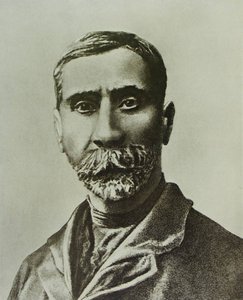
Niko Pirosmani
1862 - 1918 , Georgien
Kort om kunstneren
- Artistic Movement Or Style: Primitivism kunst
- Artists Who Influenced This Artist: ['Vladimir Lado Gudiashvili']
- Date Of Birth: 5 maj 1862
- Date Of Death: 9 apríl 1918
- Full Name: Nikoláy Aslánovich Pirosmanashvíli
- Nationality: Georgien
- Notable Artworks:
- Musha med en vinskin
- Georgisk bryllup
- Porträtt av Zhdanevich
- Place Of Birth: Mirzaani, Kakheti prov.
Relaterede artikler
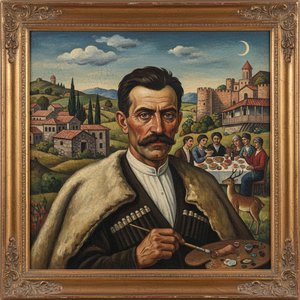
Niko Pirosmani: A Georgian Visionary – Life, Legacy, and the Poetics of Outsider Art
Discover the captivating life & art of Niko Pirosmani, Georgia’s celebrated primitivist painter. Explore his unique oilcloth paintings, lasting influence, and enduring legacy with OriginalUniqueArt.
Cultivating Visions: Rural Life & Social Commentary in Art History
Explore the rich history of rural life in art! Discover masterpieces from Dutch Masters to Van Gogh & Courbet. Uncover artistic movements, social significance & expert collecting insights at OriginalUniqueArt.
Cultivating Visions: A Historical Exploration of Rural Life in Painting
Explore the rich history of rural life in painting! Discover masterpieces from Dutch Masters to Courbet & Watteau. Uncover the artistic and social significance of idyllic landscapes and peasant scenes.

Echoes of Rural Life: Nostalgia, Labor & Identity in Art History
Explore the rich history of rural life in art! Discover how Realism captured labor & identity through masterpieces by Van Gogh, Millet & more. Expert analysis for collectors and enthusiasts.

Echoes of Rural Life: Art's Enduring Representations of the Countryside
Explore the rich history of rural life in art! Discover masterpieces from Millet to Mauve & beyond. Learn about Realism, Barbizon School & find inspiration for your home with OriginalUniqueArt.
