Se i rummet
 Del som kort
 Del
Del
 Detaljer
 Guide
Guide

 Download
 Lignende værker
 Røntgenundersøgelse
 Diasshow
 Q&A
Q&A Statistikker
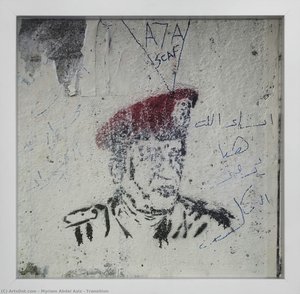
Transition
 Acrylic On Canvas
- WallArt
- Contemporary Street Art
 2011
2011- Modern
 40.0 x 40.0 cm
 Contemporary Art Platform
 Vis mere
Kunstværket vist på denne side er beskyttet af ophavsretsloven, hvilket betyder, at vi ikke lovligt kan skabe eller sælge en identisk reproduktion. Denne beskyttelse håndhæves i henhold til internationale aftaler som f.eks. den Bernerkonventionen og af nationale love, herunder de bestemmelser, der er fastlagt i Amerikansk ophavsretslov - Titel 17.
Denne metode overholder fuldt ud ophavsretsreglerne, da den ikke indebærer kopiering eller duplikering af det beskyttede kunstværk. I stedet er der tale om en kreativ nytolkning – et nyt maleri, som er inspireret af det oprindelige, men ikke identisk med det.
Giclée / Kunsttryk
Giclée- eller lærredstryk i museumskvalitet med hurtig produktion og fleksible muligheder for finish. ( Køb håndmalet maleri Skift til digitalt billede)




P118B Dkr10

P118H Dkr10

P118W Dkr10

P438Z Dkr10

P508JH Dkr12

P508YH Dkr12

P805H Dkr10

P805Z Dkr10

P919BZ Dkr10

P919G Dkr10

P919XJ Dkr10

P959ZH Dkr10

P968JZ Dkr12

W106C Dkr8

W218G Dkr10

W218JH Dkr8

W218Y Dkr10

W307PJ Dkr10

W316G Dkr10

W316PJ Dkr8

W316Y Dkr10

W398PJ Dkr8

W4111J Dkr10

W500HY Dkr15

W500JH Dkr15

W692G Dkr12

W849H Dkr8

W940BG Dkr15

W953PJ Dkr8




Vælg mellem vores forudindstillede størrelser, der matcher kunstværkets originale proportioner.

Indtast den bredde og højde, du har brug for, så det passer til din ramme eller din væg. Et print kan kun beskæres, aldrig gøres større end selve billedet, så en størrelse med et andet format vil medføre, at dele af motivet går tabt. Vi sender dig en digital mockup til godkendelse, før vi printer noget. Billedet vist på denne side viser ikke den faktiske beskæring — det er kun mockuppen, der gør.
Verdensomspændende levering () på 2 uger i stedet for de sædvanlige 4/5 uger. (28 oktober)

Gratis ekspresforsendelse til hele verden

Lærred af linned i høj kvalitet

Fuld transportforsikring

Garanti for refusion af told og importafgifter

Garanti for præcis farvegengivelse

100 dages returret ved fabrikationsfejl

100% fuld returret

Mængderabat ved flere køb
 Glasmulighed er kun tilgængelig i størrelser under 110 cm

Transition
Giclée / Kunsttryk
Størrelse på reproduktion
-


Samlet pris
Dkr 534
Transition: A Chronicle in Concrete – Myriam Abdel Aziz’s Echo of Revolution
Myriam Abdel Aziz's "Transition" is more than just a photograph; it’s a visceral record of a nation grappling with its identity, a testament to the raw energy and profound divisions that characterized Egypt during the tumultuous 2011 revolution. Captured in 2011, this striking image – a 40 x 40 cm black and white print – documents a wall transformed into a chaotic canvas of political expression, a space where the voices of dissent, fear, and ultimately, hope, were etched onto the very fabric of Cairo.
- The Genesis of Street Art: The photograph’s power lies in its historical context. Prior to 2011, walls in Egypt served primarily as surfaces for advertisements and architectural decoration. This artwork marks a pivotal moment – the first instance where citizens utilized public spaces as a direct medium for political commentary, a practice unheard of in Egyptian history.
- A Layered Narrative: The graffiti itself is a complex tapestry woven from competing narratives. Initially, defiant slogans denouncing the military’s actions emerged, quickly followed by counter-expressions from those loyal to the Mubarak regime and later, by voices representing new political movements like the Muslim Brotherhood. This layering reflects the fractured state of Egyptian society at that critical juncture.
- Ephemeral Art: The deliberate act of erasure – the repeated overpainting of the graffiti by the Supreme Council of Armed Forces (SCAF) – is integral to the artwork’s meaning. These ephemeral works, constantly being destroyed and recreated, symbolize the instability of the transition government and the ongoing struggle for control.
Artistic Technique & Style: Raw Documentation Meets Symbolic Resonance
Abdel Aziz's photographic style is characterized by a commitment to direct observation and unvarnished truth. The black and white palette intensifies the emotional impact, stripping away any distractions and focusing attention on the raw energy of the scene. The composition itself – a densely packed wall covered in figures – creates a sense of claustrophobia and urgency, mirroring the feeling of being caught within a revolutionary fervor.
- Documentary Precision: The image’s technical execution is remarkably precise, capturing minute details like the expressions on the faces of the individuals depicted and the varying styles of the graffiti.
- Influence of Cinematic Artistry: As documented in her biography, Abdel Aziz's artistic roots extend beyond photography; she draws inspiration from cinematic artistry, particularly Pakistani film posters, evident in the deliberate framing and composition of the image.
Symbolism & Emotional Impact
"Transition" is laden with symbolic weight. The raised arms depicted in the graffiti represent defiance and resistance against authority. The diverse figures – a man in a hat, someone holding a knife – embody the multifaceted nature of the revolution itself, encompassing both idealism and potential violence. The solitary figure in the red shirt stands out as a beacon of hope amidst the chaos, perhaps representing the aspirations for a new Egypt.
The artwork evokes a powerful sense of unease and urgency, prompting viewers to confront the complexities of political upheaval and the human cost of revolution. It’s a poignant reminder of a pivotal moment in Egyptian history – a moment that continues to resonate today.
Collector's Note: A Unique Piece for Your Collection
This hand-painted reproduction captures the essence of Myriam Abdel Aziz’s powerful work, offering a unique opportunity to own a piece of contemporary art with profound historical significance. Its size (40 x 40 cm) makes it suitable for a variety of interior design settings, from smaller apartments to larger galleries. The image's stark beauty and evocative narrative will undoubtedly spark conversation and serve as a lasting reminder of the Egyptian Revolution of 2011. This artwork is more than just decoration; it’s an investment in art history.
Spørgsmål og svar
Kan jeg se "Transition" som et diasshow i fuld skærm?
Se diasshowet på siden Billedserie for "Transition" af Myriam Abdel Aziz.
Hvordan forbinder "Transition" af Myriam Abdel Aziz Contemporary Street Art med kunstnerens hjemland?
"Transition" forbinder Contemporary Street Art-bevægelsen med Egypt gennem skaberens fødested.
Hvad er den anbefalede printstørrelse til "Transition" af Myriam Abdel Aziz?
Den anbefalede trykstørrelse til "Transition" af Myriam Abdel Aziz er Large.
Kunstnerbiografi
Myriam Abdel Aziz: A Voice of Resilience Through Photographic Narrative
Myriam Abdel Aziz, born in Cairo, Egypt in 1976, stands as a compelling figure within the burgeoning landscape of documentary photography originating from the Middle East. Her artistic journey began amidst the transformative fervor of the Egyptian Revolution of 2011, propelling her into membership with Rawiya Collective—a collective dedicated to showcasing the narratives of Arab women through powerful visual storytelling. This formative experience profoundly shaped her artistic vision and cemented her commitment to capturing the complexities of identity and societal change.- Early Influences: Abdel Aziz’s fascination with photography stemmed from a desire to document human experiences authentically, fueled by an appreciation for cinematic artistry—particularly Pakistani film posters like “Aandhi Shakar,” which she meticulously recreated as a painting. This initial inspiration instilled in her a stylistic approach characterized by dramatic compositions and stylized map designs.
- Rawiya Collective & Artistic Focus: Joining Rawiya Collective solidified Abdel Aziz’s dedication to portraying Arab women's stories with sensitivity and nuance. The collective’s ethos encouraged exploration of themes like vulnerability, resilience, and the subtle shifts occurring within communities—elements that consistently permeate her photographic oeuvre.
Notable Works & Exhibitions
Among Abdel Aziz’s most celebrated pieces is “Master and Student,” a striking painting inspired by Pakistani film posters, housed at Fukuoka Asian Art Museum in Japan. This artwork exemplifies her ability to distill complex narratives into visually arresting images—a testament to her artistic prowess. Furthermore, her photograph "Transition" powerfully documents the pivotal moment of Egypt's government change in 2011, capturing the palpable tension and anticipation surrounding this historical juncture. Her work has garnered recognition for its insightful portrayal of Arab women’s perspectives and its contribution to documenting significant cultural shifts.- "Transition" exemplifies Abdel Aziz’s skill in conveying emotion through visual storytelling, mirroring the spirit of her artistic endeavors.

Myriam Abdel Aziz
1976 - , Egypt
Kort om kunstneren
- Full Name: Myriam Abdel Aziz
- Nationality: Egyptian
- Date Of Birth: 1976
- Place Of Birth: Cairo, Egypt
- Notable Artworks:
- Master and Student
- Transition
- Artistic Movement Or Style: Documentary Photography
Relaterede artikler

Banksy Unveiled: The Power and Mystery of Street Art's Greatest Icon
Explore the profound mystery of Banksy, from his subversive stencils to his impact on global pop culture. Dive into an art-historical analysis of street art's greatest icon and the power of social commentary in modern urban landscapes.

Uden For Galleriets Vægge: Den Moderne Gadekunsts Fremkomst
Udforsk gadekunstens fascinerende verden – fra dens rødder i graffiti til moderne kunstneriske udtryk. Få indsigt i teknikker, stilarter og den løbende debat om legitimitet.
Beyond Graffiti: Exploring the Evolution & Cultural Impact of Street Art for Collectors
Explore the evolution of street art from rebellious origins to a respected fine art form. Discover key artists like Banksy & learn how to collect urban art with confidence. Expert insights for discerning investors.
Banksy Unmasked: The Street Art Icon Redefining Modern Rebellion and the Future of Urban Aesthetics
Dive into the subversive world of Banksy. Explore how this street art icon uses stencil rebellion to redefine modern culture, from political satire to high-impact urban aesthetics. Discover the future of pop-culture trends and the evolution of street art as a premium collectible.
From Walls to Galleries: The Bold Evolution of Street Art and Its Rise into High-End Collectibles
Explore the captivating journey of street art from urban walls to prestigious galleries. Discover how contemporary graffiti has evolved into a high-end collectible movement, redefining modern interior design and global art culture.